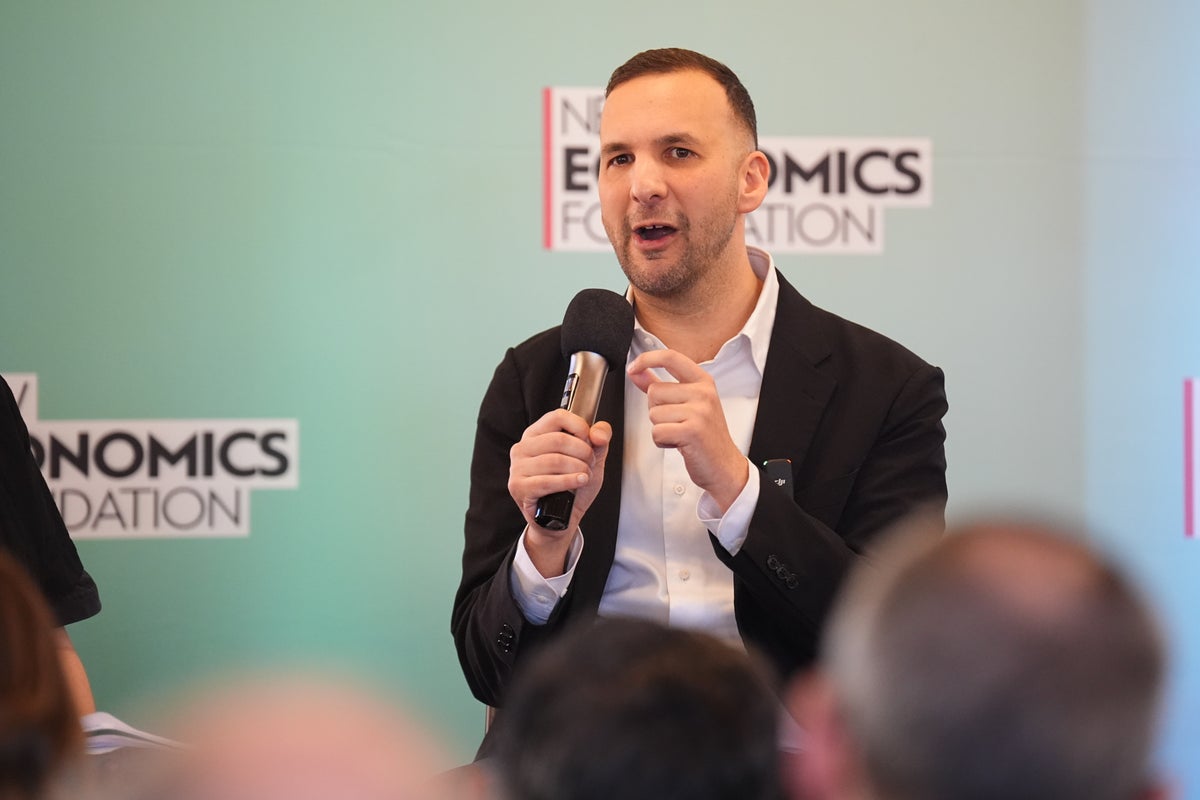
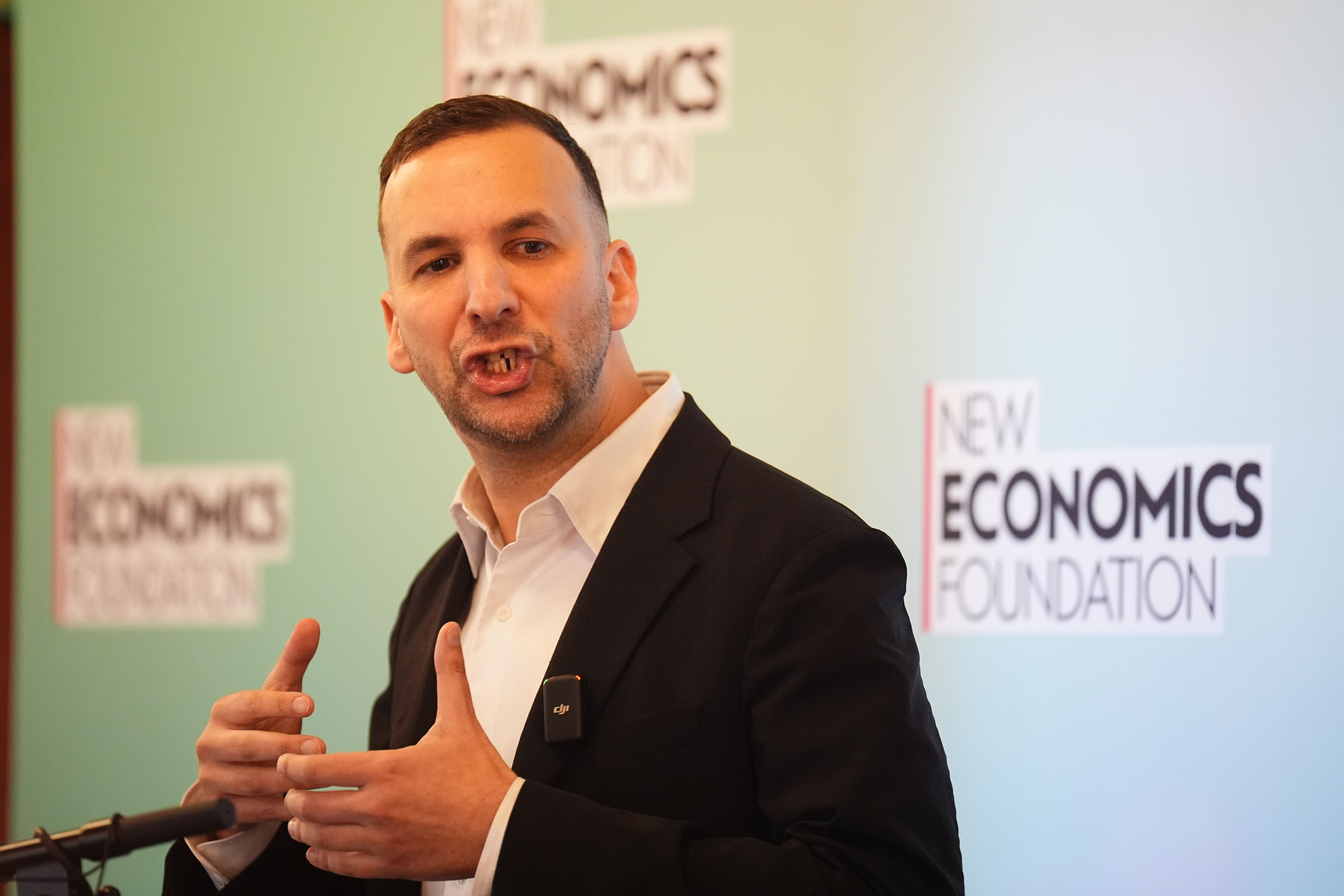
Zack Polanski has laid out his vision for the Green Party’s approach to Britain’s economy in his first major policy speech as leader.
Speaking at a garden centre in north London, Mr Polanski took aim at what he called the government’s “failing fiscal rules” as he set out plans to overhaul the UK’s tax system and ease inflation.
It marks his first major intervention on the Greens’ economic policy, and comes just weeks after the party secured a historic victory in the Gorton and Denton by-election and surged in the polls.
Resting his fiscal policy on three planks – fiscal policy modernisation, tax policy reform and the cost of living – Mr Polanski pledged to put an end to “rip-off Britain”.
The Green Party leader also addressed the mounting uncertainty sparked by the outbreak of war in the Middle East, calling on the government to guarantee it will not allow a rise in energy prices for UK households.
Here is a look at some of the key positions covered in the speech:
Wealth tax
As part of his plans to pay for his reforms, Mr Polanski laid out his commitment to implement a wealth tax as a “day one priority”.
He called for a 1 per cent tax on wealth over £10bn and a 2 per cent tax on more than £1m, in order to raise around £15bn per year.
“We know a wealth tax won’t fix everything, and no one has ever pretended it would. But it would be a very good place to start,” he said.
He added: “For a truly progressive government, a wealth tax needs to be a day one priority.”
Energy bills amid global shocks
Mr Polanski opened his speech by setting out his position on the US and Israel’s “illegal war” on Iran, and addressed how he believed the government should now approach the global oil crisis.
“This was not a war of self-defence, there was no imminent threat, negotiations were ongoing. It was, as the BBC’s international editor said, a war of choice,” he said.
“People across the Middle East are terrified of what Trump and Netanyahu’s war will mean for them and their loved ones, and the repercussions are echoing across the world as instability spreads and oil prices spike.”
He called for the government to set aside £8.4 billion to prevent households from facing a spike in energy bills when Ofgem’s price cap expires, which he said could be paid for by “strengthening” the windfall tax and other changes like equalising capital gains tax with income tax.
“It’s time for the government to act decisively, eliminate the uncertainty that is plaguing people and the markets and insulate us from some of the worst economic effects of Trump’s war,” he said.
Rejoin the European Union
The Green leader criticised the impacts of Brexit during his speech, and said he still believes the UK should rejoin the European Union.
Outlining the economic effects of Brexit, he said: “The economy is 6-8 per cent smaller than it would have been. Hundreds of pounds added to the average household’s shopping bill. Leaving the EU has been a sledgehammer to an already weak economy.”
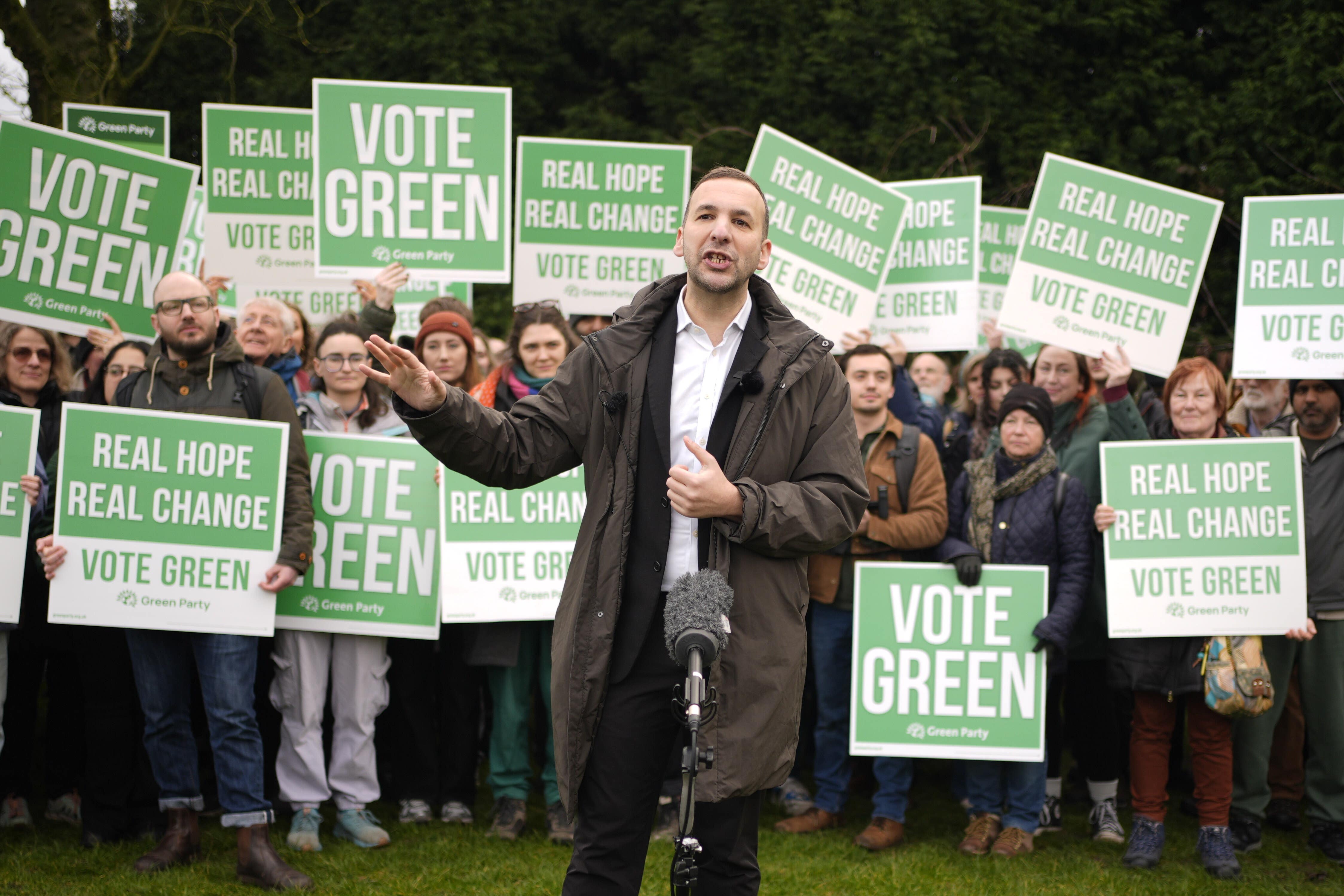
When asked after if he would bring the UK back into the European Union, he said voters are interested in his commitment to “recognise that Brexit has been a disaster for this country, both socially, culturally, economically”.
“Yes, I do want to see us rejoin the European Union,” he said. “But more widely, when I look realistically, I think we’re much better at building our relationships with our European neighbours, including rejoining Customs Union.”
Rent controls
The member of the London Assembly also pledged the Green Party would implement rent controls in an effort to further ease the cost of living.
He backed Green attempts to push for rent controls to be included in the government’s Renters Rights Bill, and said a green cabinet would do so to “stop the chokehold of rip-off rents and breathe life back into our communities.”
He also backed calls for councils to buy back homes lost to right to buy schemes.
“One in six private renters is now renting a former council home, often at extortionate rates – and often partly paid for by the government in the form of housing benefit,” he said.
“Another example of a system which is not only totally unfair but utterly incoherent. Our Green MP Sian Berry, she’s been fighting hard to end this mess, calling for councils to be able to buy back homes lost through right to buy.”
Water nationalisation
Mr Polanski also took aim at private water companies, and promised to nationalise water in Britain in his effort to “end rip off Britain”.
He argued that privatisation and deregulation has “turned Britain from a place which made things people need to a place which made money for people who owned things”.
“Let’s stop paying the privatisation penalty and lining the pockets of shareholders – starting with the water companies,” he said.
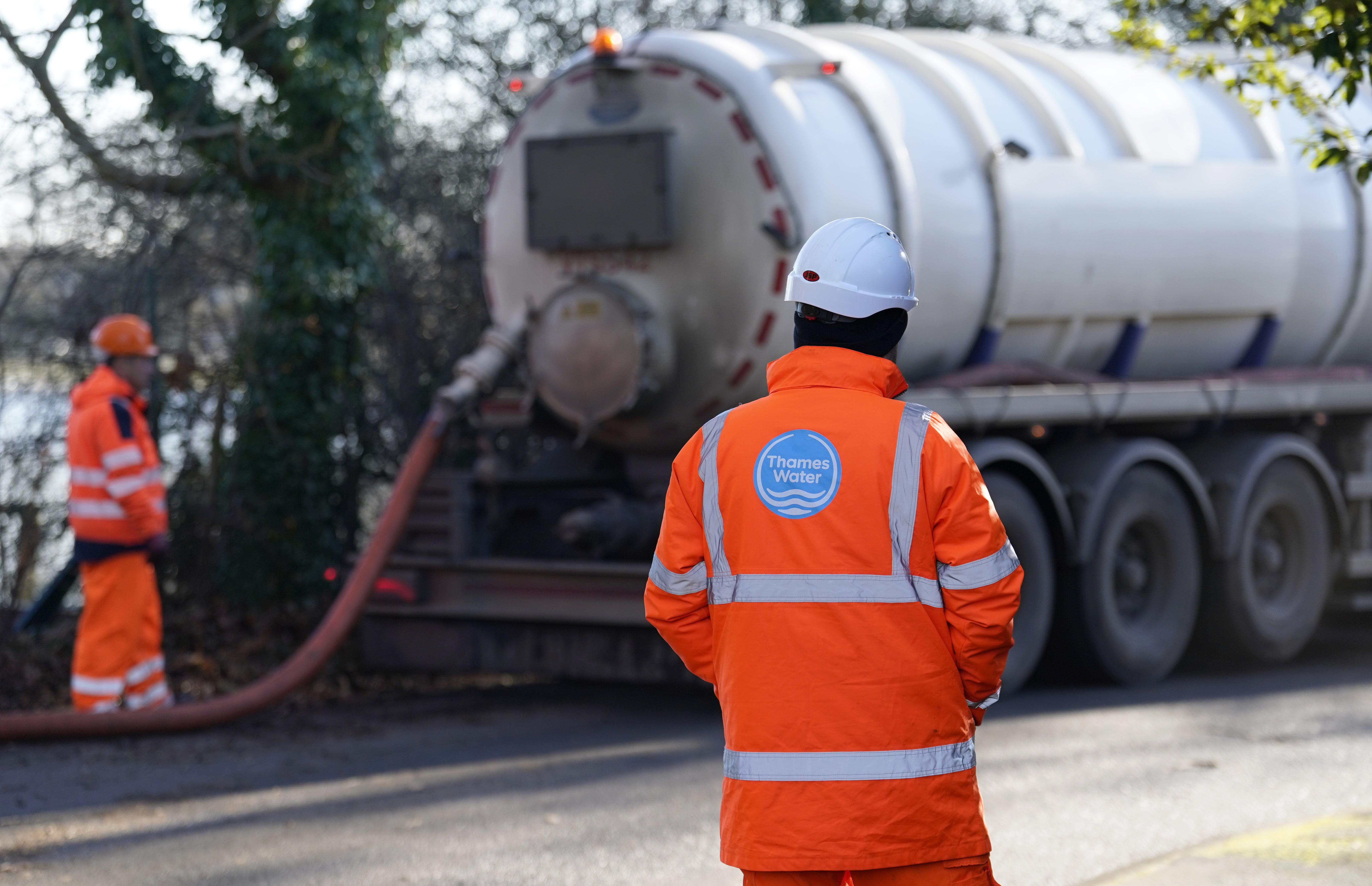
“Nearly a third of the typical water bill in England goes to funding shareholder returns and debt servicing, compared to around ten per cent for publicly owned Scottish Water.”
Scrapping ‘failing’ budget rules
Mr Polanski said the UK’s budget rules should be replaced with “fiscal referees” tasked with judging the state of debt and that the government should “look again” the Office for Budget Responsibility (OBR).
He said the government must break out of the “bond market doom loop”, which he said made the country’s fiscal framework “hypersensitive to market movements”.
The party leader said the government should ditch their fiscal rules, and instead opt for a panel of experts to judge debt sustainability called “fiscal referees”.
Turning to the government’s official forecaster, he said the UK needs to “look again” at the OBR.
“It was born of promises to eliminate the deficit and take urgent action to reduce debt – and it’s clearly failed,” he said.
“Proposals such as transforming the Office for Budget Responsibility into the Office for Fiscal Transparency are one of the suggestions the New Economics Foundation are making and are definitely worth examining.”