



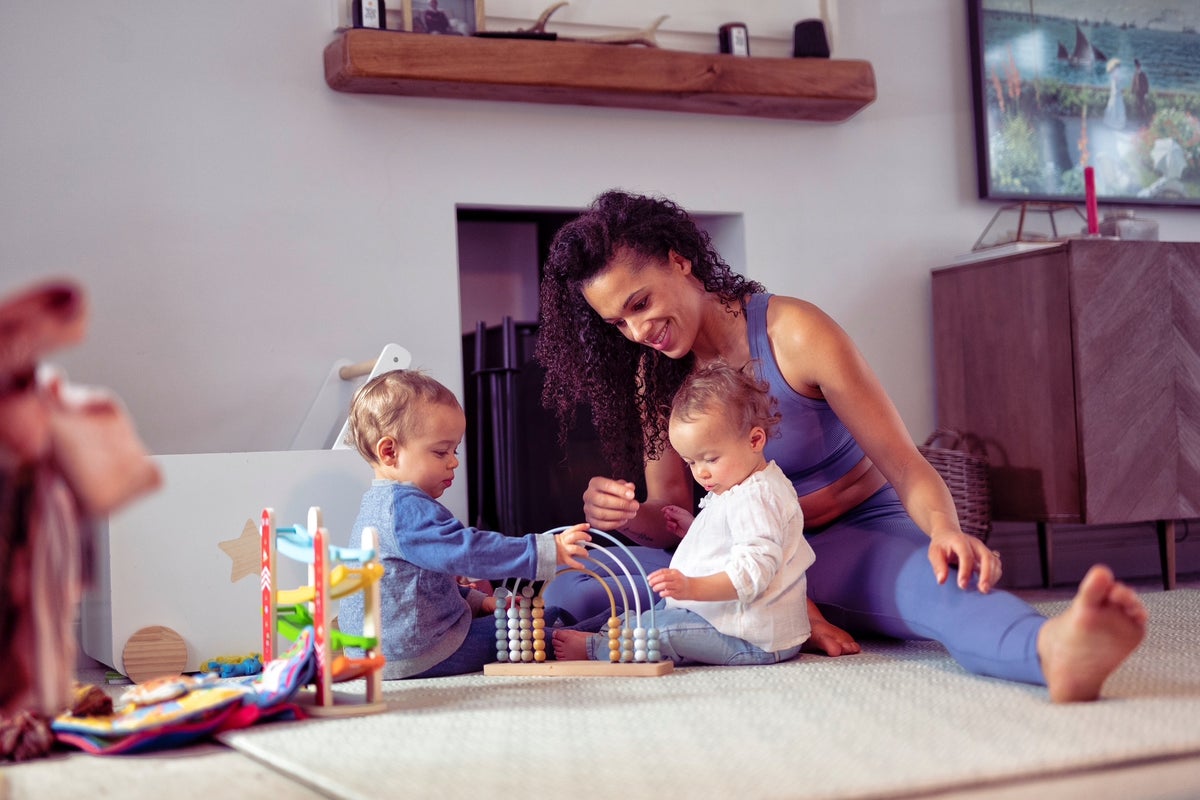
Once upon a simpler time, Mother’s Day was fairly predictable. A homemade card. A charmingly wonky bunch of daffodils. Maybe a slapdash breakfast in bed, prepared by little hands. That’s certainly how it was when I was growing up – jumping onto my mum’s bed armed with a card I’d made at school, excited to perform a song and dance for her to show my gratitude.
Fast forward to today, and things have… escalated, to say the least. In the weeks before Mother’s Day, social media feeds are flooded with posts about spa packages, luxury gift ideas, and ads for expensive, sparkly things. Obviously, any of these things would be lovely – hello, potential sponsors! – but in truth, I think what most mums really want for Mother’s Day has stayed simple.
Sure, diamonds are nice. Elaborate days out, kept secret for weeks in advance, can be very exciting. But the things that really appeal are usually much smaller in scale or cost. A little time, a little energy and maybe a moment to ourselves. The peace of knowing our children are safe, happy, and, crucially, being entertained by someone else for a bit.
As a mum of four, it’s the simple things that I daydream about, like going on a walk without someone needing a snack halfway through. Or, better yet, an actual brunch with friends, where I’m not scraping soggy leftovers onto my plate.
Motherhood is wonderful, but it’s also busy and loud. Sometimes, the demand can feel relentless. I know first-hand that we can all benefit from hearing more honesty about the moments of overwhelm.
Fortunately, in the last few years, conversations about motherhood have developed. People are speaking frankly about the hard parts, and there’s more awareness around the importance of mental and physical well-being. Expert information is also more accessible than ever, just like the brand new StrongLikeMum YouTube channel, launched in association with The Independent: a one-stop shop for all things postnatal fitness support.
Small changes make the biggest difference
Improving your well-being and lifting your energy doesn’t need a big life overhaul, and it certainly doesn’t need a grand gesture on Mother’s Day. In fact, what women really want (and need) is the support to sustain small, healthy habits which fit into real life.
What could this kind of support look like? Cue the sighs of contentment from every mum reading: how about an early night once in a while, while your partner handles bedtime (without popping their head into the room a dozen times, to ask where things are)? Or the peace and quiet to properly enjoy a cup of tea in the morning? Having 20 blissful minutes to breathe, stretch, and move your body for you – and not because a little one needs scooping up.
Feeling well is also about supporting our bodies through different stages of life, from pregnancy to postpartum and perimenopause. For women, being in flux is permanent – not just because of our monthly cycle, but long-term, too. Hormonally, we face fluctuations and changes throughout our entire lives. Dealing with all of that change is hard work. While the gift of personal space and time to unwind is a wonderful Mother’s Day gift, in reality, it’s the kind of everyday self-care most mums rarely get enough of.
Support that actually works with Mum life
Through years of working with women on their postnatal recovery, I’ve learned that the biggest barrier women face when it comes to their health is time.
Between school runs, work-life balance, family commitments, and endless lists of invisible tasks, taking care of yourself can feel like the last thing on your mind before the balance completely tips.
But small changes can lead to big changes. Focusing on building simple habits at home is a much better recipe for success than dealing with the pressure of signing up for a 16-week intensive workout course or going on a crash diet. Here are my tips – from personal experience – about how wellness can go beyond Mother’s Day, and make a real difference.
1. Go outside whenever you can
There’s no vitamin more powerful – and underestimated – than the combination of fresh air and natural daylight. Oxygen enters our system and instantly gives us an energy boost, while sunlight helps us establish our circadian rhythm and support bone health. The impact on our emotional well-being is also shown to be quick and effective. In moments of overwhelm, crisis (or when you really want to be the one throwing the tantrum), stepping outside for a few deep breaths can help to bring in calm and provide an energy boost.
2. Protect your posture
Motherhood means moving around a lot, but doing so with poor posture can lead to aches and strains. Our knees, hips, lower back, and neck usually bare the biggest brunt. Time and time again, when I work with women experiencing pain in these areas, it almost always comes back to an imbalance in the core or a postural deviation along the spine.
Our posture can also have a very real effect on our pelvic floor health and lead to symptoms such as urinary incontinence. For this, I recommend strength and release exercises. Luckily, we have a core series up on the StrongLikeMum YouTube channel, with lots of 10-minute core sessions to squeeze into a busy day.
3. Work on strength, not just cardio
Women’s health experts are increasingly highlighting the importance of strength training to support our bones, muscles, metabolism, immune system and brain function, especially as we move through our 30’s and 40’s. You don’t need a gym membership to see results. Try this at-home whole-body workout with StrongLikeMum to build strength at home.
4. Hydration is surprisingly powerful
When we’re dehydrated, our physical and mental health can become sluggish. Our brain relies on hydration to function, and everything from our coordination to our energy and mobility can take a dive. Keeping reusable bottles of water in visible places, such as the car, the sink, or the bathroom counter, can help us to sip little and often throughout a day.
5. Recognise rest as a recovery
Quality sleep might seem hard to come by. The most crucial sleep hours are between 10pm to 2am, when our stress glands reset, and our melatonin stores replenish. However, if we can’t establish a solid sleep routine, napping can help give our body a chance to rest. Aim for earlier in the day (before noon). It’s also important not to sleep any longer than 20 minutes to avoid decreasing the natural sleep drive for the evening. If you don’t have the time for a full nap, simply lying down and elevating your feet onto a raised platform, like a chair or the sofa, is great for returning blood flow to the heart and brain, giving us a small but noticeable rise in our energy levels.