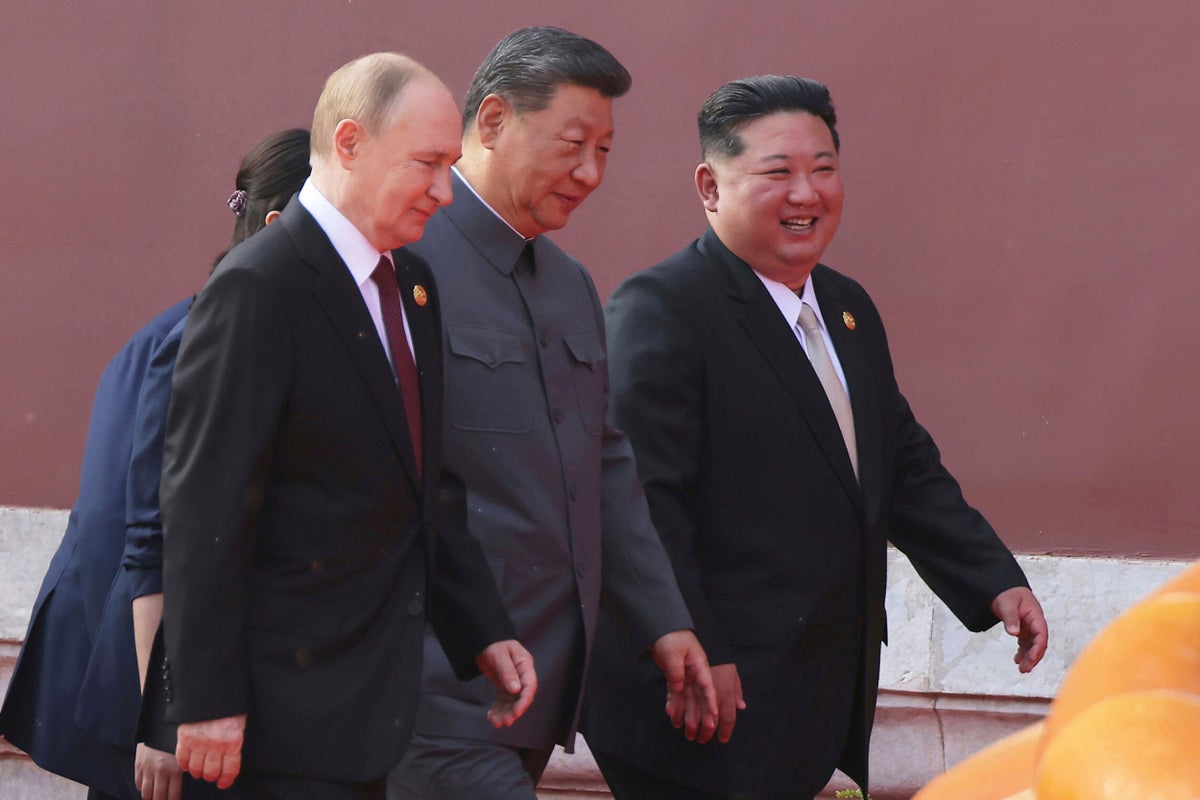



It was a moment of silence that spoke a thousand words.
When the Iranian women’s national football team refused to sing their country’s national anthem on Tuesday 3 March, they were branded “wartime traitors” by state TV presenters. Broadcaster Mohammad Reza Shabazi went as far as saying their actions were the “pinnacle of dishonour”.
The silent protest took place at the opening match of the AFC Women’s Asian Cup tournament in Australia, just days after US-Israeli strikes killed Iran’s supreme leader Ayatollah Ali Khamenei. Since the beginning of the war, more than 1,300 people in Iran have been killed and the conflict has spread throughout the Middle East.
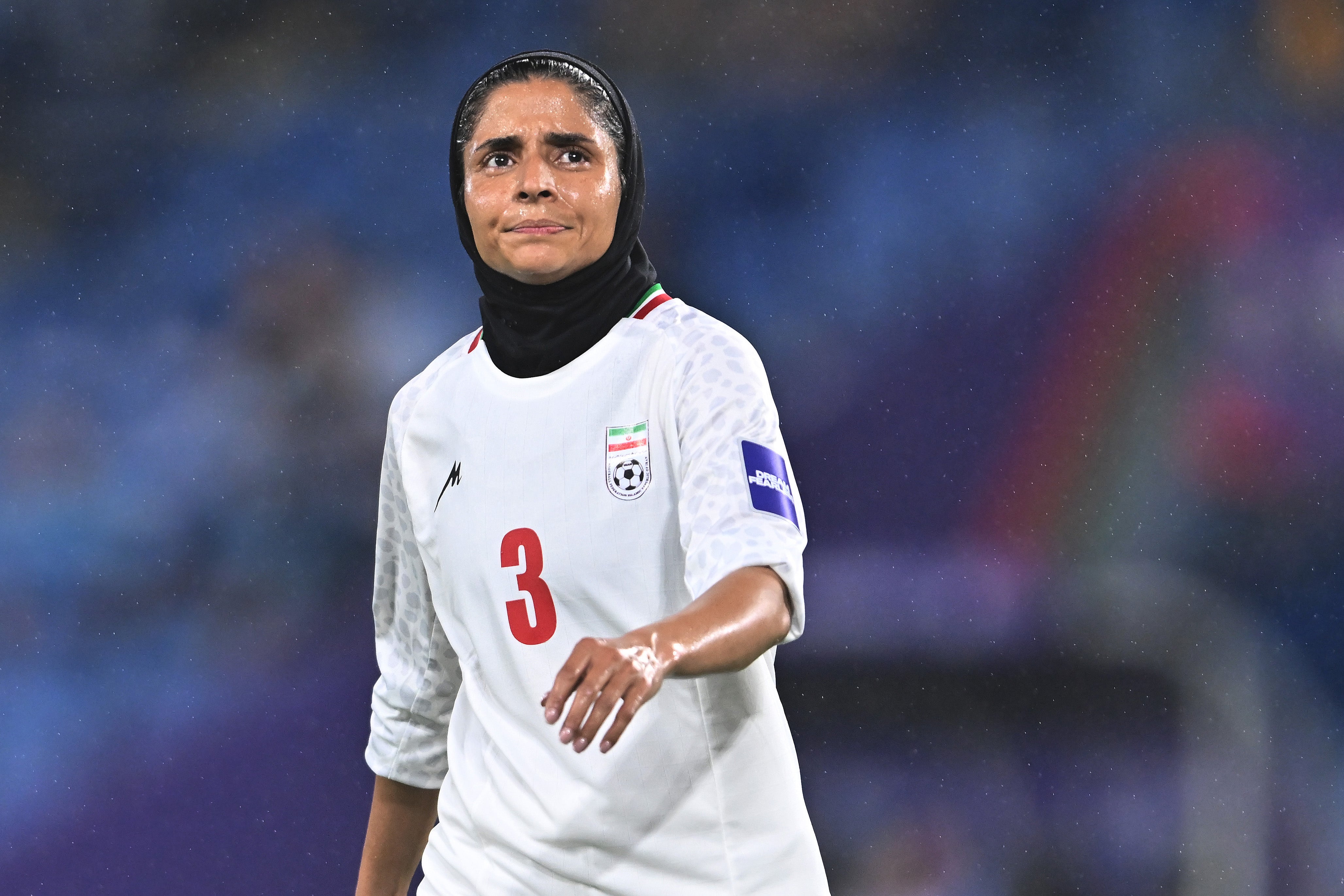
Striker Sara Didar fought back tears as she spoke of her concern for Iran at a press conference on Wednesday last week.
“Obviously we’re all concerned and we’re sad at what has happened to Iran and our families in Iran,” she said. “I really hope for our country to have good news ahead. And I hope that my country will be strongly alive.”
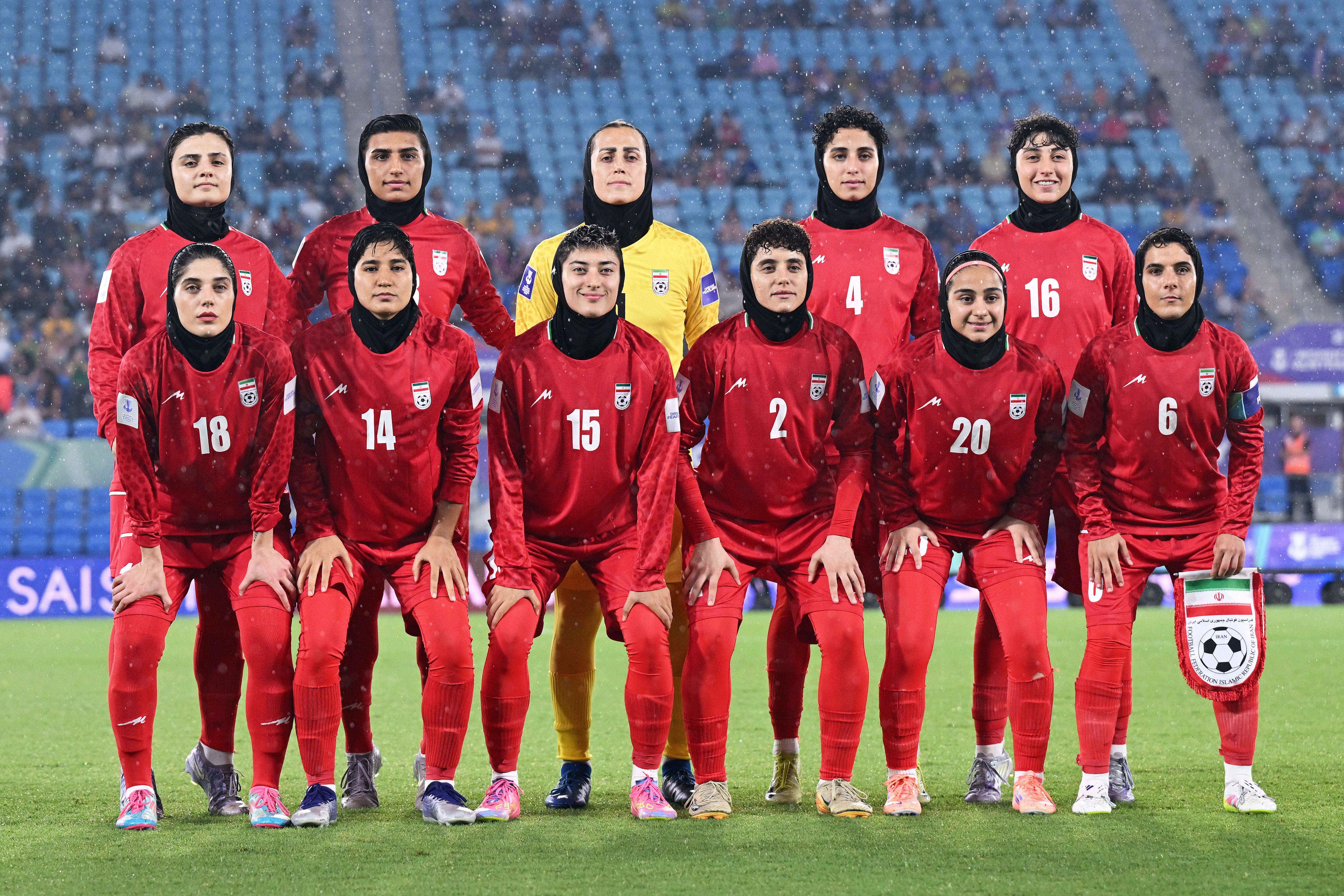
Concerns were raised when the team were seen singing the national anthem enthusiastically and saluting in two subsequent matches.
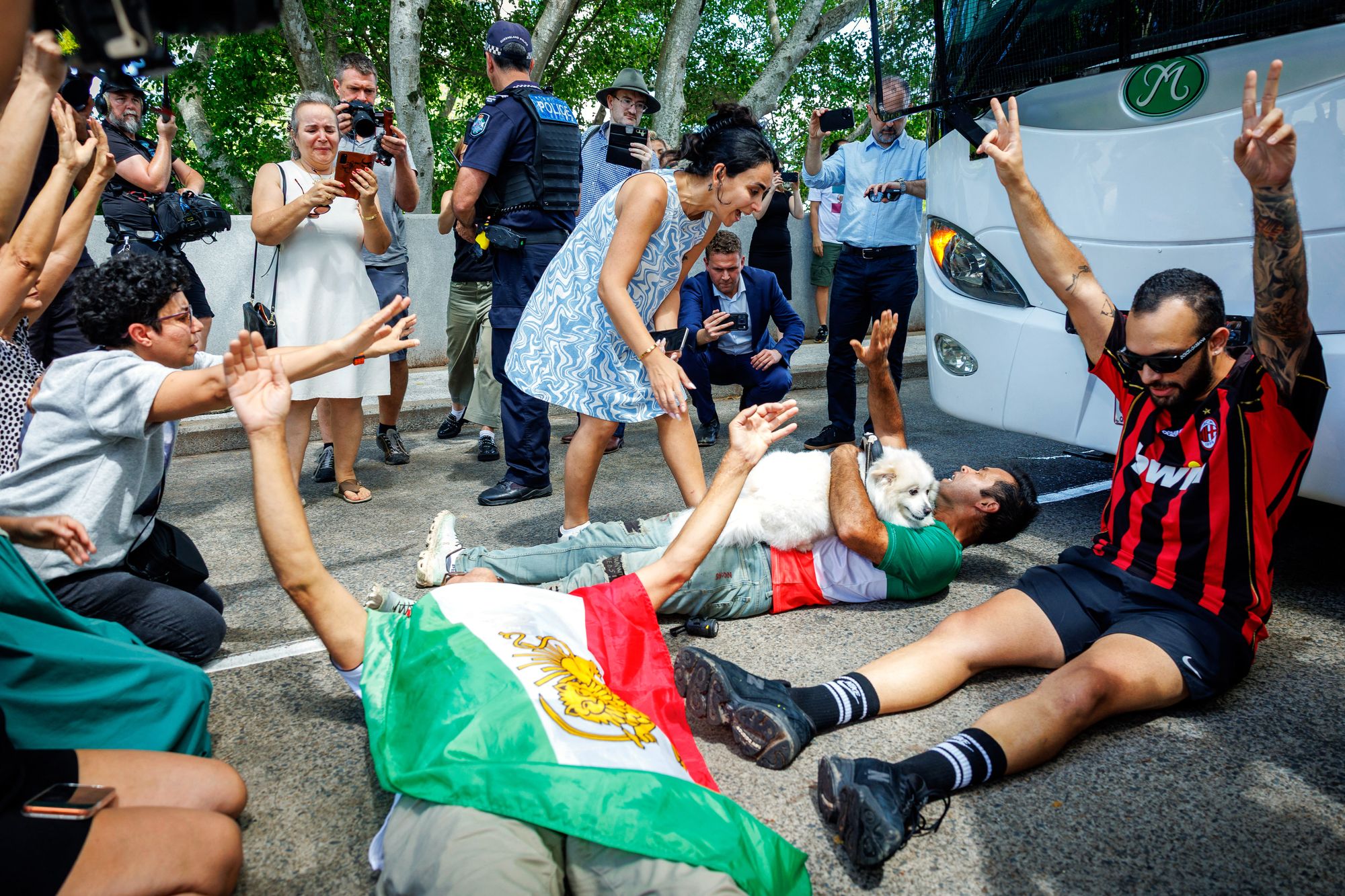
After the group were eliminated from the tournament on Sunday, crowds of protesters chased the team’s tour bus down the street calling on Australia to “save our girls”. There were growing fears that the players and their families could face reprisals for their protest back home, especially after the Islamic Republic’s bloody crackdown on widespread demonstrations in January.
One of the mothers of an unnamed player is reported to have sent a voice note to her daughter (who later chose to return to Iran having not received it), heard by ABC News, pleading: “Don’t come [back to Iran]… they’ll kill you.”
President Donald Trump intervened and offered the team refuge in the United States on the same day, insisting the women would “most likely be killed” if they were to return home.

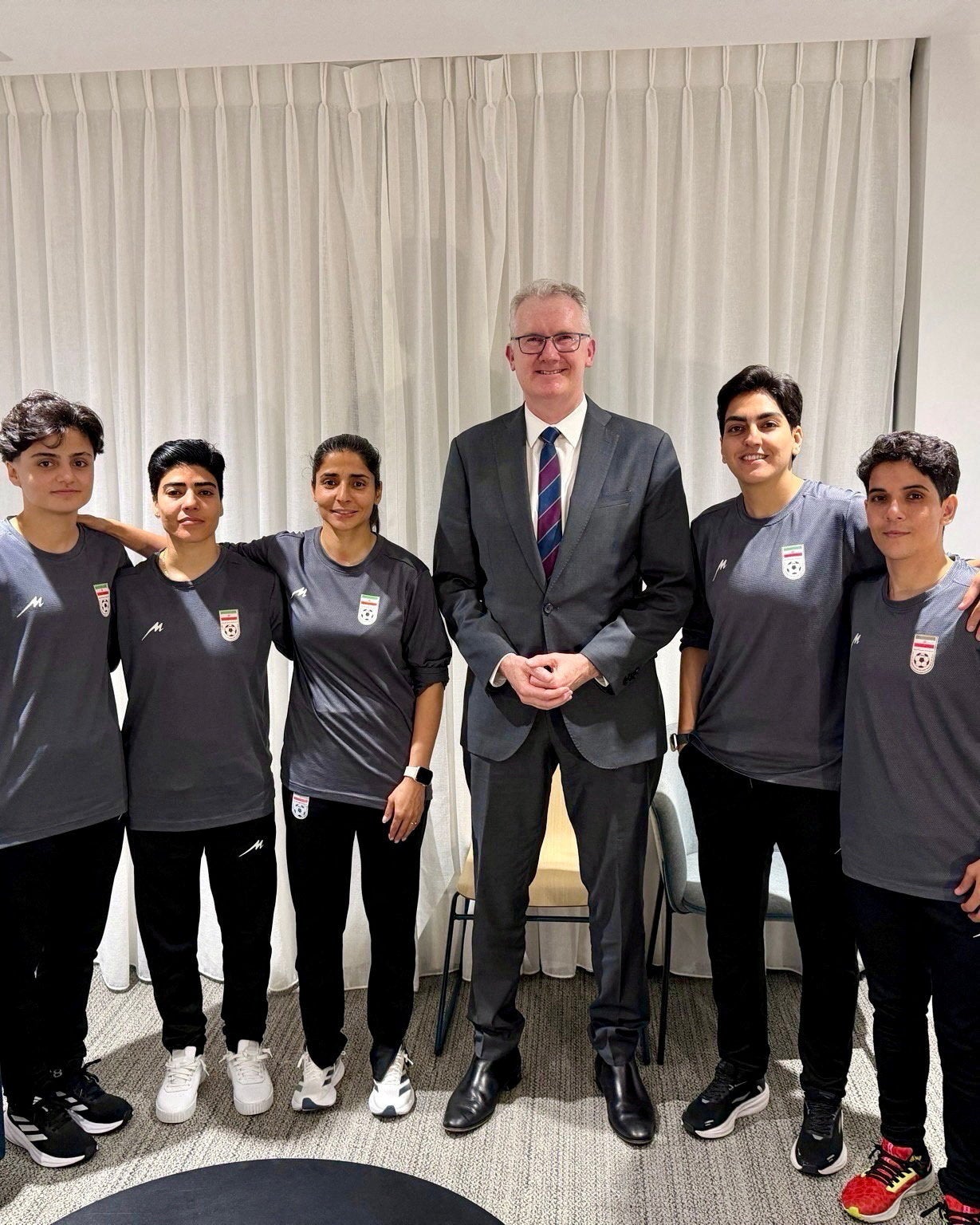
Seven of the team have since been offered asylum in Australia but at least one woman has changed her mind after the rest of the 26-member group including support staff made the decision to return home. Iranian delegates are reported to have chased the women as they left their hotel with Australian police.
Fatemeh Pasandideh, 21, team captain Zahra Ghanbari, 34, Zahra Sarbali, 32, Atefeh Ramezanizadeh, 33 and Mona Hamoudi 32, were granted a 12-month humanitarian visa by the state.
Mohaddeseh Zolfi and support staff member Zahra Soltan Meshkeh Kar were also separated from the group and taken to a Brisbane police base after expressing a wish to remain in Australia. However, one of the women who has not been named, changed her mind.
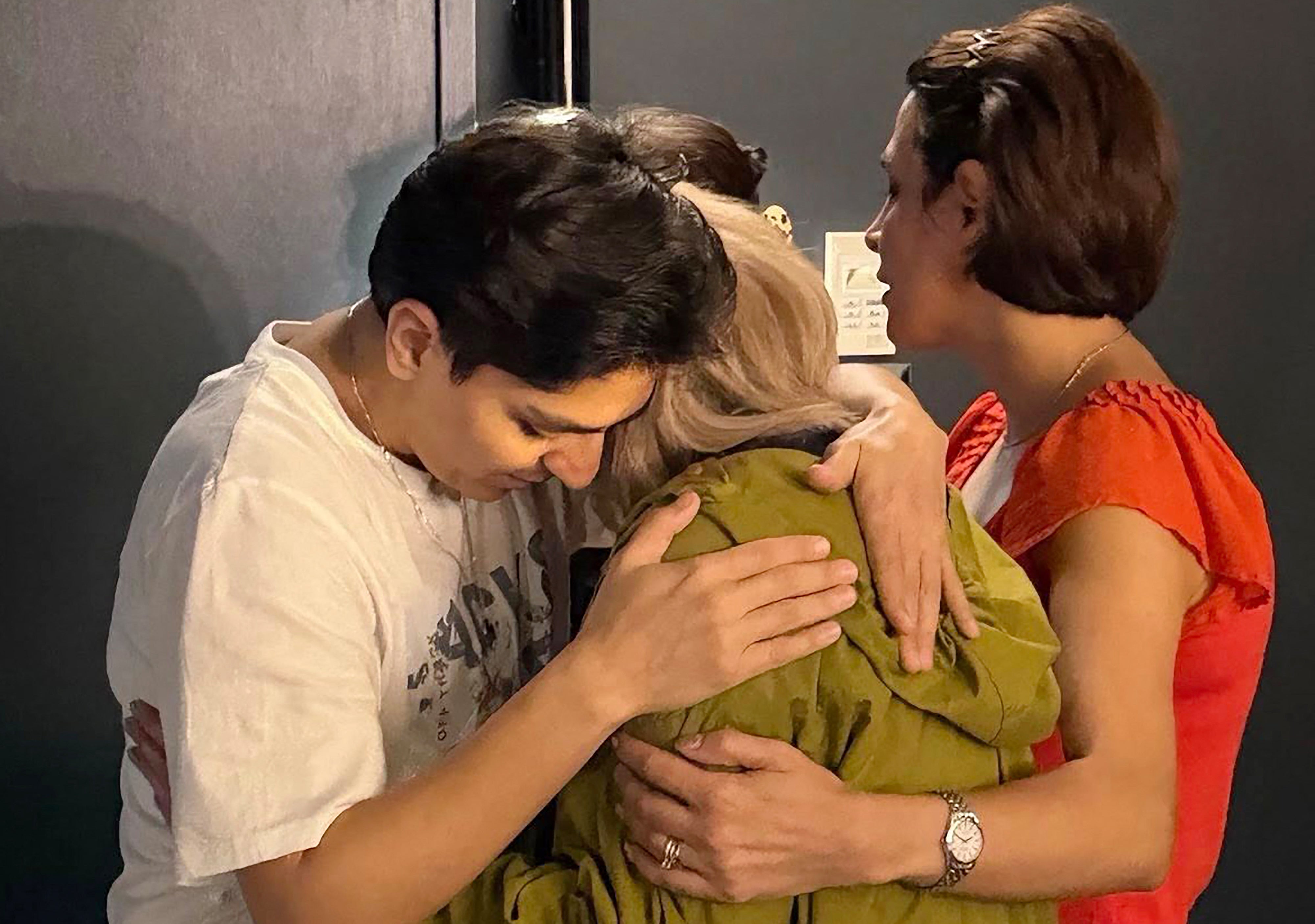
Local activist Deniz Toupchi said the woman is the the daughter of the mother who sent the voice note: “It seems [the player] decided to stay first initially, but then unfortunately, at the very last minute, she has changed her decision and she’s now in Kuala Lumpur.”
Ms Toupchi says the women, some as young as 21, have faced huge pressure from the Iranian establishment to return home.
Australian authorities insist that the team were supported by a “very significant police presence” and were separated from minders while being supported by translators in order to confirm the choice was their own.
Home affairs minister Tony Burke told Parliament that the member of the group “had spoken to some of the teammates that left and changed their mind” and had been “encouraged to contact the Iranian embassy”.
As a result of the phone call, the Iranian embassy became aware of the location of the women who then had to be relocated. Australian officials are reported to have “made sure this was her decision” before the woman, who has not been named, agreed to leave.
Local activists and lawyers involved in supporting the women described the tension surrounding their decision to leave or remain.
“They were under a lot of stress. They didn’t know what to do, they were worried about their family, their assets in Iran, what is the best decision to make now: ‘What if we stay here and we lose all our assets in Iran?’” migration agent Melody Naghmeh Danai told ABC News.
It was also difficult for the team to access the internet and the outside world, according to reports.

“We send a message, we can see they didn’t receive the message, and then they get internet, and we count the two blue ticks on WhatsApp,” Hesam Orouji, a local Iranian human rights activist, told the BBC.
He added that some of the players were not aware they had been offered asylum. “When we said to one of the [remaining members of the team], do you know the women already have their visas, they said no way!”
Others suggested that the group were accompanied by members of the Iranian establishment. Ms Toupchi said Iranian officials were “asking the players to go back to Iran because their families are concerned”, which she interpreted as effectively holding the families “hostage”.
Sources told the New York Times, the group were forced to hand over large sums of money that would be returned to them if they were “well-behaved”. Reports allege that the women were forced to surrender their passports and phones to minders from the Iranian establishment upon their arrival in Australia.
Iranian governmental figures also issued public messages to the women, urging them to return home.
“These loved ones are invited to return to their homeland with peace and confidence, and in addition to addressing the concerns of their families,” the Iranian general prosecutor’s office was quoted as saying by the Tasnim news agency.
Meanwhile, Iran’s minister of foreign affairs Esmail Baghaei asked the group to “come home” and wrote on X on Tuesday: “To Iran’s women’s football team: don’t worry – Iran awaits you with open arms.”
However, Iran International reported on Thursday that the women were kept under extremely tight security when they landed in Kuala Lumpur, according to sources. Some had their phones confiscated, while others were able to keep their devices under the strict supervision of security personnel.
On Friday, the Iranian football federation FFIRI posted a statement reportedly by the team’s coach Marziyeh Jafari, in which she blamed the “heavy atmosphere” created in Australia for the women’s decision to stay behind. But , she said, the “greater mistake” was made by the presenter who initially made “the call to arms against the daughters of this land.”
It is not their first brush with scandal. Ghanbari was briefly banned from playing the sport when the star midfielder’s hijab slipped off during a game in October 2024 and her hair was exposed to the world.
When her club, Bam Khatoon, won the league again in February this year, Ramezanizadeh shared a sombre picture of the winning trophy alongside a caption proclaiming the team’s “heavy hearts”.
“When our people are grieving the loss of their loved ones, it becomes difficult to celebrate,” an Instagram caption read at the time.
“We dedicate this championship to all the people, and we hope it brings a small amount of warmth to their hearts.”
Two players, Zahra Alizadeh and Kosar Kamali, and at least one referee, Niloufar Mirkarimi, had already resigned from the team on 19 February in response to a brutal crackdown on dissent in Iran that has killed at least 7,000 to date. Social media posts announcing their departure were taken down according to Iranian media.
An unknown number of people in Iran have been arrested and detained as a climate of suspicion against foreign interference has proliferated across the country.