

An “unusual number” of fish were found dead in a town on Florida’s Estero Island this month, and officials believe fertilizer runoff is likely to blame.
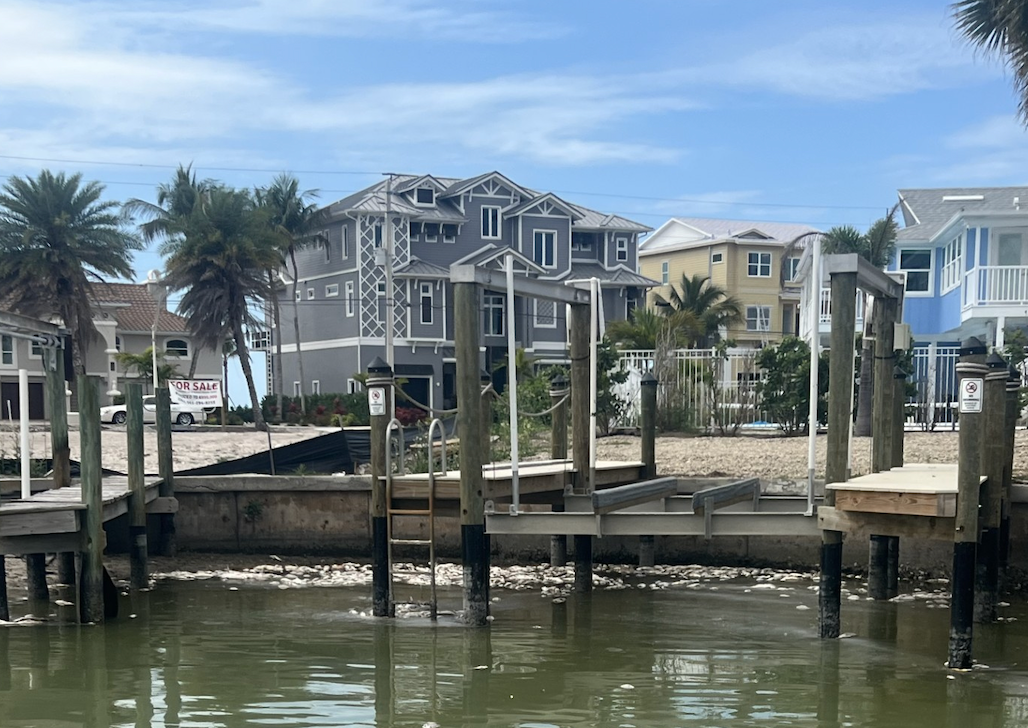
Fort Myers Beach resident Stephen Clark told The Independent he first noticed a “bad smell” on March 12, while boating out of Buccaneer Lagoon, a small waterway in the town. The next day, he saw dead fish in a connected canal.
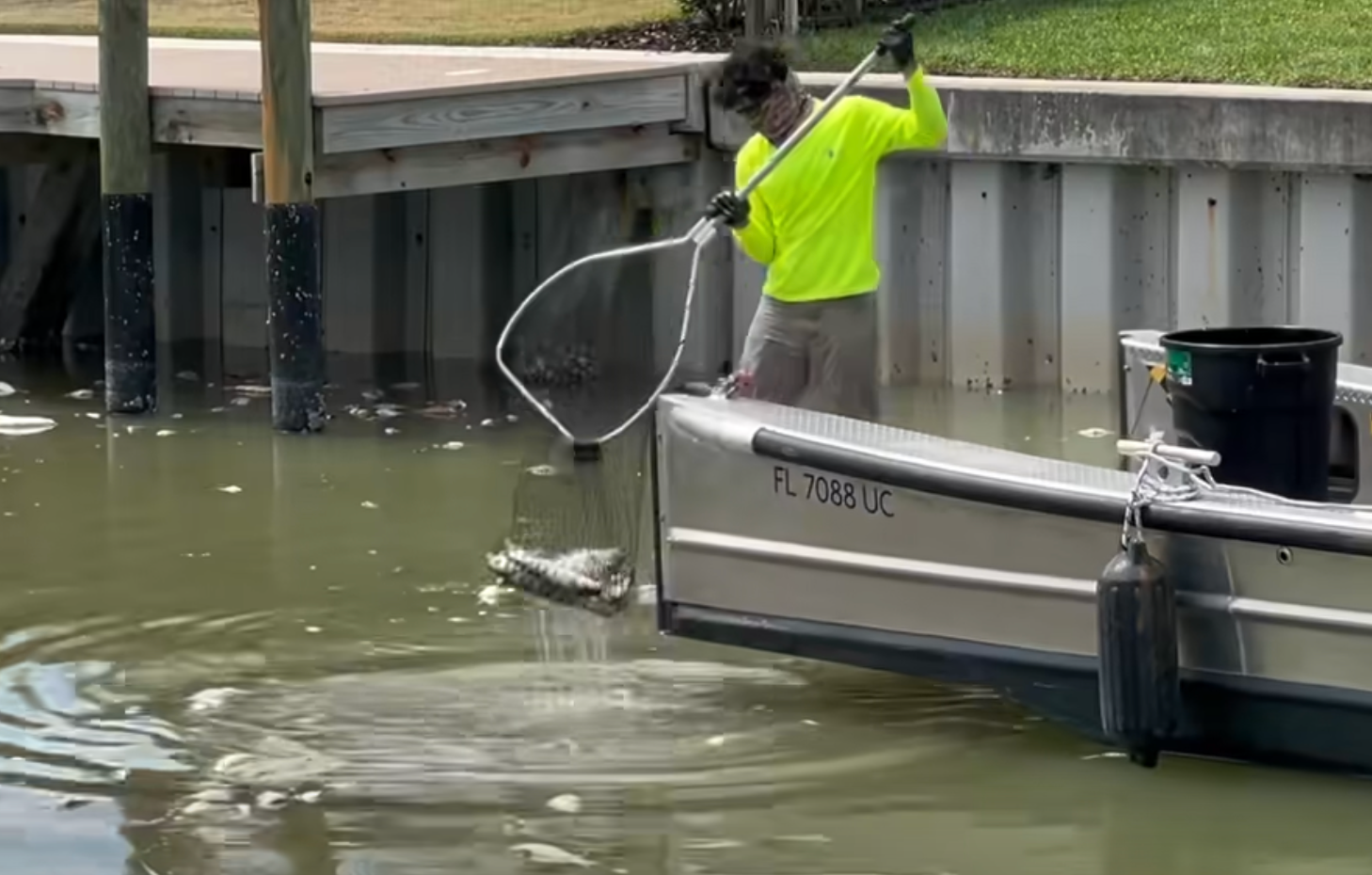
That same day, town officials confirmed they had found “an unusual number of dead fish” in Buccaneer Lagoon and launched an investigation. Photos and videos from the scene showed large groups of dead fish floating on the water’s surface.
Researchers determined the fish were likely killed by low oxygen levels in the water, town officials announced Wednesday. Now, they believe fertilizer runoff from nearby properties is the “most likely” contributing factor, Fort Myers Beach Public Information Officer Abigail Eberhart told The Independent.
Fertilizer runoff from nearby properties can deposit excessive nutrients in the water, which can then cause low oxygen levels, according to Chadd Chustz, an environmental projects manager for the town. That’s because high nutrient levels can drive algal blooms, and these organisms can deplete the oxygen in the water.
“So you have a bloom, and they consume the oxygen,” Chustz told The Independent. “Oxygen is depleted, so you have an anoxic condition where the fish suffocate underwater and die.”
“Nobody really knows what caused it in particular,” he added. “But it’s the usual suspects, with a lot of nutrients, causes a bloom, depletes the oxygen, and as a result, we have a fish die-off happening.”
Eberhart explained that town officials can’t “pinpoint or identify exactly which property it came from, and it could be an amalgamation of properties.”
“But we do think, because of the high nutrient content and its composition, it’s likely fertilizer,” she added.
.png)
Chustz explained that a “high number” of “non-toxic dinoflagellates” were found in the water. He also emphasized that the fish were not killed because of a “red tide,” which describes a type of harmful algal bloom that can be toxic to animals and humans alike, according to the National Oceanic and Atmospheric Administration.
“This was actually best case, because it was not red tide, because it was non-toxic to residents,” Eberhart said.
While it’s unclear exactly how many fish were impacted, the estimates are in the dozens, or “at most maybe 100,” Eberhart said. The town also launched a cleanup operation on March 13, and crews retrieved nearly all the dead fish.
“Those fish in there, while they’re decomposing, become a source of nutrients again, and it can become a cycle,” Chustz said.
Now, Chustz is urging property owners to limit their fertilizer use and consider planting native vegetation.
“Native [vegetation] will thrive in the natural environment that is harsh down here, so it doesn’t need that fertilizer to grow,” he said. “So you don’t need to use fertilizer — that, in turn, reduces the amount of nutrient input that we have from stormwater runoff.”
Fort Myers Beach already has ordinances in place restricting fertilizer use to protect the surrounding environment.
These restrictions mean residents can’t apply fertilizer when there are watches or warnings in effect for floods, tropical storms, or hurricanes, according to town officials. Fertilizer use is restricted during spells of heavy rain, or during the rainy season, which spans from June 1 through September 30.
Fort Myers Beach also enforces “fertilizer-free zones,” which includes areas within 15 feet of any water or wetland, and “any impervious surface such as streets, driveways and sidewalks,” according to town officials.
Meanwhile, Clark hopes town officials will continue looking into the issue.
“I hope investigators are looking for a more specific point and cause that could have affected the oxygenation problems that they believe killed the fish,” he said.