



Five advertisements for health supplements, which made unsubstantiated claims about treating symptoms of menopause, polycystic ovarian syndrome (PCOS), and other women’s hormonal conditions, have been banned.
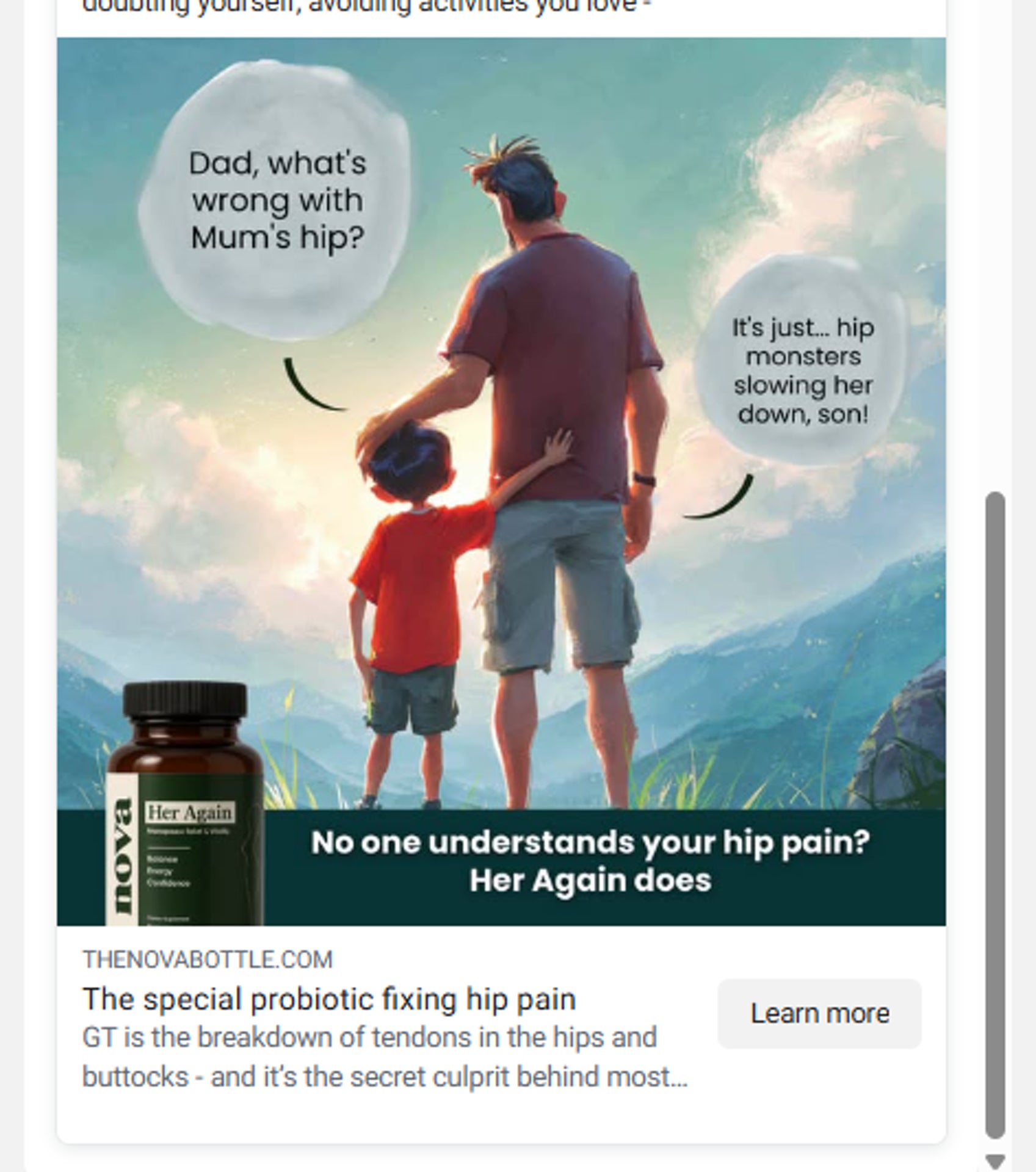
Products from 222 Balance Me, Lunera, Minerva, and Nova Menopause Vitality were among those prohibited for claiming to prevent, treat, or cure menopause symptoms. Separately, PolyBiotics’ ad and website suggested its supplements could prevent, cure, or treat PCOS.
The Advertising Standards Authority (ASA) confirmed the bans, stating it pays close attention to adverts that could exploit people’s health worries, emotional concerns, or financial pressures.
The most recent rulings followed an AI-powered sweep of health claims in online ads by the watchdog, which it said had revealed emerging and ongoing issues around misleading claims.
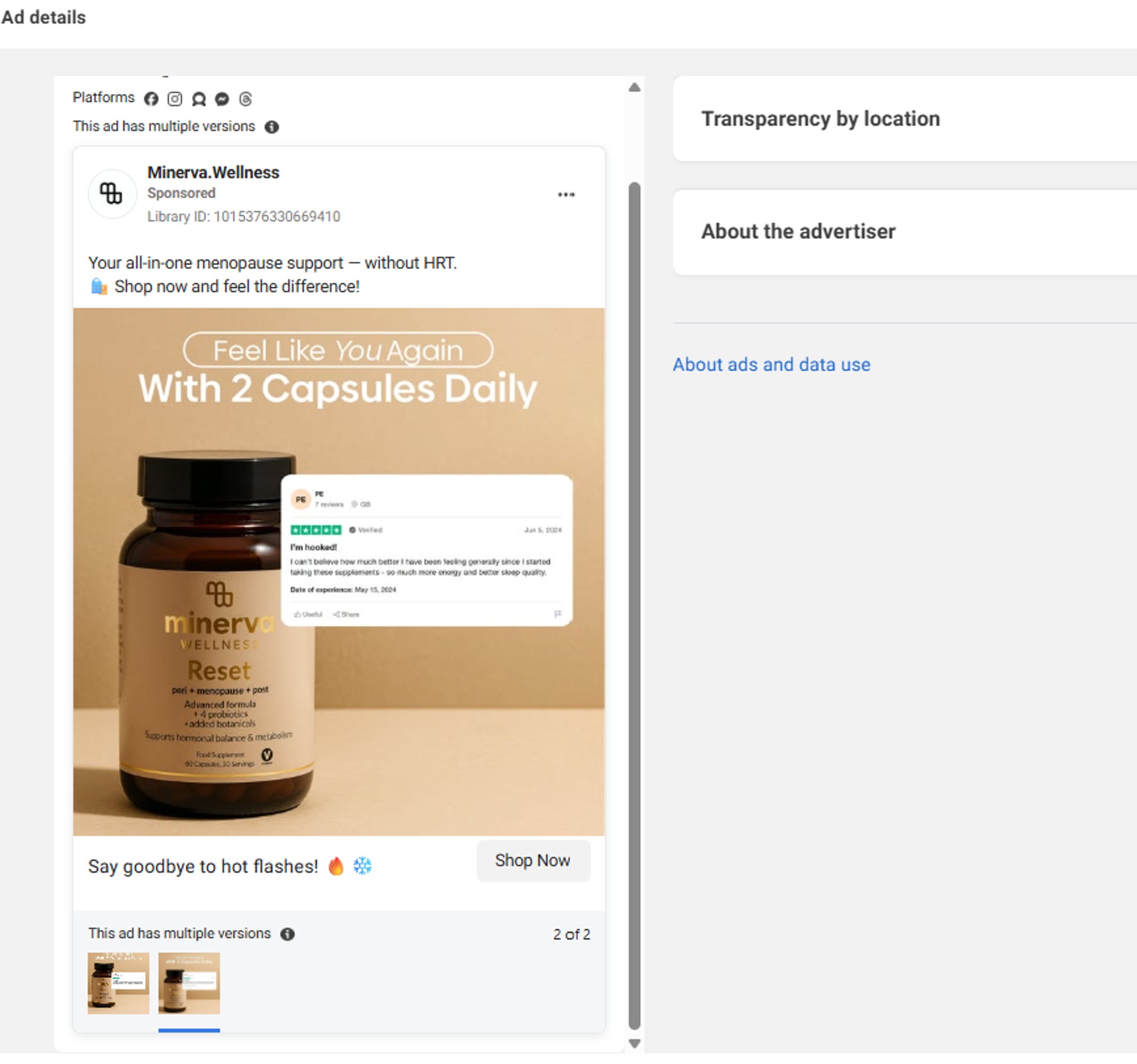
The ASA said “many” of the claims in the ads were “unacceptable” and had not only broken a number of the authority’s rules but risked misleading vulnerable people, or steering those who needed it away from appropriate medical advice.
222 Collective told the ASA it was a new, founder-run small business and still learning about the requirements of advertising regulations.
The firm acknowledged that wording in the ads may have “inadvertently implied that the product could treat or relieve symptoms such as PMS, menopause-related symptoms, anxiety, bloating, heavy bleeding, or mood disorders”.
They had since been working with Trading Standards to ensure they did not make explicit or implied disease or symptom treatment claims.
Lunera said it accepted that its claims would be understood by consumers to attribute a medicinal property to a food supplement and should not have appeared.
PolyBiotics told the ASA it accepted that references to PCOS, ovulation, fertility, cycle regulation, insulin resistance and related symptoms constituted disease treatment or symptom-management claims, which were not permitted for food supplements.
Minerva and Nova did not respond to the ASA’s enquiries.
ASA investigations manager Catherine Drewett said: “When it comes to women’s health, people deserve clear and accurate information.
“Ads making misleading claims about treating symptoms of the menopause, PCOS and other hormonal conditions can cause real harm and today’s rulings hold advertisers to account.
“We’ll continue to monitor this sector closely and we encourage anyone with concerns about an ad they’ve seen to get in touch.”