

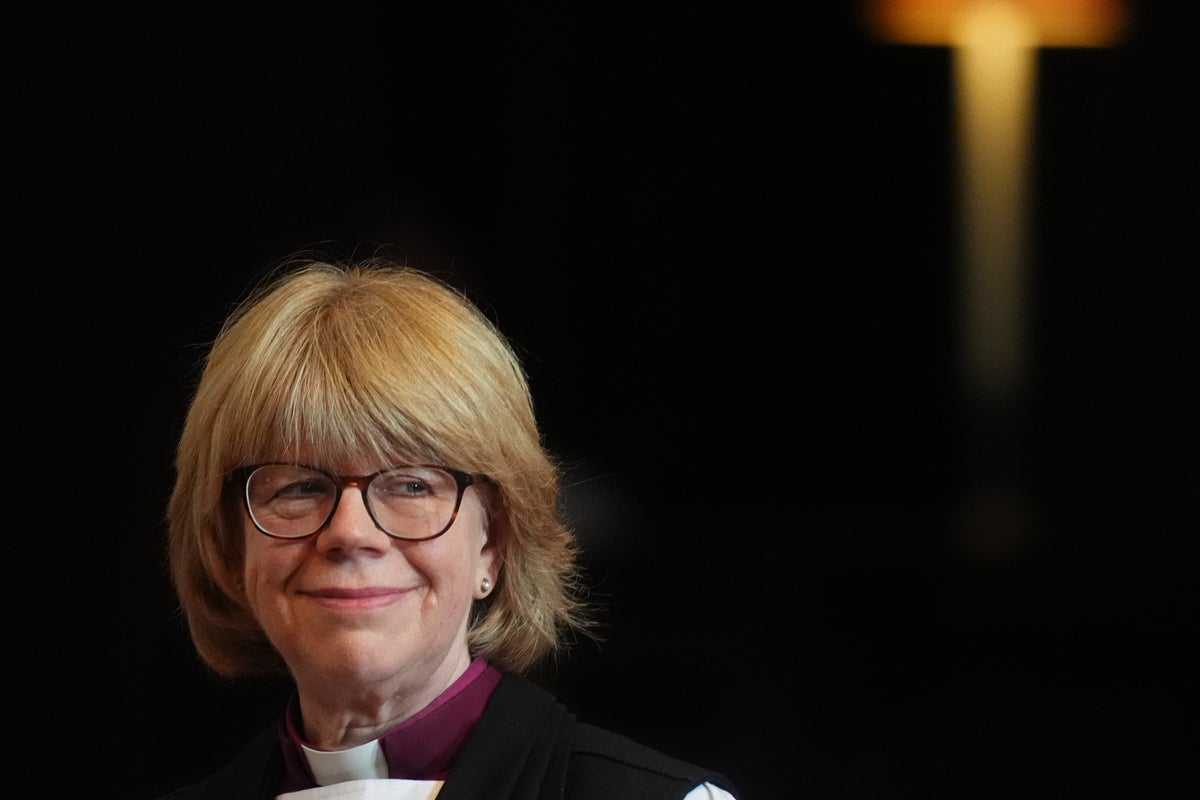
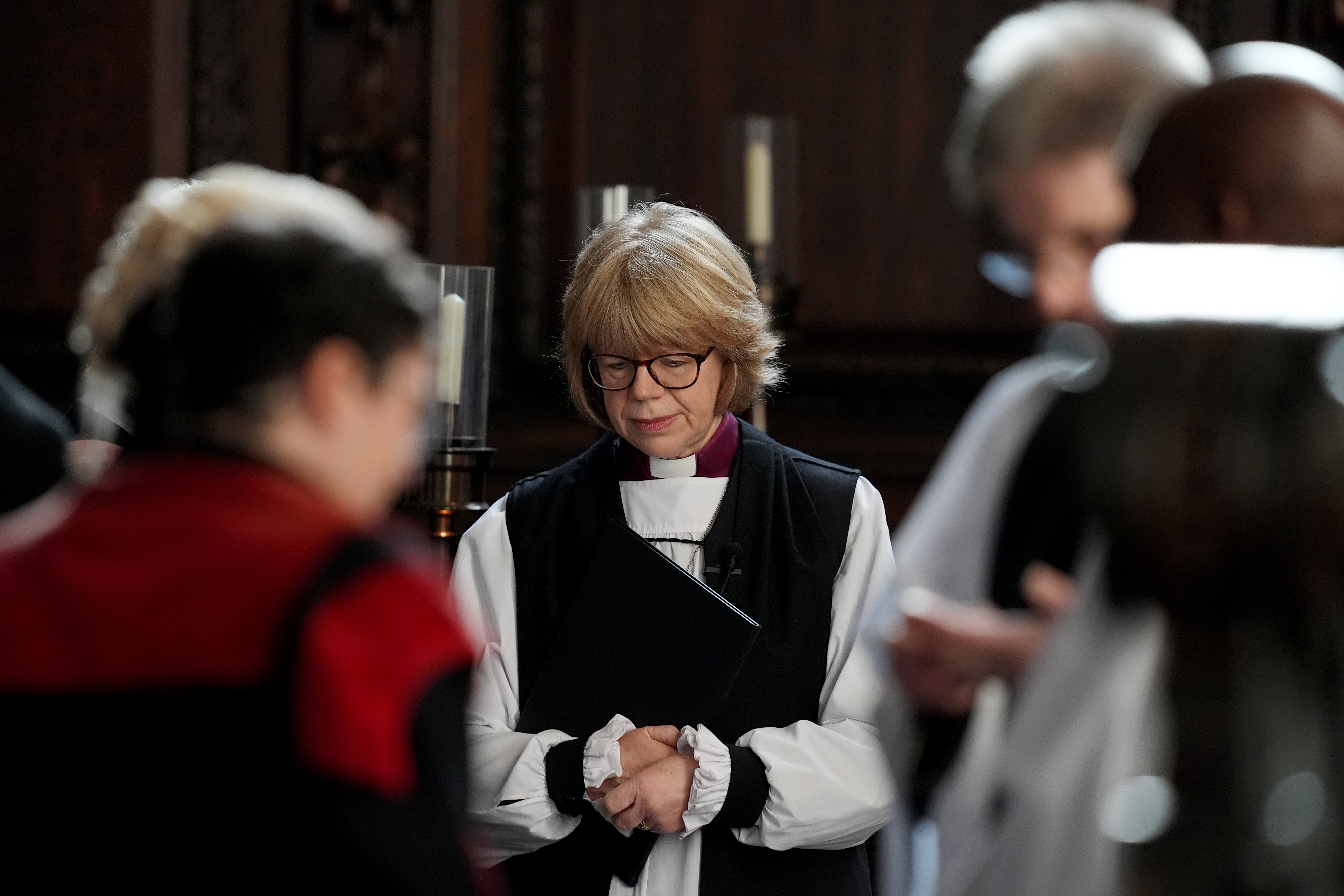
The first female Archbishop of Canterbury has vowed to speak out on misogyny, as she was confirmed in her new role as the Church of England’s top bishop.
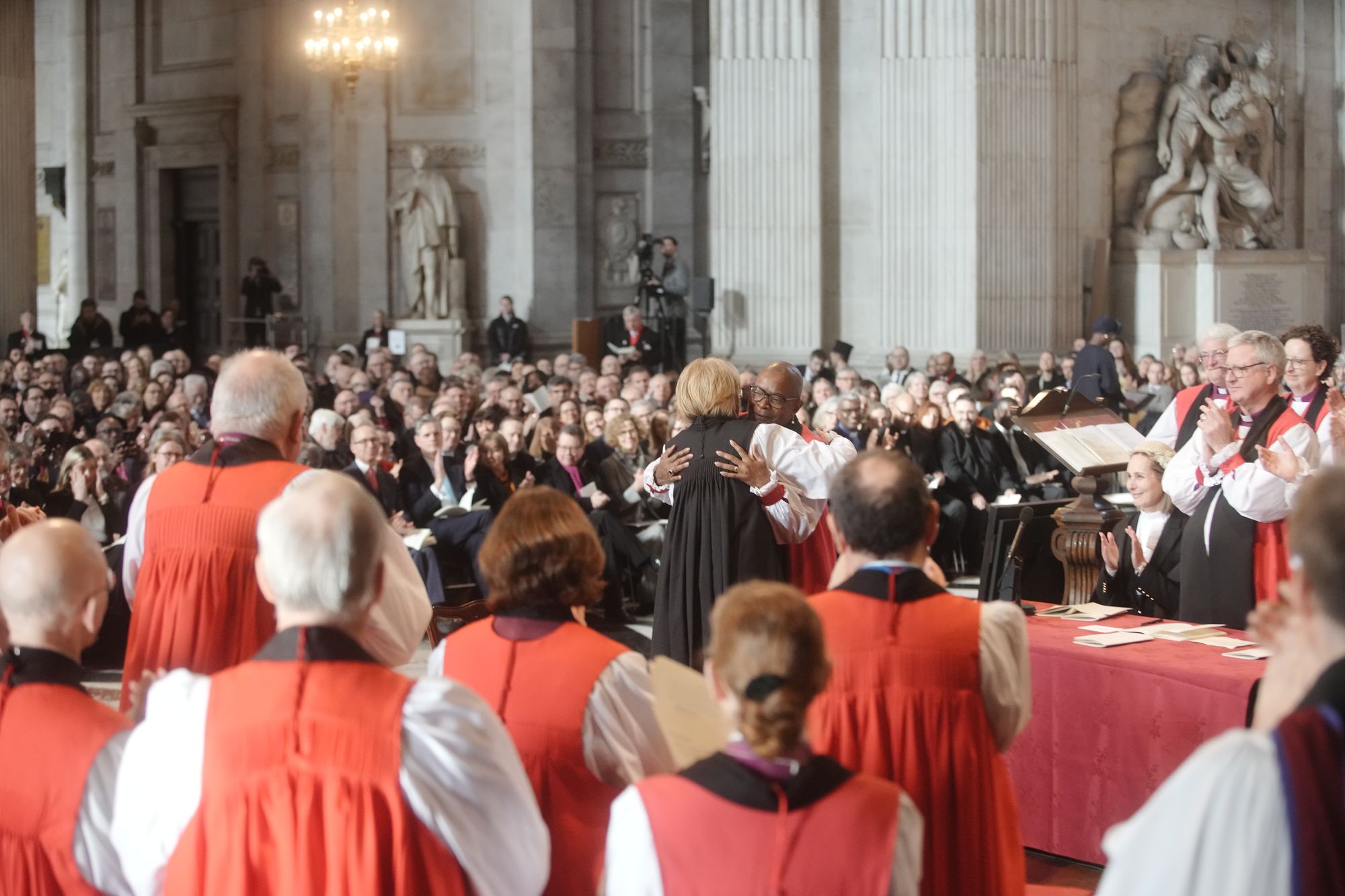
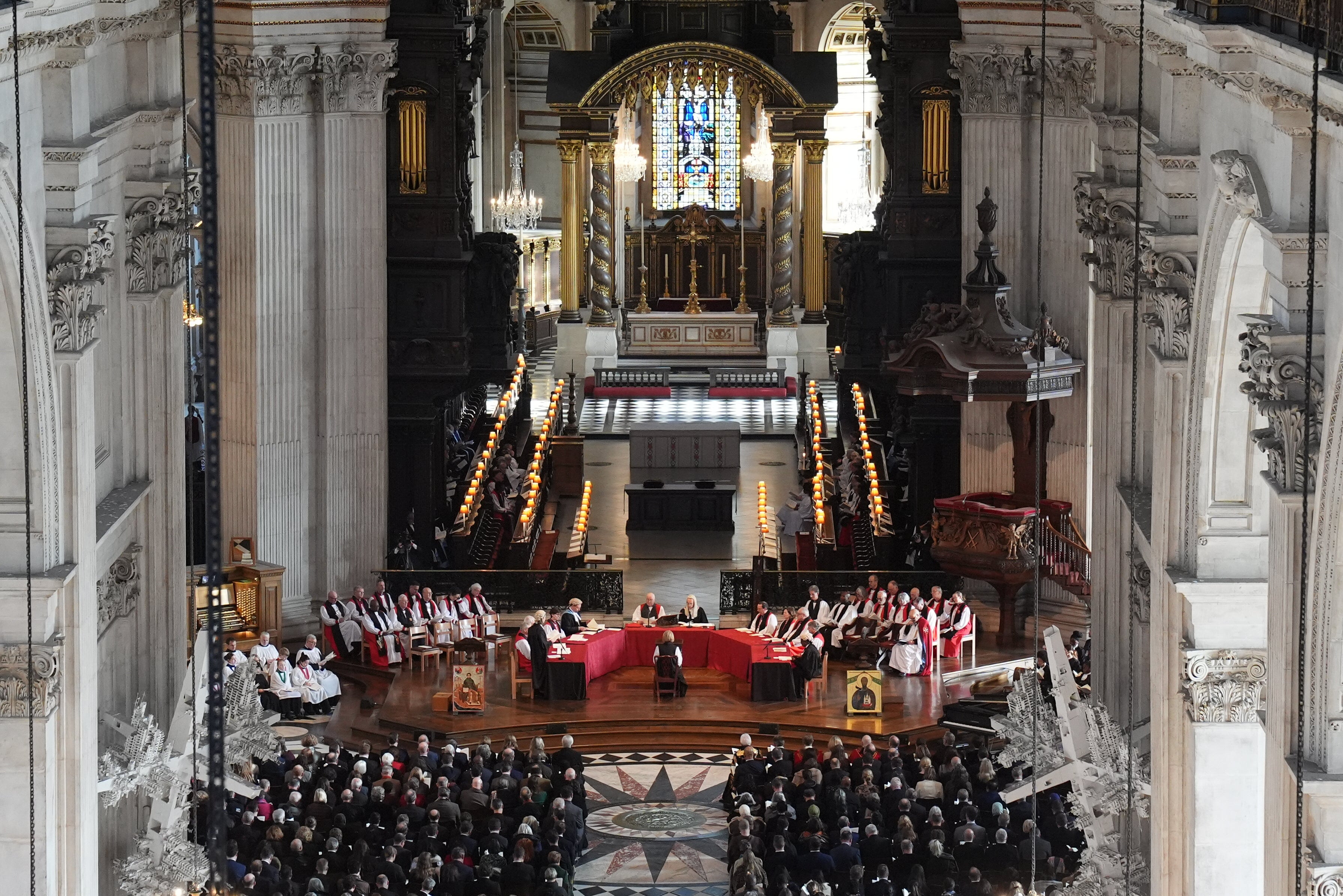
Dame Sarah Mullally took part in a service at St Paul’s Cathedral which legally confirmed her as the 106th person to take up the post, after being named in October as the first woman in the role.
Prior to the service, she expressed her hopes to lead with “calmness, consistency and compassion” in what she described as “times of division and uncertainty for our fractured world”.
Proceedings were briefly interrupted by a heckler, reportedly in religious attire, who was escorted from the cathedral, though their words were not immediately clear.
Archbishop of York Stephen Cottrell said “full opportunity” had been given for lawful objections, but none had been received and the process would therefore continue.
While, technically, the King is head of the Church of England, the person holding the role of Archbishop of Canterbury is the most senior bishop and is the spiritual leader of the Church and the worldwide Anglican Communion.
Dame Sarah, in an interview as she took up her new role, shared her gratitude for the “support of a whole range of people, including men, in my ministry”.
But the former chief nursing officer for England, added: “It is fair to say that I have, both in my secular role as well as in the Church, experienced misogyny at times.”
She said over the years she has learned it must be spoken about “so that you bring it out into the open”.
Last year, while addressing the Church’s General Synod – known as its parliament – her voice cracked with emotion as she told of the “institutional barriers” and “micro-aggressions” women continue to face in the Church.
Asked this week about misogyny in the Church, she said: “I’m conscious that being in this role, it’s important for me to speak of it, because there are some that don’t necessarily have the status or the power of this role, and feel more hesitant to do it.
“But certainly as a Church of England we have seen many changes over the years and I commit myself to making an environment where all people can flourish and which is safer for all.”
Dame Sarah, who was Bishop of London for almost a decade, said she had “always understood that people may find my appointment as a woman difficult in the Church, and what I hope to do is to be able to provide a space where I can offer hospitality to people, where I can listen to what their concerns are and, in a sense, find some way in which we can at least have partnership together in that way”.
She has previously been open about her support for approval of same-sex blessings in the Church, but appeared reticent in her new role to give her personal view on standalone services of blessing for same-sex couples – something the Church is divided on.
She said: “As the Archbishop of Canterbury, I see my role at the moment is to listen to what Synod has to say about that and to continue to hold that space within the Church of England where there are a range of different views on this issue.”
Those gathered at the St Paul’s service – including bishops and clergy, local schoolchildren and those from across the Church and the Anglican Communion – heard that Dame Sarah “steps into history” as the first woman to take the top ministry role.
Between the St Paul’s service and her installation at Canterbury Cathedral, Dame Sarah will meet with Prime Minister Sir Keir Starmer and the leaders of other Christian denominations and other faiths in the UK.
She will also meet with Charles at some point in the intervening period, to pay the traditional homage to the King.
On Sunday, she was pictured speaking with Charles after she delivered a sermon at a service on his Sandringham Estate.
She did not preach at Wednesday’s service and is not expected to before her installation in March, although she will appear at General Synod – the Church’s parliament – in February in London where she will give the presidential address.
On being named last year, Dame Sarah promised to tackle safeguarding failures in the Church, saying the “dynamics of power” must be confronted.
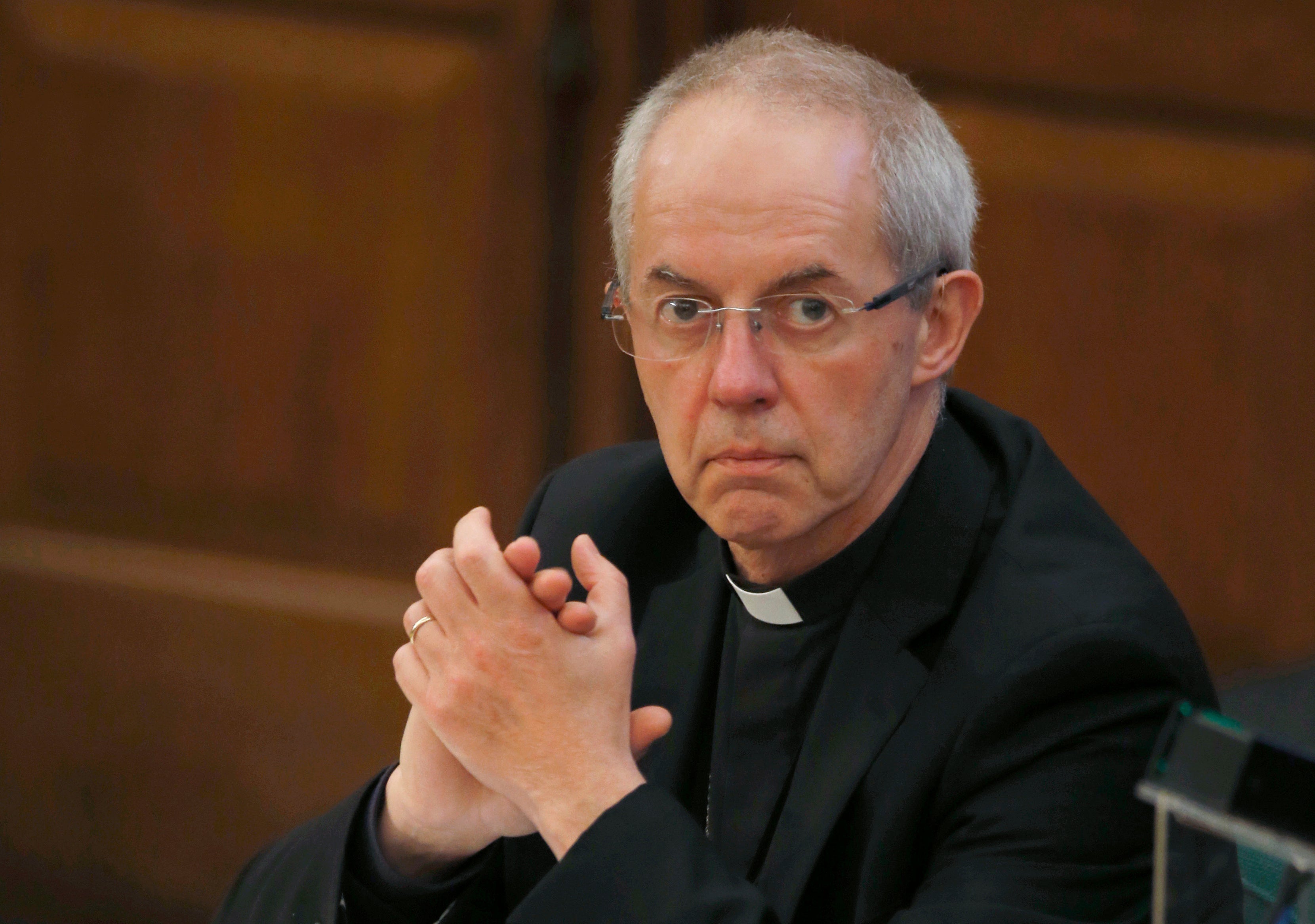
She replaces Justin Welby in the Church’s top ministry role after he resigned more than a year ago over safeguarding failures in the handling of the notorious case of prolific abuser and Christian camp leader John Smyth.
Earlier this month, a complaint against Dame Sarah over her handling of an abuse allegation by a man known as survivor N against a priest in the Diocese of London was dismissed, although it is understood the complainant might appeal against the decision.
Dame Sarah has been described by the Church’s lead bishop for safeguarding, Joanne Grenfell, as having “full commitment to safeguarding – strengthening systems and processes, and improving the culture across a large, complex organisation”.
Ms Grenfell said while “scrutiny is right”, Dame Sarah must also be given “room to lead as we work to grow a safer Church that serves communities across England”.
Mr Cottrell, who has been leading the Church in the interim between Mr Welby’s resignation and Dame Sarah’s official start in the new role, paid tribute to her as having a “clarity of thinking, wisdom, grace and holiness”, which he said “is what the Church needs right now”.