

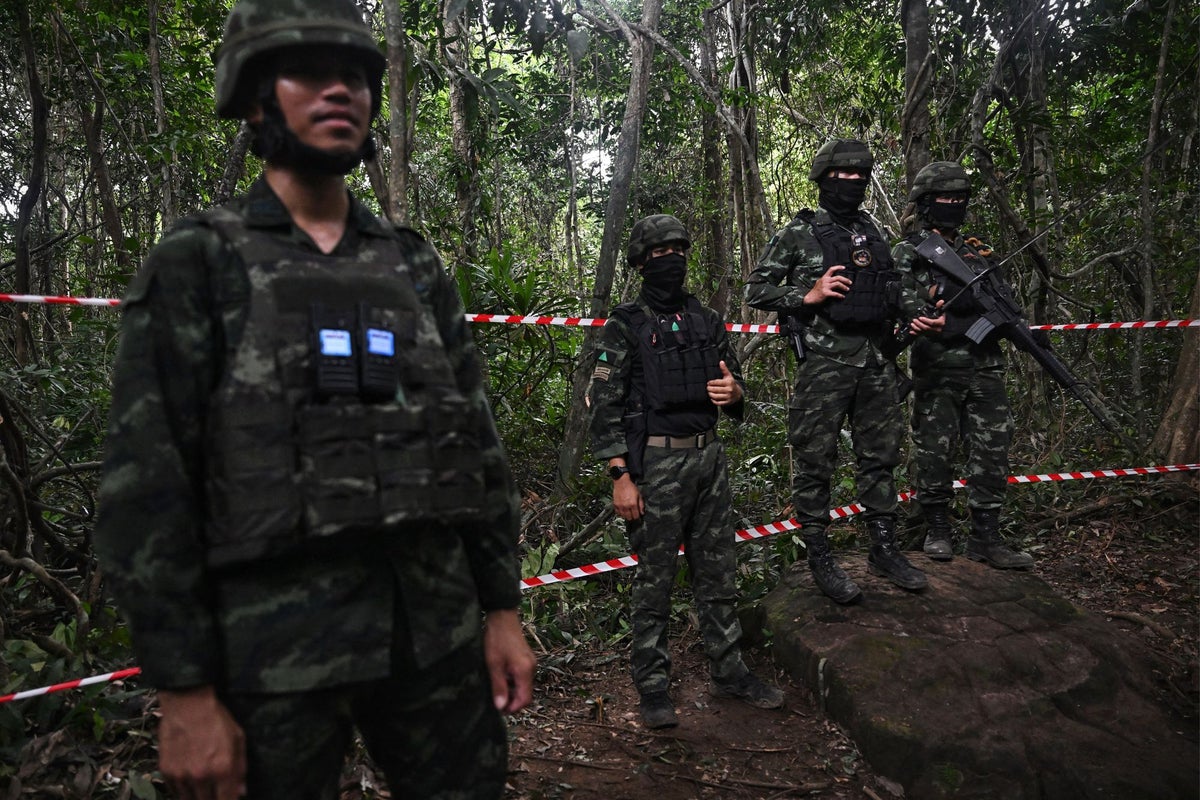
Thailand’s military is reportedly continuing its occupation of civilian areas within Cambodia, barricading some with barbed wire and shipping containers, thereby threatening a fragile truce between the neighbours who clashed on two occasions last year.
Cambodian Foreign Minister Prak Sokhonn stated that as many as 4,000 Cambodian families remain displaced from their homes along the disputed frontier due to these Thai incursions.
This comes despite a December agreement that had brought an end to weeks of fierce border clashes.
“The Thai military is still occupying territories well inside Cambodia,” Mr Sokhonn declared on Tuesday from Phnom Penh, the capital, in a rare interview, identifying at least four border locations as sites of incursion.
He added: “The situation remains calm, but there are some risks as well. So we hope that Thailand will remain committed to the full implementation of the ceasefire.”
In response, Thai military and government officials referred to a 12 January statement from Thailand’s foreign ministry, which dismissed Cambodia’s accusations as “baseless”.
“The maintenance of current troop positions following the ceasefire constitutes direct compliance with agreed de-escalation measures,” the Thai ministry said. “This cannot be misconstrued as territorial occupation.”
With fighter jet sorties, exchanges of rocket fire and artillery barrages, the two neighbours battled for 20 days in December, following a July round of clashes that ended after calls by U.S. President Donald Trump.
Boundary talks
The December fighting killed 101 people and displaced more than half a million on both sides, in the latest flare-up of a century-old dispute between the countries that has occasionally exploded into conflict.
In recent weeks, Cambodia has asked Thailand for a meeting of the Joint Boundary Commission, a two-way effort to demarcate the border, but Bangkok has not confirmed its participation, according to Prak Sokhonn.
“The occupied village (issue) will be a priority for us because we need to solve those problems in order to allow our people to go back home,” he said.

Thailand’s foreign ministry said it was finalising internal procedures for the talks, which would happen after a new government takes office following a February 8 election.
“The Thai side reiterates its full commitment to resolving differences through bilateral mechanisms and intends to resume JBC activities at the earliest,” it added.
Besides an understanding not to beef up troops on both sides of the border, the December 27 truce also agreed on the return of displaced civilians.
“The two waves of fighting have caused a lot of damage, to both civilian life and infrastructure,” Prak Sokhonn added, destroying bridges, schools, pagodas, roads, and buildings.
Chinese efforts
Although Trump was instrumental in halting the July clashes and then oversaw the signing of a wider ceasefire deal in October, his calls proved unsuccessful in immediately ending the second bout of fighting.
Besides efforts by Trump and Malaysian premier Anwar Ibrahim, Prak Sokhonn also outlined China’s involvement in the latest truce, such as key visits by a special envoy to Bangkok and Phnom Penh in late December.
“He met our prime minister, our defence minister, myself,” he said, also outlining similar meetings on the Thai side.
“So it was a very, let’s say, active contribution from China.”
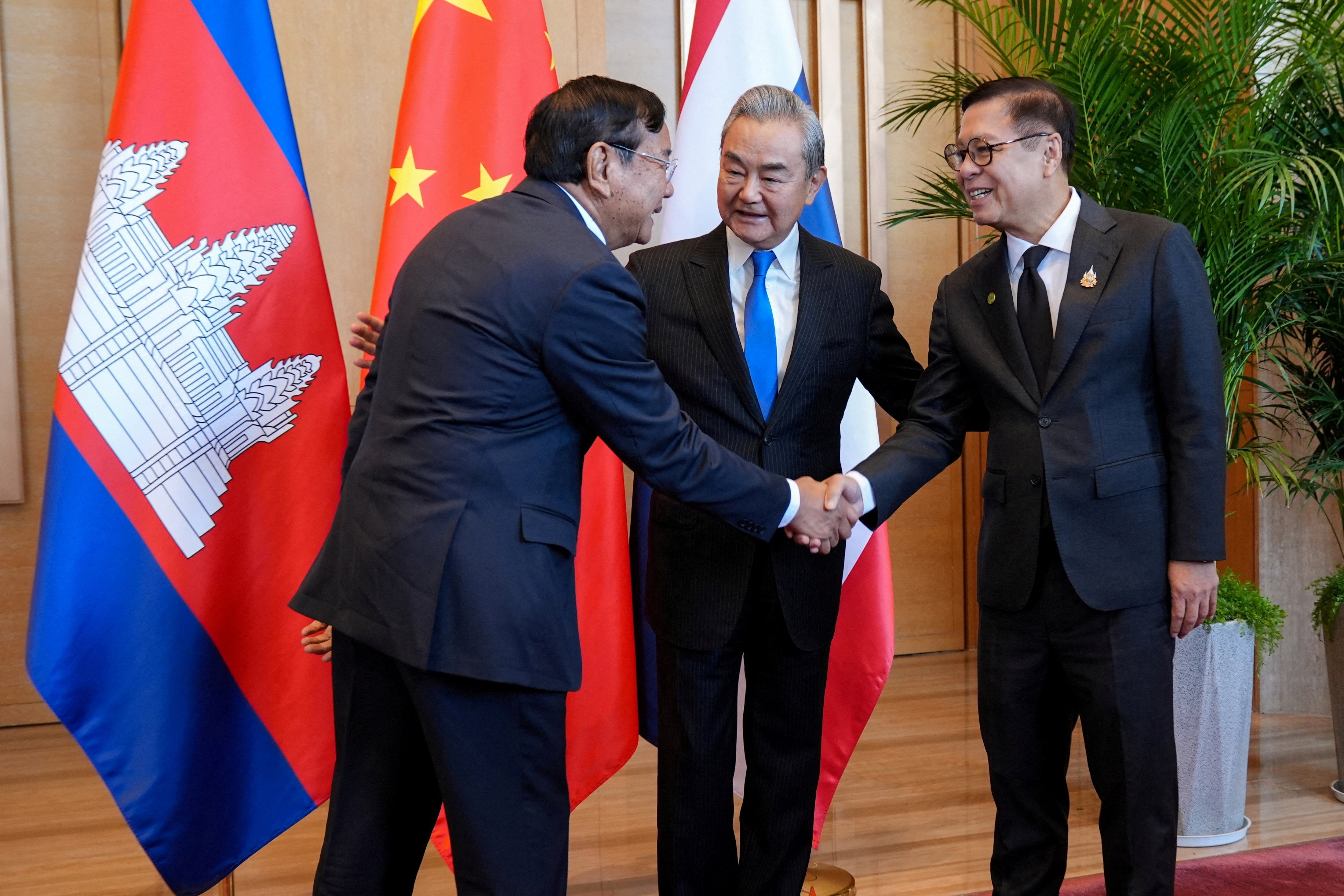
Two days after the latest ceasefire, the top diplomats of China, Thailand and Cambodia met in the southwestern Chinese province of Yunnan, where the combatants agreed to rebuild mutual trust.