


Americans across nine states are being urged to avoid eating a select number of recalled oysters and clams, which may have been contaminated with norovirus.
The U.S Food and Drug Administration issued a press release Monday to tell retailers and restaurants not to serve or sell certain shellfish products thought to be contaminated. The alert has been sent to food businesses in Arizona, California, Florida, Georgia, Illinois, Nevada, New York, Oregon and Washington that have purchased recalled Manila clams.
The recalled clams were harvested by the Lummi Indian Business Council and have the harvest dates between February 13 and March 3, 2026.
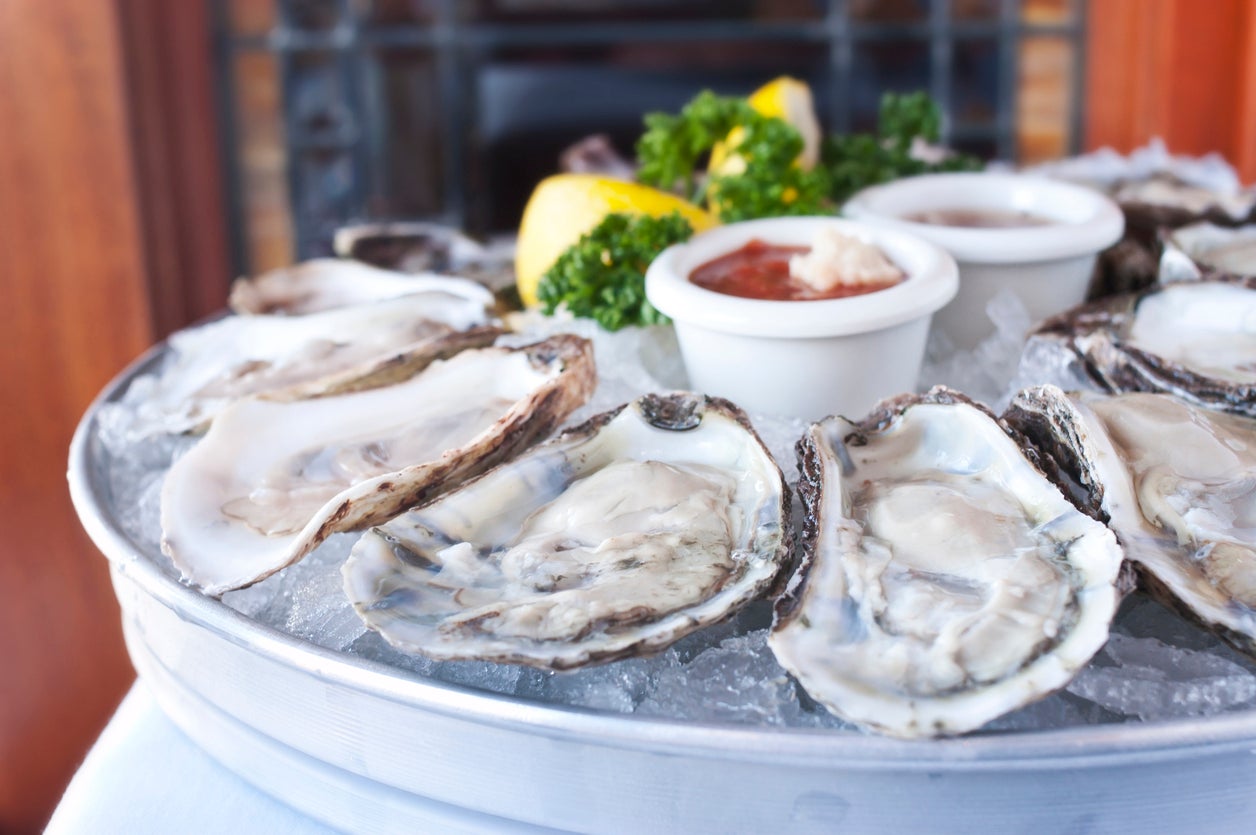
In addition, consumers in Washington are being urged not to eat a select batch of recalled raw oysters, harvested by Drayton Harbor Oyster Company. The products also have the harvest dates between February 13 and March 3, 2026.
The FDA is awaiting further information on the distribution of the oysters and the Manila clams, with plans to assist state authorities as needed. At the time of writing, there haven’t been any illnesses reported due to the shellfish products.
According to the FDA, people infected with norovirus may have diarrhea, vomiting, nausea, stomach pain, fever, headache and body aches.
Norovirus can lead to dehydration, especially in young children and older adults. People with compromised immune systems could also experience a severe illness if they consume food contaminated with norovirus.
Symptoms usually develop between 12 and 48 hours after being exposed to norovirus, with most people getting better in one to three days.
Last month, the FDA issued warnings to restaurants and food retailers in several states about norovirus carried in seafood products. They warned establishments in California, Colorado, Florida, Hawai’i, Illinois, Maryland, Nevada, New York, Pennsylvania and Washington, which had purchased oysters from Kusshi, Chrome Point, Stellar Bay, or Stellar Bay Gold brand oysters harvested by Stellar Bay Shellfish Ltd. from British Columbia, Canada.
The FDA advised that those products should not be served or consumed because they may have been contaminated with norovirus.
According to the CDC, there are about 2,500 reported norovirus outbreaks in the United States each year.
Usually, norovirus outbreaks happen when infected people spread the virus to others through direct contact, such as sharing food and utensils. In addition, any food, water and surfaces contaminated with the virus can spread it.