

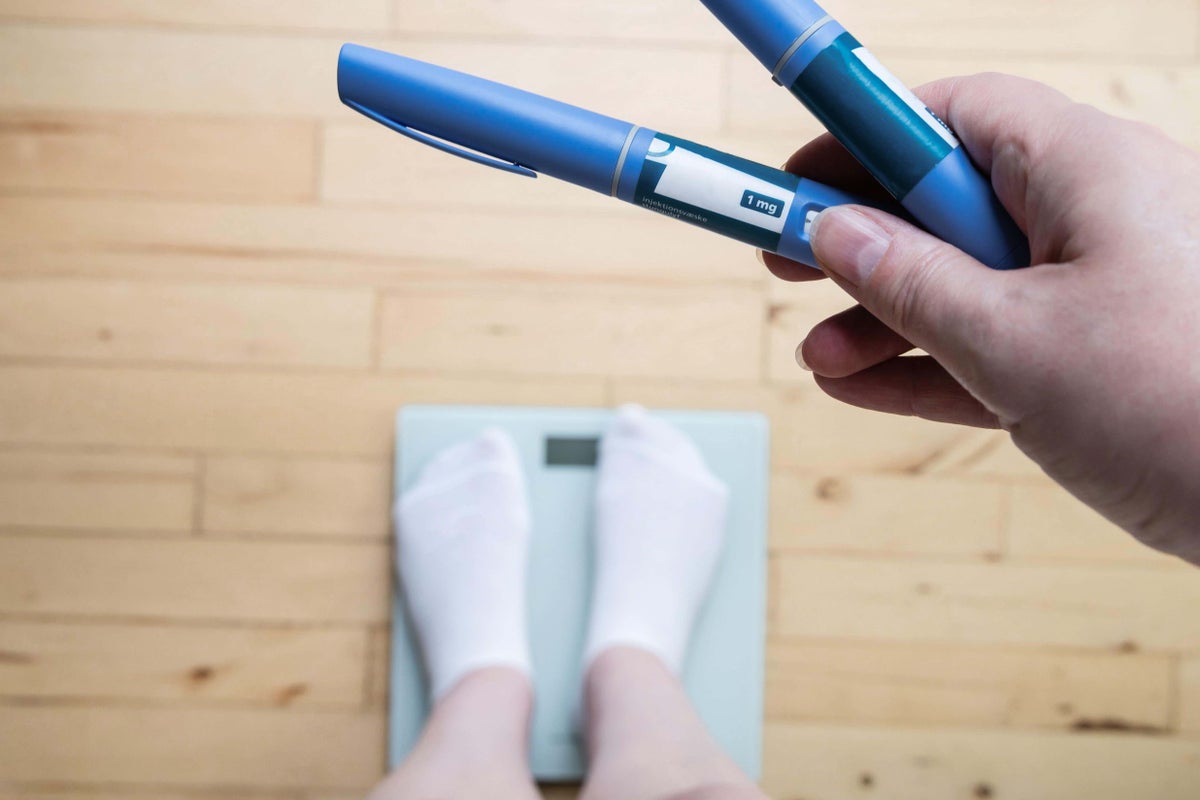
More than 6,500 counterfeit or unlicensed weight loss injections have been seized in the UK in the past three years, new data has revealed.
The “deeply concerning” figures show the UK’s medicines regulator has made a sharp rise in seizures of illegal GLP-1 receptor agonists, raising significant concerns over patient safety and the worrying increase in weight loss treatments obtained via the black market.
The products confiscated included products claiming to contain semaglutide, tirzepatide and retatrutide. These drugs are active ingredients in popular weight loss jabs, with semaglutide marketed under names such as Wegovy, Ozempic and Rybelsus, while tirzepatide is sold under the name Mounjaro.
Weight loss jabs, also known as GLP-1 receptor agonists, work by mimicking the natural hormone that regulates blood sugar, appetite and digestion. An estimated 1.6 million adults in England, Wales and Scotland used weight-loss medications between early 2024 and early 2025, according to a study released by UCL this month.
However, as demand has soared, the researchers found one in seven of those are using the drugs not licensed for this purpose, with many spending hundreds of pounds on purchasing the medications privately in a bid to lose weight.
And the new figures from the Medicines and Healthcare products Regulatory Agency (MHRA), obtained by UK online pharmacy Quick Meds via Freedom of Information requests, show that users are increasingly reaching for black market options.
Over the last three years, it was found that a total of 6,526 falsified or unlicensed weight loss injections were seized by the MHRA. In 2023, 407 were seized, but by 2025, this number had shot up to 5,851.
According to the data, significant quantities were discovered through inland investigations, rather than at UK borders, pointing to a growing domestic black market.
Ahsan Bhatti, pharmacist and owner of Quick Meds, warns that counterfeit injections pose serious risks to patient safety, as their dosage, ingredients, and storage conditions cannot be verified.
He said: “The MHRA’s latest seizure figures are deeply concerning. These non-compliant injectables are a genuine risk to patient safety as we are unable to verify how they’ve been manufactured, whether they’ve been stored safely, let alone whether the dosage is even correct.”
He warned that fake or unlicensed injections may contain incorrect or dangerous ingredients, deliver inconsistent or unsafe doses, or be contaminated due to poor manufacturing standards.
Mr Bhatti strongly warned people against trusting weight loss jabs being sold on social media platforms, messaging apps or via unverified websites.
He said: “The results are simply not worth the risk of injecting unidentified medication into your body, no matter whether you’re eligible for weight loss jabs or are simply looking for a quick fix – it has the potential to cause no end of harm to your health.
“Ultimately, the only real way to ensure you’re in receipt of a safe and legitimate product is by ordering GLP-1 medication from registered, regulated pharmacy providers.
“Anyone who suspects sellers of providing counterfeit goods should report them immediately to the MHRA via its Yellow Card scheme.”
The Independent has contacted the Department of Health and Social care and the MHRA for comment.
Six signs your weight loss injections could be fake
Mr Bhatti advises patients to be on high alert when it comes to the warning signs, sharing his advice for spotting potentially dangerous or counterfeit weight loss pens:
- There are no eligibility checks in place, such as clinical consultation or health screening – regulated weight loss medications always require a prescription.
- Prices are significantly lower than those of regulated providers – if something seems too good to be true ,it probably is, especially when you are being quoted significantly lower than the average market price for the dosage.
- There is no registered UK pharmacist involved in obtaining the drugs. You should also be able to easily identify whether the pharmacy is registered with the General Pharmaceutical Council (GPhC).
- You can easily spot packaging errors or missing patient information. While there are some good copies out there, legitimate weight loss medications are packaged in high-quality, well-designed, branded packaging. They will also always contain an information leaflet. Keep an eye out for blurry text, spelling mistakes and logos that are not high-quality.
- You will be asked to pay for your goods via unofficial channels, such as a direct bank transfer rather than an online payment portal.
- Products may be shipped out to you without temperature control, such as cool packs, to ensure unopened pens are stored correctly at the specified temperature before being transferred to your fridge.