
From the outset of the US-Israeli war with Iran a fortnight ago, the by-comparison trivial ramifications for the start of the 2026 Formula One season have long felt inevitable. That very weekend, the sport’s tyre supplier Pirelli cancelled a scheduled test in Bahrain, with McLaren and Mercedes personnel left stranded after the sudden closure of air travel in the region. It served as an appropriate case study, and now, with no end to the war in sight, the appropriate decision has been made.
Confirmation came late on Saturday night – just as teams awoke in Shanghai ahead of Sunday’s Chinese Grand Prix – that both the Bahrain GP and Saudi Arabian GP, scheduled for 12 April and 19 April respectively, have been cancelled. Neither race will be replaced, shortening the season to 22 races. It will cost F1 in the region of £100m in hosting fees.
Yet mercifully, on this occasion, money hasn’t talked. While it is understood Saudi promoters of the Jeddah race fought hard to keep their spot in the calendar, a simple culling puts to bed any lingering safety concerns for the sport’s 2,000-plus travelling circus, as well as nervy organisers hosting thousands of spectators. F1 needed to make a call, given the need to transfer freight that is not needed at the next race in Japan to the Middle East. But that wasn’t the primary motivator.
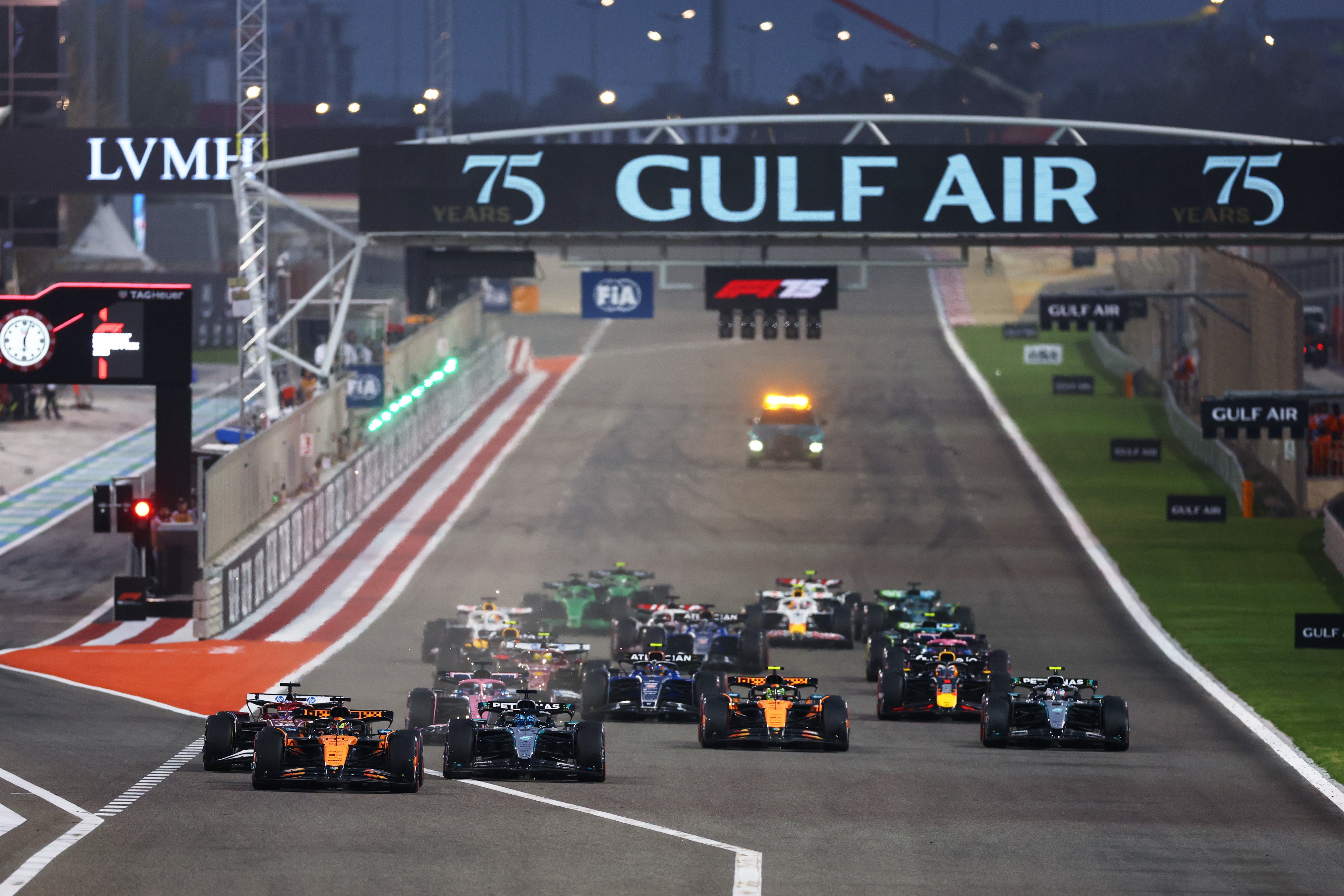
Even if, in the best-case scenario, the war ended tomorrow, it would be completely unsavoury for F1 to race in the Middle East currently. The region is no place for the sport’s glitz and glamour right now. Nor would it be in a month.
Just a day after Donald Trump launched his first strikes on Iran, retaliatory missiles targeted several countries in the Middle East. One Iranian drone struck the Crowne Plaza in the heart of the Bahraini capital of Manama, a hotel which regularly houses F1 staff but, reports state, was housing US embassy and defence personnel. The Sheikh Isa Air Base was also hit, while several residential buildings were hit by drones and falling debris in Manama, with one woman killed and dozens injured. Most recently, on Thursday, a missile started a fire near the airport on Muharraq Island.
While the capital is 30km from the Sakhir circuit, it plays host to staff, media and fans during a grand prix weekend. Amid the devastation, Bahrain does not need the added weight of a Formula One race to think about. Frankly, it is somewhat strange that the sport was conducting testing there just four weeks ago, given the recent developments.
Murmurs at the season-opener in Melbourne last week were that a cancellation was on the horizon. F1 had already been forced into drastic alternatives after flights from international hubs in Doha and Dubai were cancelled. Chartered flights via Singapore and Tanzania transferred all required personnel to Albert Park. How swiftly F1 has reacted is indicative of a sport acting at its peak right now, not at the whims of one man, a la Bernie Ecclestone.
It’s not the first time in recent memory, either, that F1 has reacted rapidly and appropriately to a changing political forecast. Just one day passed after Vladimir Putin’s Russia invaded Ukraine in February 2022 before F1 cancelled its contract with the Russian Grand Prix in Sochi. Two weeks later, Haas’s Russian driver Nikita Mazepin – son of oligarch Dmitry Mazepin, who was an associate of Putin – was sacked with immediate effect.
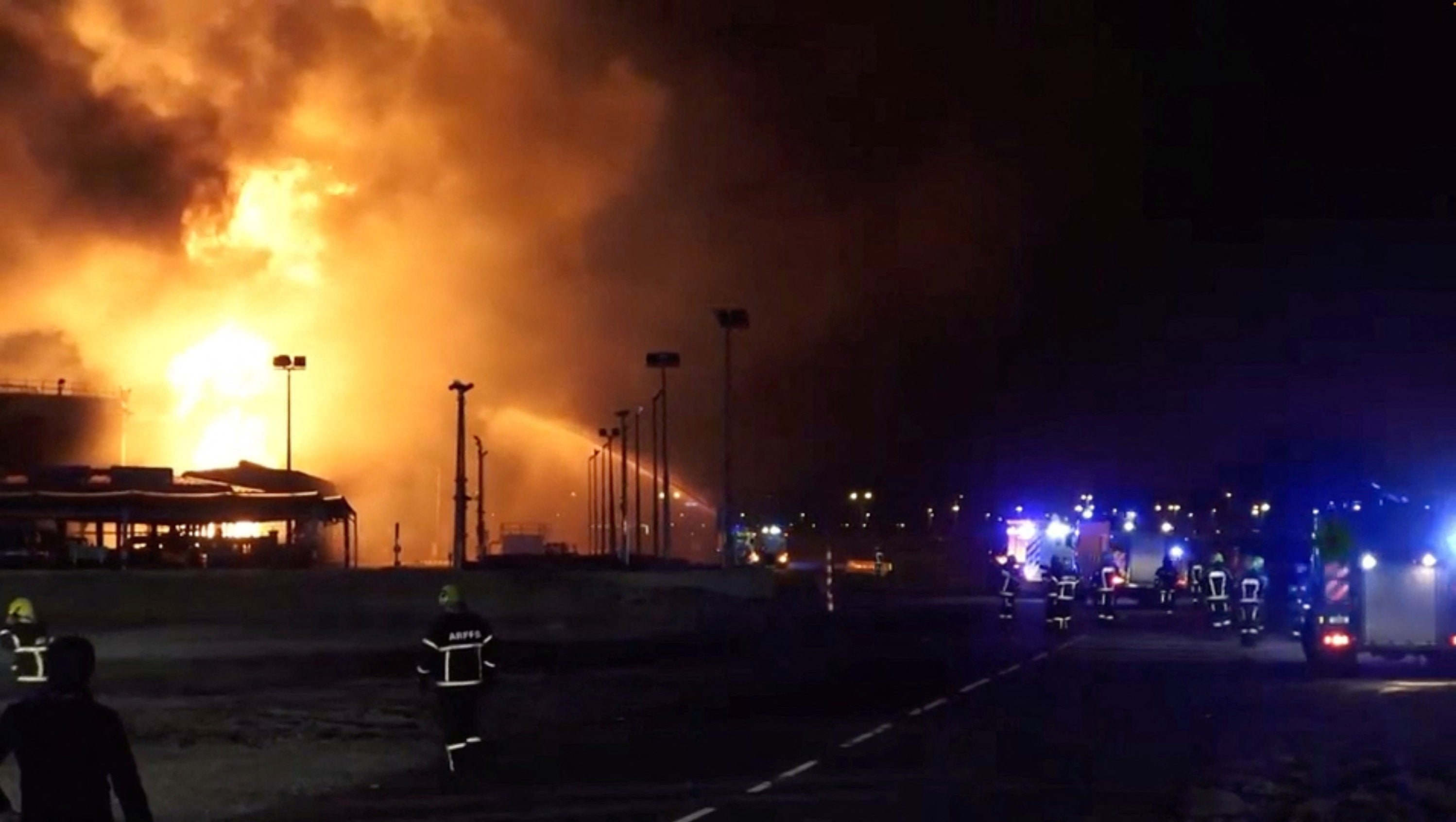
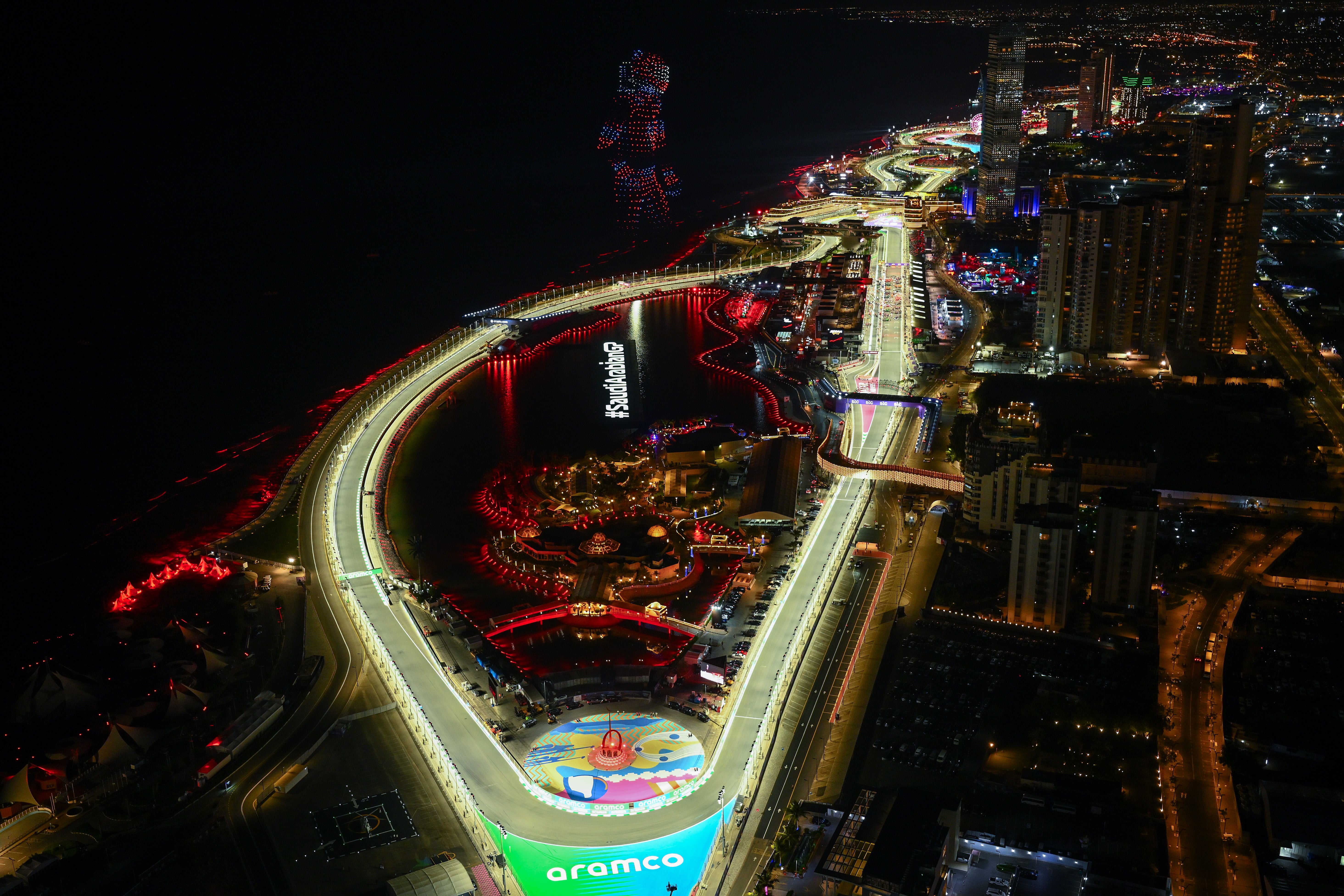
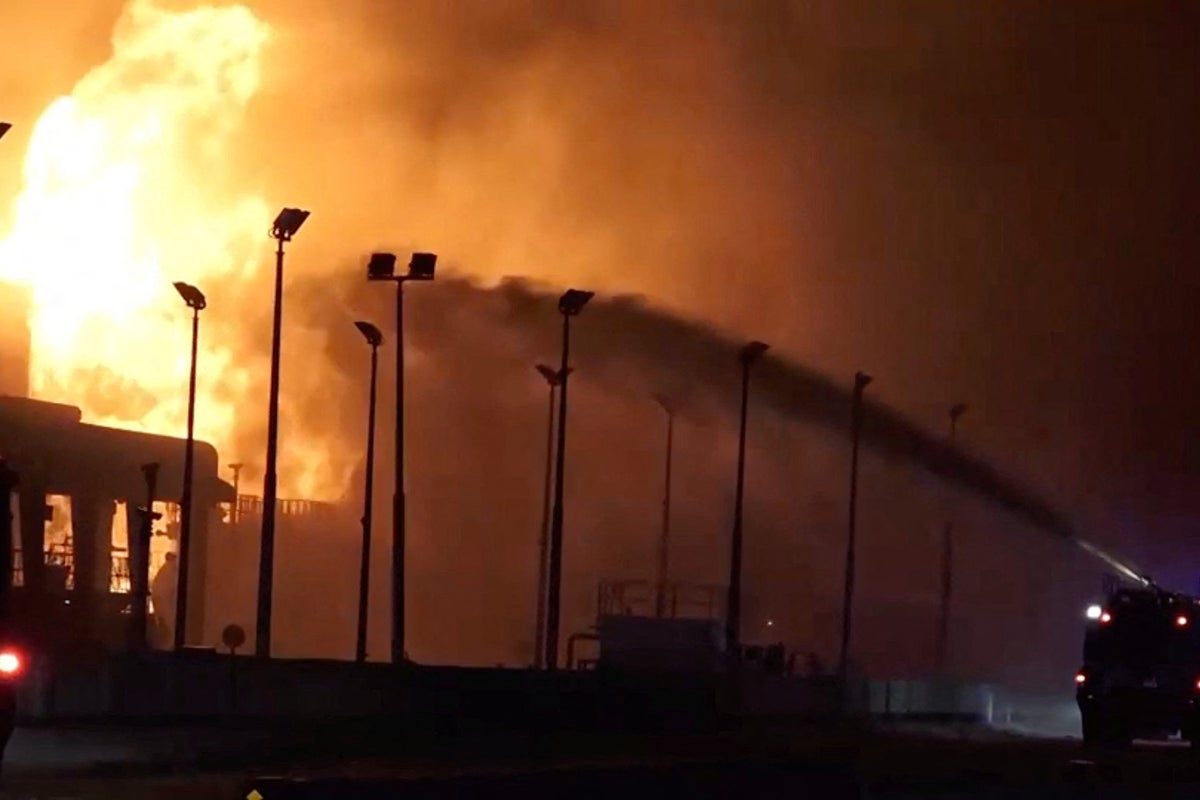
Weeks later, a missile and drone strike from Yemen’s Houthi rebels hit an Aramco (Saudi state oil company) storage facility in Jeddah, just seven miles from the circuit on the city’s corniche. The smoke was visible from the paddock, but after security assurances from Saudi authorities and late-night meetings with the drivers, the race went ahead without incident.
F1 is also in a different headspace from five years ago, when the coronavirus pandemic meant a makeshift calendar was organised at short notice. With a record-high 24 races a year – a number already seen as too many by some, given the strain on personnel and resources – missing two events will damage F1’s coffers, but not irrevocably. Saudi has the joint-highest host fee, alongside Qatar, at around £55m; Bahrain is closer to £45m.
But the sport’s financial security – with an estimated value of £16bn right now – means the cancellations will not have a severe impact. It is for this reason that alternative venues in Europe, such as Le Castellet in France, Istanbul Park in Turkey, Portimao in Portugal and Imola in Italy, were briefly considered but ultimately ignored. The last-minute logistics involved, for personnel, fans, hosts and security teams, would all be too much. Instead, the sport will have a five-week gap between Suzuka (29 March) and Miami (3 May).
While it remains to be seen what the sporting impact will be, given the premature stage of the season, which appears set to be dominated by Mercedes after George Russell’s win in Melbourne, with teammate Kimi Antonelli landing pole in China ahead of a probable second win from two races for the Silver Arrows.
The chasing pack will now have a month off to develop and assess and, potentially, close the gap. In recent years, the intertwining of sports and politics has often led to financially-motivated decisions. For the good of the show, we are told. Thankfully, F1 has put that focus to one side on this occasion. For the good of the sport – and the region.