


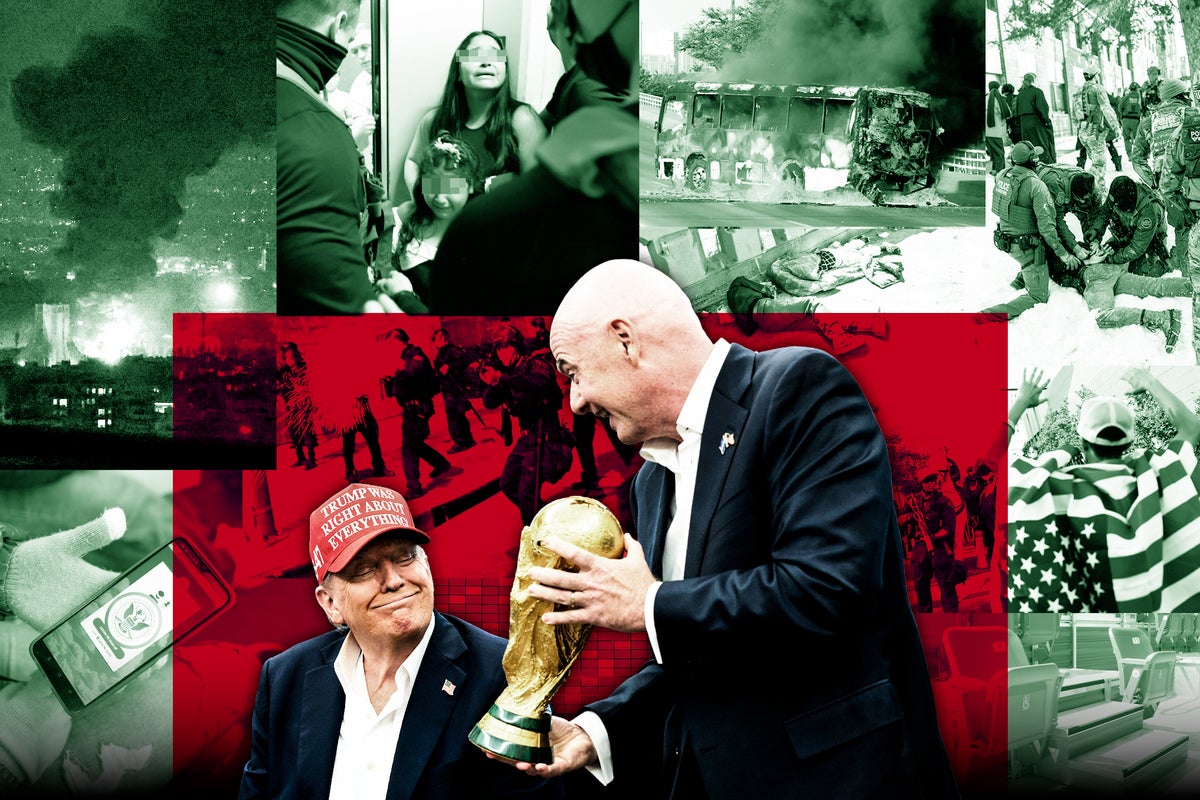
Months before World Cup 2026 got underway, senior figures within Fifa already found the planning hadn’t been going “as expected”. And that’s saying something. When the hosting of Canada-Mexico-USA was confirmed back in 2018, after all, the widespread feeling in football circles was that it was a return to the “familiar”.
Two of the countries had already hosted three of the most successful World Cups of all, and the promise in the bid-book was that this would be “low-risk and operational certainty”. It of course greatly aided such feelings that another promise was about record revenue projections of $14bn.
A first full tournament under Gianni Infantino’s presidency was intended to be a badly-needed move away from the inherited issues of Russia and Qatar, which were two of the most politicised World Cups of all time.
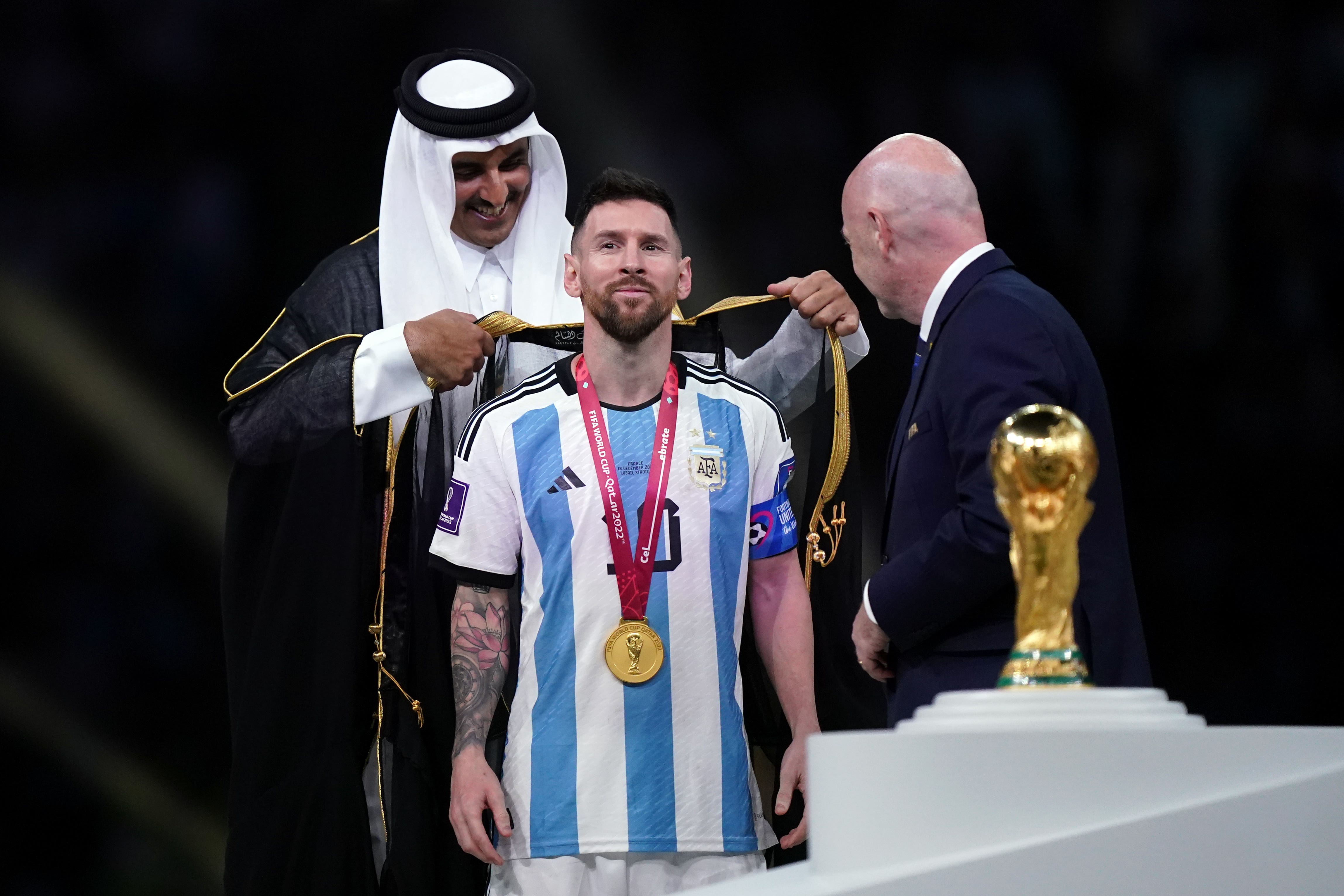
In other words, the World Cup could get back to focusing on what actually matters, the football… and the money it can generate.
Nothing could have been further from the truth. This tournament has arguably been even more politicised, in a number of different ways. Far from the “familiar”, or even things not going as expected, the 2026 World Cup has thrown up more problems that have been utterly unprecedented than in the competition’s entire 92-year history.
By far the most grave of those is a World Cup host starting a war against one of the participant nations, as happened with the USA’s attack on Iran at the end of February. The tournament has never witnessed anything like that.
If it was almost any other country, the debate would be about moving it, or boycotting.
Even before that landmark conflict, though, tournament figures were already grappling with far more issues than they knew how to handle.
If 2026 doesn’t have a moral travesty so central to the very staging of the tournament like Qatar’s use of “slave labour”, and it is still held in a liberal democracy unlike Russia, the unique nature of the US state and its relationship with its co-hosts has created a series of more disparate problems. An Amnesty report even described the USA as “facing a human rights emergency” around the World Cup, in particular regarding the “chilling threat” posed to fans and even players by the US Immigration and Customs Enforcement (ICE).
The money that Fifa were so greedy for is actually just one other element, creating a cost prohibitive to football’s actual global support and even expanding the tournament to such an obscene size that it might well dilute the good that the competition is all about.
It says a lot about the 2026 World Cup that these are among the least of its issues…
The Iranian war and a host attacking a qualified nation
When news started to filter through that Iranian Supreme Leader Ayatollah Ali Khamenei had been killed in a US strike, the Fifa leadership were at Hensol Castle in Wales for the 140th Annual General Meeting of the International Football Association Board and listening to an opera singer, as they desperately scrolled their phone for news.
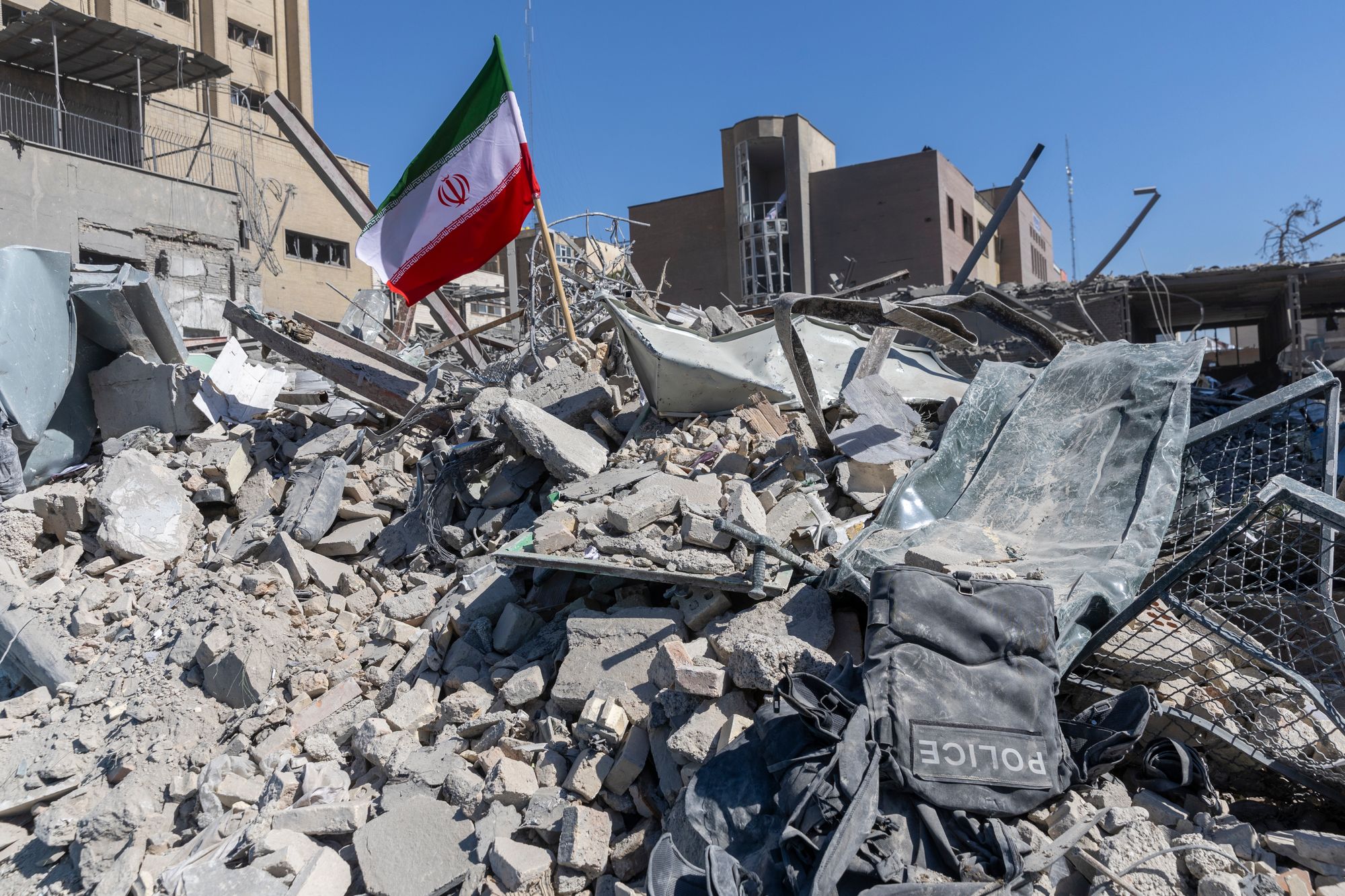
They already knew this was going to be the gravest issue around this World Cup, and Fifa’s biggest test. Concerns like that, and even Iran’s very participation, still seemed utterly trivial when it emerged that 168 people – including 110 children – had been killed after a missile hit a primary school in Minab. The Iranian squad wore lapel pins highlighting the atrocity on landing in Mexico on Monday, having been denied both a base in the United States and visas for many staff.
Again, regardless of opinions on the conflict, it is a historic landmark for the tournament. Nothing like this has ever happened before, and if it was any other country there would doubtless be debates about the tournament being stripped.
Instead, most of the focus has been on whether the Iranian national team – who have their own complex relationship with the state – can even play in a competition they fairly qualified for. The conflict is meanwhile now in its 102nd day, and set to weigh over this entire World Cup – including a potential knock-out meeting between Iran and the US.
US foreign policy and the Russia parallel
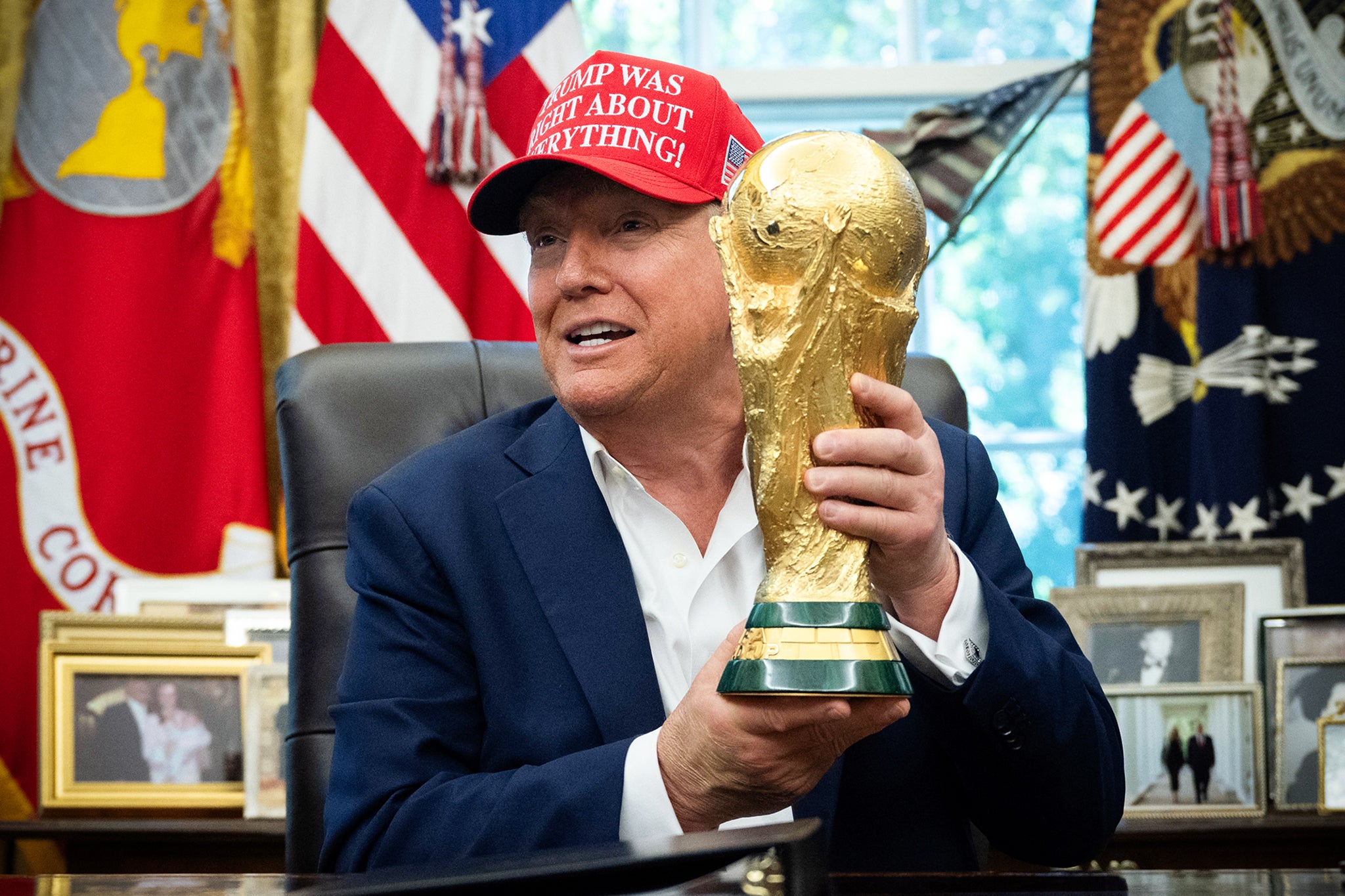
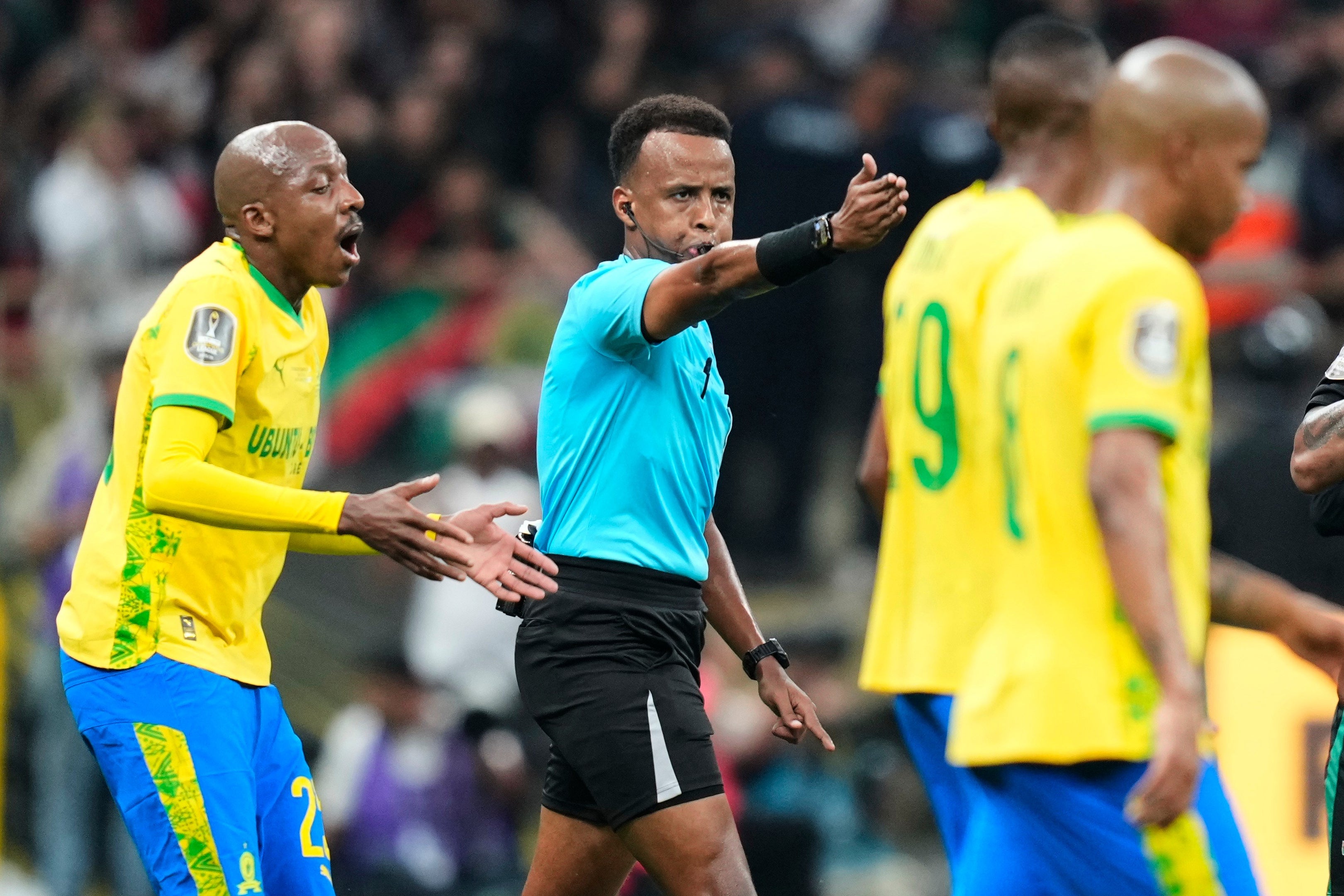
Such have been geopolitical developments that the Fifa Peace Prize has gone from a controversy in its own right to the mere punchline of a particularly bad-taste joke. Since Infantino obsequiously handed Donald Trump the award, the US has carried out military operations in four different countries – including Iran – to take it to 12 (depending on certain interpretations) since this World Cup hosting was awarded in 2018.
This is already far more than any other host from the point of being granted the tournament, but more relevant is what human rights groups like FairSquare would term as acts of aggression: those “unprovoked, uninvited and not sanctioned by the UN Security Council”.
Venuzuela and Iran would fall under this, to go with issues like: the kidnapping of a foreign head of state; extrajudicial killings in the Caribbean; the sanctioning of International Criminal Court Judges and the withdrawal from the UN Human Rights Council, the World Health Organisation and UNESCO.
While the foreign policies of hosts have historically been cast as generally separate to the staging of a World Cup, the parameters have now shifted due to the banning of Russia for the invasion of Ukraine. Multiple human rights groups and international bodies have pointed to US support for Israel in what a United Nations panel concluded was a “genocide” in Palestine. FairSquare meanwhile describe how Trump’s “dismantling of the international system and rule of law have been given the Fifa seal of approval”.
Visa issues and the breaking of World Cup principles
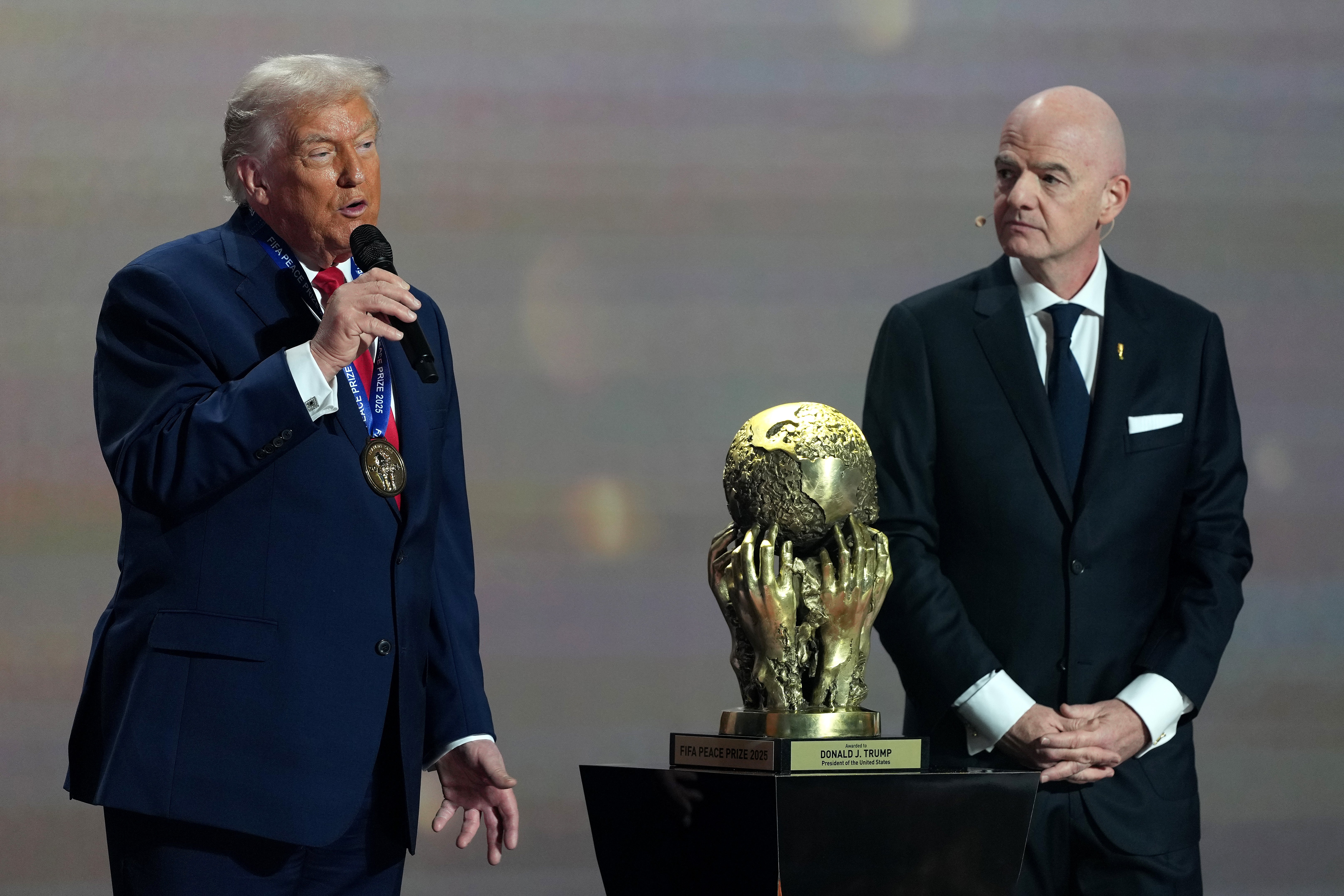
By far the biggest controversy on the eve of the tournament, and also one that articulates so many of the other issues. A mere two days before the World Cup started, celebrated Somali referee Omar Artan and numerous Iranian staff were denied entry. Iraq striker Aymen Hussein was questioned for hours on his arrival in Chicago, while the Senegal and Uzbekistan teams were subjected to heavy security searches in country.
Again, it’s telling that this has never previously been an issue at any modern World Cup. This is because a contractual condition of hosting the tournament is free movement for participants. As Infantino himself said in 2017: “It’s obvious when it comes to Fifa competitions, any team, including the supporters and officials of that team, who qualify for a World Cup need to have access to the country, otherwise there is no World Cup.”
And despite the repeated flagging of potential issues for 2026, Infantino said only last year: “There is a lot of misconception out there. Everyone will be welcome in Canada, Mexico and the United States for the Fifa World Cup next year.” That has not proven to be the case.
And while Fifa is now hardline insisting it is “not involved in host country immigration processes”, that is rather different to the stance taken when Indonesia refused entry to the Israeli team for the under-20 World Cup in 2023. They were promptly stripped of hosting, with Fifa vaguely talking of “current circumstances”.
This controversy looks all the worse for Fifa given how the Trump administration’s attitude to certain countries – and especially Muslim countries – had long been flagged, and facilitating this was one of the justifications for their relationship. As it is, the very course of the tournament could be affected by unequal treatment of certain teams. It says much that Russia and Qatar were seen as much more welcoming.
The Infantino-Trump relationship
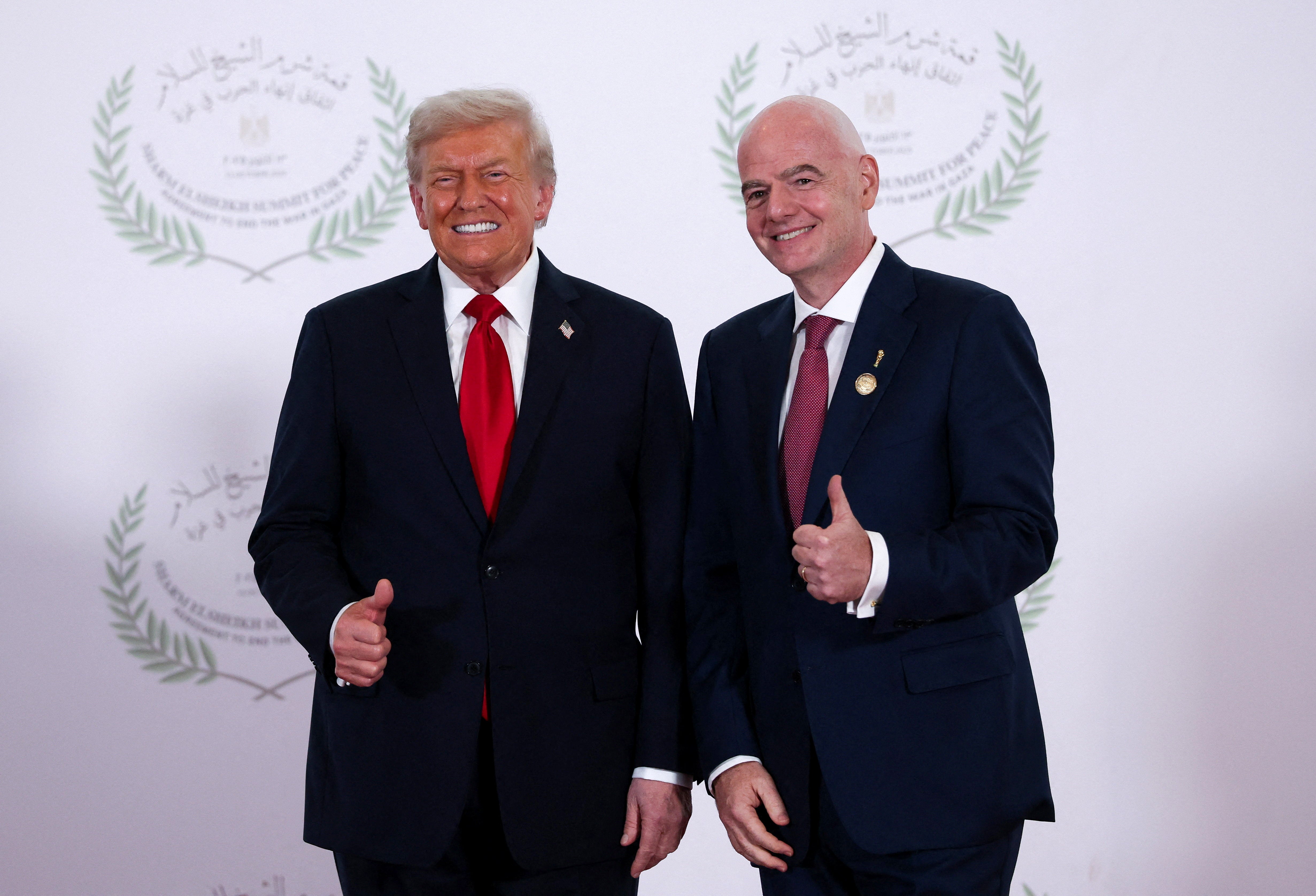
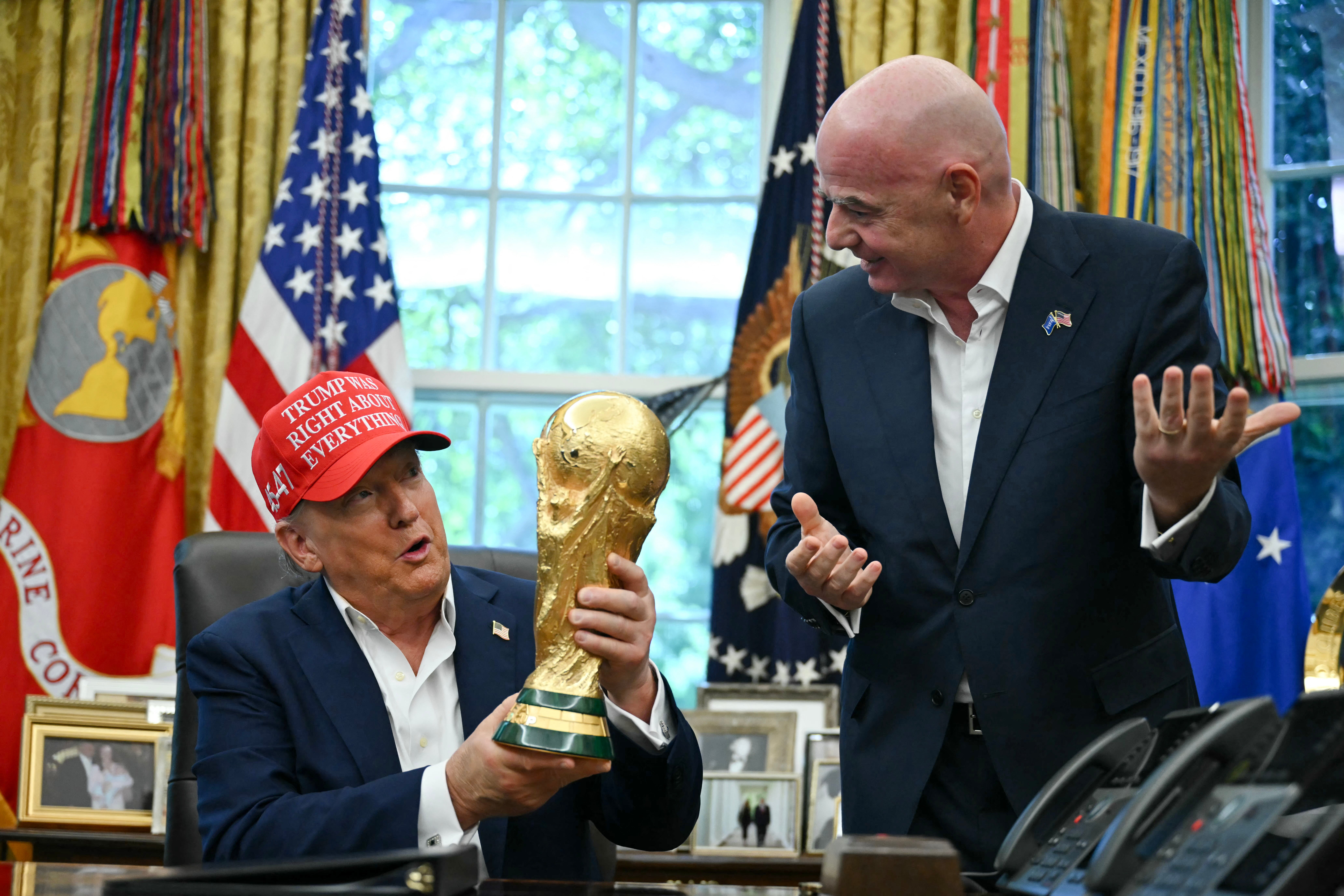
The visa issue should only put more focus on yet another unprecedented aspect of this tournament, which is the depth of the relationship between the current presidents of Fifa and the United States. There’s never been anything like it, not even Joao Havelange and General Jorge Rafael Videla or Infantino with Vladimir Putin.
Fifa insiders long argued that a constant placating of Trump was necessary due to how his erratic nature could cause chaos for the tournament, but we are seeing that anyway. Issues like facilitating visas were supposed to be precisely one of the justifications for this cosying up.
The total lack of help on many World Cup-related details instead begs the question of why Infantino engaged in this, given the relationship went against Fifa statutes. The global governing body are supposed to be politically neutral, specifically so they can adequately navigate complex geopolitics. Infantino has nevertheless been a fixture at so many Trump political events including his inauguration.
It is all the more conspicuous that this didn’t happen with the previous Democrat administration. A feature of Infantino’s presidency has been proximity to authoritarian-facing premiers and even autocratic leaders, but the relationship with Trump is of another level to anything else. It raises a core question over how the World Cup is being used.
The “MAGA World Cup” and “sportswashing”
With most of the World Cup’s internal issues coming in Democrat cities, and Democrat-leaning entities like US Soccer largely excluded, this World Cup already has a very “red” tinge.
The Independent reported as long ago as March 2025 that multiple football figures were talking about Fifa facilitating “the MAGA World Cup”. “Trump is going to use it to promote his political ideology,” as one senior source said. In other words, “sportswashing”.
Human rights groups like Amnesty were by then already worried that the World Cup would be used as a platform for hateful rhetoric, protests being suppressed and unions having deals undercut, to ultimately further an ongoing authoritarian turn in global politics.
The “chilling threat” of ICE
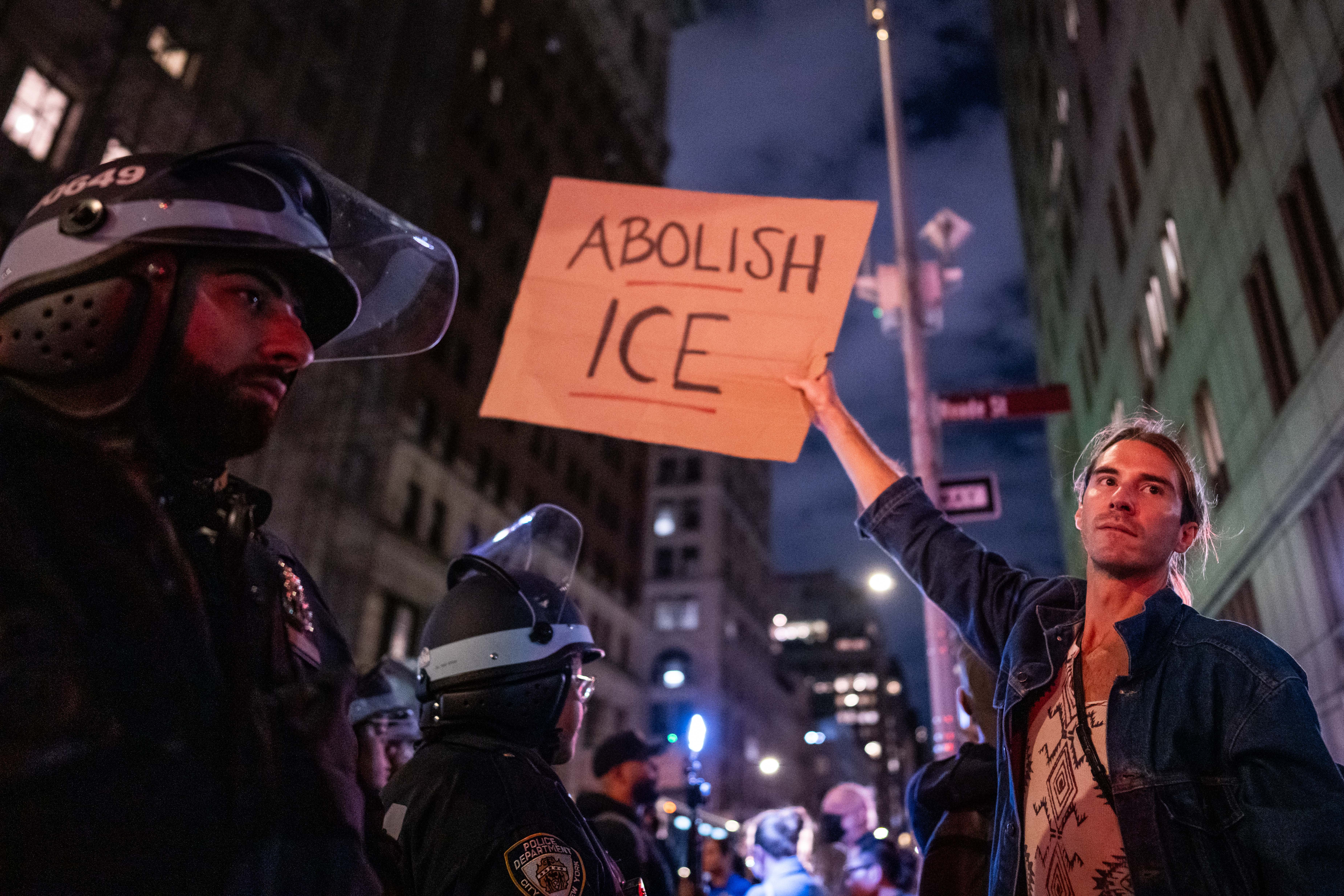
Among the most serious issues at this World Cup is the possibility of someone entering the country or even attending a game and suddenly being hauled away by ICE officers. It certainly feels a far cry from the global party that the World Cup is supposed to represent, something all the more ironic given that this is the biggest ever at 48 teams.
An Amnesty report titled “Humanity Must Win” Defending rights, tackling repression at the 2026 Fifa World Cup” has already described a potential “human rights emergency” characterised by the “chilling threat” of “discriminatory immigration policies, mass detentions and arbitrary arrests by masked, armed agents from ICE, US Customs and Border Protection (CBP) and other agencies”. The report similarly pointed to how Dallas, Houston and Miami had all signed “problematic agreements for local law enforcement agencies to collaborate with ICE”.
Amnesty added that some fans face “intrusive surveillance, with proposals to force visitors to make their social media accounts available for vetting and screening for ‘anti-Americanism’.
“Despite the astounding numbers of arrests and deportations, neither Fifa nor the US authorities have provided any guarantees that fans and local communities will be safe from ethnic and racial profiling, indiscriminate raids, or unlawful detention and deportation,” said Amnesty International’s Head of Economic and Social Justice, Steve Cockburn. He also references how the US government has deported more than 500,000 from the country in 2025 – “more than six times as many people than will watch the World Cup final in the MetLife Stadium”.
FairSquare have criticised Fifa for “washing their hands” of their responsibilities. ICE has not been clear about its policy around the tournament, while the eve of the opening game has seen Congress debating a massive injection of funding to scale up deportations further.
Gun violence
Saturday’s reports that nine people were injured in a shooting near England’s World Cup base in Kansas City, Missouri raised another major safety issue for fans at this tournament. That is the possibility of firearms attacks, given how the Gun Violence Archive last year recorded more than 400 mass shootings.
A similar issue was a huge theme of South Africa 2010, but it speaks to the multiple controversies around this World Cup that one of the United States’ most divisive political subjects has barely been mentioned.
Narcoviolence
Since the majority of this World Cup is in the US, the majority of the focus has been there, but February saw another – yes – unprecedented development in co-hosts Mexico.
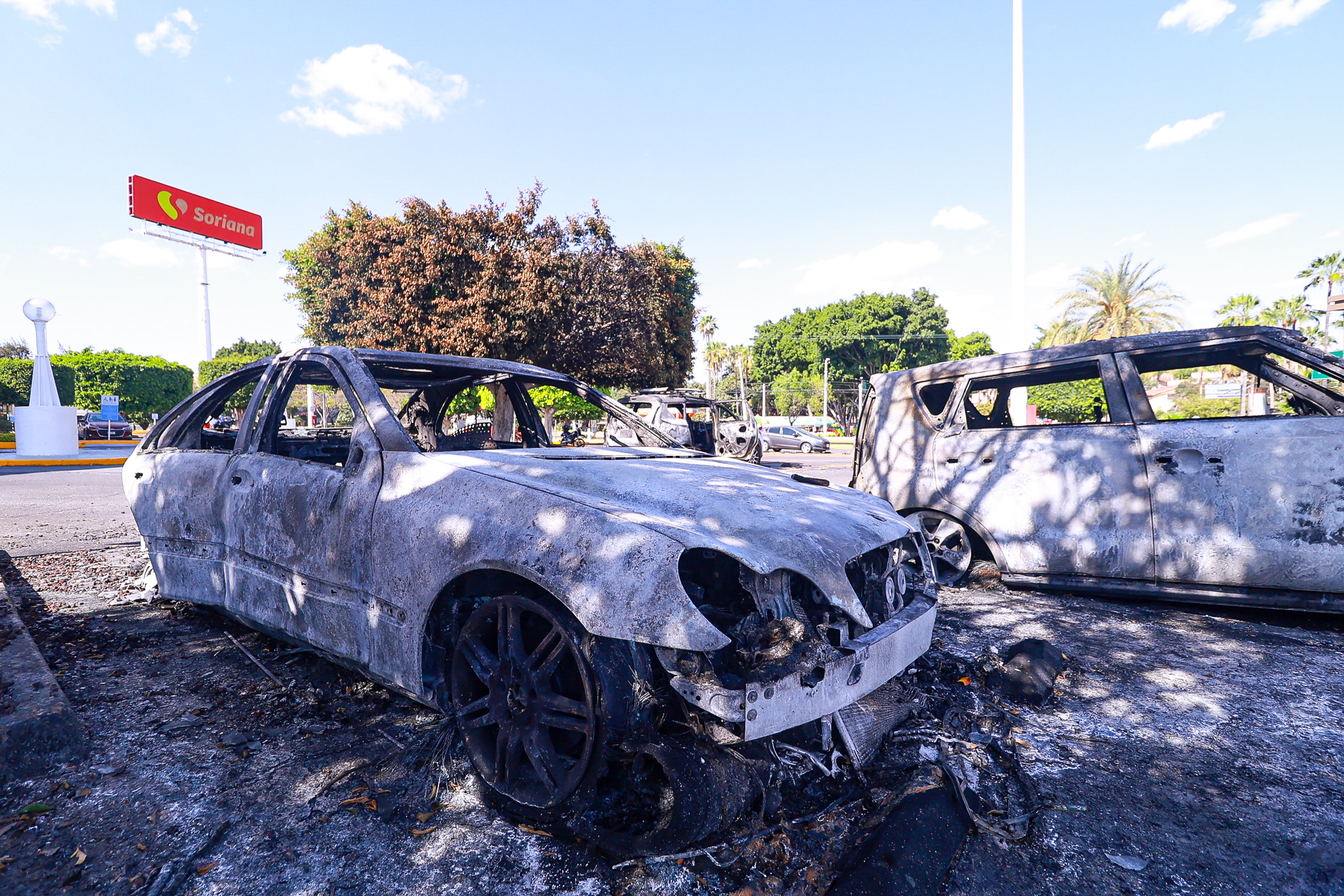
Narcoviolence erupted in a host city mere months before the tournament. Guadalajara saw the Jalisco cartel put up roadblocks and torch cars after their leader, “El Mencho”, was killed in a security operation. Debate has since raged over how safe Mexico can be.
The issue also touched on one of many points of tension between the co-hosts. Trump had previously spoken about how Mexican counterpart Claudia Sheinbaum is “very frightened of the cartels” and that “something is going to have to be done with Mexico”. That followed threats of a US trade war with Mexico and Canada. For now, Guadalajara’s city centre is quiet, outside the buzz for the tournament.
Suppression of protests in all three co-hosts
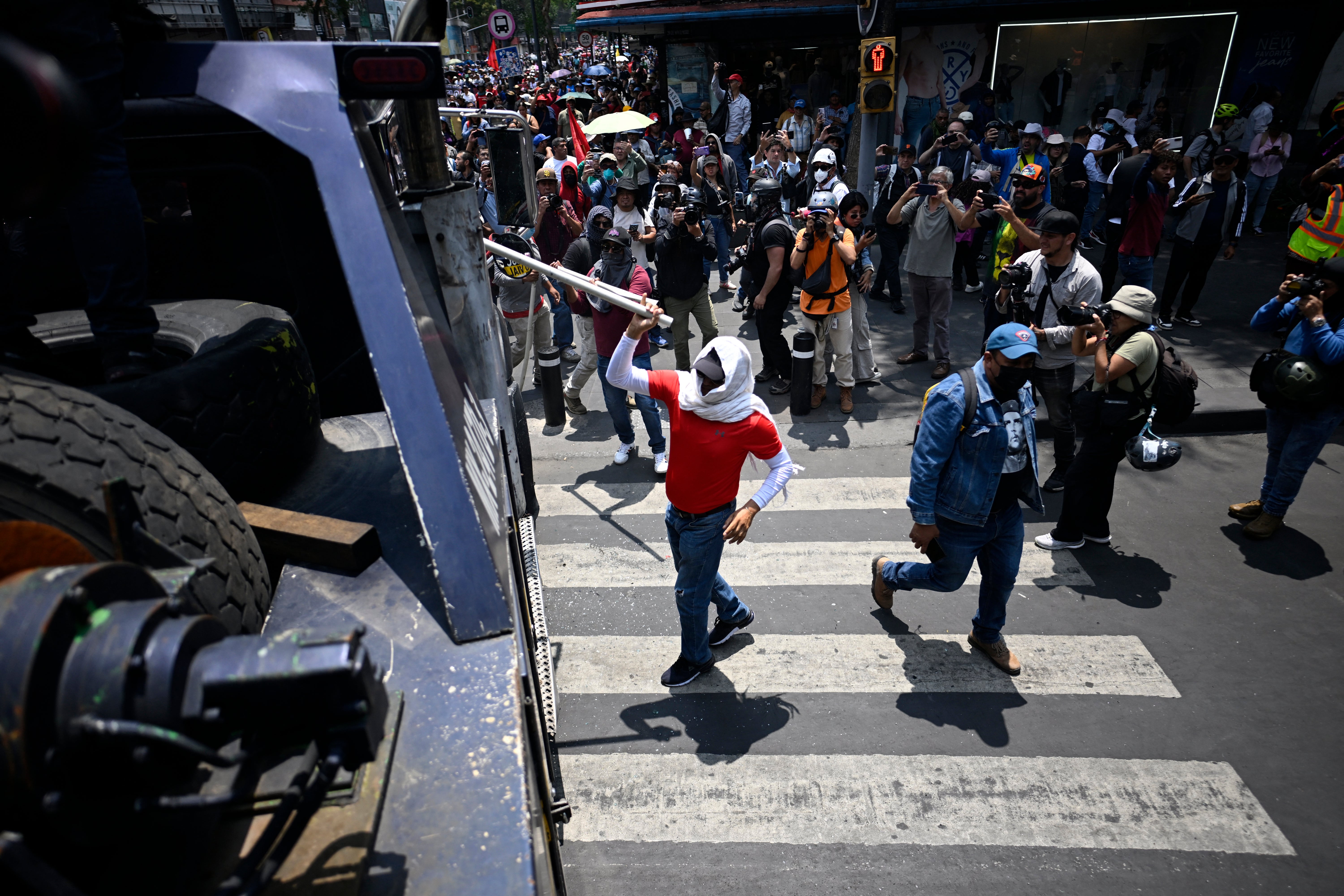
While Mexico mobilised 100,000 security personnel in response to high levels of violence, Amnesty’s report raised concerns about the risks for protestors. The body specifically referenced women activists who are planning a peaceful demonstration for the opening match at the Azteca Stadium, seeking truth, justice and remedy for the disappearance of loved ones.
Since World Cups often offer a platform for demonstrations, too – especially amid so much unrest over the ongoing conflict in the Gulf and Israel-Palestine – Amnesty say there are risks that protests could be repressed given that all three host countries have seen “restrictions on the right to freedom of expression and peaceful assembly”.
The report refers to the Trump administration targeting foreign-born students protesting Israeli actions in Gaza, while US citizens “protesting and monitoring aggressive immigration enforcement actions have been killed by federal agents”
Canada has meanwhile seen demonstrations about Gaza “unduly dispersed or cleared by the police”.
Mexico has also experienced a series of World Cup-related protests by residents angry about the disruptions to water supplies, access to land, rising costs and gentrification linked to infrastructure development in host cities. Amnesty fear the “militarised nature of Mexico’s security mobilisation for the tournament brings risks that further protests could be repressed.”
Marginalisation of the homeless
In Canada, the impact of the 2010 Winter Olympics in Vancouver and a growing housing crisis have raised Amnesty fears that people experiencing homelessness will again be displaced and pushed further to the margins.
On 15 March, authorities in Toronto closed a winter warming centre providing shelter for people experiencing homelessness, as the venue had been pre-booked for use by Fifa.
FairSquare have similarly expressed concern that the homeless could be cleared from venues in the US, for purposes of presentation. Or, another form of sportswashing.
The environmental cost and related problems
A study by Greenly estimated that the greenhouse gas footprint of this World Cup is to be 7.8m tonnes of CO2. That would be 2.1 times more than Qatar, albeit without factoring in the immense infrastructure construction for 2022.
The disparity is entirely driven by the sheer geographical scale of the tournament, and the fact it now features 48 teams. That issue is of course connected to concerns about Fifa’s protections of players and supporters from heat, all while promoting some of the world’s biggest polluters, right up to a commercial arrangement with a fossil fuel giant like Aramco.
A World Weather Attribution analysis predicts that around a quarter of games will be played in conditions of 26-degree “Wet Bulb Globe Temperature” [WBGT] or higher – a heat index used by physiologists as the key measure of how effectively the body can cool itself. FairSquare describe Fifa’s heat risk mitigation as woefully inadequate, especially given the lack of published research on the issue.
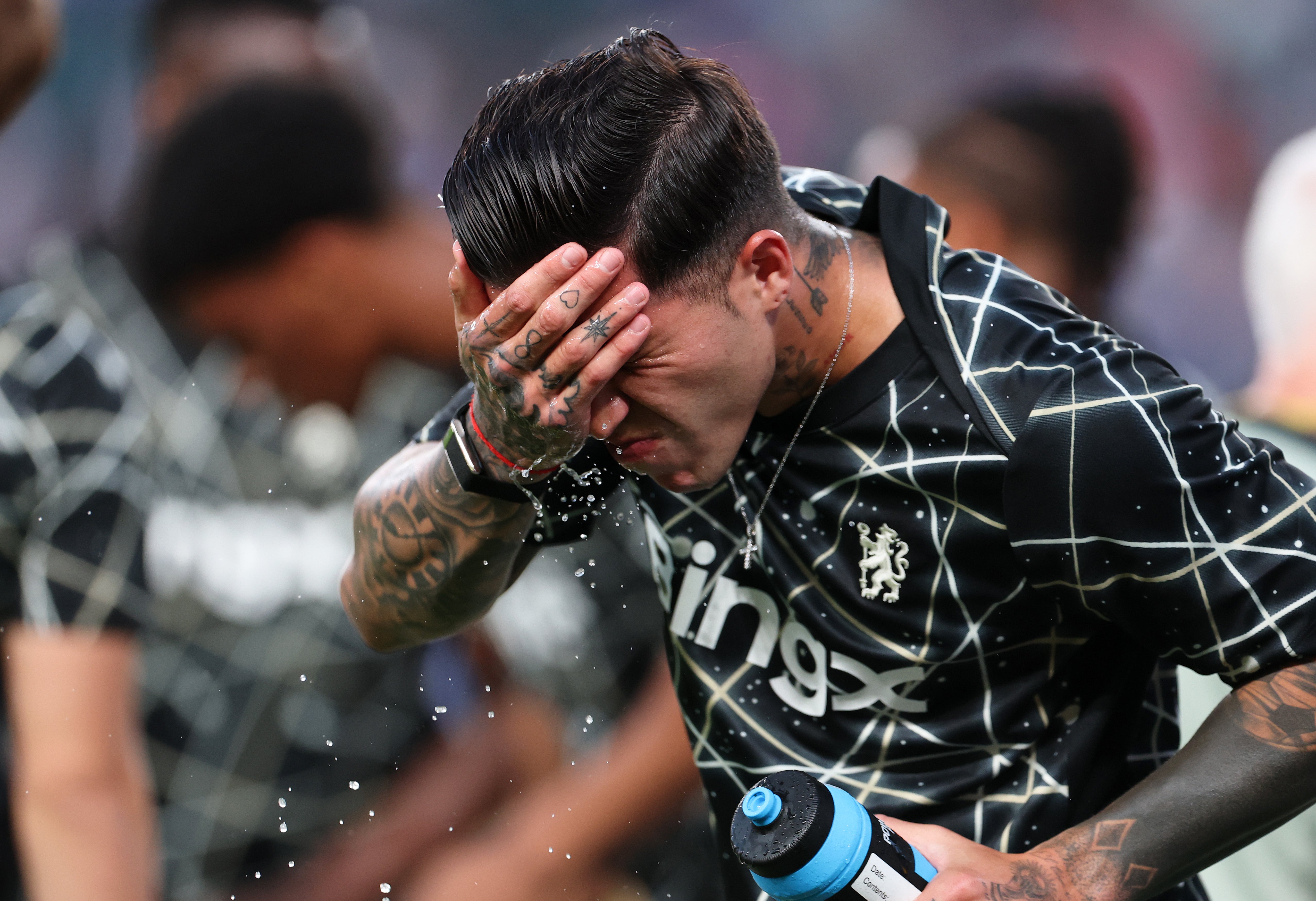
As an illustration, FIFPRO and other experts advise that referees should intervene when the thermometers reach 26 degrees celsius and matches should be delayed or postponed at 28, whereas Fifa’s interventions only start at 32.
A letter from scientists on the topic noted that the approach was “impossible to justify”. Fifa is also criticised for not learning the lessons from Qatar where the same issues were potentially a factor in thousands of unexplained deaths of migrant workers.
The great rip-off
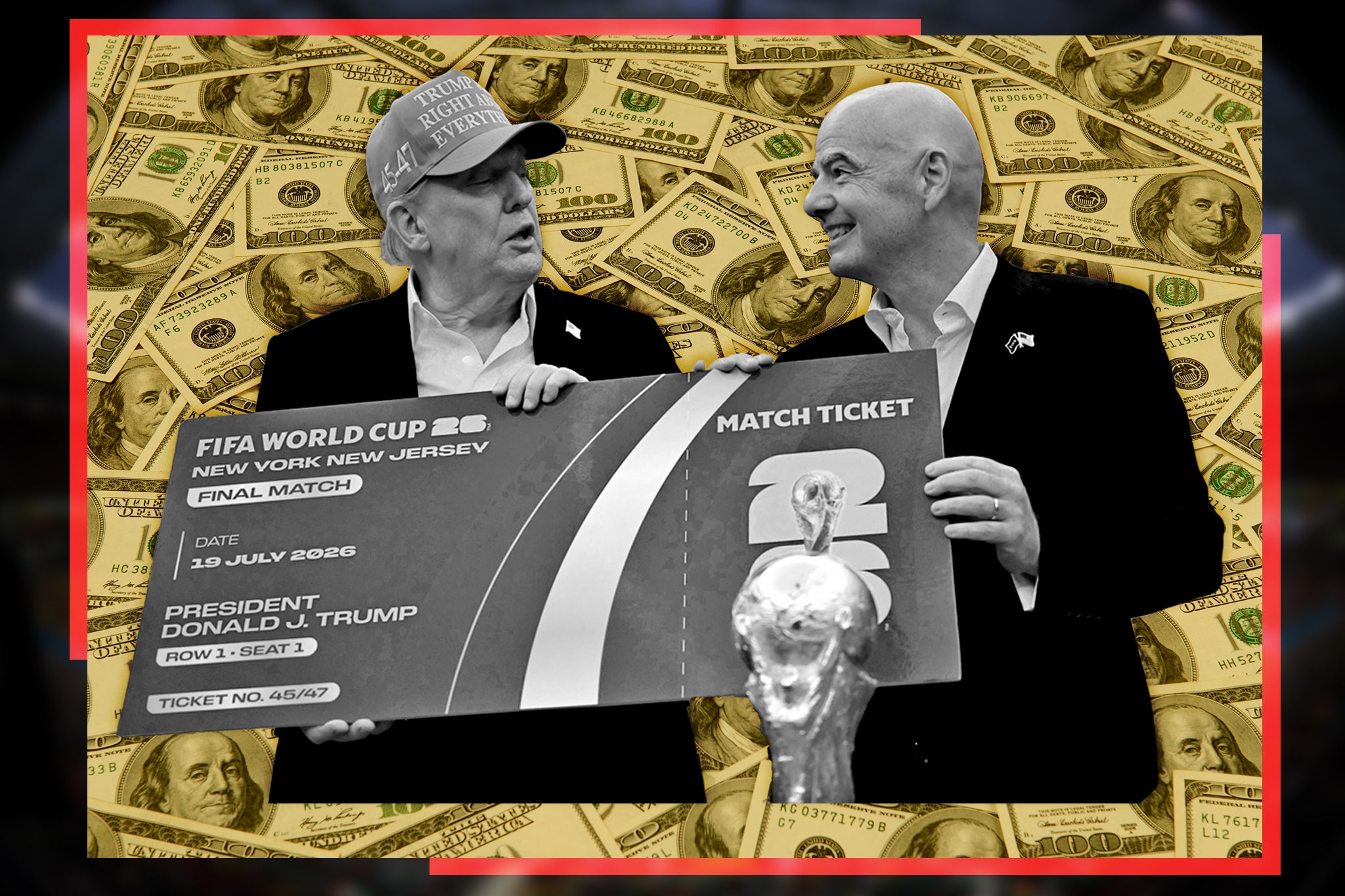
With most ticket prices far more than treble the cost of recent tournaments, on top of the general expense of the United States, there are estimations that it will cost the average fan between $10,000 and $35,000 to follow their team right through the tournament.
Fifa’s lopsided contracts with host cities has only escalated the expenses. The governing body has used all manner of arguments to defend this, from redistributing revenue around the game to having to adapt to US “entertainment culture”. Both are laughable since the revenue projections were to be record-breaking based on the old price model, and Fifa has never previously adapted to any local ticket culture – including USA 94. If they had, more South African locals might have been able to attend 2010…
There is the admitted issue of how “touting” is now legal in the US market, but there were multiple workarounds for this, rather than Fifa fully indulging in it. What this really represents is the creation of two-tier football, shifting the World Cup from a mass-access global football event to a limited-access mega-event.
That is all the more concerning since domestic football cultures have long been struggling to resist pushes for precisely this from club owners, and yet here are the notional safeguards of the game ushering it all through.
An exclusionary World Cup, especially for fans with disabilities
The cost has contributed to another adverse consequence, that renders some more of Infanfino’s claims absurd. The Fifa president has been talking about the most inclusive World Cup ever, but the ticket market has already priced a lot of fans out. That goes way beyond local communities like MLS fans, too.
Football Supporters Europe argue this is the first international sporting event in modern times effectively excluding fans with disabilities. The body currently have no data on wheelchair users travelling from Europe. FSE put this down to how there are no accessibility tickets among the cheapest Category 4 options, and no free access for companions, meaning following a team to the final could cost a fan in a wheelchair up to $7,000.
Ronan Evain, of FSE, describes all of this – as well as absurd parking prices – as “a tax on disability”.
The size
While the politically-driven expansion of the World Cup to 48 teams has ironically contributed to some Fifa headaches – not least more geopolitical issues as well as the environmental cost – it might also serve to corrode the competition’s spiritual value. More may well be less.
The asymmetric system, where 48 doesn’t split cleanly to two, means the return of third-place qualifying. That offers more safety nets, reducing jeopardy, while potentially creating strange convolutions.
It also shows Fifa – or, specifically, Infantino – don’t understand what actually made the four-team groups so enthralling in 2022. In other words, they don’t understand how their actual sport works.
Even the mass of matches and teams starts to affect some of the self-contained nature of a World Cup, because it’s just too much to consume. That is exactly when the magic starts to evaporate. There might not be a more illustrative example of “the game eating itself”.
The great sell-off
Almost above anything, and running through everything, is how so many of these issues represent a core issue with this World Cup and how it articulates the very devolution of the sport.
It is Infantino’s Fifa continuing to sell off and change the game – and specifically a tournament that is a true global good – without anyone apparently able to object or do anything. How did we get here?
Infantino is after all supposed to be serving the game, not the other way around. Perhaps it’s a grimly appropriate theme for a tournament that was supposed to fundamentally be about money, but is now about so much more.