
Europe has “maybe six weeks or so” of jet fuel left, the International Energy Agency (IEA) head warned on Thursday.
IEA executive director Fatih Birol told the Associated Press that flight cancellations could begin soon if oil supplies remain blocked by the Iran war.
Mr Birol painted a sobering picture of the global repercussions, calling it “the largest energy crisis we have ever faced”. This stems from the choking of oil, gas and other vital supplies passing through the Strait of Hormuz.
He said: “In the past there was a group called ‘Dire Straits’. It’s a dire strait now, and it is going to have major implications for the global economy. And the longer it goes, the worse it will be for the economic growth and inflation around the world.”
The impact will be “higher petrol (gasoline) prices, higher gas prices, high electricity prices,” Mr Birol told AP, with some parts of the world “hit worse than the others”.
“The front line is the Asian countries” that rely on energy from the Middle East, he said, naming Japan, Korea, India, China, Pakistan and Bangladesh.
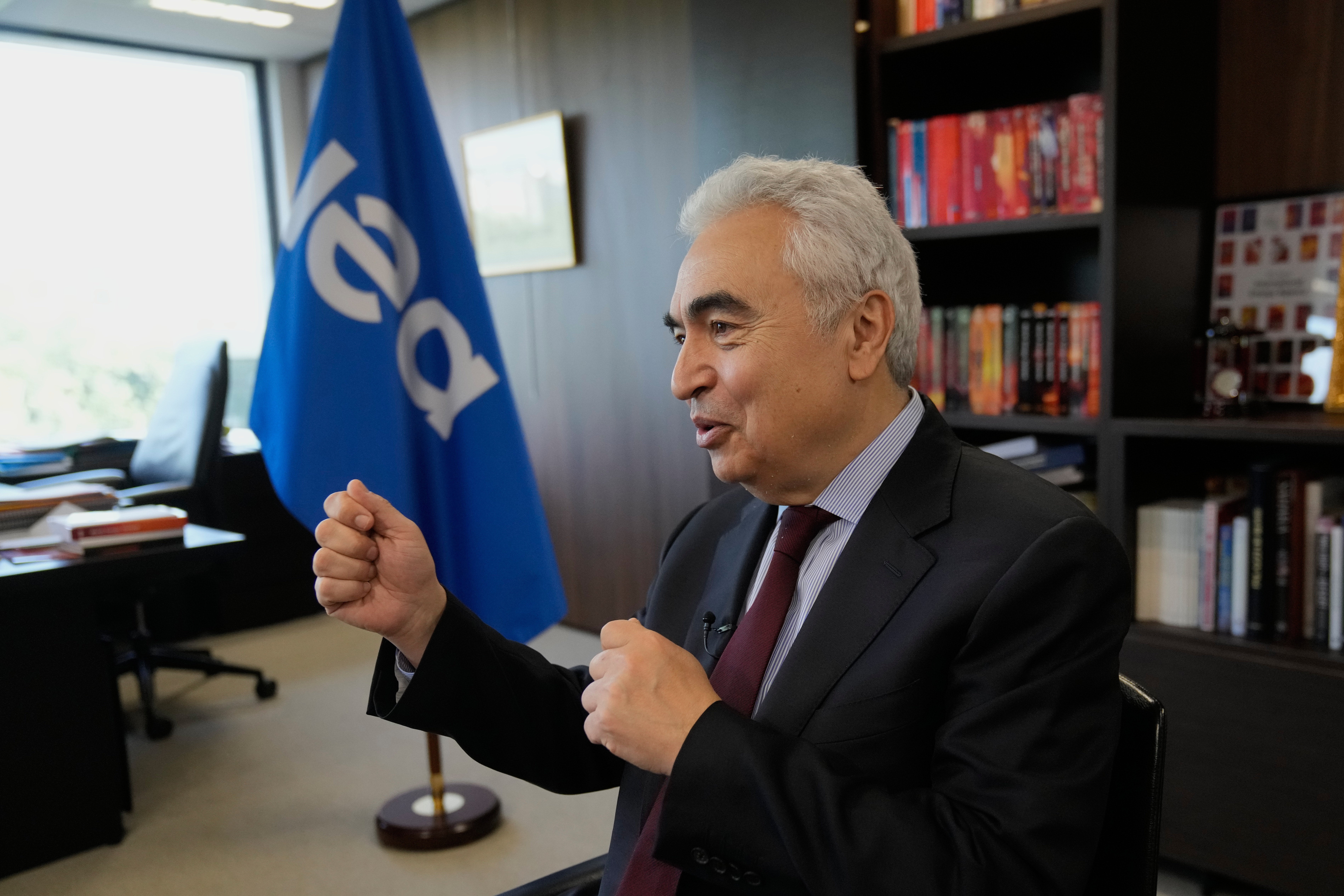
“Then it will come to Europe and the Americas,” he added, speaking from Paris.
If the Strait of Hormuz isn’t reopened, he said that for Europe, “I can tell you soon we will hear the news that some of the flights from city A to city B might be cancelled as a result of lack of jet fuel”.
US president Donald Trump’s blockade of the Strait of Hormuz is continuing to threaten long-term disruption to the flow of fuel through the vital global shipping route.
Airlines were leading the stock market falls in London on Monday as worries deepened over the supply and cost crunch for jet fuel.
Airport Council International Europe has said European airports could face jet fuel shortages within a few weeks if the key shipping route remains closed.
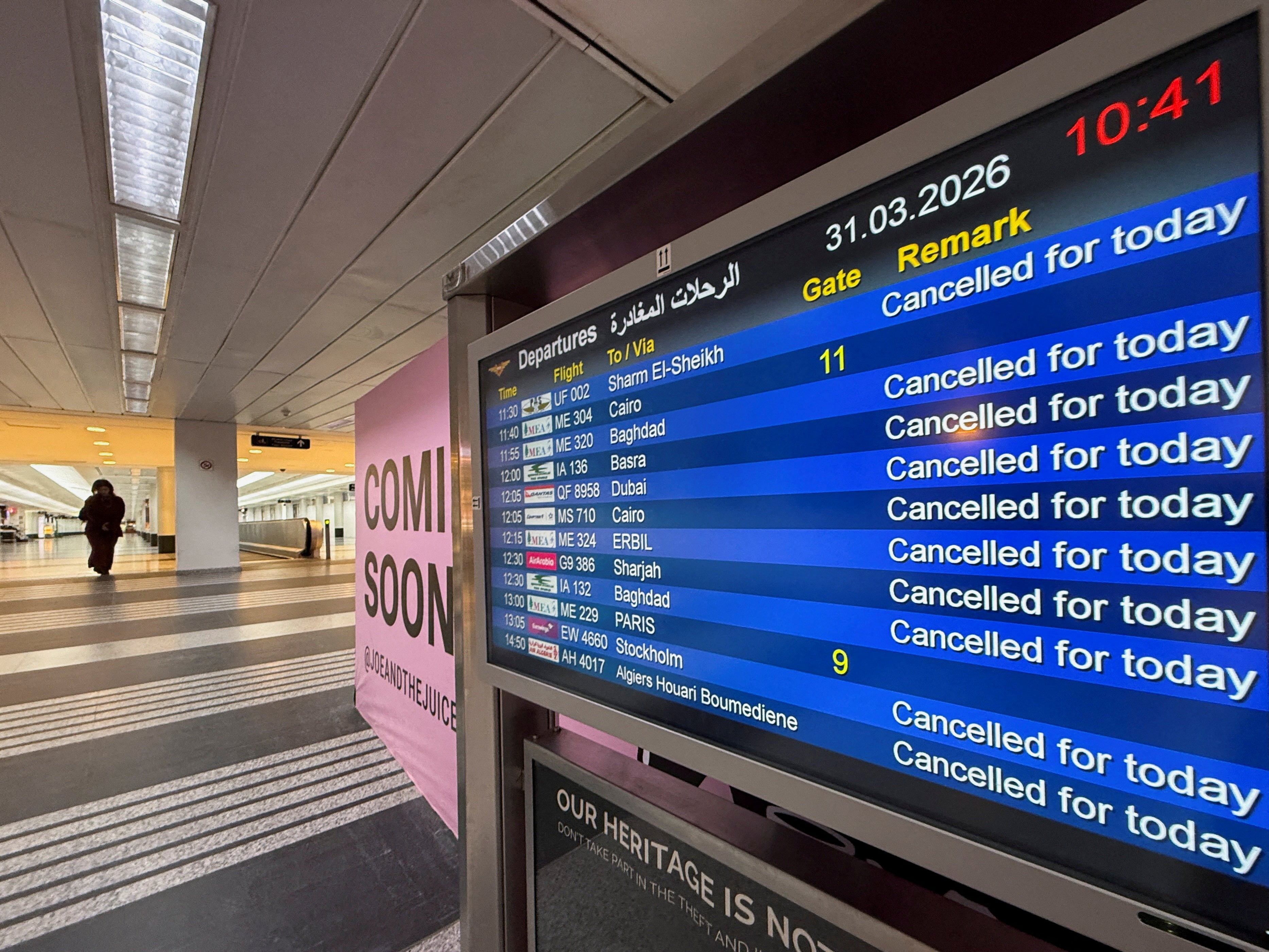
In a letter to the European Commission, the group said its concerns had been intensified by the approach of the peak summer season, “when air travel enables the whole tourism ecosystem upon which many [EU] economies rely”.
Several airlines have echoed these concerns, with Ryanair admitting that it cannot rule out risks to fuel supplies at some airports if the strait remains closed into May or June.