


Europe could face energy shortages as soon as next month as the war in the Middle East drags on, the boss of Shell has warned.
The oil giant’s chief executive, Wael Sawan, said he had been working with governments to help them address the energy crisis since Iran closed the Strait of Hormuz last month, sparking chaos in markets and fears of a global economic downturn.
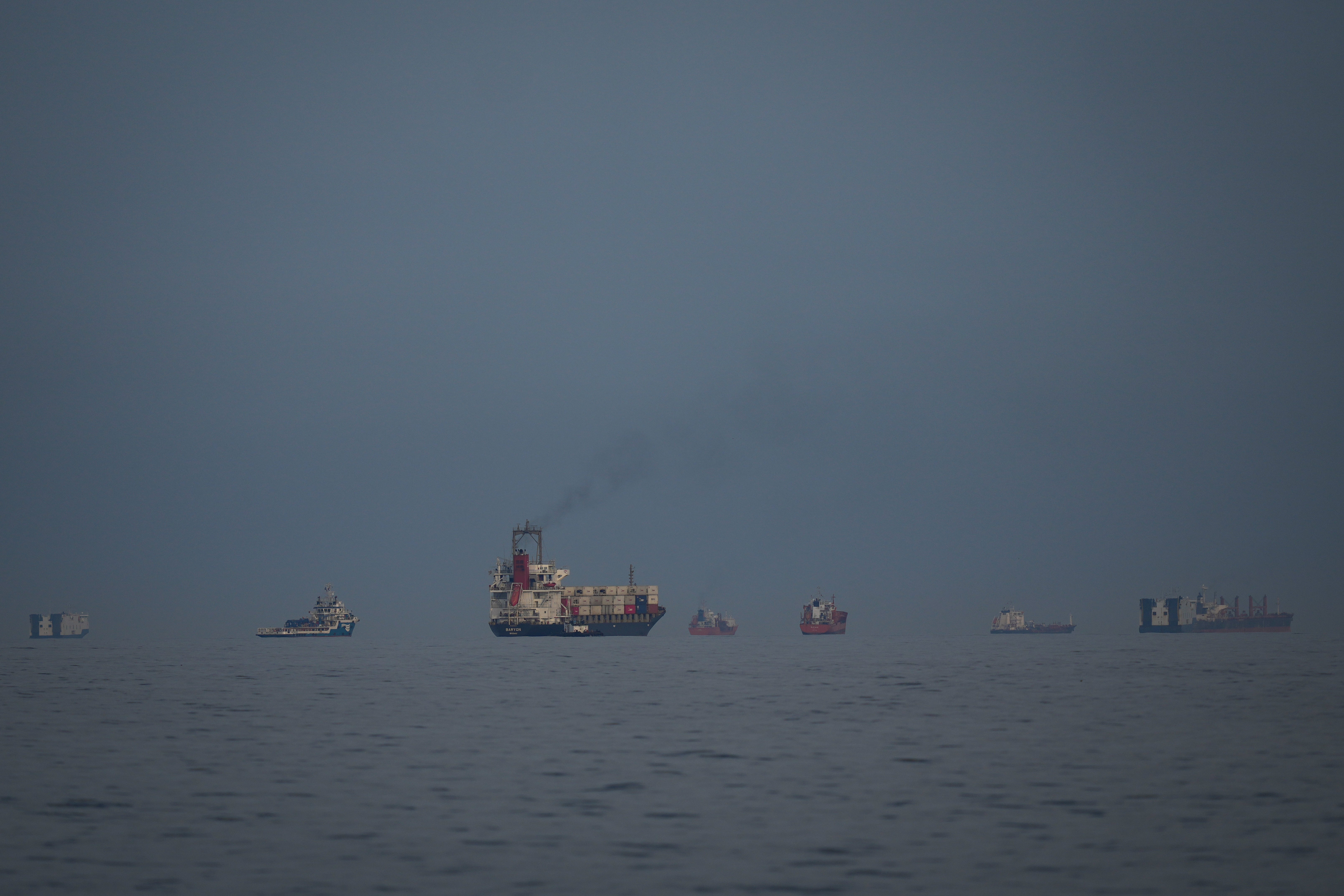
Around a fifth of the world’s oil and liquefied natural gas passes through the Strait, but the US-Israeli war on Iran has all but halted shipments. However, on Tuesday evening Iran told the United Nations and International Maritime Organisation (IMO) that it would allow certain “non-hostile” ships to transit through, the Financial Times reported.
Speaking from a conference in Houston, Texas, Mr Sawan noted that countries in Asia that were heavily reliant on oil and gas from the Middle East had already imposed restrictions on energy usage, such as four-day working weeks.
He suggested European countries may soon need to take similar measures.

“It is a ripple effect,” he said. “We see south Asia first to get that brunt, that moves to south-east Asia, north-east Asia and then more so into Europe as we get into April.
“So we are trying to work with governments to alert them to the levers they may need to pull – including demand‑side measures, what they need to do around storage, what they need to do around purchasing stock and so on and so forth.”
Oil prices have soared to more than $100 a barrel after Iran began blockading the Strait of Hormuz and preventing the flow of oil through the route.
Jet fuel supplies have already been affected by the conflict, and Mr Sawan warned that diesel supplies would be next, followed by gasoline.
Shell is also eyeing natural gas projects and oil opportunities in Venezuela after the ousting of former president Nicolas Maduro, Mr Sawan announced. He said they could approve one or two projects in the South American country before the end of the financial year if the fiscal and legal situation in the country allows.
Motorists in the UK have been charged an additional £307m for petrol and diesel since the US and Israel launched strikes on Iran on 28 February, according to analysis by the RAC Foundation.
On 16 March, the average price of unleaded petrol at pumps in the UK was 140.28p per litre, and for diesel, it was 158.78p per litre. On 23 March, the average price of unleaded petrol was 144.16p and 166.88p for diesel, a weekly rise of 3.9p and 8.1p respectively.
The International Energy Agency has set out several measures for governments to take to reduce oil and gas consumption, including encouraging people to work from home or carpool.
Rachel Reeves announced on Tuesday that there would be no help for millions of Britons struggling with energy bills, but said she would offer targeted support “to those who need it most”.
The government is said to be leading coalition efforts between nations, including France and the US, to help ships move through the key oil route, and is considering sending mine-hunting drones to help reopen the strait.
On Monday, Donald Trump put a five-day pause on his ultimatum to Iran, which demanded the country open the Strait of Hormuz or face having its power plants destroyed.