



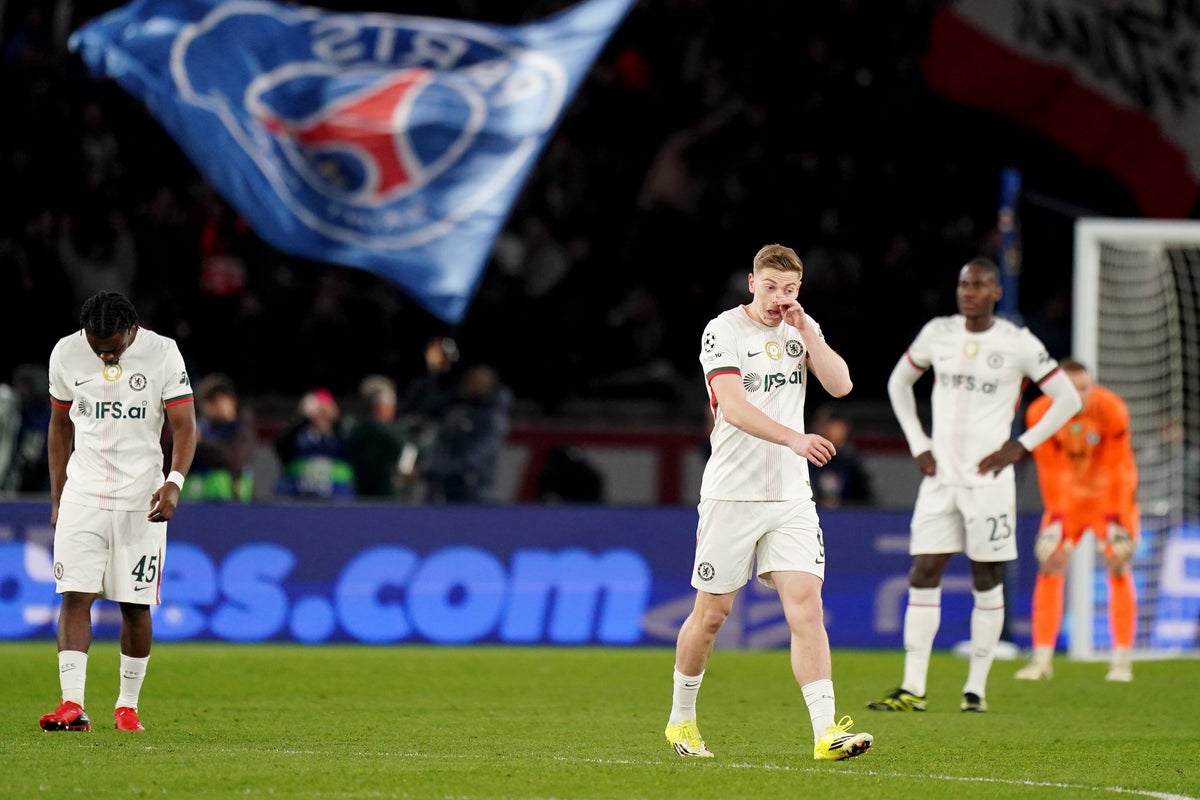
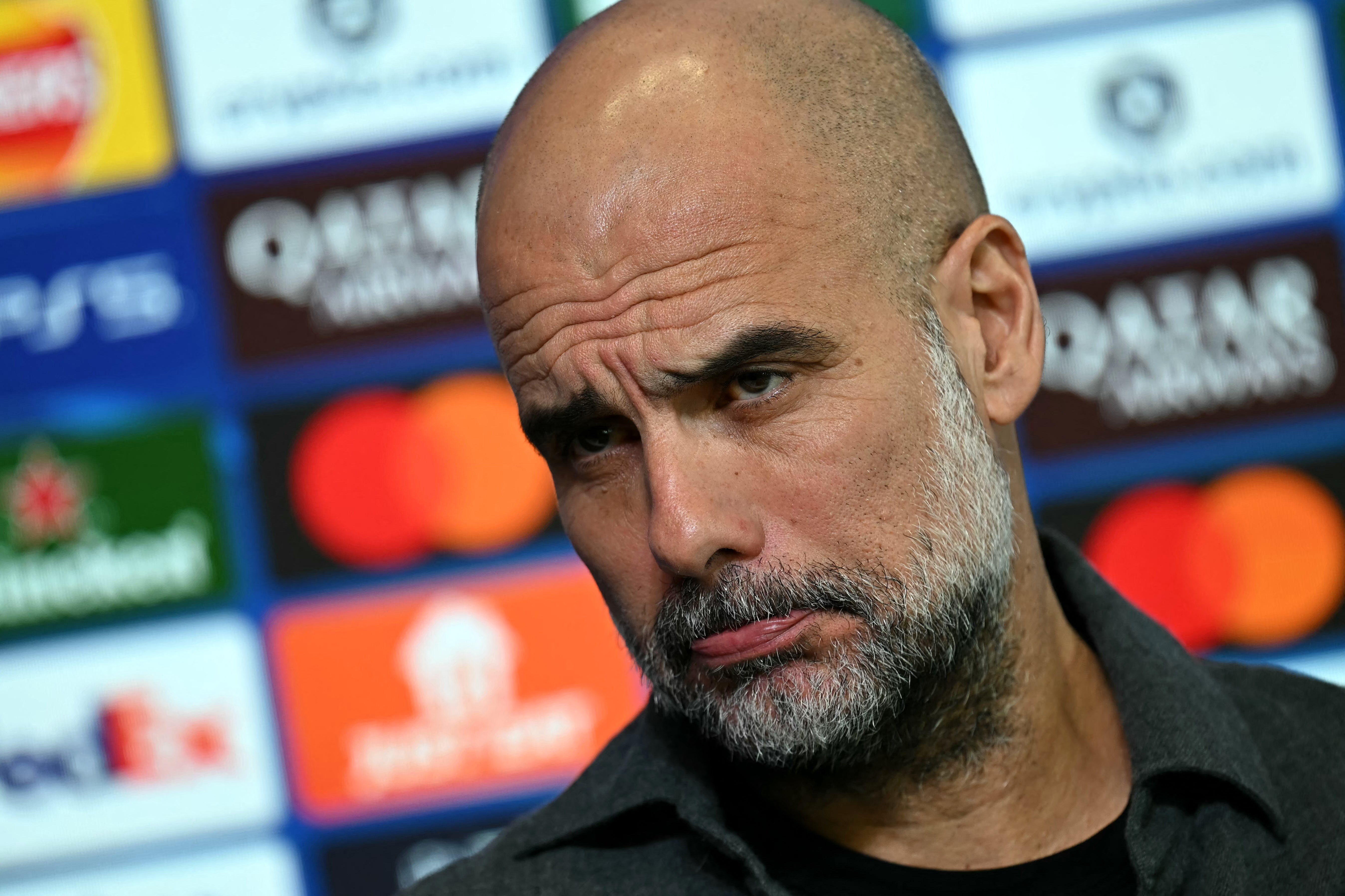
The Manchester City players have already taken in one message from Pep Guardiola, as they attempt what amounts to one of the greatest challenges in Champions League history. Bernardo Silva articulated some of it, when he spoke on Monday before their last-16 second leg against Real Madrid.
“With one goal, the atmosphere of the ground will change,” said the Portuguese.
There is more to that comment than just an appeal to the crowd. The mythos of the Champions League remontada has now become so pronounced – to the point the Spanish name for grand comebacks has become commonplace – that there is a blueprint.
Three Premier League clubs will have to follow it over the next two days. You don’t go in looking at it as a 3-0 deficit, or whatever the scoreline is. You go in looking to score the first goal in the way you always would, albeit immersing yourself in the intensity of the occasion, knowing that would then make it a different game.
It’s suddenly a two-goal lead rather than a three-goal lead, changing the pressure levels, too. Knowing to do that is one thing, though. Successfully acting on that knowledge is something else.
The Champions League might have gone through an era of great comebacks over the last decade, but there’s a reason the odds are still so against you.
There’s actually been no comeback from a three-goal first leg deficit since Liverpool’s momentous 4-0 win over Barcelona in 2019, not even from Madrid themselves.
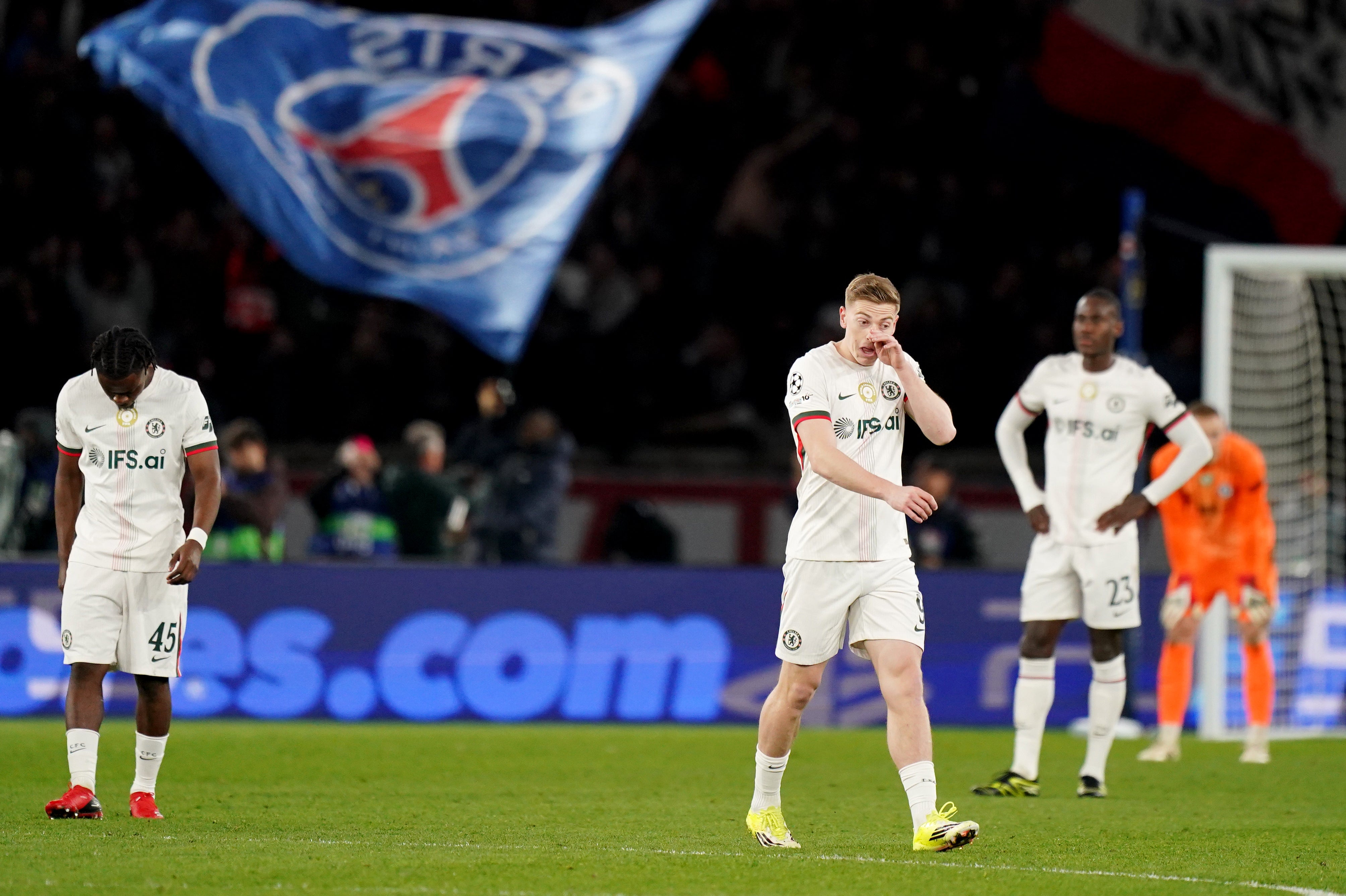
And of course, this isn’t just about City. Chelsea have the same challenge against Paris Saint-Germain, at 5-2 down, with Tottenham Hotspur also facing that scoreline against Atletico Madrid.
Add in Liverpool’s 1-0 deficit to Galatasaray and the Premier League needs one grand remontada over the next two nights. Newcastle United are, meanwhile, likely to face a Barcelona onslaught as they take a 1-1 draw to Camp Nou, with Arsenal managing an awkward 1-1 at home to Bayer Leverkusen.
The odds of more than half the teams going through don’t look good. There’s the potential for total wipeout.
That would be remarkable given this very round’s historic record of six Premier League teams in the last 16. A concerning illustration of the competition’s wealth could quickly become a spectacular comedown, a crowning illustration of hubris.
Such was the nature of those first legs, mind, that it’s impossible not to link it to wider debates over this Premier League season – from the style of football to the effect of the calendar. There’s a lot to consider.
As such, this last 16 is almost a referendum on the Premier League itself right now. Will we see its waste or an extreme illustration of its power… or something in between? Such a question has even more depth given the teams they are playing.
Bernardo already had it put to him whether City need “a Real Madrid night”. The Portuguese was too smart to fall for that, insisting it would be “a Manchester City night”.
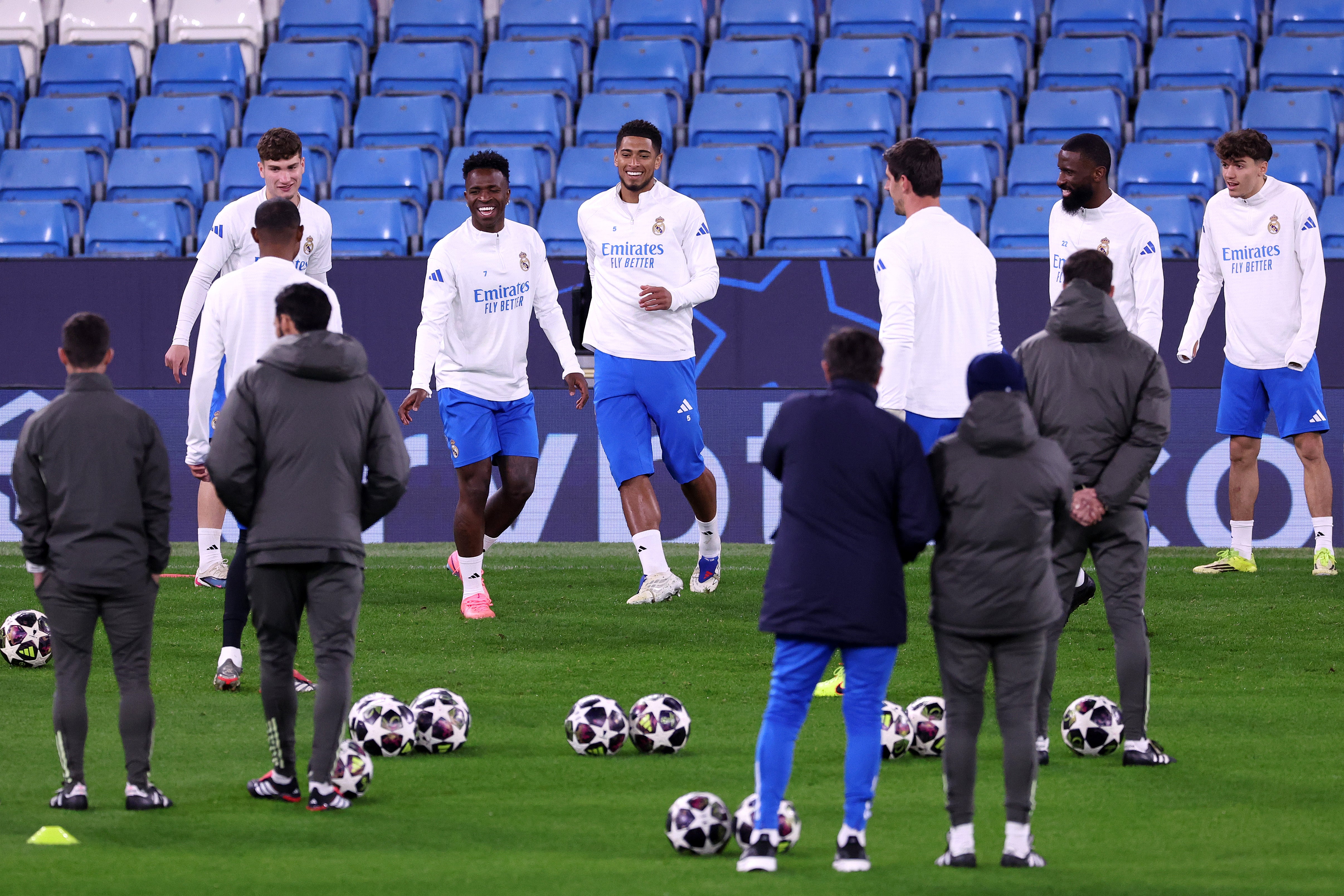
Except, City have never enjoyed a Champions League comeback of that scale. On the other side, Madrid have never suffered a collapse like that.
The present problem is the same as in the first leg, mind. City have to chase a game in a way that leaves them susceptible to Madrid.
Guardiola may have to appeal to a will to make history, rather than history itself.
It’s the opposite with Chelsea and Paris Saint-Germain, to the point that there is genuine history here. In 2013-14 – a season covered by Monday’s Premier League punishment of the London club – Chelsea overcame a 3-1 deficit at the Parc des Princes to win 2-0 and go through on away goals.
It was the first of a series of such collapses for PSG, which obviously reached a nadir with the 6-1 to Barcelona in 2017 and the 3-1 to Manchester United in 2019.
An almost tragicomic trauma was created in the dressing room, that opposition sides would repeatedly play on.
It will come up again before the second leg, even if Liam Rosenior didn’t get into it on the eve of the game. Perhaps that’s because he doesn’t see it as relevant any more. Last season’s victory in the Champions League final may have exorcised a lot of ghosts for PSG.
Luis Enrique’s side don’t look susceptible even on purely football terms. In Kvicha Kvaratskhelia and Ousmane Dembele, they have exactly the players to exploit any counter-attack.
Rosenior echoed Guardiola in saying his side have to be “perfect”, which is what this is really about.
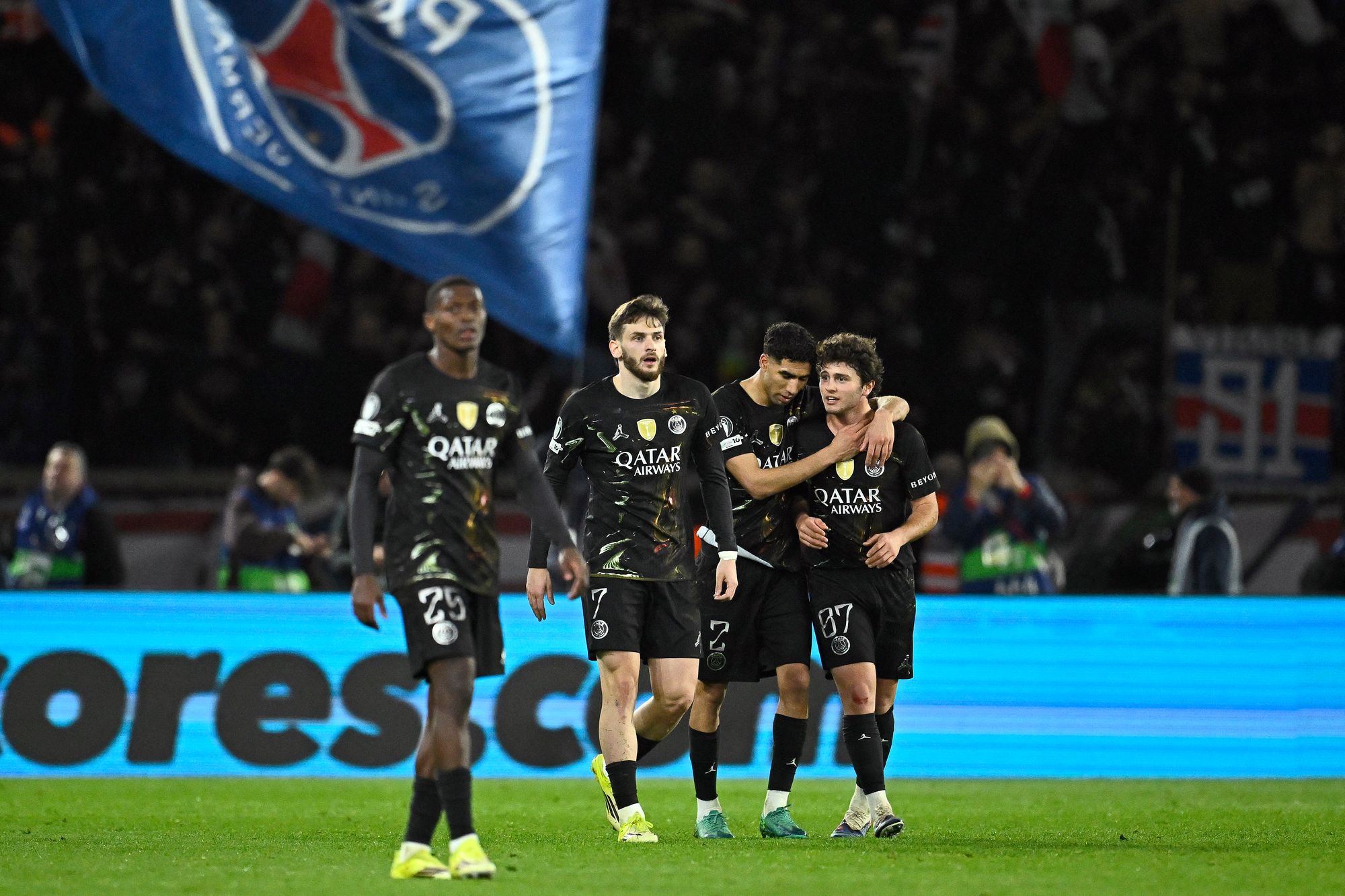
The one solace for Spurs is they have very imperfect opposition. Tottenham may be seen as one of the most neurotic sides in the English game, but they’d be given a real match in that sense by Atletico. They also have heroic failures wrapped into their history. There’s perhaps more baggage to lean on.
Spurs will also have a new emotional momentum from that long-awaited point on Sunday against Liverpool, but this is going to push it. Atletico are not what they were at their 2013-16 peak but they’re a resolute side.
Newcastle looked exactly that against Barcelona, until Lamine Yamal’s late penalty. Might that sap their energy for this tie, for the Spanish champions to cut loose, or will Newcastle’s own victory at Chelsea reinvigorate them?
Can Liverpool actually find some semblance of coherence against Galatasaray? Will the Turkish side succumb to pressure in the way they did in the second leg against Juventus?
Will Arsenal recover their own verve? Will the title race sufficiently distract them for Leverkusen to take advantage?
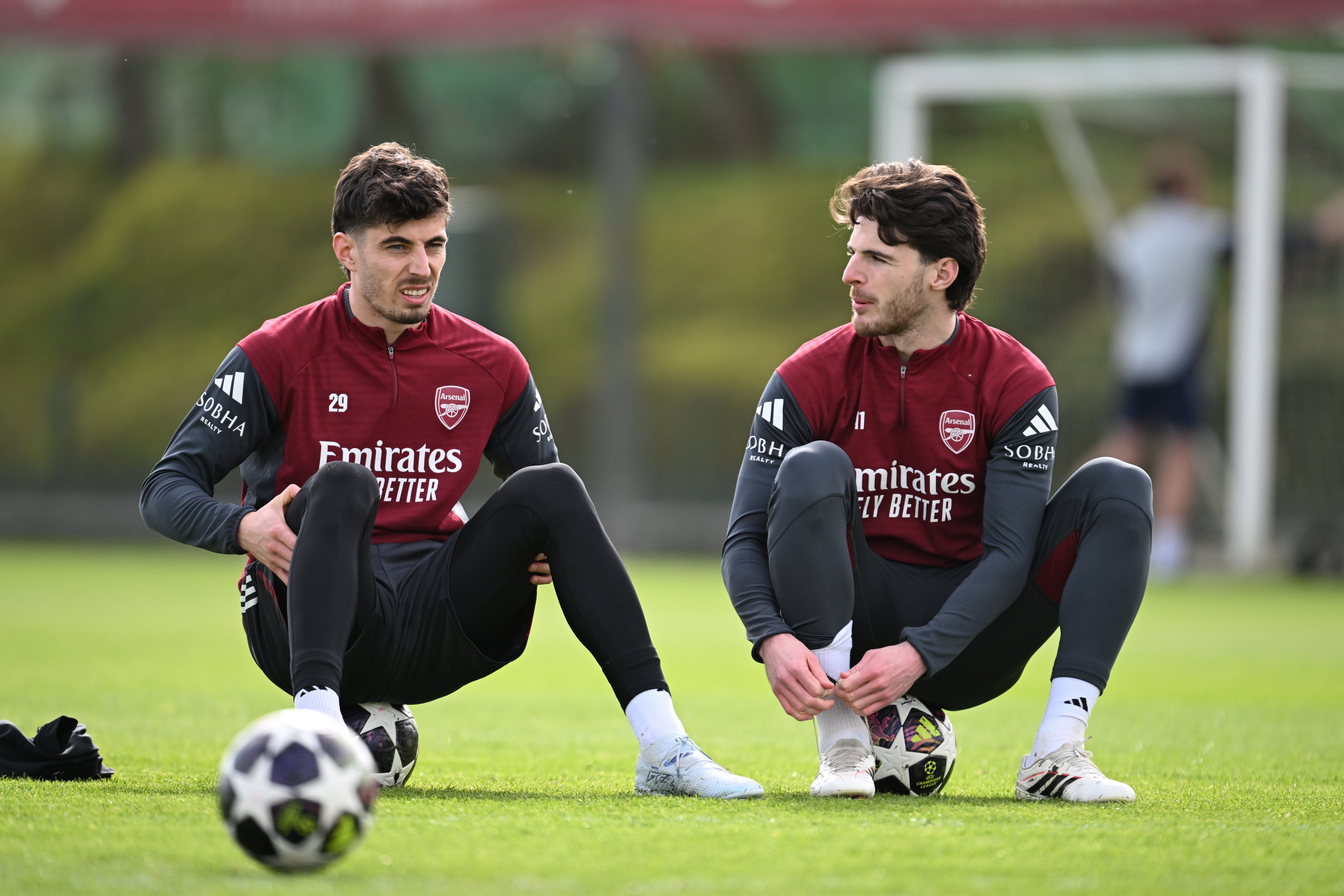
Amid all this, there will be talk of vintage English resolve, even though 70 per cent of the competition is from abroad. The European sides do have many fallibilities, which even the first legs illustrated.
Some at City firmly believe there was a freak element to the first leg, with one rival coach even believing that Guardiola’s side getting the first goal – as they could have – would have produced a totally different game. PSG-Chelsea was 50-50 for 76 minutes.
There are so many elements to this, all consequences of individual team issues, but connected to wider discussions about the Premier League this season.
The teams need modern remontadas, to form one grand English comeback.
