

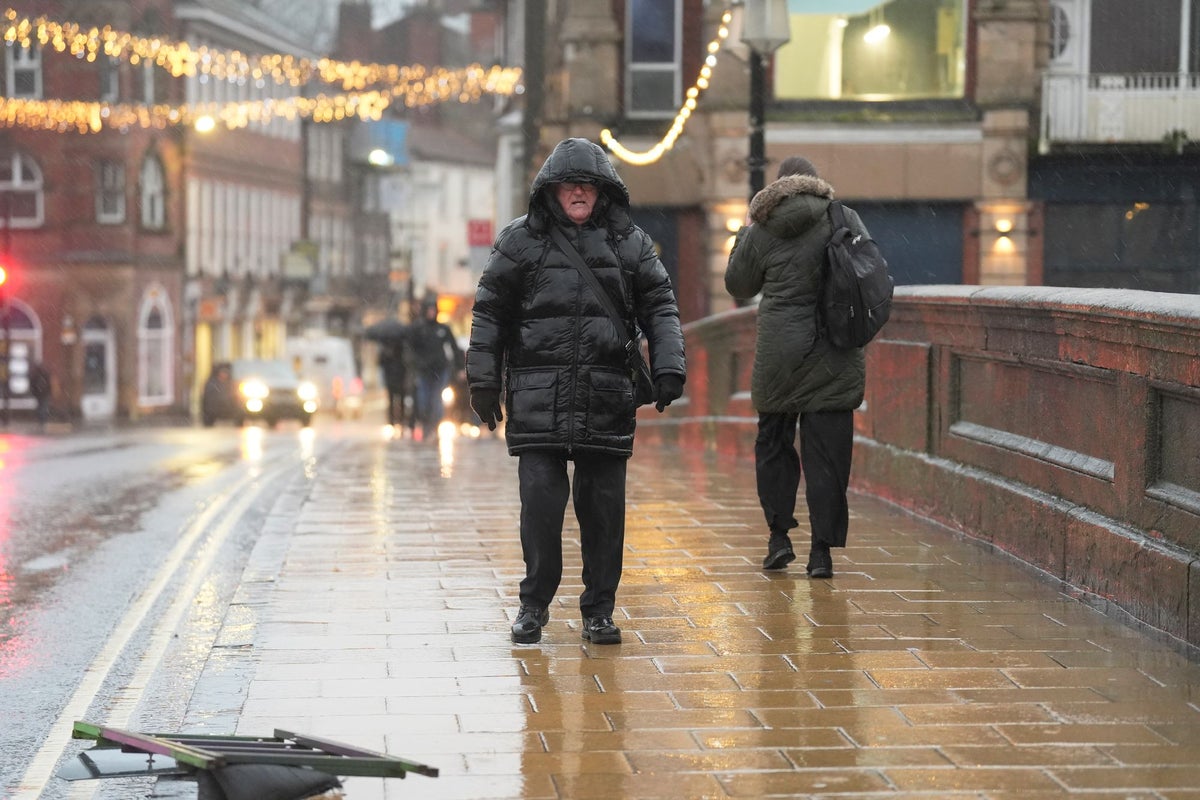
England has experienced its wettest winter in a decade, following a season marked by storms and snowfall.
Rainfall in England has been 35 per cent above the long-term average for the whole winter, with 326.6 mm recorded up to 25 February, according to provisional figures by the Met Office.
While it doesn’t rank in the top 10 wettest winters since records began, it is the wettest since 2016, when England recorded 330.5 mm rainfall over the season. The wettest winter on record for England was in 2014, when 401.0 mm of rain was recorded.
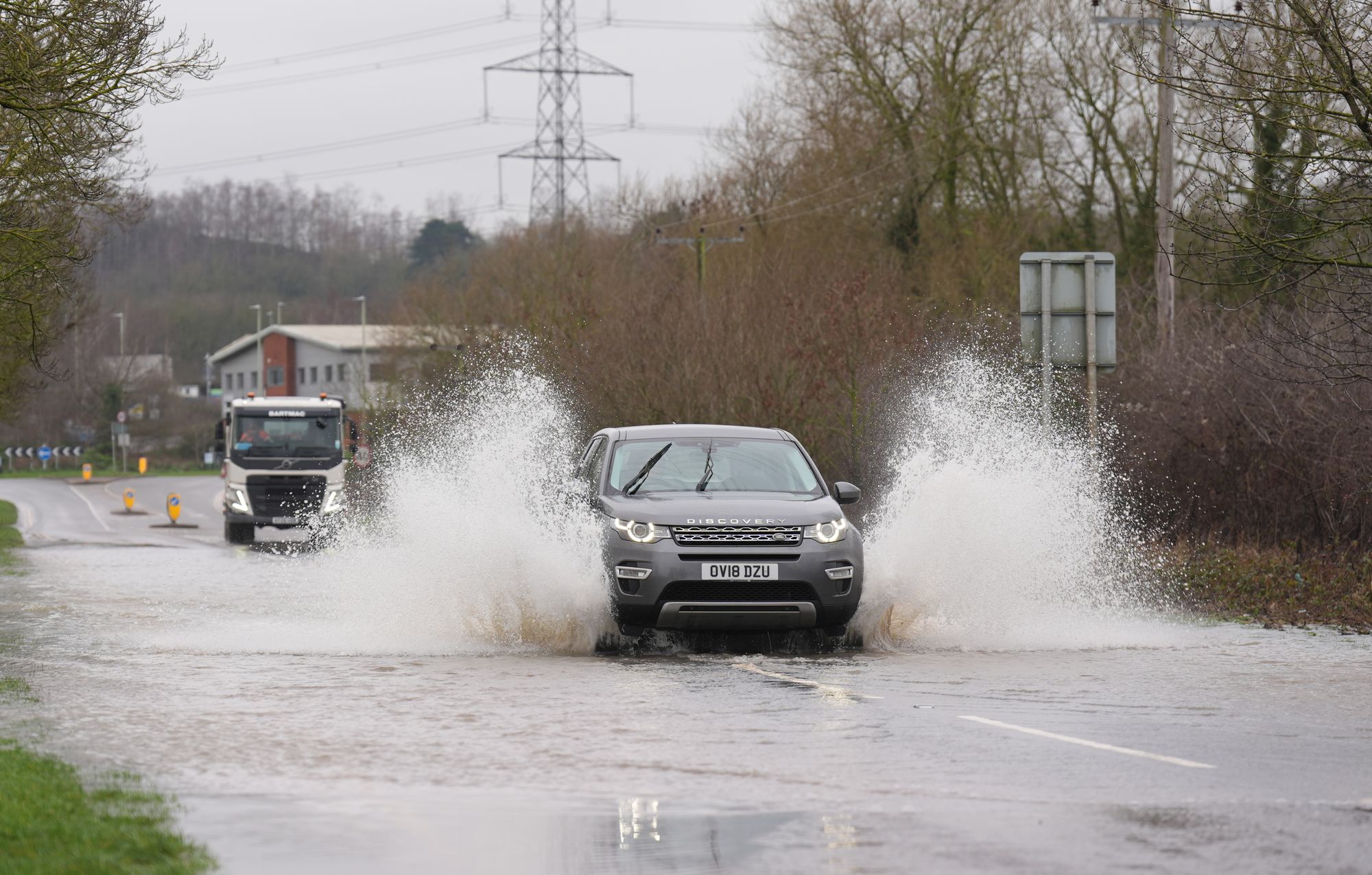
On the whole, rainfall in the UK tracked 9 per cent above the average for the entire season, described by the forecaster as “wet, but nowhere near record-breaking territory”.
Rainfall was marked by a north-south divide as southern England is currently experiencing its seventh wettest winter since records began in 1836, with 336.1 mm of rain recorded so far. The region’s wettest weather was also in 2014, recording 413.3 mm of rainfall.
Meanwhile, Scotland saw a particularly dry winter, with rainfall 16 per cent below the winter average. Eastern areas of Scotland experienced 19 per cent above their seasonal average rainfall, whilst northern areas saw 34 per cent below.
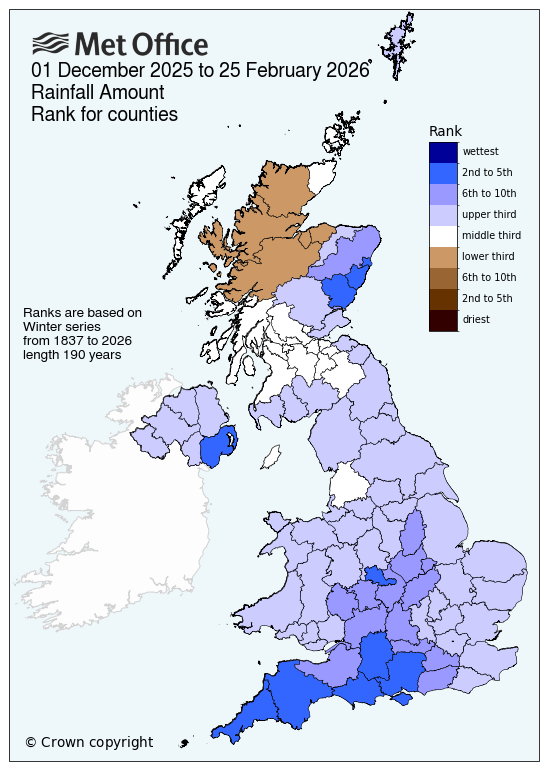
Counties like Dorset and Cornwall have both experienced their second-wettest winter already, the Isle of Wight and County Down their third, and Angus, Kincardineshire, Hampshire and City of Aberdeen their fourth.
The forecaster said that these rankings could still shift as the meteorological winter continues.
Met Office senior scientist Mike Kendon said: “With only days left of meteorological winter, many people may be surprised that no national rainfall records are expected, despite what has felt like an exceptionally wet season. A near-continuous run of Atlantic systems over the past three months has brought persistent rain, damaging storms and few dry spells.
“December was wetter than average, January saw near-record rainfall in parts of Northern Ireland and southern England, and by early February, some areas had already exceeded their average monthly totals.
“Although the past week has been more settled, it looks like this winter will close a very wet one for parts of southern England, remembered for its relentless rain as much as its intensity.”
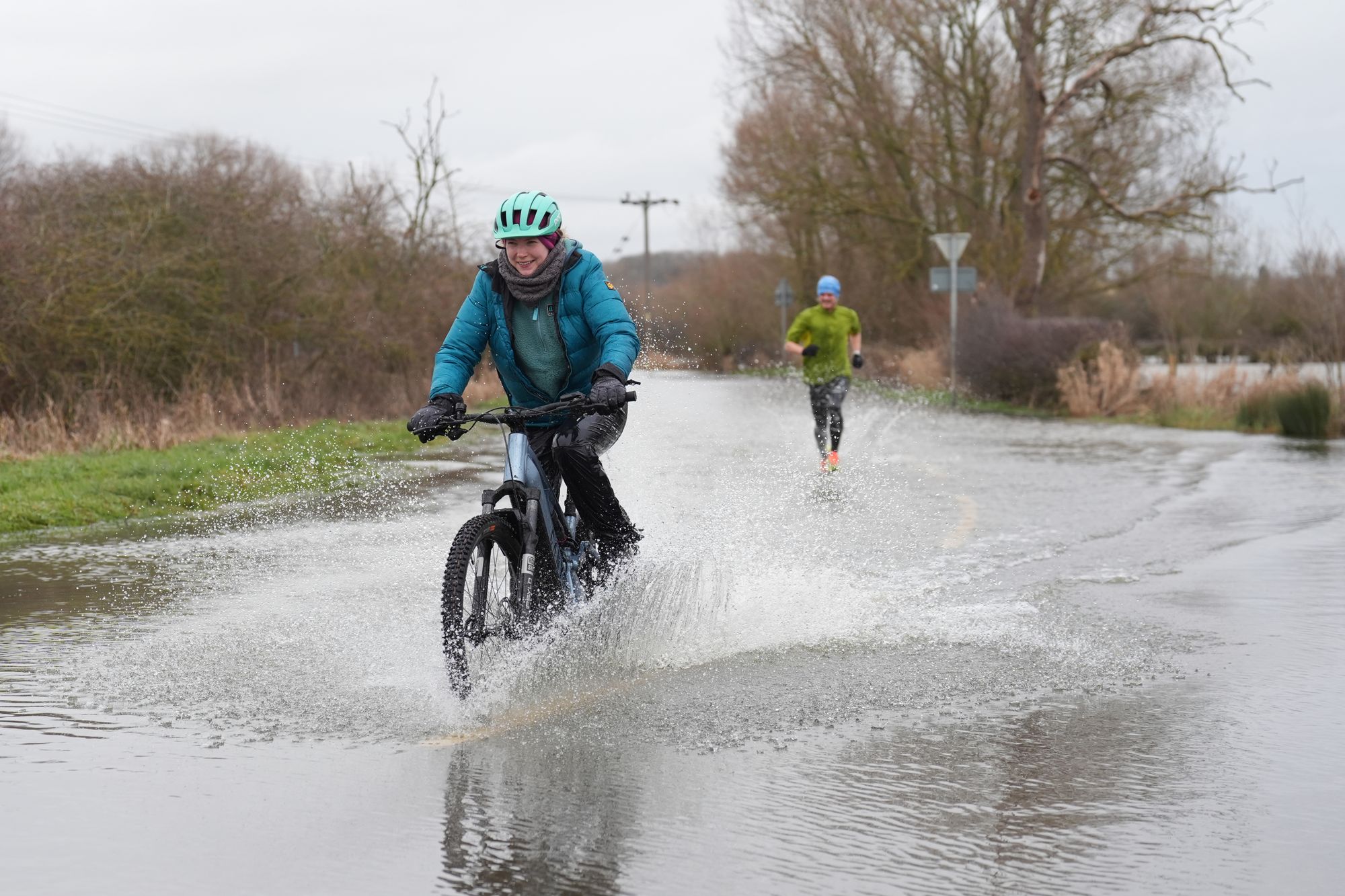
The forecaster’s observations follow a winter marked by successive storms, including Storm Bram in December, as well as storms Goretti, Ingrid and Chandra in January. Severe winds, heavy rainfall and widespread disruption battered parts of the UK.
Storm Goretti, named by the French Meteorological Service, was named a “multi-hazard event” that brought wind, ice, snow and rain to parts of the UK. While Scotland appears to have had a particularly dry season, schools were closed in vast parts of the country at the start of the year due to heavy snowfall.
The Met Office said on 5 February that rain had been recorded every day of the year so far, tracking more than a month’s worth of rainfall.
In contrast, the UK experienced its warmest day of the year so far on Wednesday with temperatures hitting 18.7C in Kew Gardens in London.