
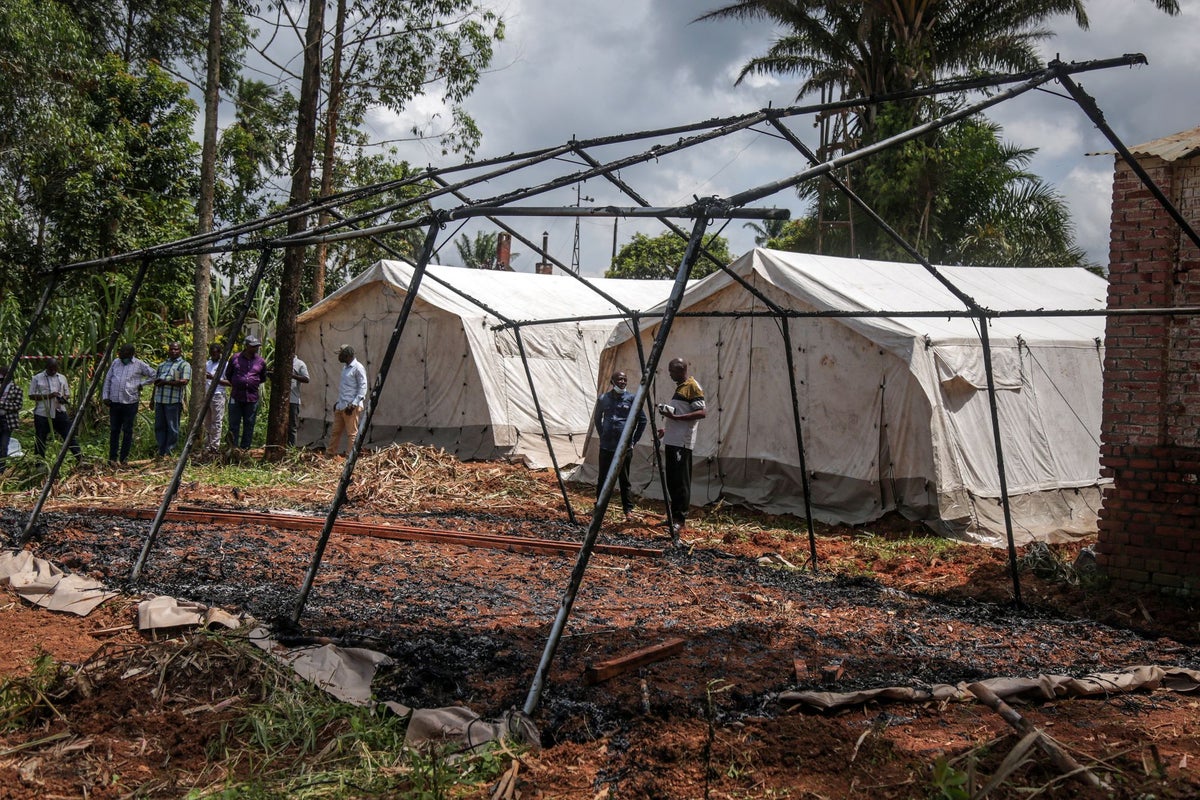
Arson attacks on Ebola treatment centres in eastern Congo have starkly illuminated the profound and complex challenges facing authorities as they battle a global health emergency.
Congolese authorities said Sunday that suspected cases have now passed 900 in the east of the country, mainly in Ituri Province, where the ongoing outbreak is centered.
The deliberate burning of facilities in two towns at the epicentre of the outbreak underscores a deep-seated anger within local communities, exacerbated by years of violence, mass displacement, governmental failures, and international aid cuts.
“A devastating set of emergencies are converging,” warned the Physicians for Human Rights nonprofit, highlighting the precarious environment in a region already grappling with one of the world’s worst humanitarian disasters.
This volatile backdrop significantly complicates efforts to contain a rare and deadly strain of Ebola.
Eastern Congo has long been plagued by violence from dozens of rebel groups, some with links to foreign states or Islamic State. While the Congolese government maintains nominal control over the northeastern Ituri Province, the epicentre of the current Ebola outbreak, this authority is tenuous.

.jpg)
Groups like the Allied Democratic Forces, a Ugandan Islamist faction linked to Islamic State, are dominant, perpetrating brutal attacks against civilians. Insecurity has forced medical professionals to flee, leaving already overwhelmed health facilities in “catastrophic” conditions, according to Doctors Without Borders.
The conflict has displaced nearly a million people in Ituri alone, according to the United Nations humanitarian office.
This means the Ebola outbreak is “unfolding in communities already facing insecurity, displacement and fragile health care systems,” explained Gabriela Arenas, Regional Operations Coordinator at the International Federation of Red Cross and Red Crescent Societies.
A significant concern remains the potential spread of the disease to the vast displacement camps near Bunia, where the first cases were reported.
The Congolese Ministry of Communication, in a post to X on Sunday, said that there were 904 suspected cases and 119 suspected deaths, mostly in Ituri. That was a significant jump from the previously announced more than 700 suspected Ebola cases, though suspected deaths were revised down from more than 170 announced earlier. The change in the number of fatalities could not immediately be explained.
The outbreak has also spread to North Kivu, South Kivu, and neighbouring Uganda, necessitating a fragmented response involving both government and rebel authorities, alongside various aid agencies.
Compounding these issues, health experts point to international aid cuts by the United States and other wealthy nations last year as devastating for eastern Congo. These reductions “reduced the capacity to detect and respond to infectious disease outbreaks,” stated Thomas McHale, public health director at Physicians for Human Rights.
Aid groups on the ground report critical shortages of equipment, including protective gear for health workers, testing kits, and body bags.
“We have made requests to different partners, but we have not yet really received anything,” said Julienne Lusenge, president of Women’s Solidarity for Inclusive Peace and Development. “We only have hand sanitizer and a few masks for the nurses.”
The Bundibugyo type of Ebola virus responsible for the outbreak currently has no approved vaccine or treatment.
The burning of treatment centres in Rwampara and Mongbwalu, areas with the highest case counts, reflects a profound community backlash.
Colin Thomas-Jensen, director of impact at the Aurora Humanitarian Initiative, suggested these attacks stem from the “built-in skepticism and anger” of eastern Congolese over years of neglect, violence, and the failure of both their government and international peacekeepers to protect them.
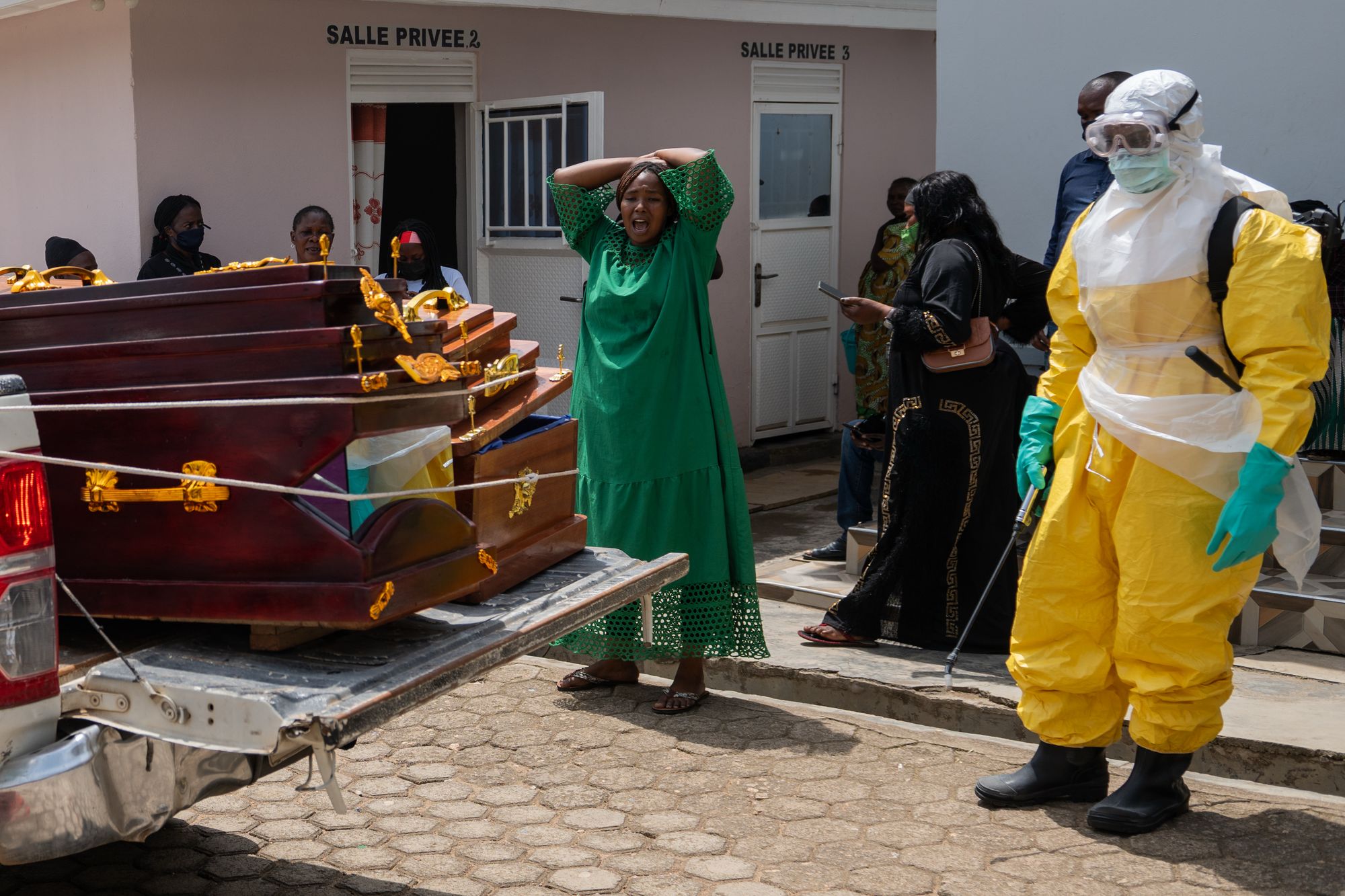
Further anger has been stoked by strict burial protocols for suspected Ebola victims, which authorities enforce to prevent further spread, often overriding traditional family practices. The first centre burning in Rwampara occurred when local youths attempted to retrieve a friend’s body, accusing the foreign aid group of fabricating Ebola cases.
In response, authorities have banned funeral wakes and gatherings of more than 50 people, with armed soldiers and police now guarding burials carried out by aid workers.