
Eating more fruits and vegetables may come with an unexpected lung cancer risk due to pesticide residue on our foods, according to a new study.
While consuming fruits and vegetables has long been considered part of a healthy diet, researchers at USC Norris Comprehensive Cancer Center found that Americans under 50 who don’t smoke but follow healthier diets could be at a higher risk of developing lung cancer, according to Science Daily.
“Our research shows that younger non-smokers who eat a higher quantity of healthy foods than the general population are more likely to develop lung cancer,” said Dr. Jorge Nieva, a medical oncologist and lung cancer specialist, who led the study.
Nieva said these “counter-intuitive findings” raised questions for researchers, who then decided to look into pesticides used on food.
Non-organic fruits, vegetables and whole grains are more likely to have higher levels of pesticide residue compared to other foods, raising concern among researchers that pesticide exposure could be a hidden cause of cancer in young adults, Nieva said.

Additionally, agricultural workers who are exposed to pesticides tend to have higher rates of lung cancer, supporting the research.
The study also found that young women who do not smoke are diagnosed with lung cancer at a greater rate than men of the same age. Women who participated in the study also ate more fruits and vegetables than the men involved.
While lung cancer has long been associated with older adults and smokers, the number of young people who are non-smokers being diagnosed with lung cancer has started to increase, according to the research.
Men were once more likely than women to be diagnosed with lung cancer. However, current research shows that women under 50 who don’t smoke are more likely than men to develop the disease.
To better understand this research, scientists launched the Epidemiology of Young Lung Cancer Project, which included 187 patients who were diagnosed with lung cancer before the age of 50.
Most of the participants in the project had never smoked, and most were diagnosed with a form of lung cancer that is different than the type caused by smoking, according to the report.
Researchers then looked at their diets using the Healthy Eating Index (HEI), which scores how people eat on a scale of 1 to 100. Young non-smoking lung cancer patients had an average HEI score of 65, compared to a national average of 57. Women in the study also had higher HEI scores than men.
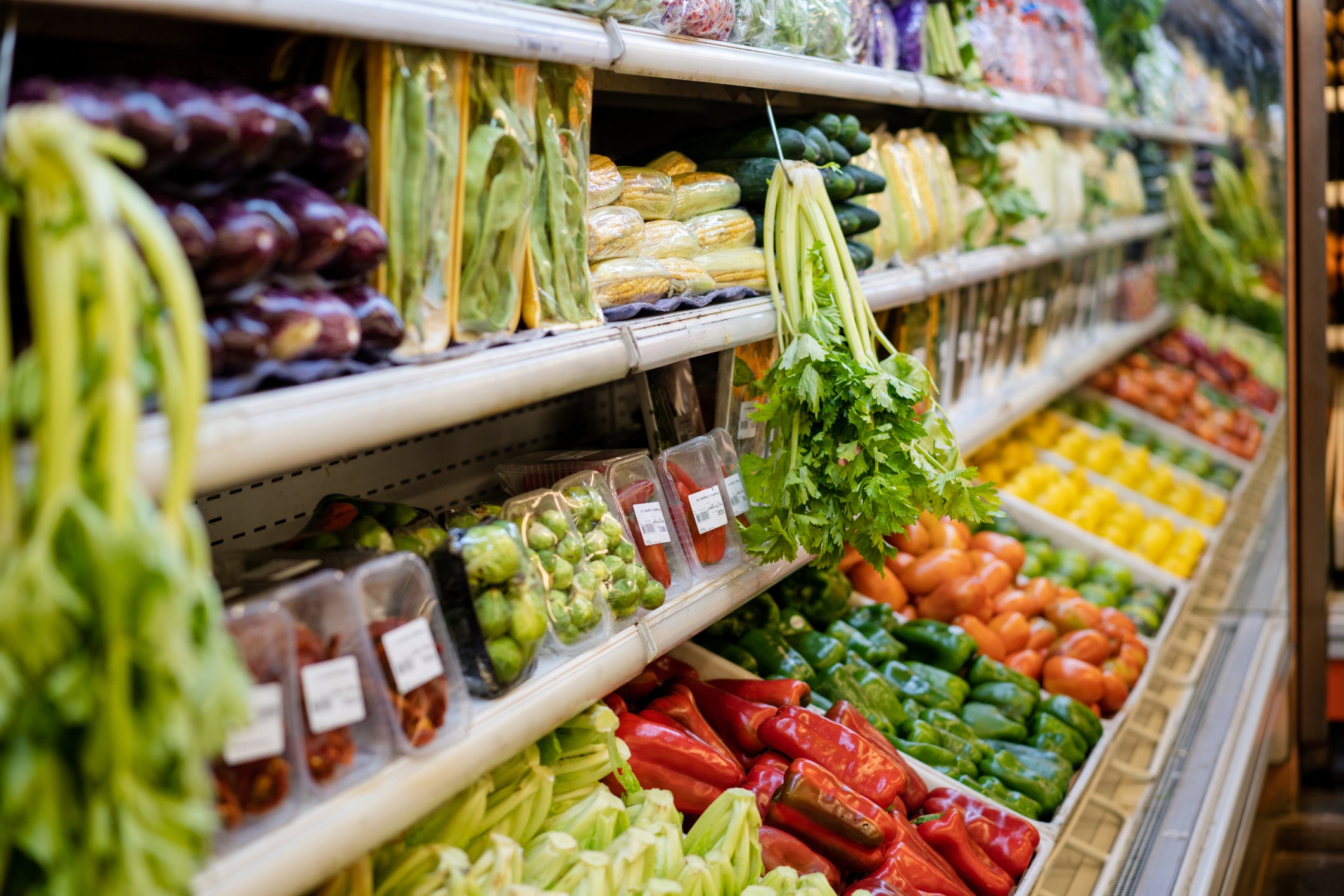
Participants in the study reported eating more fruits, vegetables and whole grains than the average American. These participants said they ate 4.3 servings of dark green vegetables and legumes and 3.9 servings of whole grains each day.
Meanwhile, the average American only eats 3.6 servings of dark green vegetables and legumes and 2.6 servings of whole grains each day.
Despite these findings, Nieva said more research is needed to confirm the connection between pesticide exposure and lung cancer in young, non-smoking Americans.
In future studies, researchers hope to measure pesticide levels directly in patients through blood or urine samples.
“This work represents a critical step toward identifying modifiable environmental factors that may contribute to lung cancer in young adults,” said Nieva. “Our hope is that these insights can guide both public health recommendations and future investigation into lung cancer prevention.”
.jpg?trim=25,0,25,0&width=1200&height=800&crop=1200:800 "Donald Trump ‘called Gianni Infantino’ asking for Folarin Balogun’s World Cup ban to be reviewed – UK Times")