

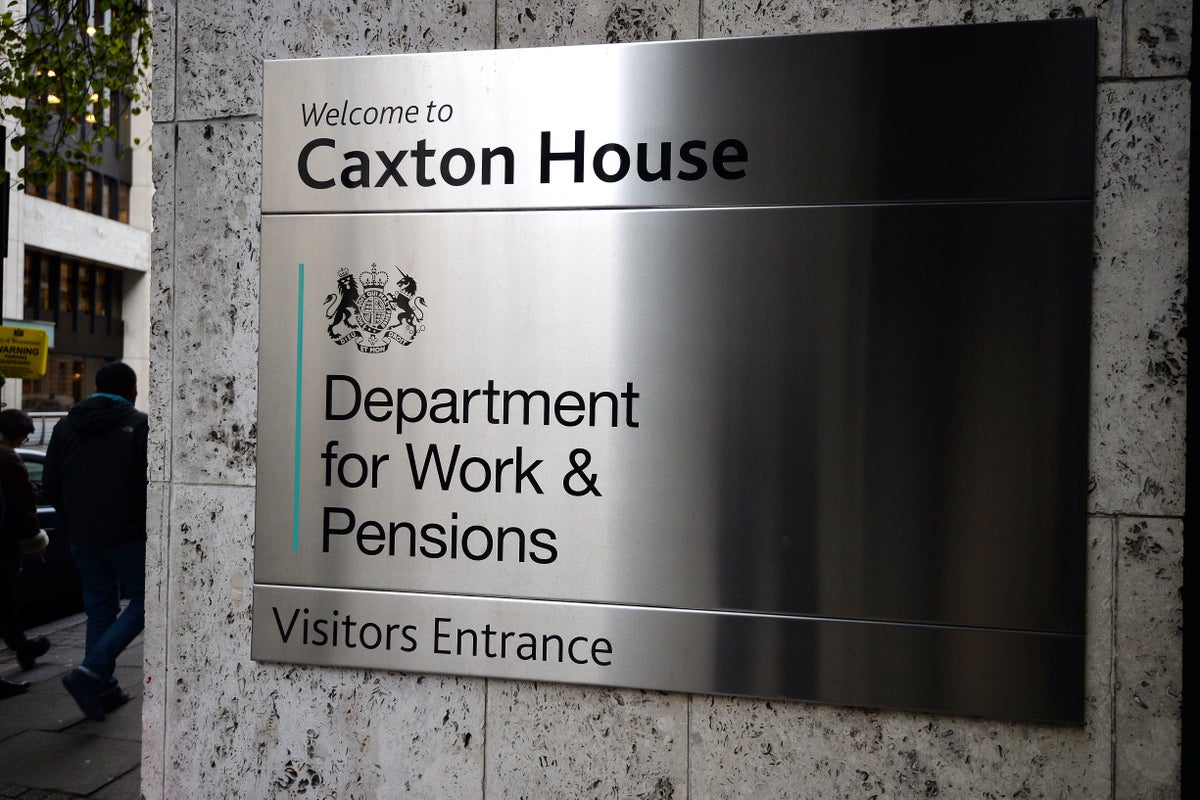
Some benefit claimants have been given an extended deadline to ensure they keep their payments as the government gives a major update on its move to Universal Credit.
The final date to close all so-called legacy benefits and switch claimants onto Universal Credit will be pushed ahead amid efforts to help some of the “most vulnerable”, the Department for Work and Pensions (DWP) said.
The department had pledged that the “managed migration” process of moving people from older benefits onto universal credit (UC) would conclude by the end of March 2026.
This was to involve the closure of working tax credit, child tax credit, income-based job seekers allowance, income-related employment and support allowance (ESA), income support and housing benefit for working-age households.
But on Tuesday, the DWP said as part of its “ongoing commitment to support and safeguard our most vulnerable customers”, employment and support allowance and housing benefit would not be closed off until “the end of the summer”.
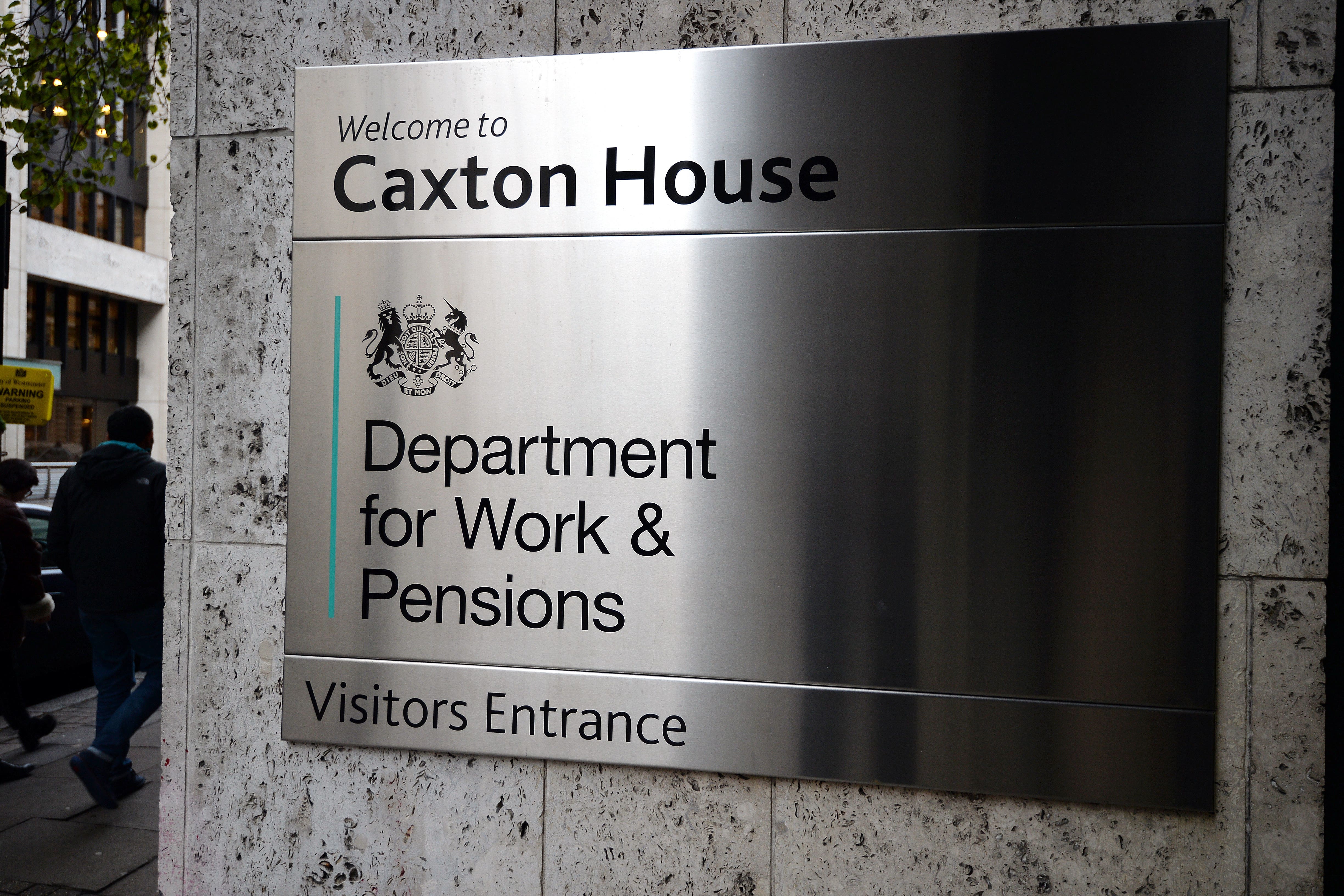
This is so a “limited number of hard-to-reach customers, or customers with significant barriers to claiming, can continue to be supported to make the move to Universal Credit”, the department said.
The managed migration process has so far helped move more than 1.9 million people, including 135,000 income support and income-related jobseeker’s allowance claimants to UC, the department said.
A 2024 report by the Public Accounts Committee (PAC) warned that any failure in the process of moving people to UC from legacy benefits could lead to “real-world misery for thousands”.
That report noted that the Department for Work and Pensions had said it expected that around 4% of the claimants who were on older benefits at that point would not switch to UC under the process.
As its target deadline passed, the Government said it was providing extra support to those on ESA and housing benefit, including a dedicated telephone helpline and home visits.
Social security and disability minister, Sir Stephen Timms, said: “Our Move to Universal Credit campaign has been successful in moving over 1.9 million people from legacy benefits to the modern Universal Credit system.
“Vulnerable customers have been at the forefront of this campaign. In their interests, we are extending the deadline for income-related Employment Support Allowance claimants to move over.
“This Government is committed to updating the welfare system so that it promotes opportunity, rather than stifling it – as part of our Plan for Change.

“The campaign means the number of people on Universal Credit has increased, particularly the number of people who receive the benefit with no requirement to look for work, as, since June last year, the focus has been on moving vulnerable people from Employment and Support Allowance.”
Figures published in February showed the total number of UC claimants in Britain stood at 8.34 million in December 2025, up by almost a million from 7.36 million 12 months earlier.
The data breakdown showed that more than three-quarters of this increase was not caused by new claims, but instead was made up of people who moved onto UC from other benefits.
The Government has described UC as a benefit that “better reflects today’s labour market and opens up a range of support to help people move closer to, or into work”.
As part of Government efforts to tackle the growing welfare bill, previously announced reforms will come into effect in April, reducing the health element of UC to address what ministers said were “perverse incentives” in the system, saving almost £1 billion and tackling “welfare dependency”.
Last year ministers were forced to climb down on plans to also reform disability benefits, including for those with mental health conditions, in the face of backbench Labour opposition.
Instead of immediate reform, the Timms review is seeking views on personal independence payment (Pip) and how it works, with minsters promising any changes to the benefit – which helps with extra living costs for people who have a long-term physical or mental health condition or disability and difficulty doing certain daily tasks or with mobility because of their condition – have been postponed until after that takes place.
The review is expected to report to Work and Pensions Secretary Pat McFadden by autumn, with the Government stating that an interim update will come ahead of that.