.jpg?trim=0,0,0,0&width=1200&height=800&crop=1200:800 "Pizza Hut to be sold by Yum! Brands in .7 billion deal – UK Times")


A duathlete from Cambridge who was taken to hospital with severe brain inflammation has shared what it was like to receive his rare diagnosis of tick-borne encephalitis.
Bill Lankford, a 62-year-old retired scientist, began experiencing cold-like symptoms of fatigue, muscle ache and fever in August 2025 after he completing a 50km ultra-distance swim-run across Scandinavia with his wife, Christina Lankford, 60.
After a week, Bill reported feeling “a bit better” only for headaches and flu-like symptoms to return with greater intensity, prompting him to take a Covid-19 test that came back negative.
Within two and a half weeks, the persistent, “bad headaches” prompted him to visit his GP, who was unable to identify the cause of his symptoms.
The following day, Bill attended hospital, where doctors mentioned tick-borne Lyme disease. He was prescribed antibiotics and told he “should be feeling better” within days.
Bill said that “there’s no words in the English language to describe how painful” the next three days were for him, as he experienced debilitating headaches, disruptions in sleep, difficulties with balance, blackouts, and sensitivity to “flickering lights and fast-moving images”.
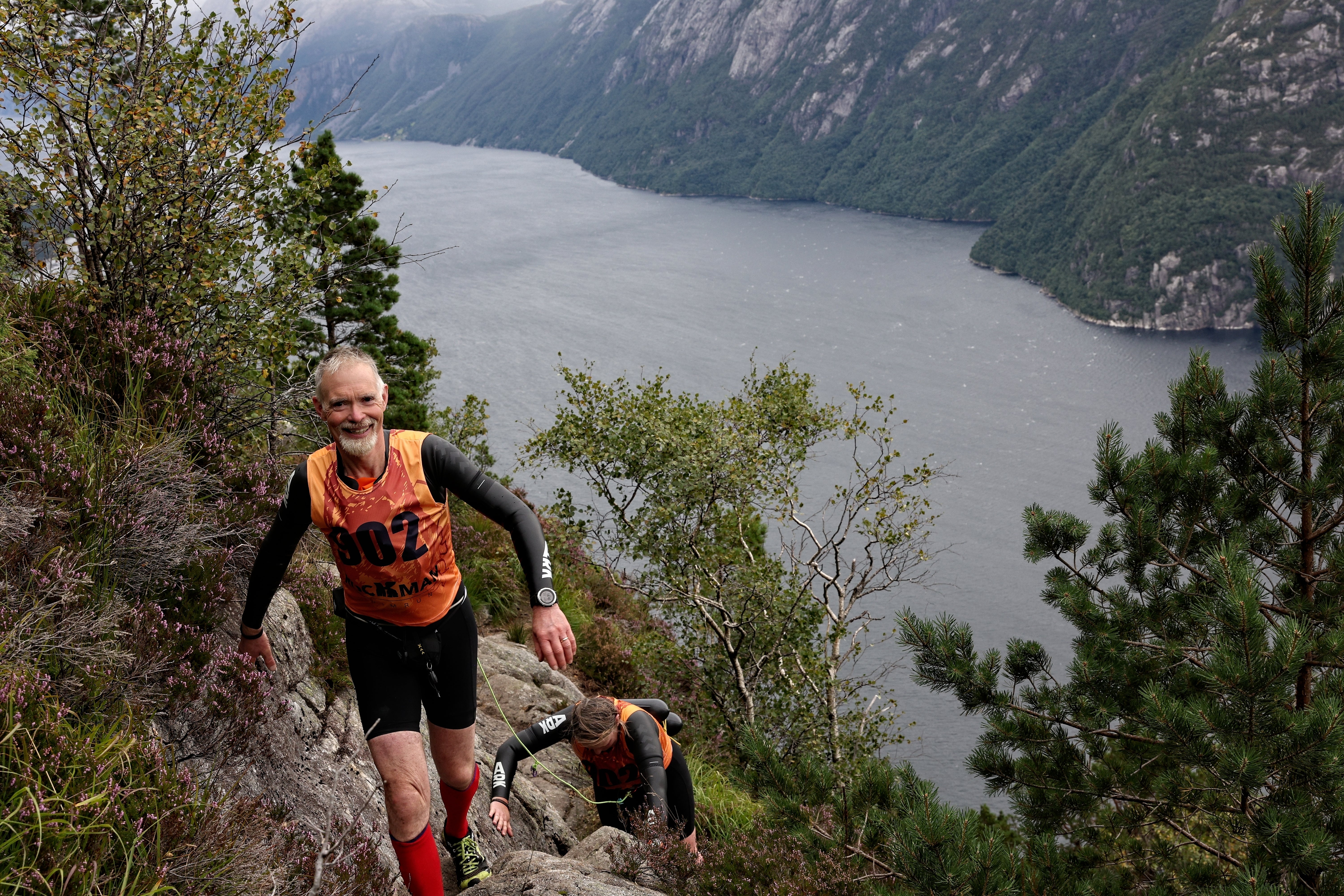
He went back to hospital and completed what he said felt like “hundreds” of tests – including cerebrospinal fluid sampling – before he was diagnosed with tick-borne encephalitis in September 2025, aged 61.
“It’s quite difficult for medical staff to diagnose,” Bill said.
“I was basically tested for everything from Aids to Zika… it’s only when they did a spinal tap of the cerebrospinal fluid that they found the virus.
“But due to the illness and brain pressure, I don’t remember any of the discussions about the diagnosis while in the hospital.
“I think for anyone who’s going through anything to do with encephalitis, you don’t take it all in.”
Tick-borne encephalitis is a viral infection spread by tick bites that can cause flu-like symptoms, loss of consciousness, acute headache, memory problems, emotional or behavioural changes, and seizures, according to Encephalitis International.
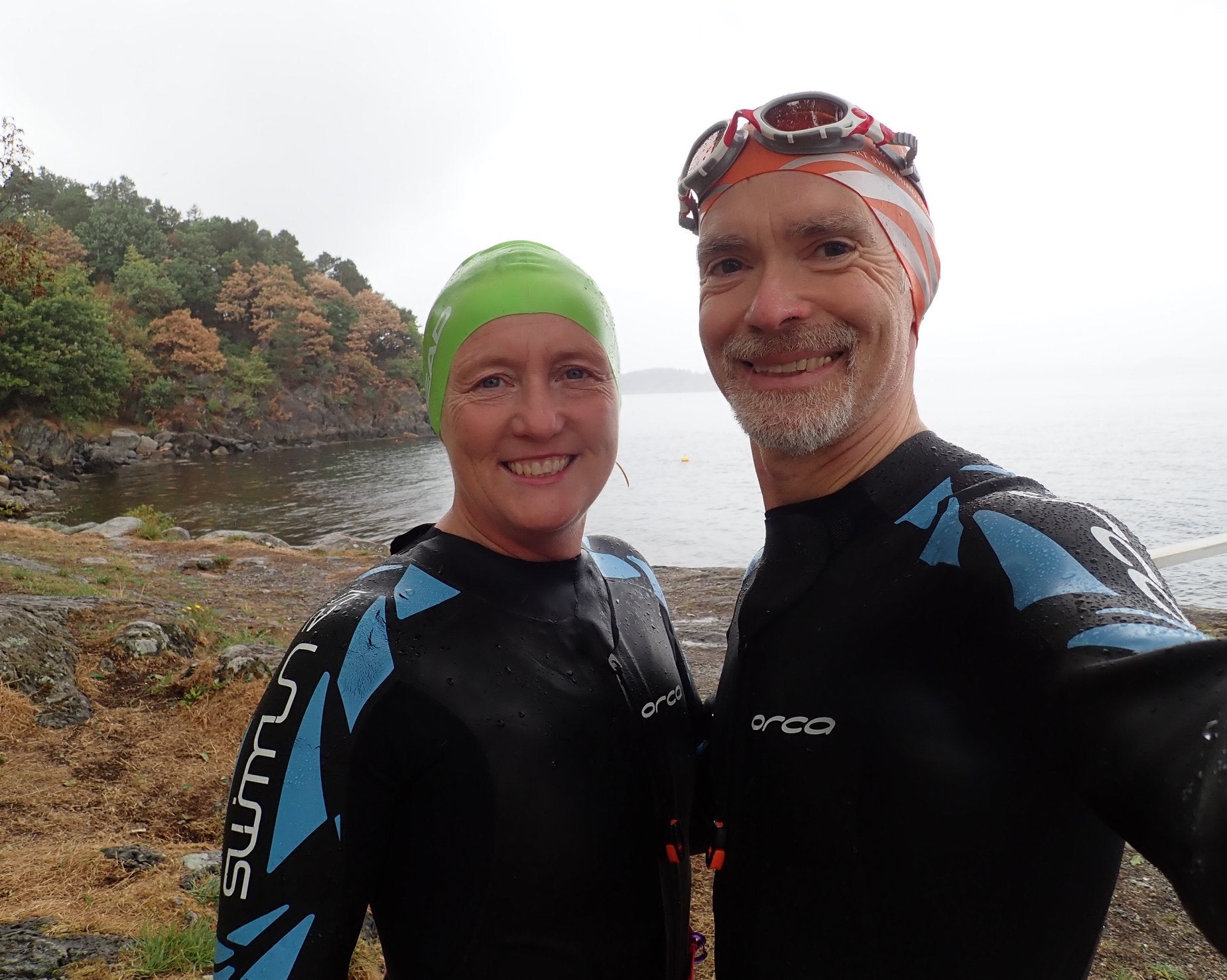
Before his diagnosis, Bill said he was in “very good shape” and was living a “happy and healthy life” with his wife Christina, especially since they started completing swim-run events from 2016 onwards.
Bill said each race consists of swimming and running on archipelagos or in lake districts and they are wearing a “wetsuit and shoes” the whole time.
In August 2025, the pair flew into Stockholm and completed some practice swim-runs with friends before the main event on August 9 on the Aland archipelago, halfway between Sweden and Finland.
Bill said: “You’re running through the forests, cliffs and beaches, and swimming across the bays and in between the islands.
“It was about 10km of swimming and just over 40km of running.”
Despite it being “quite hardcore”, Bill said he kept a “steady pace” and felt “really good” throughout the event, finishing it within 11 hours.

The pair then took some time to relax afterwards with tubs and saunas, as well as camping and sightseeing, where Bill noticed he had what he thought to be red midge and mosquito bites.
According to the NHS, tick bites are not usually painful, but they can cause a red lump to develop, as well as swelling, itchiness, blistering and bruising.
It is important to remove ticks quickly and carefully with tweezers to gently grip it as close to the skin as possible and pull steadily away without crushing it.
It was during their journey back to the UK roughly five days after completing the race that Bill said he started experiencing what he thought was a “cold coming on”, including symptoms of fatigue, muscle ache and fever.
He said: “I completely rationalised it, with all of the transport we took and people from different countries.
“Of course I might get a cold because my immune system is probably a bit depressed from the event.”
After about a week, Bill noticed his symptoms improved, but then he started to get a persistent headache and flu-like symptoms.
By the time he saw a doctor roughly two and a half weeks after first feeling unwell, Bill said his headache had worsened, but his GP did not know what was wrong so said to monitor it and go to the hospital if it did not improve.
This is how Bill came to be prescribed antibiotics for suspected Lyme disease, but after three days of taking them, his painful headaches escalated.
Bill said: “Now my headache is like an alien trying to get out of my head.
“There’s no words in the English language to describe how painful it is,” he added.
Despite taking paracetamol and ibuprofen, Bill said he was only managing to sleep for 20 minutes at a time due to the pain, he had difficulties with his balance and coordination, he could not lift his feet properly, he developed a sensitivity to bright lights and moving images, and he experienced “momentary blackouts”.

He took a taxi to A&E, where he was admitted, and said he was placed on an IV drip of “antivirals, antifungals and antibacterials”.
For three days, Bill said he had every test from “Aids to Zika” but doctors initially had “no idea” what was wrong, as tick-borne encephalitis is considered rare in the UK, according to Encephalitis International.
Considering his recent travel to Scandinavia, doctors did cerebrospinal fluid sampling and confirmed the diagnosis.
Bill stayed in hospital for a week and the IV treatment started to improve his condition, but it was a slow road to recovery.
Bill said: “Without anyone at home, I couldn’t have looked after myself.
“It’s a bizarre thing where you come out of hospital in a wheelchair and then go to your bed and just tough it out.”
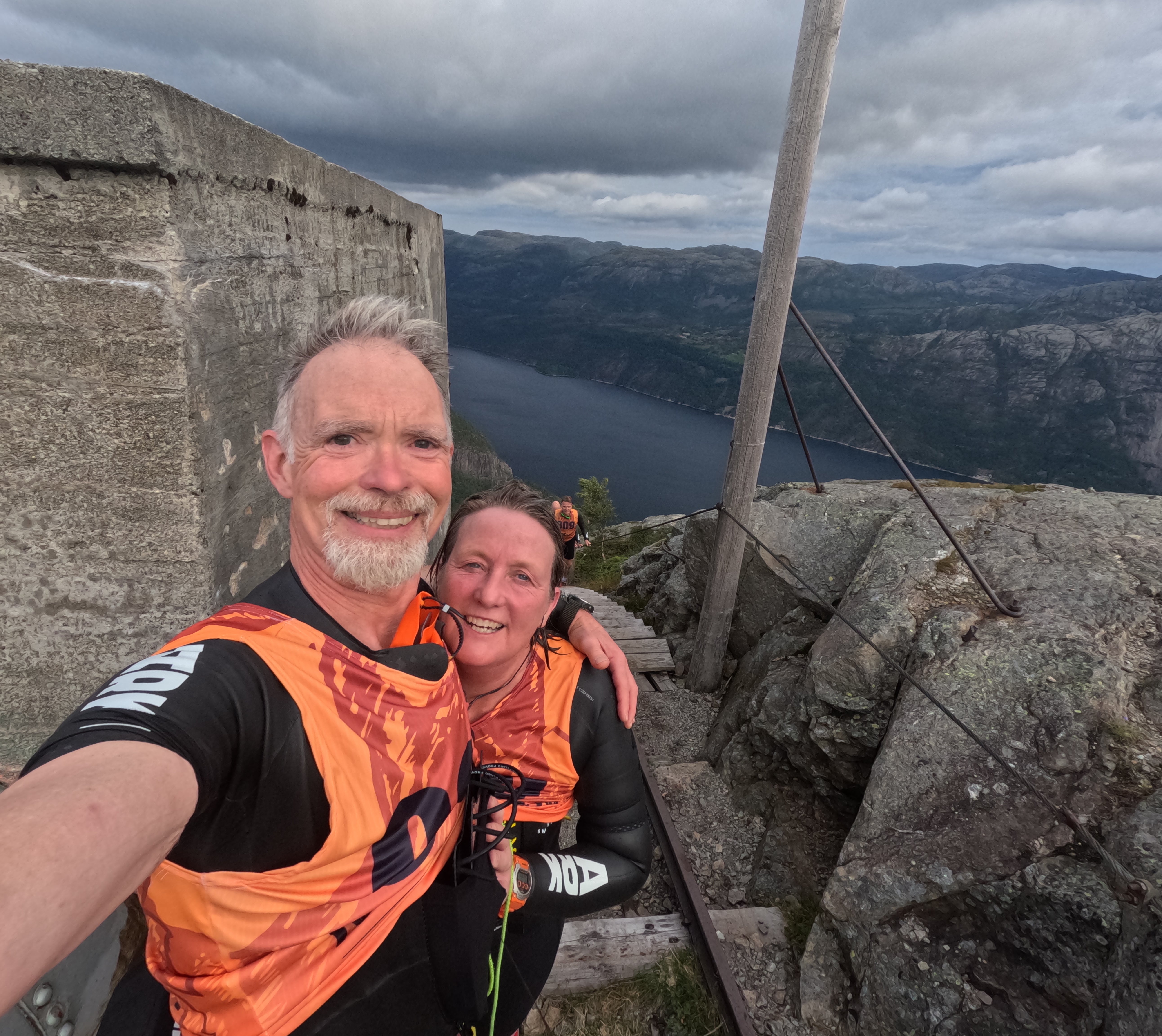
According to the UK Government, there is no specific treatment for tick-borne encephalitis, but there is a vaccine to help prevent it, which Bill said he urges “anyone who is active” in tick-prone areas to “consider” getting vaccinated.
In the immediate aftermath of the diagnosis, Bill said he could not “walk more than 500 metres” at a time and he had to use a walking stick due to balance and coordination issues.
He has also suffered with spontaneous muscle tremors, spatial awareness, nightmares, chronic fatigue, emotion regulation, anxiety, and short-term memory loss.
Nine months on from his diagnosis, Bill said he has been able to slowly build up his physical health by incrementally walking his dogs further each time, short bicycle rides and pilates.
This weekend, he was able to complete his first swim-run event since contracting tick-borne encephalitis, which is a total of 22km in Dorset.
Looking back on how far he has come, Bill said: “In terms of physical fortitude, I’m pretty proud.
“I would never be able to do the long distance events that we did – that’s clearly off the table – but I’m able to do much shorter events.
“It’s not perfect, but I’m really pleased with that.”
For more information about Encephalitis International, visit their website.