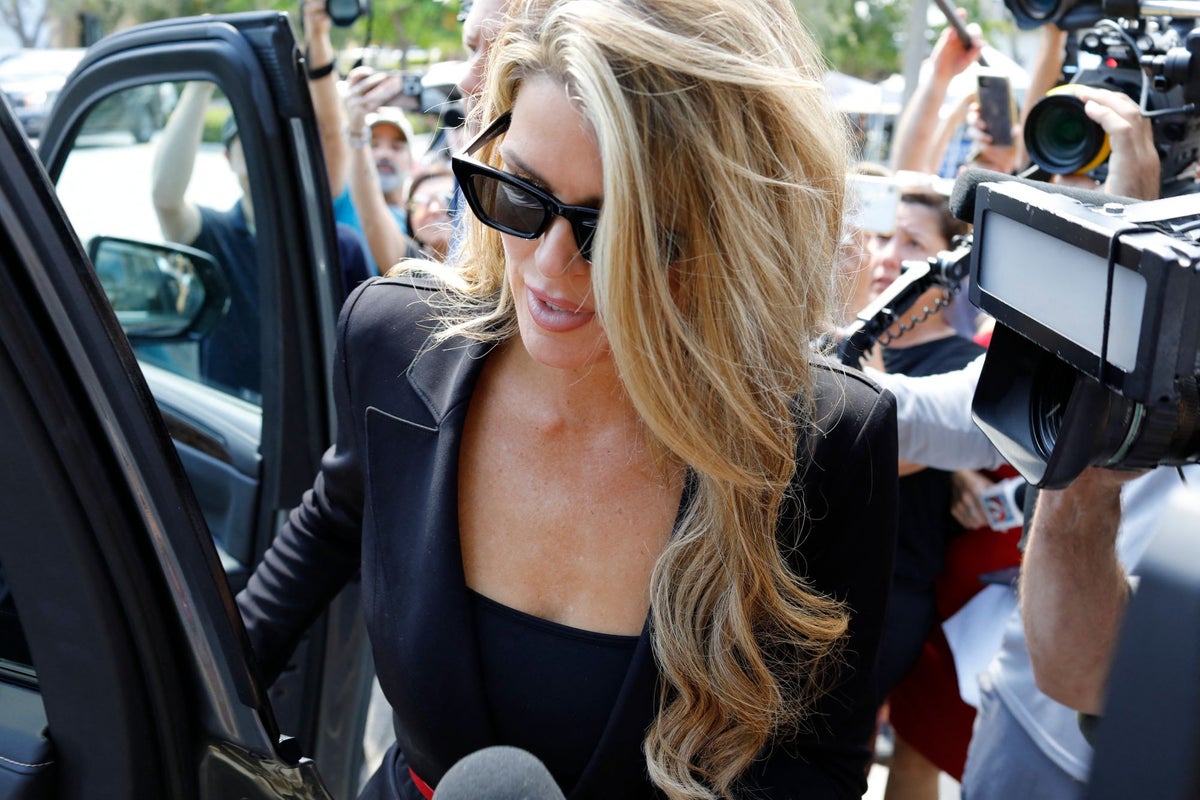
Top officials at the Department of Justice fired off a hostile response to a federal judge who questioned why Lindsey Halligan is still identifying herself as a U.S. attorney in Virginia after she was found to be unlawfully serving in the role.
In their response, Justice Department officials accused the judge of making “rudimentary” legal errors and flouting “elementary” legal principles in a “gross abuse of power” for daring to suggest that Halligan could be misleading the courts.
The document was signed by Halligan and submitted by Attorney General Pam Bondi and Deputy Attorney General Todd Blanche, among others.
Trump nominated his one-time personal lawyer as interim U.S. Attorney in the Eastern District of Virginia after the president boasted of “firing” her predecessor, who had resisted pressure from the administration to prosecute former FBI director James Comey and New York Attorney General Letitia James.
Halligan brought indictments against them days after taking office. A federal judge dismissed both cases and determined that Halligan was serving unlawfully in the role.
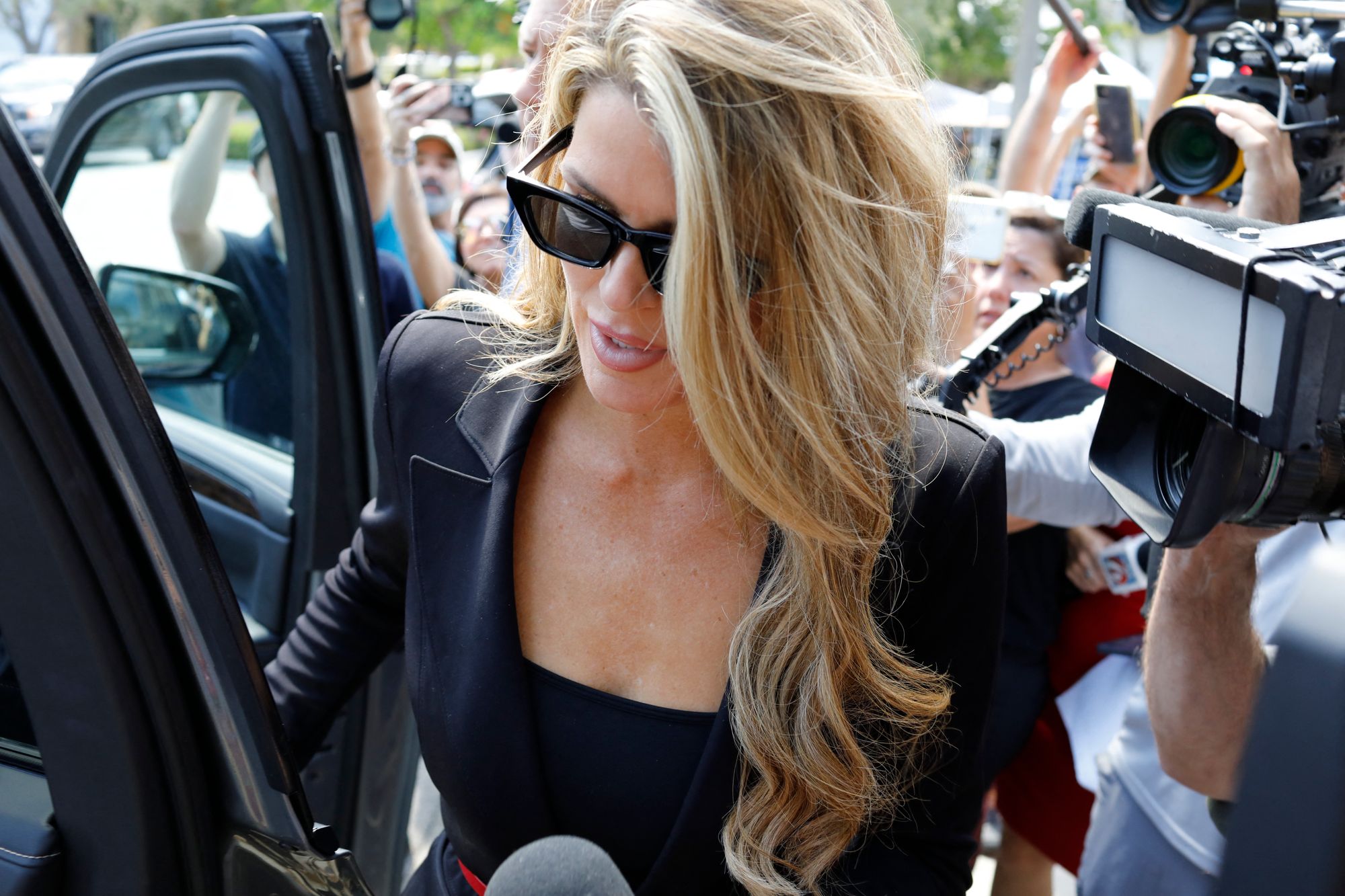
Last week, Trump-appointed District Judge David Novak issued a three-page order giving Halligan seven days to explain why she is still representing herself as U.S. attorney despite November’s order from District Judge Cameron McGowan Currie.
Because Halligan remained in office past the 120-period for interim U.S. attorney, “all actions flowing from Ms. Halligan’s defective appointment,” including the cases against Comey and James, “were unlawful exercises of executive power and are hereby set aside,” according to Currie’s order.
Novak demanded to know “the basis” for her title and to “further explain why her identification does not constitute a false or misleading statement.”
But according to the Justice Department, “Ms. Halligan is the United States Attorney, and Judge Currie’s ruling did not and could not require the United States to acquiesce to her contrary (and erroneous) legal reasoning outside of those cases.”
“The bottom line is that Ms. Halligan has not ‘misrepresented’ anything and the Court is flat wrong to suggest that any change to the Government’s signature block is warranted in this or any other case,” officials wrote Tuesday.
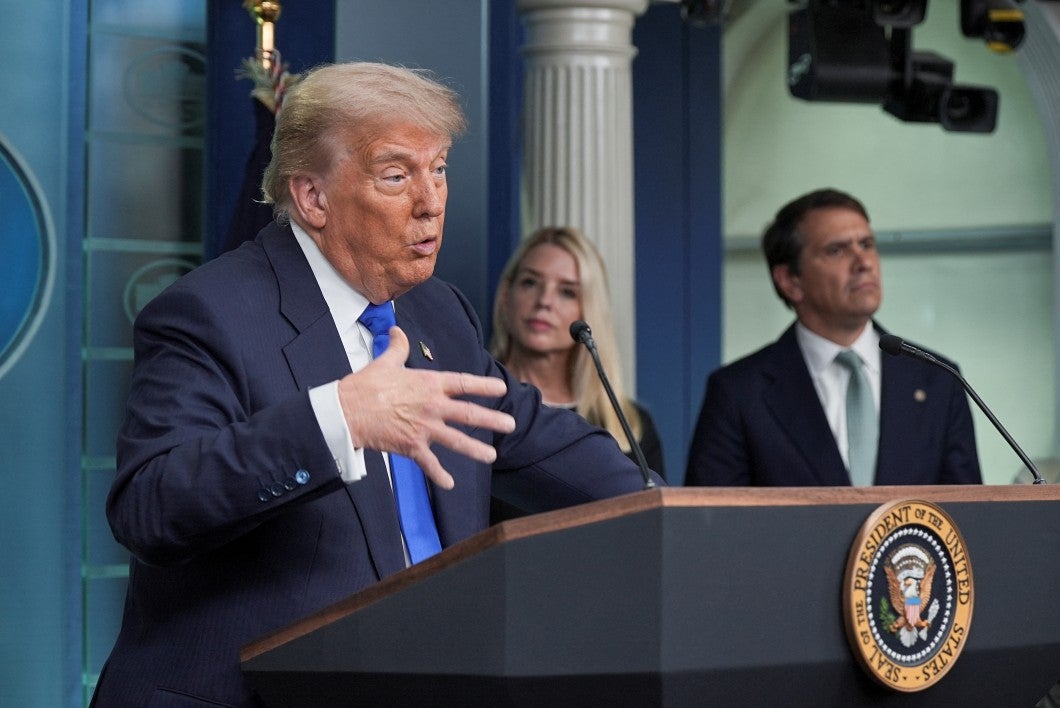
Halligan is meanwhile making another push to serve as a top federal prosecutor in Virginia with support from the White House.
She submitted a questionnaire to the Senate Judiciary Committee, which will consider her nomination before a full Senate vote.
“She’s the President’s nominee,” White House press secretary Karoline Leavitt said in a statement to The Independent last month. “It is our hope that she is confirmed and submitting her questionnaire is part of that process.”
Several other judges have similarly questioned why Halligan has continued to represent herself as the top prosecutor in the Eastern District despite Currie’s ruling.
Last week, Virginia District Judge Leonie M. Brinkeman struck Halligan’s name from a case, saying that “she should resign from the position at this point.”
Halligan is among at least five U.S. attorneys who were determined to be serving unlawfully after they were appointed by the president.
Alina Habba, another former Trump attorney, stepped down from her role as U.S. Attorney for New Jersey after several judges similarly determined she was unlawfully serving as the state’s top federal prosecutor.
Habba, who represented Trump during a blockbuster fraud case in New York and against defamation and sexual abuse claims from E. Jean Carroll, said she is now serving as a “senior adviser” to Bondi.
And last week, a federal judge determined that John Sarcone, the top federal prosecutor in the Northern District of New York, had similarly served unlawfully after the Trump administration tried to outmaneuver deadlines despite the 120-day limit on U.S. attorneys whose nominations had not been confirmed by the Senate.
Judges reached similar decisions in cases challenging the appointments of Trump-backed U.S. attorneys in Nevada and Los Angeles.
Several U.S. Attorneys have resigned over political interference from the Trump administration, which has been accused of pushing out dozens of career prosecutors and law enforcement officials across the country over refusals to drop cases or bring politically charged prosecutions against the president’s perceived enemies and longtime foes.