The doctor who first examined Jeffrey Epstein’s body revealed why she hesitated to determine that his death was a suicide, according to new documents.
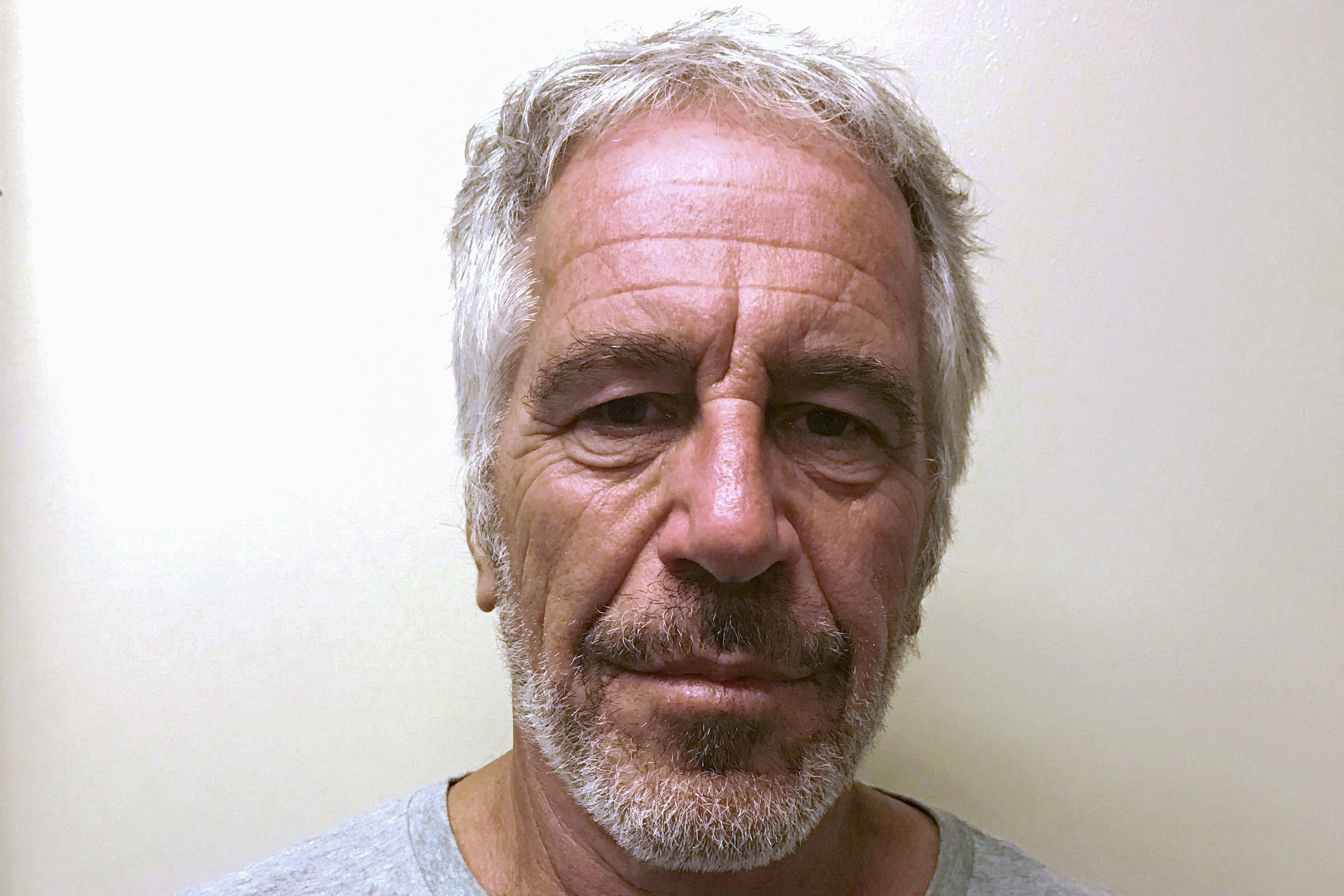
Epstein was found dead inside a New York City jail cell on August 10, 2019, following his arrest on sex trafficking charges. Shortly afterward, officials ruled that Epstein died by suicide. But in the years since, several people close to him, including his convicted accomplice, Ghislaine Maxwell, and his brother, Mark Epstein, have said they believed something else happened.
Now, documents released this year under the Epstein Files Transparency Act have revealed why Dr. Kristin Roman, a New York City medical examiner who performed Epstein’s autopsy a day after he was found dead, initially hesitated to rule that his death was a suicide, Business Insider reports.
On Epstein’s death certificate, rather than selecting “homicide” or “suicide” as his cause of death, Roman checked the “pending studies” box, according to the outlet. Shortly afterward, Dr. Barbara Sampson, New York City’s chief medical examiner at the time, ruled Epstein died by suicide.
Years later, Roman told investigators she was “being thorough” by waiting to officially rule on his cause of death, and that she was certain he hanged himself, according to an interview transcript reviewed by Business Insider.
“If he had been a less high-profile person who there weren’t people wanting to kill, I would have probably called it a hanging on the day of autopsy,” she said during the May 2022 interview.
Roman reportedly said she wanted to speak to the officer who found Epstein’s body and see his jail cell before making her final determination. While she wasn’t allowed to speak with correctional officers or view the cell, Roman said she was still given photos of the room.
She told investigators that these limitations didn’t impact her finding that Epstein died by suicide: “It would have been more for completeness rather than a big factor in making the determination.”
The Independent has contacted the New York City Chief Medical Examiner’s office for comment.
Seven years after Epstein’s death, theories have persisted that he was murdered. Dr. Michael Baden, a forensic pathologist hired by Epstein’s family, is among those who have maintained he died by homicide.
Sampson pushed back on Baden’s claims in October 2019, and said she stands “firmly behind our determination of the cause and manner of death for Mr. Epstein,” according to the Associated Press.
Baden and Epstein’s brother both told Business Insider they still believe Epstein was killed after reviewing Roman’s interview. Baden cited the three fractures found in Epstein’s neck, and said they’re consistent with strangulation.
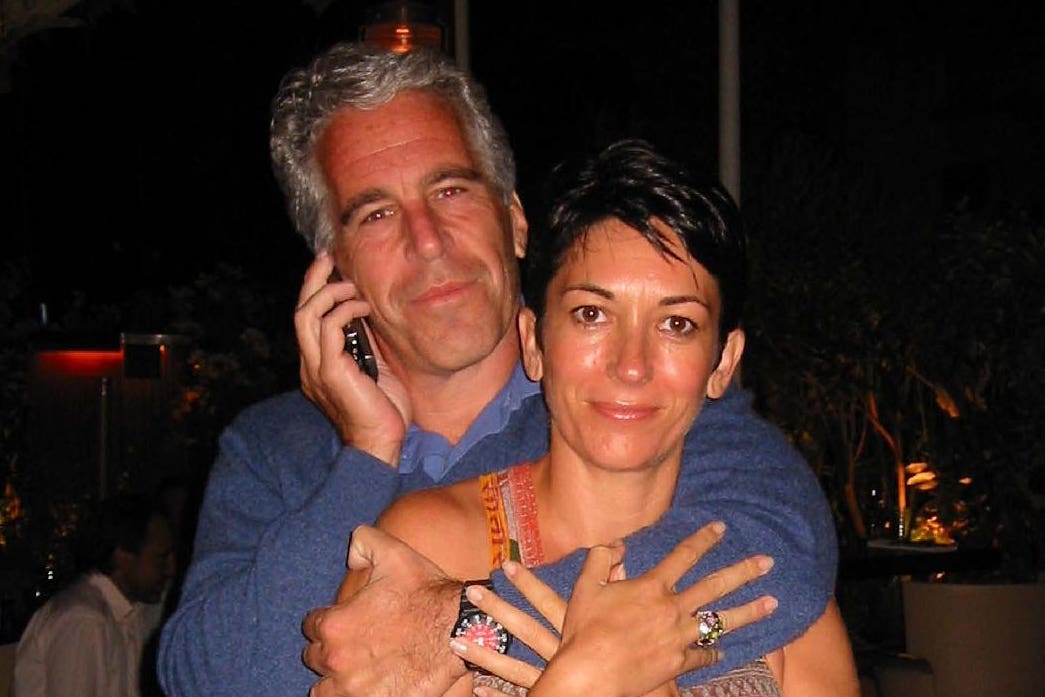
The latest revelations about the autopsy come just months after Maxwell, who is serving 20 years in prison for her role in Epstein’s sex trafficking operation, told the Justice Department she doesn’t think the financier died by suicide.
“I do not believe he died by suicide, no,” she said during the July 2025 interview.
When asked if she has any idea who might’ve killed Epstein, Maxwell replied: “No, I don’t.”
The Epstein case continues to fascinate the nation and was given new interest when Trump promised to release more information during his campaign. After initially saying there would be nothing further released when his administration returned to office, Trump relented and now officials have released millions of files related to the investigation into the dead financier’s crimes under the Epstein Files Transparency Act.
This trove of documents included thousands of emails, documents, photos and videos, many of which referenced high-profile figures, including President Donald Trump, who has repeatedly denied wrongdoing.
Appearing in the Epstein files does not imply wrongdoing, and Trump has not been formally accused of a crime related to the Epstein investigation.
If you or someone you know needs mental health assistance right now, call or text 988, or visit 988lifeline.org to access online chat from the 988 Suicide and Crisis Lifeline. This is a free, confidential crisis hotline that is available to everyone 24 hours a day, seven days a week.
If you’re in the UK, you can speak to the Samaritans, in confidence, on 116 123 (UK and ROI), email [email protected], or visit the Samaritans website to find details of your nearest branch. If you are in another country, you can go to www.befrienders.org to find a helpline near you.