Declining living standards and online misinformation is fuelling a global surge in measles, experts have warned, decades after the spread of the disease was curbed by vaccination programmes.
Dr Ben Kasstan-Dabush, a medical anthropologist at the London School of Hygiene & Tropical Medicine, warned that a “generational decline in living standards” was among the factors behind declining immunisation rates across the world.
He also blamed a “vicious” austerity programme introduced by former chancellor George Osborne for a decline in NHS vaccination rates in the UK.
His comments followed a recent report by the World Health Organisation (WHO) warning that the rise in measles cases is a consequence of declining vaccine rates – and that other diseases prevented by vaccination could be next.
“It’s a global story,” Dr Kasstan-Dabush told The Independent. “The issue of declining vaccination coverage can’t really be separated from the bigger picture of declining standards of child and adult health.”
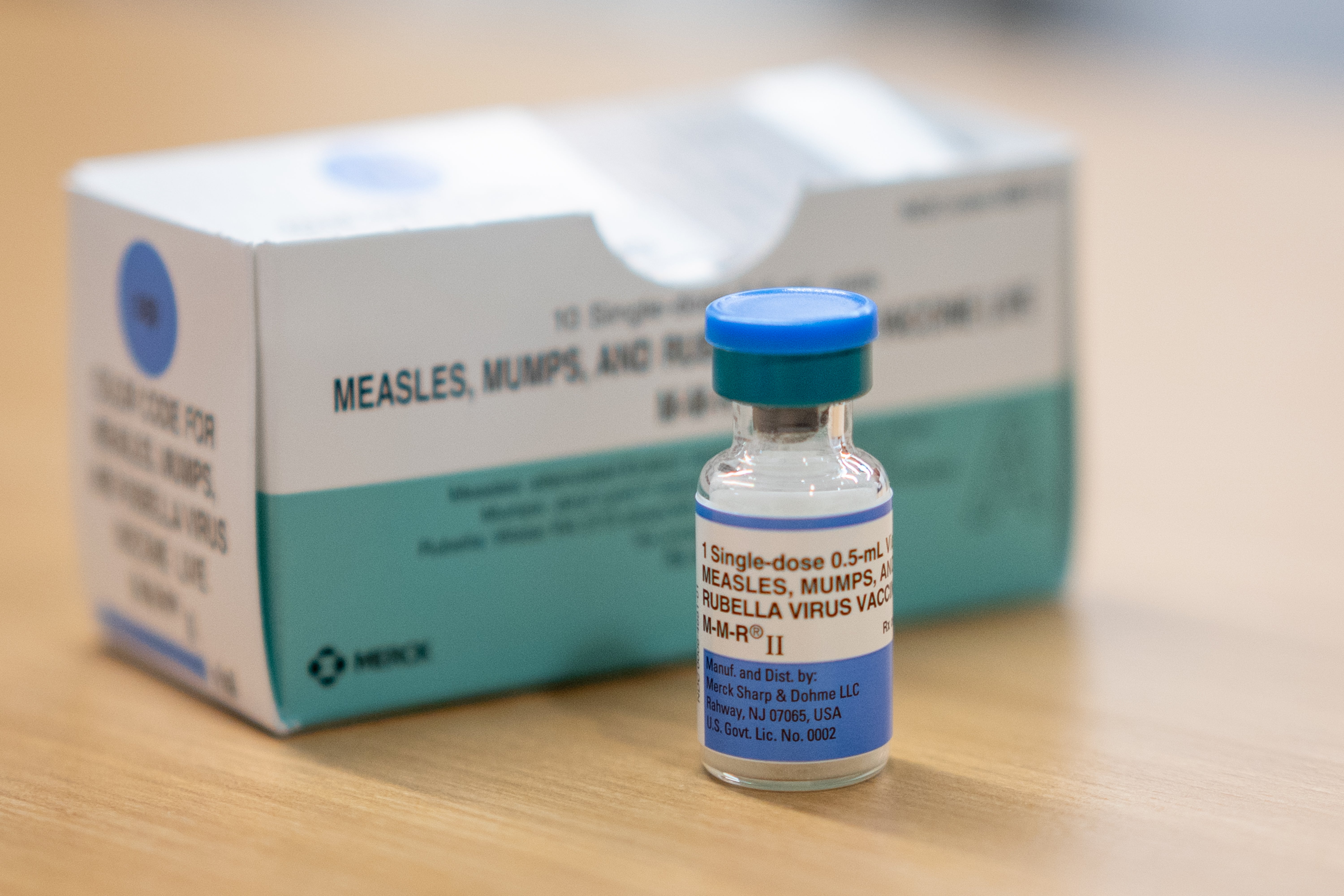
The UK alone has had an 831 per cent increase in the last decade. Data from the UK Health Security Agency reveals that 847 cases were recorded between January to November this year, while in 2015 there were just 91 cases.
Last year in 2024 was one of the highest years for measles in the UK, as the health agency recorded 2,911 confirmed cases.
An estimated 95,000 people worldwide, mostly children, died from the virus last year, the WHO report said. In 2024, there were 59 countries experiencing large or disruptive outbreaks, almost three times as many in 2021. A quarter of these countries had previously eliminated measles.
But perhaps the starkest and most concerning revelation in the report was the fact that as many as 30 million children are not fully protected by vaccination.
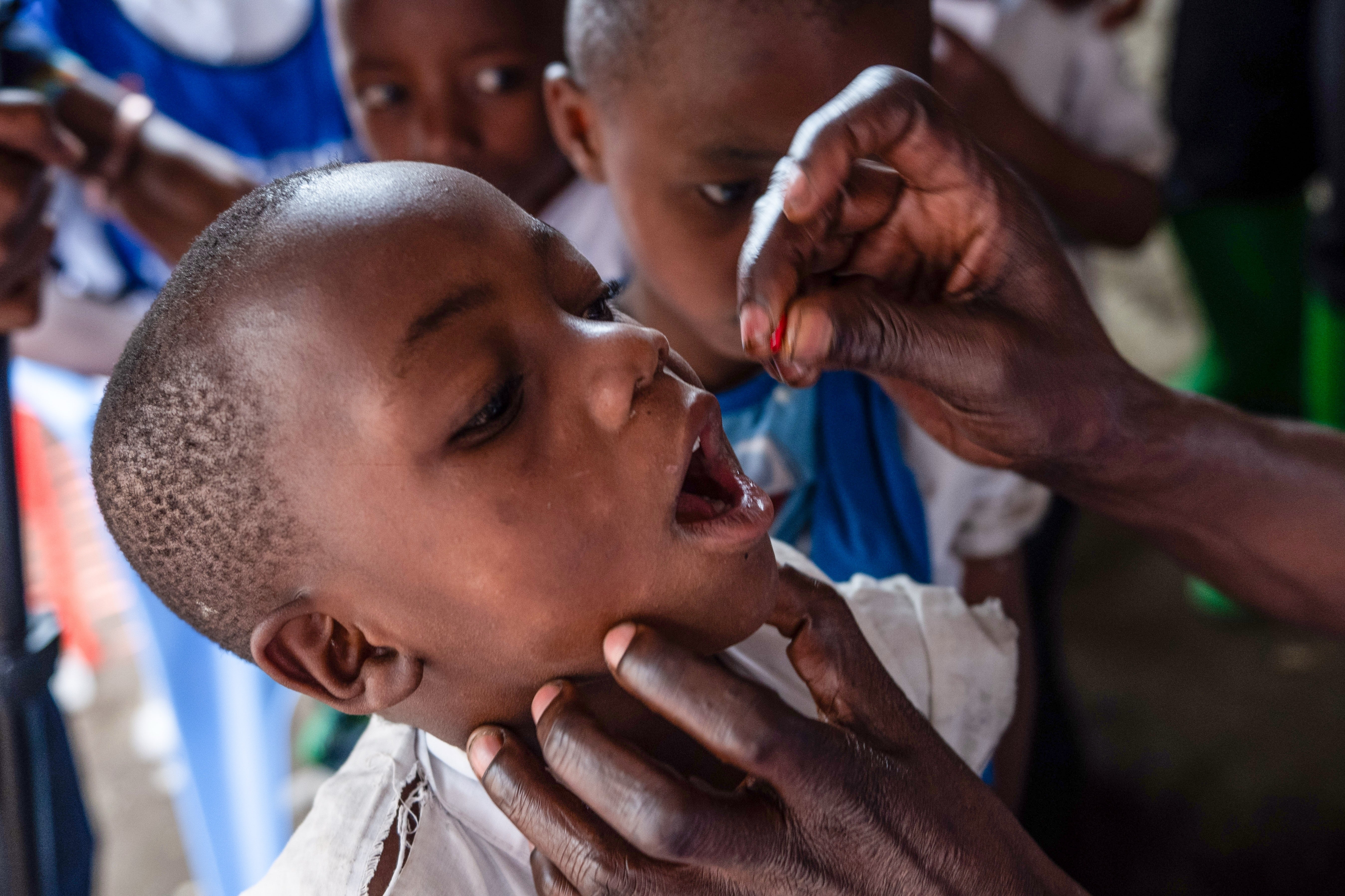
Only 84 per cent of children globally received their first dose of measles vaccine last year – and just 76 per cent received the crucial second dose.
The decline in vaccination rates has been blamed on growing levels of misinformation online, which became particularly prominent during the mass anti-vaccination movements of the Covid pandemic.
“There’s certainly misinformation around vaccination does exist and does proliferate,” says Dr Kasstan-Dabush. “Misinformation is is just being spewed from the highest political echelons of the United States.”
But combatting this misinformation has been far more difficult in an era of cuts to public funding, he says. Looking at the UK in particular, he says budget cuts at both a local authority level and a national health level have seen vital communication and engagement work around vaccinations suffer.
“We can talk about misinformation, but we have to understand how can we physically do something about it? How can we address it in this context of austerity that, to be honest, never really left us.”
The impact of austerity on vaccination has also been felt in other countries, he says.
In Italy, he says there is “absolutely clear evidence” that austerity measures in certain areas “correlated with declining vaccine uptake”.
He added: “Austerity was not specific to the UK, it happens across European countries. And what we will see now in the absolutely kind of shameful decision of the UK Government to cut global health and development funding, is the possible impact of that in the Global South.
“And so the story is complex, from the local to the national to the global.”
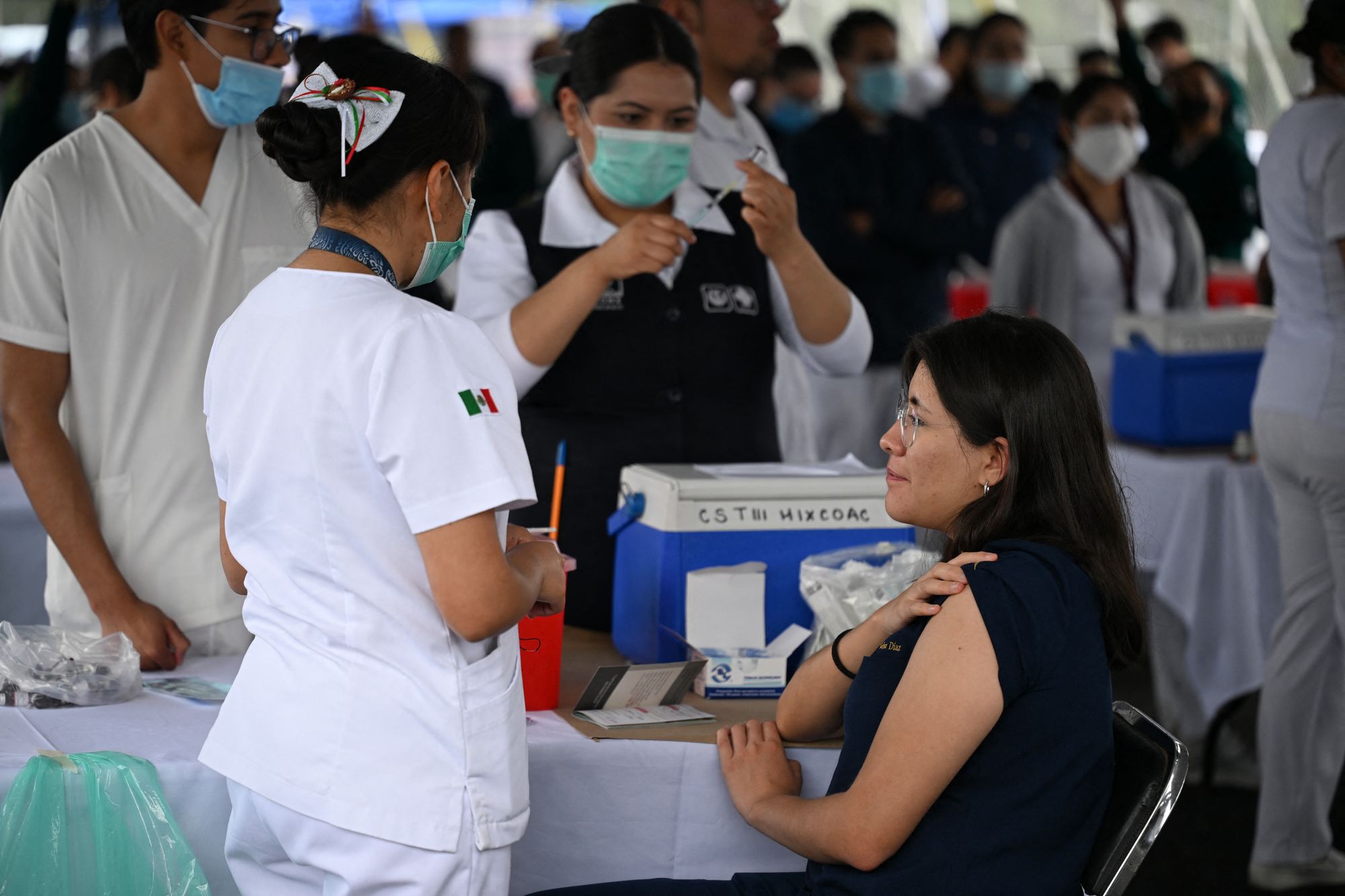
WHO’s director of the Department of Immunisation, Vaccines and Biologicals Dr Kate O’Brien, warned that declining vaccination rates could be a sign that the world is about to face a number of different outbreaks.
“It’s crucial to understand why measles matters,” she said, explaining the outbreak of measles is often the first disease to flare when vaccination rates of all diseases drop.
“Its high transmissibility means that even small drops in vaccine coverage can trigger outbreaks, like a fire alarm going off when smoke is detected first.
“When we see measles cases, it signals that gaps are almost certainly likely for other vaccine-preventable diseases like diphtheria or whooping cough or polio, even though they may not be setting off the fire alarm just yet.”
The WHO’s latest report found in 2024 there were an estimated 11 million measles infections worldwide, nearly 800,000 more than were recorded in 2019.
Last year, Canada lost its measles elimination status, and the US is on course to also lose its status as outbreaks as the US Centers for Disease Control and Prevention reported 1,798 cases from January to November this year.
The total number of countries that have eliminated measles is currently 96, according to WHO figures.