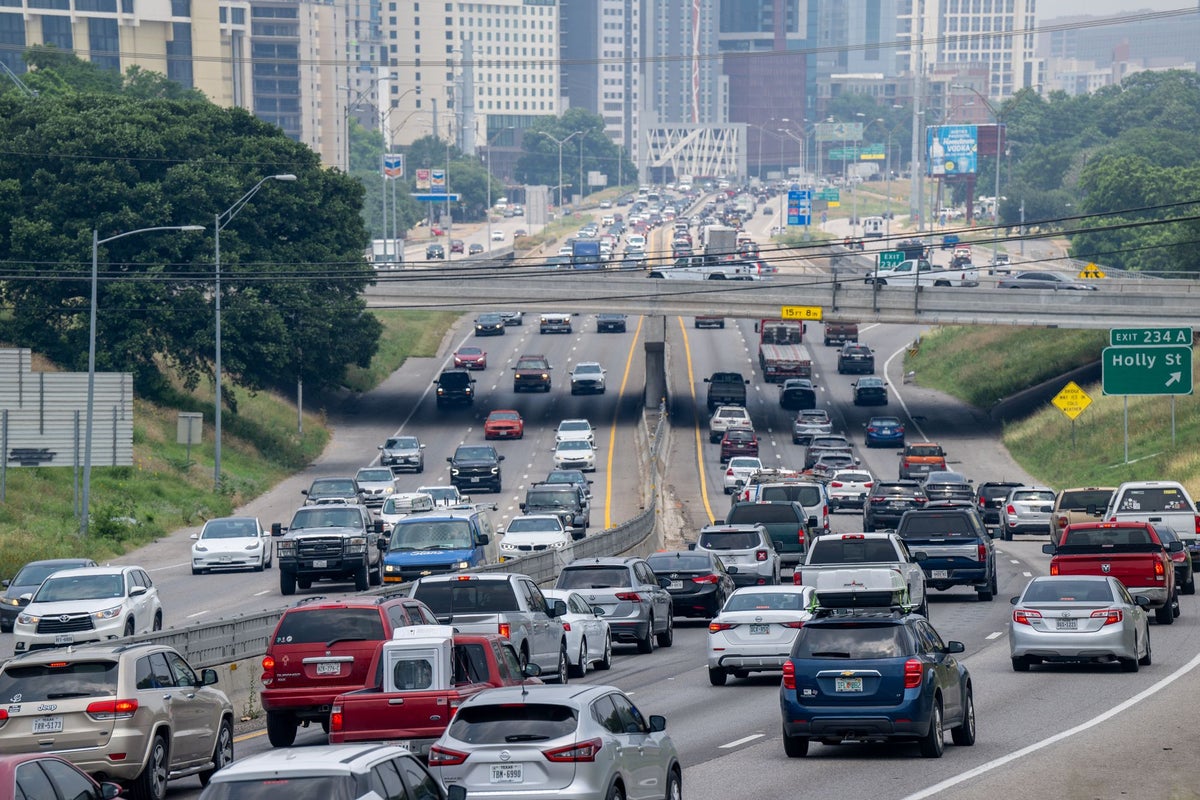
The average commute to work in the U.S. is getting longer, and that means Americans are spending more time on the road and less time with their loved ones.
In 2021, amid the COVID-19 pandemic, the average one-way travel time for commuters dropped to a ten-year low of 25.6 minutes, according to U.S. Census Bureau data. That came as many workplaces allowed employees to work from home to slow the spread. But now, that figure has increased by nearly two minutes in just a few years, and experts say several factors caused the jump including return-to-office mandates and housing affordability.
The average one-way travel time for commuters hit 27.2 minutes in 2024, up from 26.8 minutes in 2023, according to the Census Bureau. That’s close to pre-pandemic levels from 2019, when the average one-way commute time was 27.6 minutes.
That would put the average two-way commute in 2024 at just over 54 minutes, which would add up to an extra 4.5 hours a week for an employee who works in person every day. Over the course of a year, that means hundreds of hours wasted commuting.
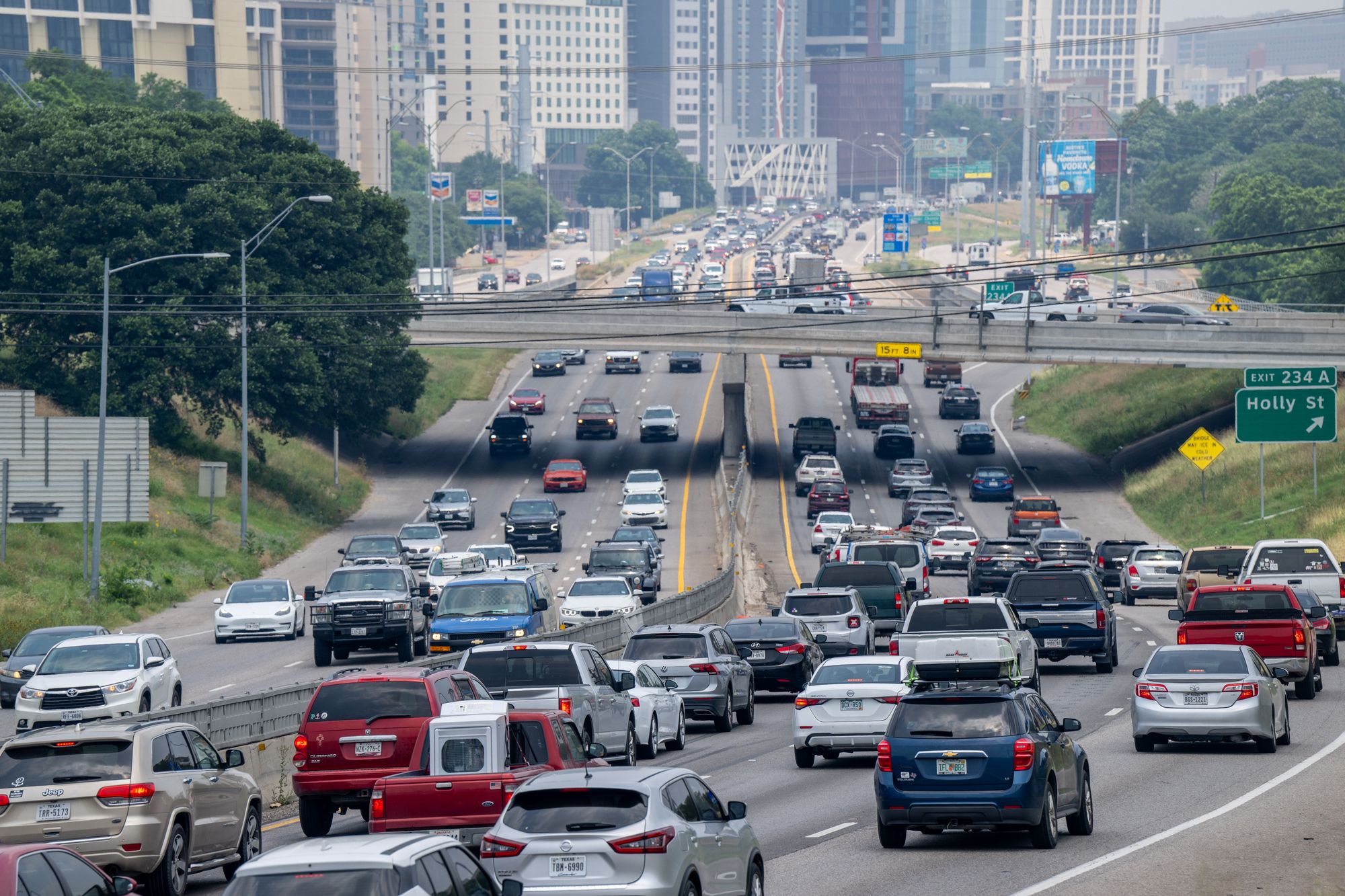
One factor behind the rise is companies demanding workers return to the office, according to Dr. Fariba Siddiq, an assistant professor at Florida State University’s Department of Urban and Regional Planning.
“One of the main drivers is the return-to-office mandates, for sure. A lot of people who were working fully remotely are now in a hybrid work arrangement,” Siddiq told The Independent. “We are seeing more congestion on the road compared to 2021 or 2020.”
Some workers are so averse to return-to-office mandates that they’re willing to pay. A survey of U.S. workers conducted on behalf of Youngstown State University in August 2025 found that 55 percent of full-time, in-person employees would “take a pay cut for permanent remote or hybrid work.”
Another factor behind the commute increase is housing affordability.
“People often look for housing in more affordable areas, which may be located far from their workplaces, particularly in high-cost regions,” Siddiq said.
A study published last year in the Journal of Real Estate Finance and Economics found that, compared to renters, homeowners’ commutes are about 6.9 percent longer. Zhenguo Lin, a professor at Florida International University and co-author of the study, said in a press release that housing prices are to blame.
“As housing prices rise, especially near job centers, people who want to buy homes are pushed farther away,” he said. “They keep driving until they qualify for a mortgage.”
The national median price of a single-family home rose by about 48 percent between 2019 and 2024, while the median income only rose by 22 percent, according to a 2025 report by the Harvard University Joint Center for Housing Studies.
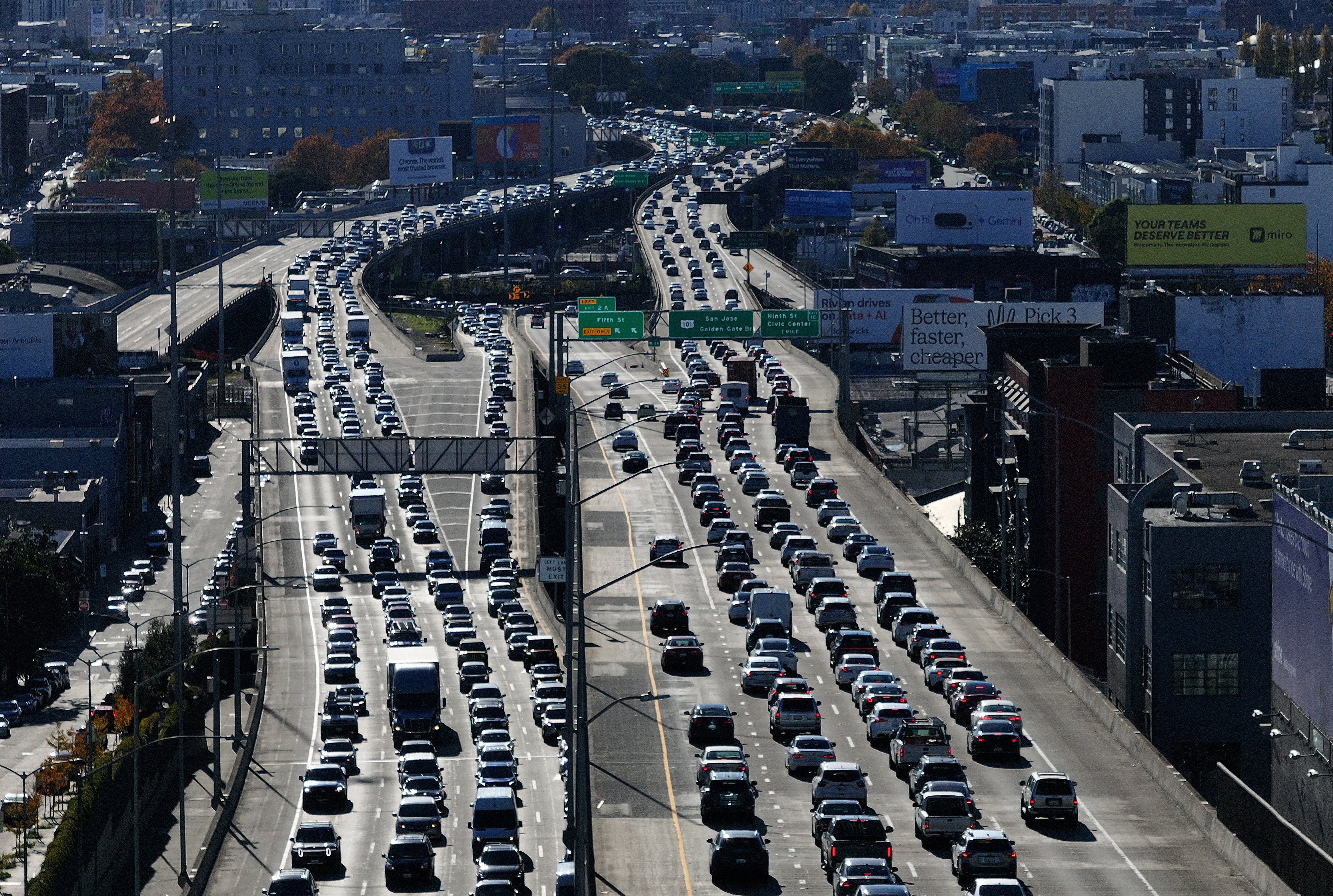
Americans are also growing more concerned about their rent and mortgage payments. About 62 percent of U.S. adults surveyed by the Pew Research Center in January said they’re “very concerned” about the cost of housing.
Lin’s study also found that “longer commuting times are most pronounced among lower-income and lower-wealth households, minority homeowners, and households living in metropolitan areas,” according to the press release.
“These groups tend to have fewer resources for down payments,” he said. “That means they are more likely to be pushed to the urban fringe, where commuting times are longer.”
Some businesses have even started adjusting to employees’ commuting needs.
Colliers, a Texas real estate firm, plans to ditch its office in Uptown Dallas and move further north, as part of an effort to reduce commuting times for employees, CoStar News reported last month.
Their new office will be “closer to where our employees live, reducing commute times,” Colliers’ Texas Region Market Leader Daniel Taylor told the outlet.
The Independent has contacted Colliers for more information.