



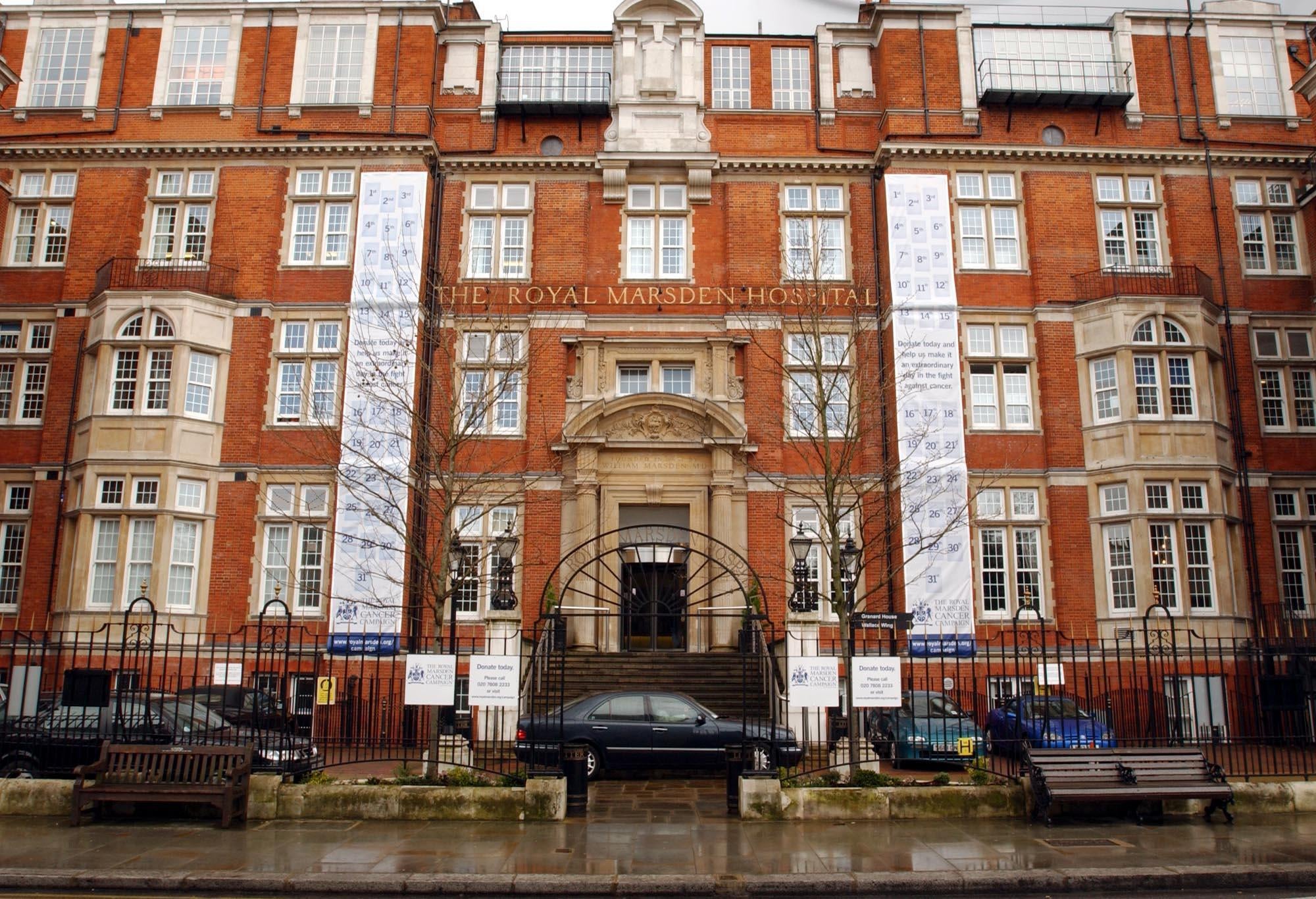
Residents of one of London’s most expensive boroughs have lashed out over a planned expansion of the cancer hospital that treated the Princess of Wales, saying it will harm property prices.
Neighbours living near the Royal Marsden Hospital in Chelsea say the proposed redevelopment would cause “irreparable harm” to the area due to “construction dust” and noise, as well as a loss of sunlight and privacy to homes.
The planning application filed by the Royal Borough of Kensington and Chelsea proposes to add a seven-storey extension to the 19th-century hospital to increase capacity by 50 per cent and modernise its ageing infrastructure.
But in an anonymously-penned leaflet posted through locals’ doors, objectors say they will suffer a loss of light and “overwhelming sense of enclosure” from the scheme and urge neighbours to submit official objections.
The leaflet, titled “OBJECT NOW”, claims the proposals would cause “five years” of disruption through noise, dust, increased air pollution, and traffic disturbance in the area around Sydney Street and Fulham Road.
The Royal Marsden Hospital is a world-leading cancer treatment centre. Opened in 1851, it is known as the first hospital dedicated to cancer in the world and has helped pioneer advances in radiotherapy, chemotherapy, and surgical techniques.
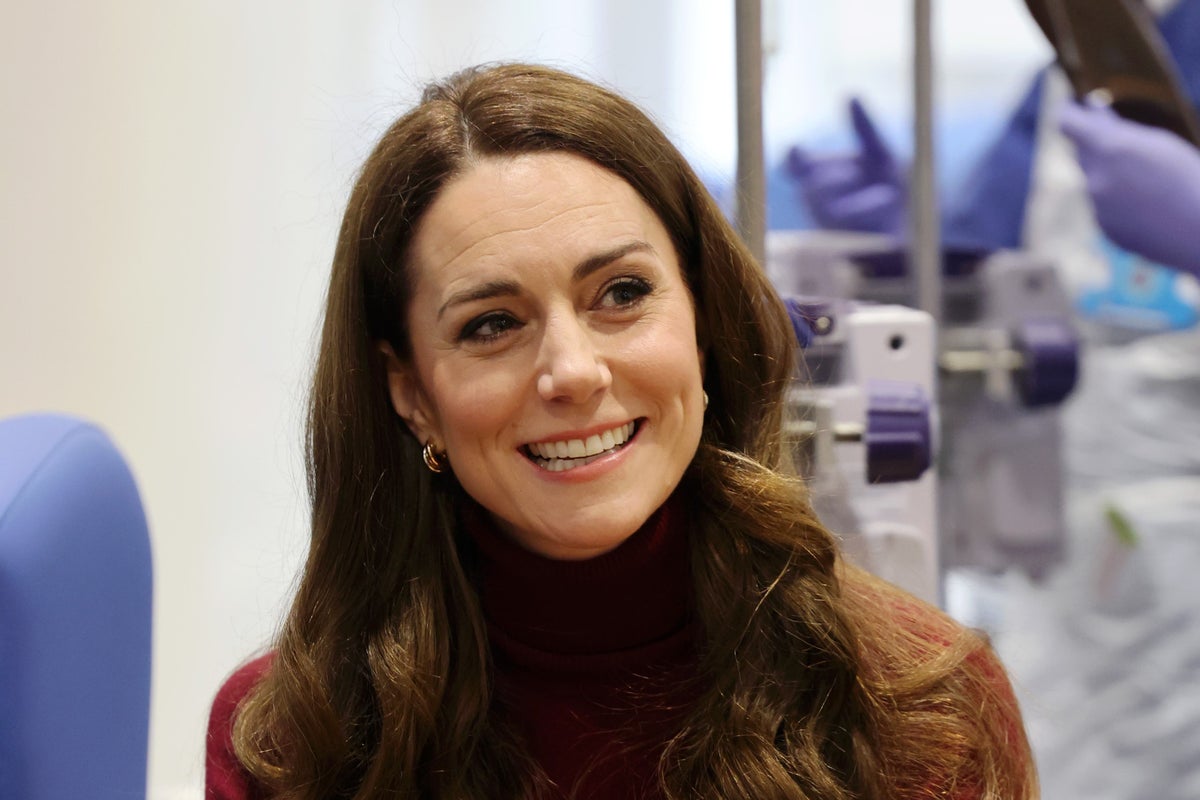
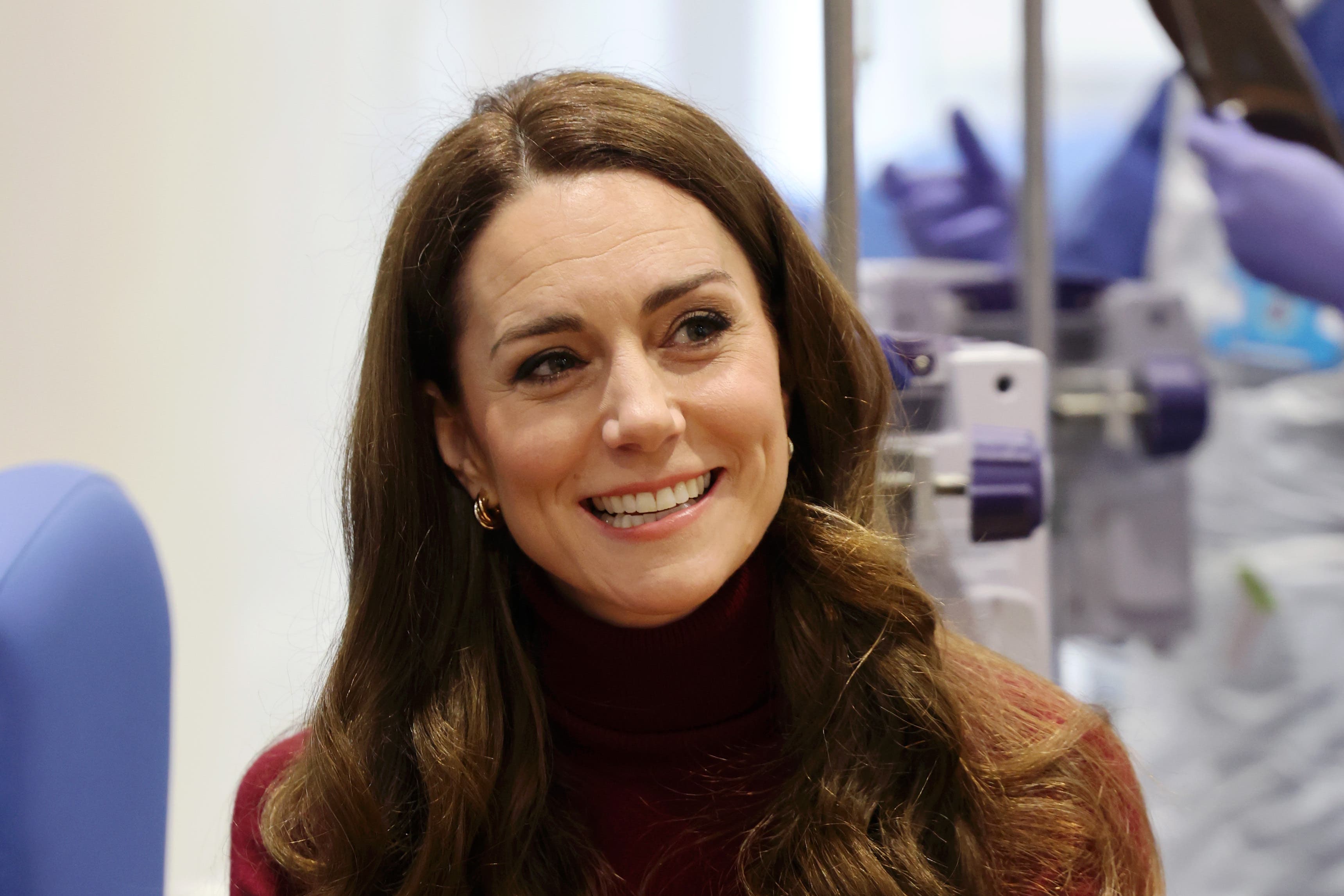
Princess Kate recently received her cancer treatment at the hospital and is a joint royal patron of The Royal Marsden NHS Foundation Trust.
But the centre has faced challenges due to its ageing infrastructure, which NHS bosses say is in desperate need of modernisation. The Royal Marsden said the proposed expansion will allow it to increase capacity by up to 50 per cent and help more people access specialist treatment.
Residents have also submitted official objections to the works online. In one letter filed by the owner of a nearby Grade II-listed townhouse, the resident complains the plans will “inevitably reduce the value of my home” and render it “significantly less attractive, or even unviable, as a residential property”.
Another suggested “property value will be greatly affected by this project during and after the proposed redevelopment”, while a third wrote: “This sounds horrendous, five years of construction, noise and air pollution in an area I moved into quite specifically for its tranquillity, which is one of the key attractions to the area.”
But campaigners against the development have said the expansion is “not the sort of project London can afford to delay”.
Kane Emerson, head of housing research at the YIMBY alliance, said: “If Britain is to build the homes, infrastructure and public services we need, we must find ways to build with local support.
“It matters for patients across London that the Royal Marsden is able to expand and deliver the new theatres, inpatient beds and diagnostic facilities they need. This is not the kind of project London can afford to delay.”
Dr Lawrence Newport, CEO and co-founder of Looking for Growth, added that the hospital extension must be approved to “prioritise the British people again”.
“Patients deserve cancer treatment,” he said. “For decades, progress has been stopped, and the lives of people around the country have been sacrificed. We should ignore the consultants, lawyers, and lobbyists stopping the development of infrastructure like hospitals, and prioritise the British people again.”
Some residents also voiced support for the hospital extension. In one letter, a resident said they are “extremely happy” with the proposals, adding they are “desperately needed” for the area.
Another wrote: “I would not be where I am today without the Royal Marsden. Supporting this development means supporting more people like me – giving them access to the very best care, the latest treatments, and most importantly, more time.”
The trust has engaged with residents, patients, staff, councillors and community groups over several years, and said it has made several key changes to the proposals after receiving feedback.
The Royal Marsden has been contacted for comment.

