
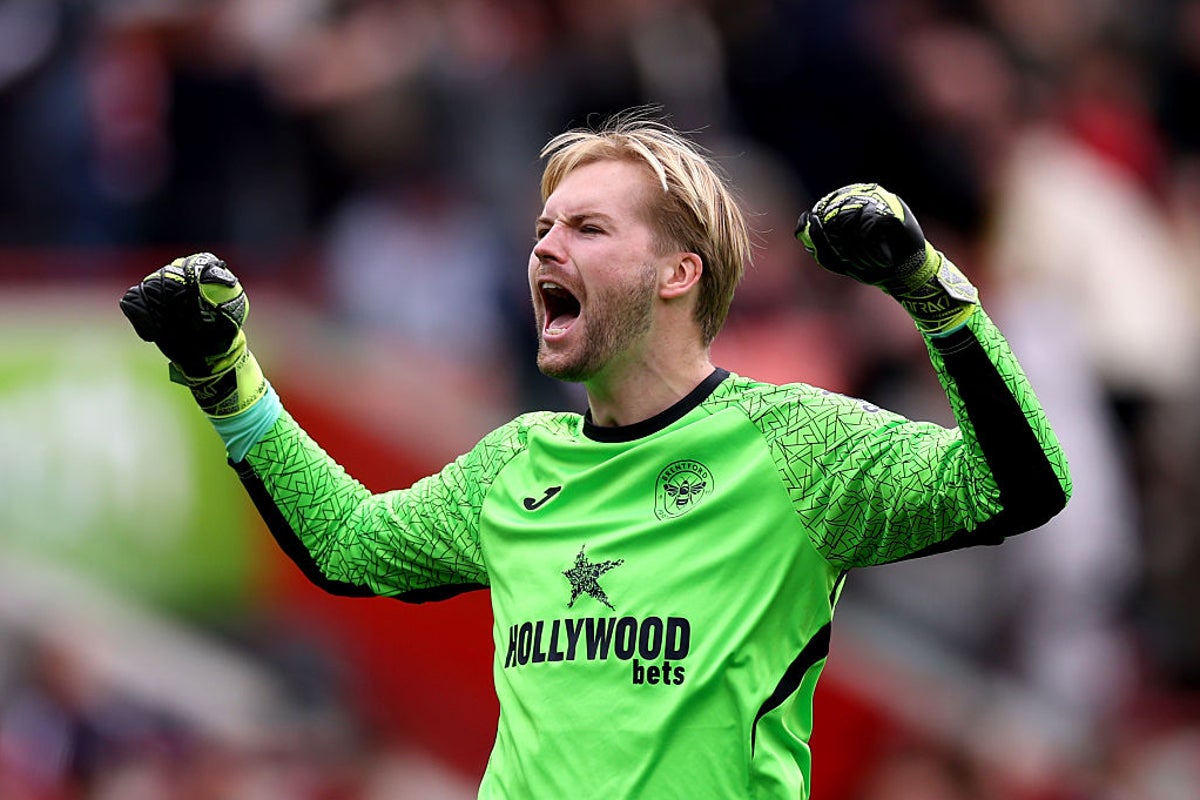
Looking back now, Caoimhin Kelleher can see he put the ball in exactly the spot a goalkeeper would have most problems with; his opposite number not knowing whether to stay or go.
Maybe that was instinct. Maybe it was fate. In the moment – which Kelleher now describes as his greatest in football – the 27-year-old Brentford and Ireland keeper admits there was certainly no calculation to it.
It was the 95th minute of Ireland’s final World Cup qualifying group game and, at 2-2 against Hungary, they needed a goal; any goal. Kelleher had been running up the Puskas Arena pitch just to try and get in the area, when the ball came to him at the halfway line.
The goalkeeper ended up playing one of the most fateful passes in modern Irish football history, as well as one that produced a moment that enraptured the world.
“I was just thinking to get it in the box,” he says as he sits in Brentford’s Gtech Stadium. “You could see a cluster of players and you’re just trying to find an area for the lads to go and attack.
“Thankfully, they did!”
That’s saying something. With Hungarian No 1 Denes Dibusz initially staying on line, Liam Scales rose authoritatively to knock down Kelleher’s ball, although still tantalisingly within reach of the goalkeeper’s grasp.
“Then, Troy [Parrot] did well to reach and finish… you know.”
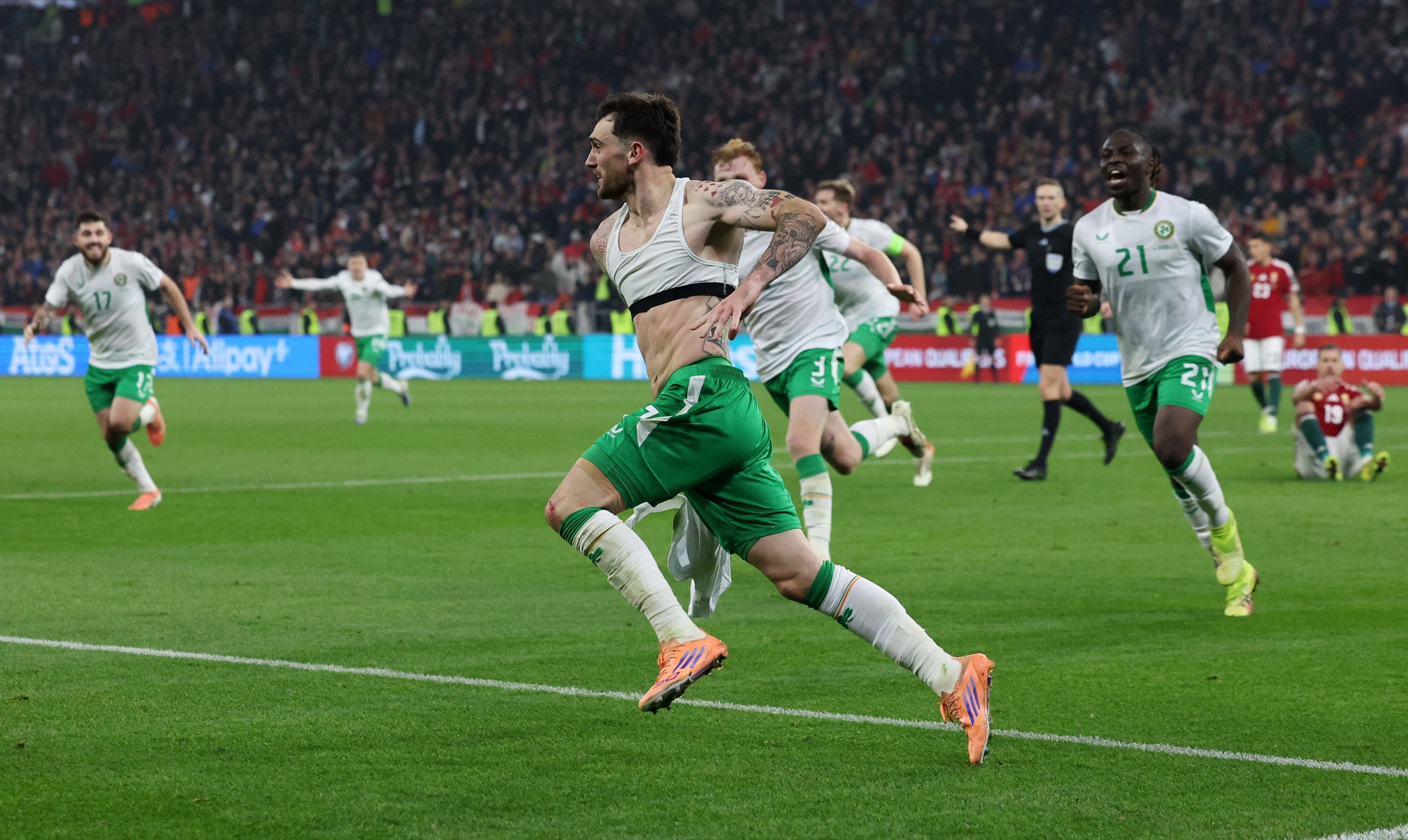
Kelleher, a markedly relaxed character as he speaks, admits he didn’t know what to do next. He just sprinted around in jubilation in a way he can never remember doing before.
The moment was a natural peak in what has been a sudden rise in Kelleher’s career. Long respected as Alisson’s understudy at Liverpool, he finally made the move for a first-team position in the summer. Kelleher specifically agreed to Brentford due to their “track record for developing players” and the fact they’re “a club with patience”.
This has been illustrated by how they’ve improved despite so much upheaval, not least a change in manager shortly after Kelleher arrived.
“Brentford is the sort of club that’s always prepared, and always looking to the next steps,” he says.
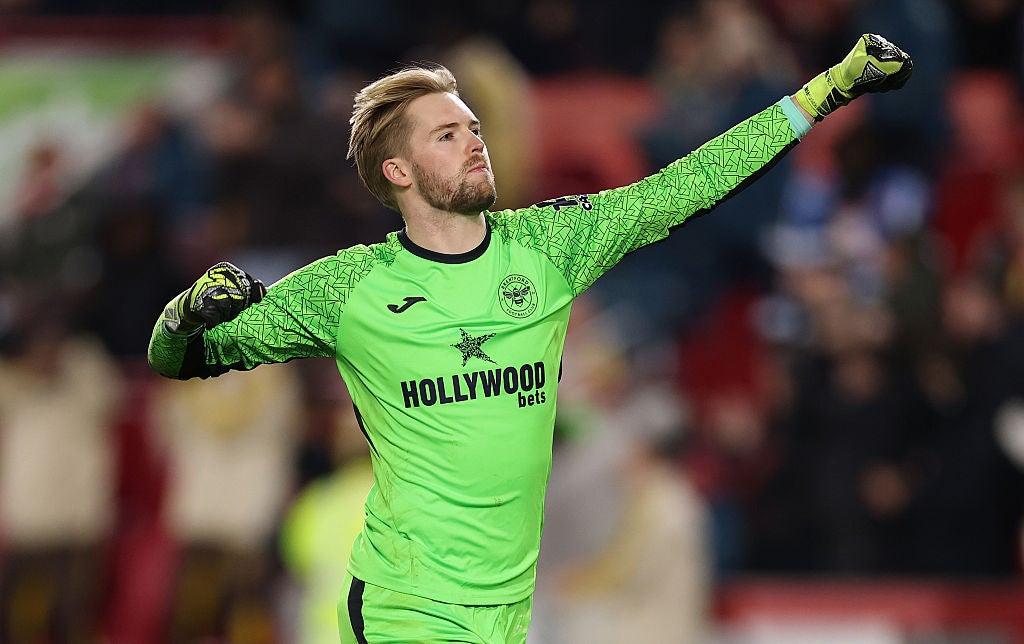
They arguably suit his personality: Kelleher has developed into one of the most rounded goalkeepers in the Premier League – comfortable with his feet; strong with his hands.
Kelleher discusses how strength in the box has taken on a renewed importance, especially in a more aerial Premier League with so much set-piece rigour. Goalkeepers have to be physically imposing again.
“I think the game does evolve, and maybe goes around in a circle sometimes,” he says. “I’m just trying to be an all-round good goalkeeper, working on all aspects.
“Teams have obviously really improved in set-piece areas, so it’s definitely something you need to work on a bit more.
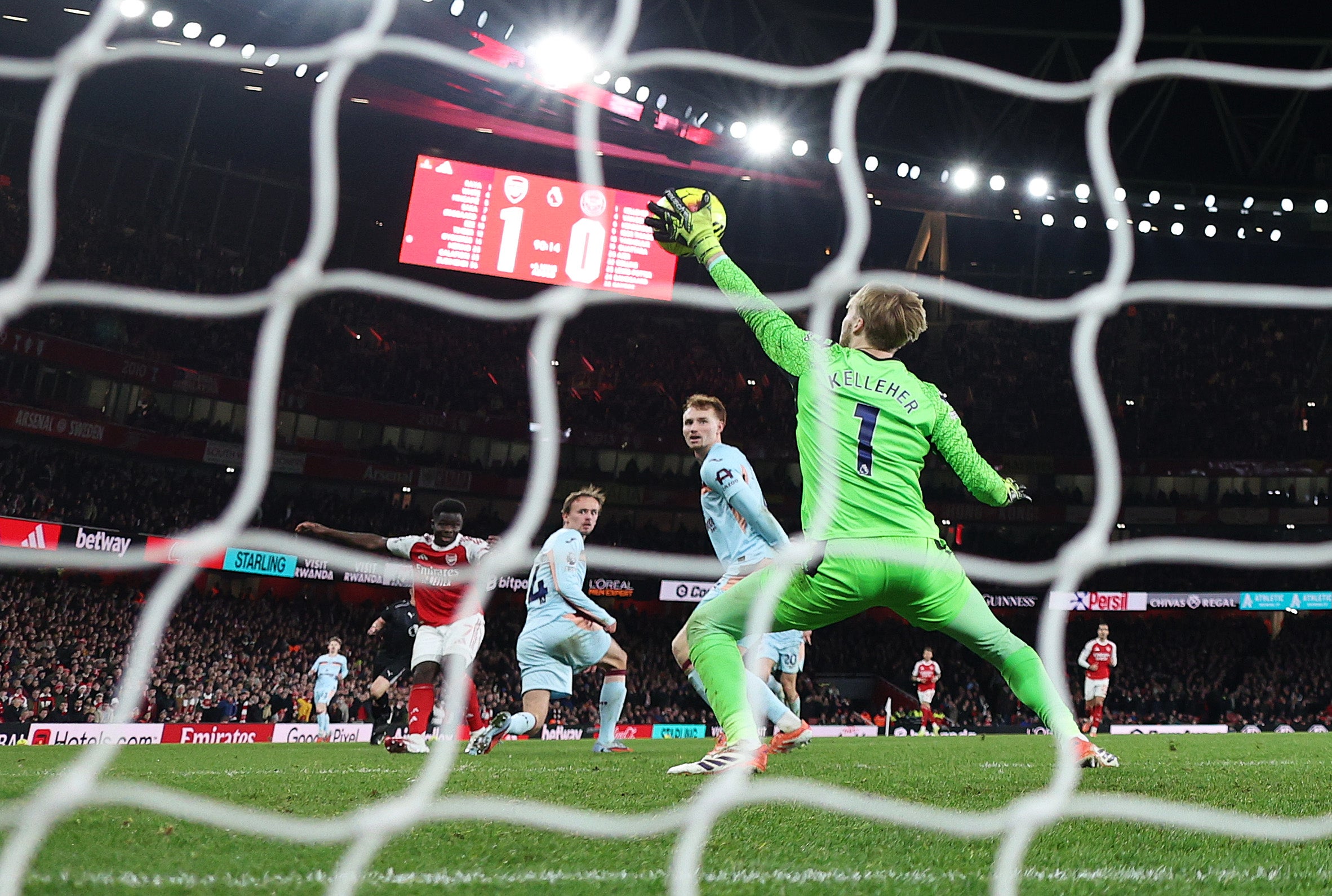
“You train trying to recreate some of the chaos you face.
“Teams are very smart now, getting certain blocks, contact in the area as well, which makes it more difficult for the goalkeeper. On a lot of set-pieces, you don’t even have a chance to catch it, you’re just trying to get the ball away.
“Set-pieces have evolved a lot more and obviously a key part of that is stopping a goalkeeper. You have to be active and affect the delivery. As goalkeepers, it is tough, we try to work a bit more on that.”
And then a headline: “Maybe a bit of help from the referee could be good.”
Kelleher is talking about how some teams now mark goalkeepers to the extent of almost pinning them in.
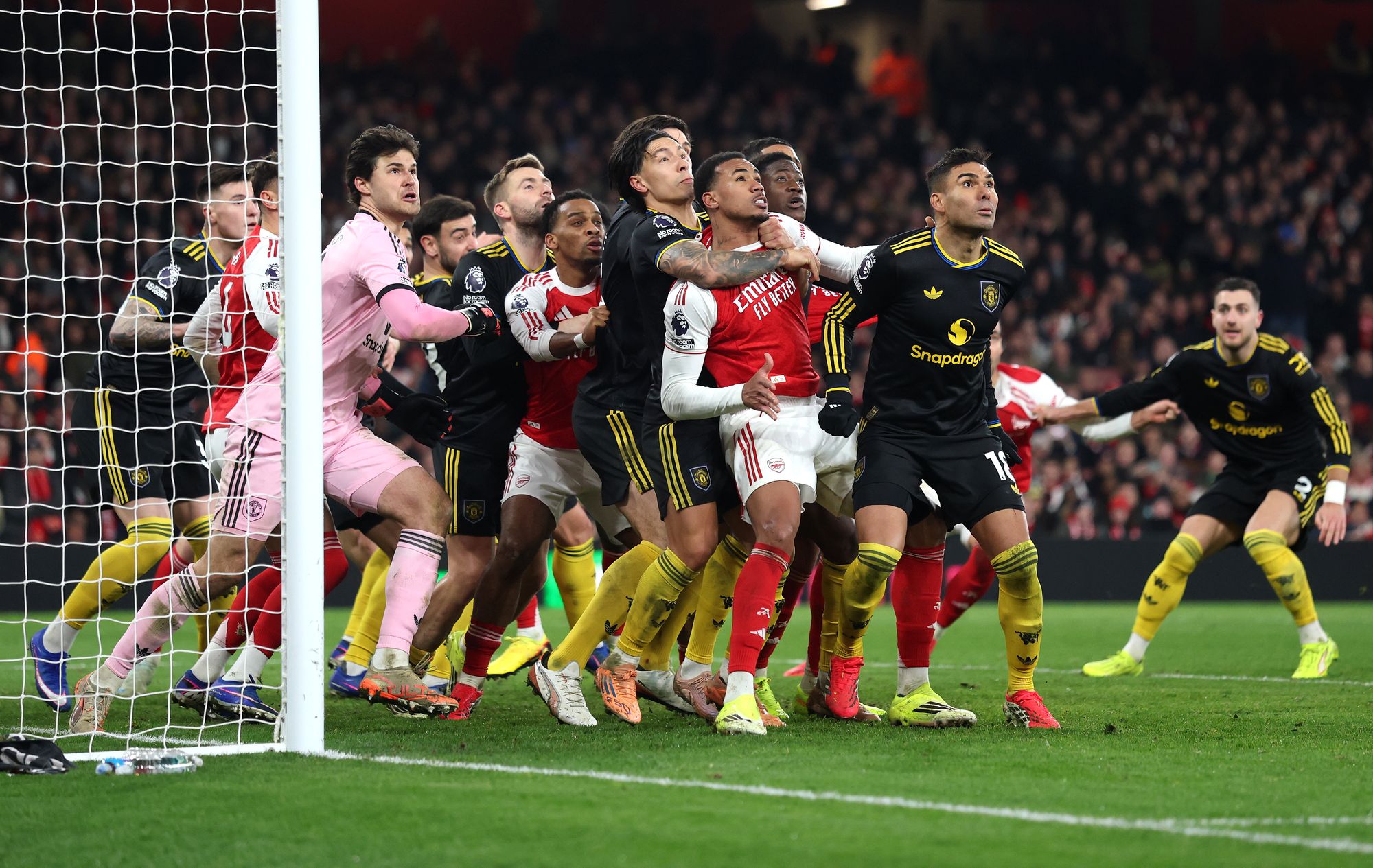
“Sometimes it can be frustration because, in the Premier League, there’s a lot more physicality than other competitions. You’re getting blocked when you’re trying to come out, maybe you feel it’s a foul, but in the Premier League you’re not going to get it. It’s an added difficulty.”
“You play in Europe and internationally, you probably do get more decisions; it’s less physical on the goalkeeper, in terms of what blocks you can do.”
That isn’t the only thing that’s changed of late. Kelleher points to how intense pressing has become.
“It’s not easy when a player’s running full speed at you and you need time to think, to pick out a pass. It’s a major part of being a goalkeeper these days.
.jpeg)
“At Brentford, we like to play with the ball. As a goalkeeper, you’re used as a spare man, you’re going to have to understand pressing systems from the outfielders, you’re going to have to understand where the free players are when the ball’s at your feet, making decisions like that. Obviously that’s important for structure and how we move up the pitch.”
There is one element of the work at Brentford that Kelleher is more reticent to discuss: his successful approach to penalties.
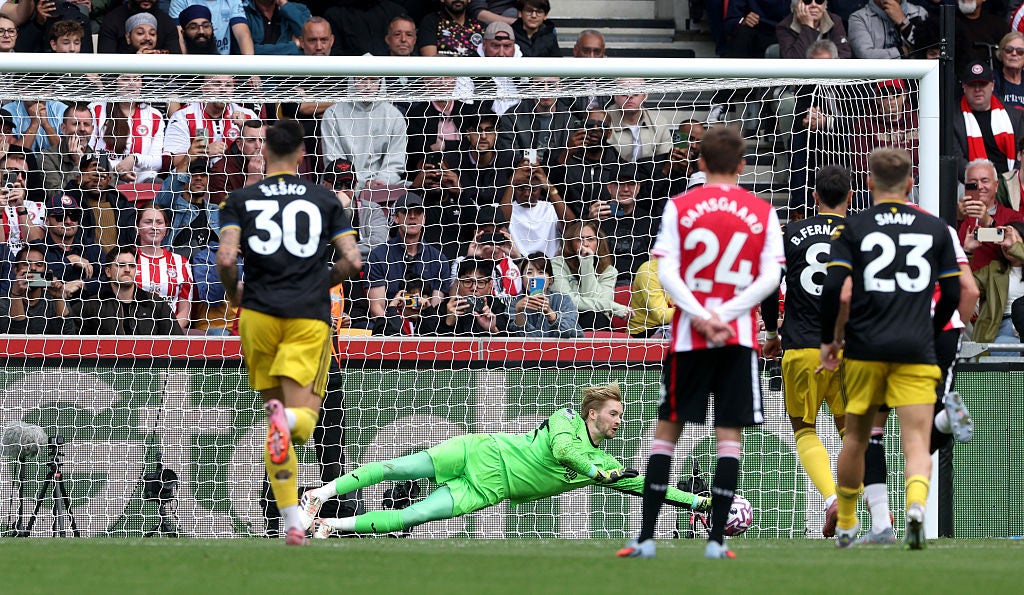
“Listen I don’t want to give too much away, but I managed to save a few this season! But I don’t want to speak too much!”
It has all played its part in helping Brentford to move up the table. It was fortunate for Kelleher, also, that he knew Thomas Frank’s replacement, Keith Andrews, from working together with Ireland.
“The manager really buys into the whole mentality at this club,” he says. “Never be too up, never too down, always an even keel. If we’re doing well, we want to stay consistent and play well. On other hand, [there’s no need] no panic, just knuckle down.
“The manager’s been massive in how close and tight-knit the group is. You can see how far it can take you when you get on the pitch.”
The move has also been important to Kelleher in a non-sporting way. He was close to Diogo Jota, and has been able to process the tragedy of his death in a crash last July at more of a remove than his former Liverpool teammates.
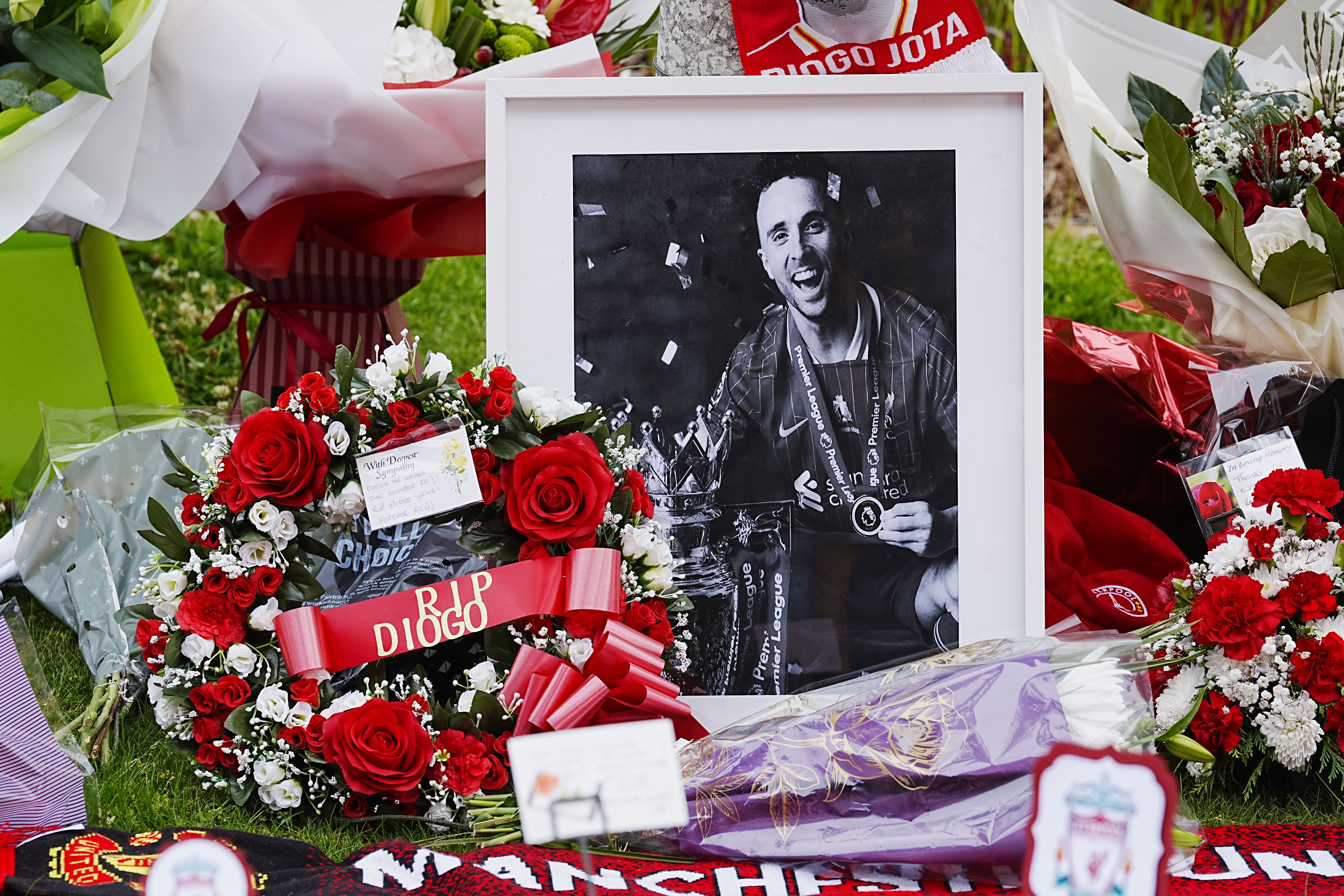
“For me to leave and play first-team football was obviously right, never mind the tragedy that happened. I stay in touch with some of the guys [at Liverpool]. I have a lot of good friends there. It’s a very difficult time for them, a difficult season, with circumstances that people probably aren’t taking into account too much. But it’s probably been a bit easier for me, being away from it, and not being in such close proximity to it every day.
“I find it a bit strange and a bit difficult when I hear people speaking about the players at Liverpool and the performances, because I don’t think this season is even important from a football aspect for them, to be honest. It’s more about them personally and mentally.
“Obviously, football is a massive sport and people have an opinion, which is natural. People expect you to move on quite quickly, and I don’t think that’s the case.”
If such words only emphasise the triviality of the game next to real life, moments like what Kelleher enjoyed with Ireland are a reminder of what elevates life, why football matters, and the joy that players like Jota gave.
“We all have a massive dream of bringing Ireland to a World Cup,” Kelleher says. “Like we showed in the Portugal game when the pressure was on and we needed a win, we got it. Hungary away, 2-1 down with 10 minutes to play, still believing and still thinking we’re going to get something, it shows the character and mentality of the whole group.
“I’ve always felt that spirit is there with the group.”