

.png?trim=0,0,0,0&width=1200&height=800&crop=1200:800 "Can’t tell if it’s real? Robot birds could soon be flying around National Parks – UK Times")
Is it a bird? Is it a plane? No, its a robo-grouse — and it could help save a fragile ecosystem in national parks across America.
Scientists and park managers are increasingly turning to robotic decoys that closely mimic real bird species, particularly in areas where populations have sharply declined or been pushed out of their natural range. One of the most advanced projects is underway at Grand Teton National Park in Wyoming, with the goal of encouraging wildlife to gather in a safer, restored habitat.
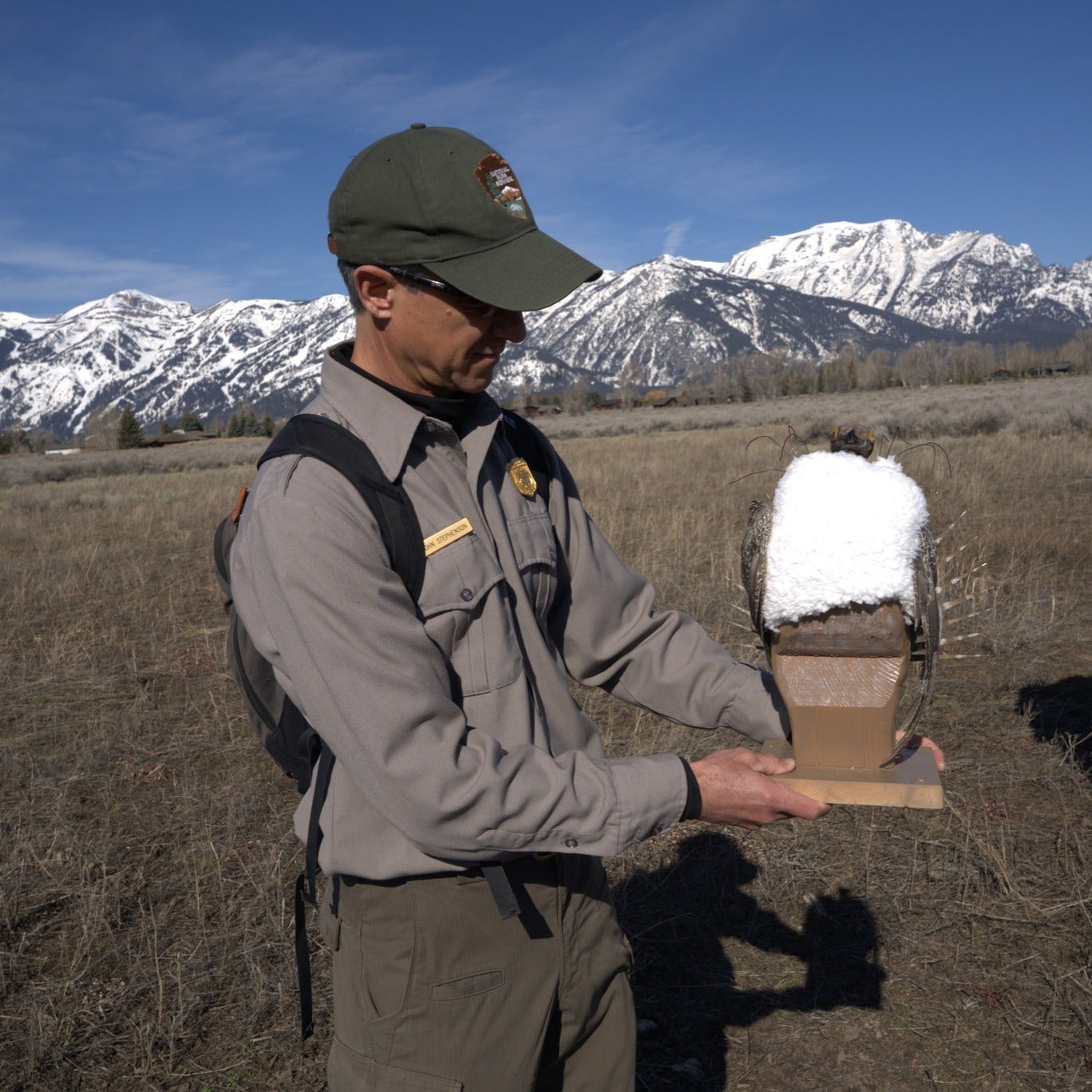
The decoys include realistic touches, such as feathers provided by the Wyoming Game and Fish Department, while others are built from more improvised materials like a white blanket from TJ Maxx and foam from a HelloFresh meal kit. Gary Duquette, a robotics mentor who helped local high school students build the machines, told WyoFile they were “kind of a Frankenbird.”
The robo-grouse are programmed with movements that mimic the bird’s dramatic courtship behavior, moving in dance-like patterns and synchronized with recorded mating calls. Duquette explaining that the machines “kind of do a turn, turn, turn, then do their wing, wing, wing.”
It is hoped the devices will help simulate an active breeding ground, and “jumpstart that activity” so real sage grouse begin displaying and nesting in the restored area, park spokesperson Emily Davis told SFGate. Because chicks are raised near lek sites, successful attraction could gradually rebuild local populations.
.png)
Grouse numbers have fallen by about 80 percent across the West since 1965, according to WyoFile. At one Jackson Hole breeding site, male sage grouse counts dropped from 73 in 1950 to just three last year, the outlet reports.
The species’ decline has been driven in part by habitat loss and human activity. Once productive sagebrush flats in the park’s southern region were degraded by decades of cattle grazing, which reduced food sources and cover.
Although grazing has been eliminated and restoration work has been underway for years, challenges remain. The nearby Jackson Hole Airport, the only airport located inside a national park, has also created risks. Between 1990 and 2013, 32 birds were killed in aircraft-related incidents, according to Davis.
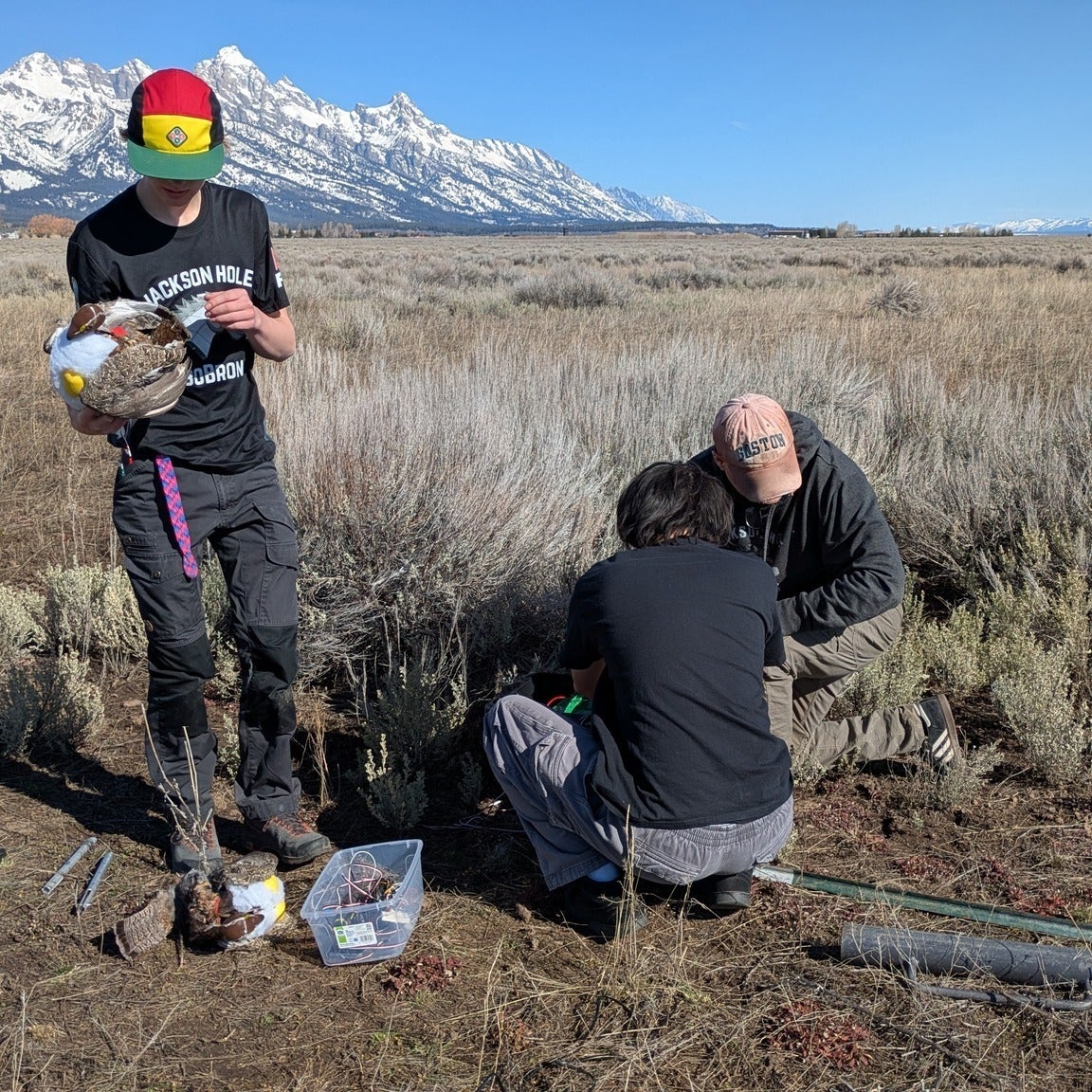
To mitigate those risks, park officials and airport staff have worked to restore roughly 100 acres of former pasture south of the runways, replanting native vegetation and maintaining open breeding grounds.
“One of the challenges with restoration is that even when you create great habitat, wildlife doesn’t always show up right away,” Davis told the outlet.
During this year’s breeding season, which runs through mid-May, researchers are using trail cameras to track whether real sage grouse respond to the robotic displays and return to the restored lek sites.
If successful, officials say similar robotic systems could eventually be used in other national parks facing wildlife management challenges.