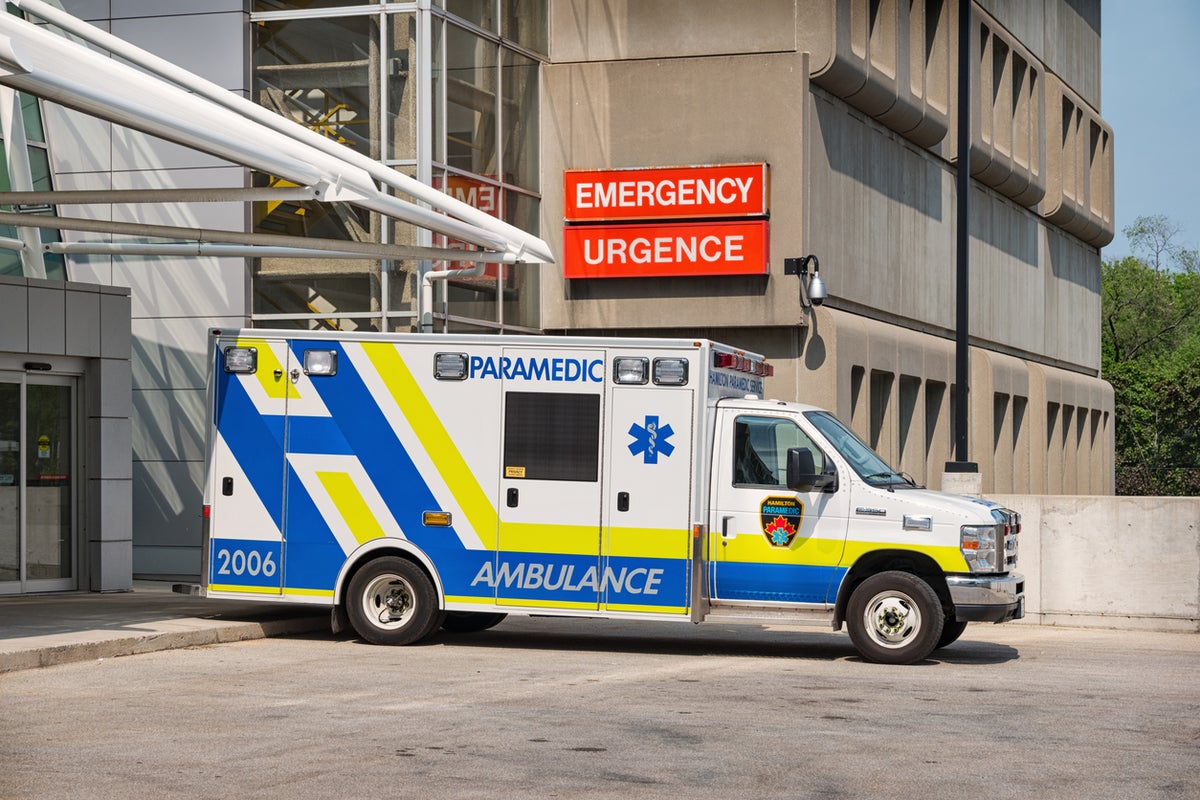
Emergency rooms across Canada are “close to breaking point,” doctors have warned, as the average hospital wait time for patients hits more than 20 hours.
The strain is being felt across the country, from Newfoundland, where a man died from a heart attack after waiting over 10 hours to be seen, to Calgary, where a woman lay bleeding on a stretcher for hours – resulting in an emergency hysterectomy.
Recent data published by Ontario Health show that patients who came to the ER spent an average of 20.3 hours waiting before being given a bed in the hospital. Only 26 percent were admitted within the target time of eight hours.
In Quebec, data showed that as of Friday, the average time spent on a stretcher in ERs across the province was just under 18 hours and officials in Alberta have called for a state of emergency to be declared.
“I think we’re close to the breaking point,” Dr Margot Burnell, president of the Canadian Medical Association, told CBC News.
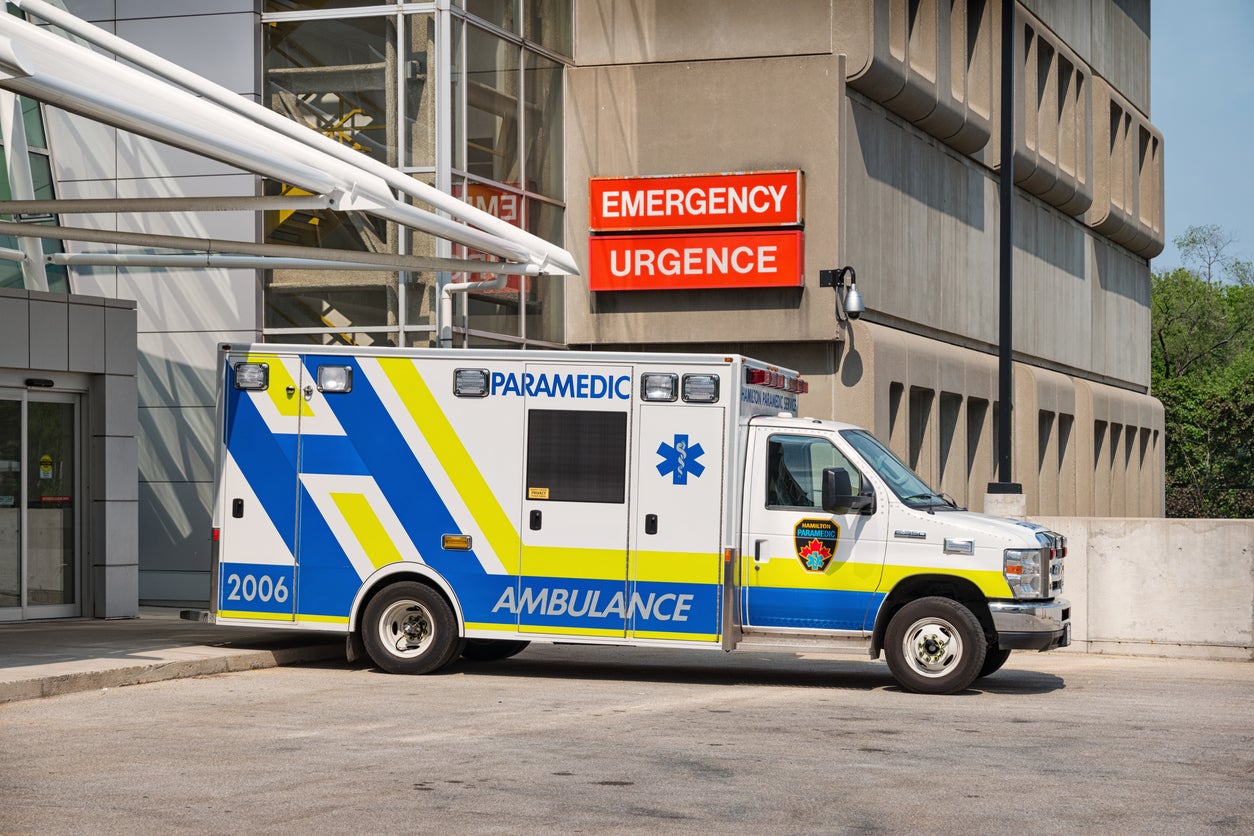
According to a report by the Organization for Economic Co-operation and Development, published in November 2025, Canada had an average of 2.5 hospital beds available per 1,000 people in 2023. This placed it 28th out of the 35 countries ranked by the OECD.
However, Canadian medical professionals have suggested that the dire state of the emergency rooms is down to not just patient volume, but also the complexity of ailments being presented – exacerbated by the country’s aging population.
According to Burnell, elderly patients are not receiving necessary care or chronic disease maintenance, often resulting in trips to the ER. “For many of those illnesses, if they had good access to primary care, they might have gone in and had it treated before they became unwell,” she said.
As a result, some hospitals have resorted to “unconventional spaces” with which to hold patients.
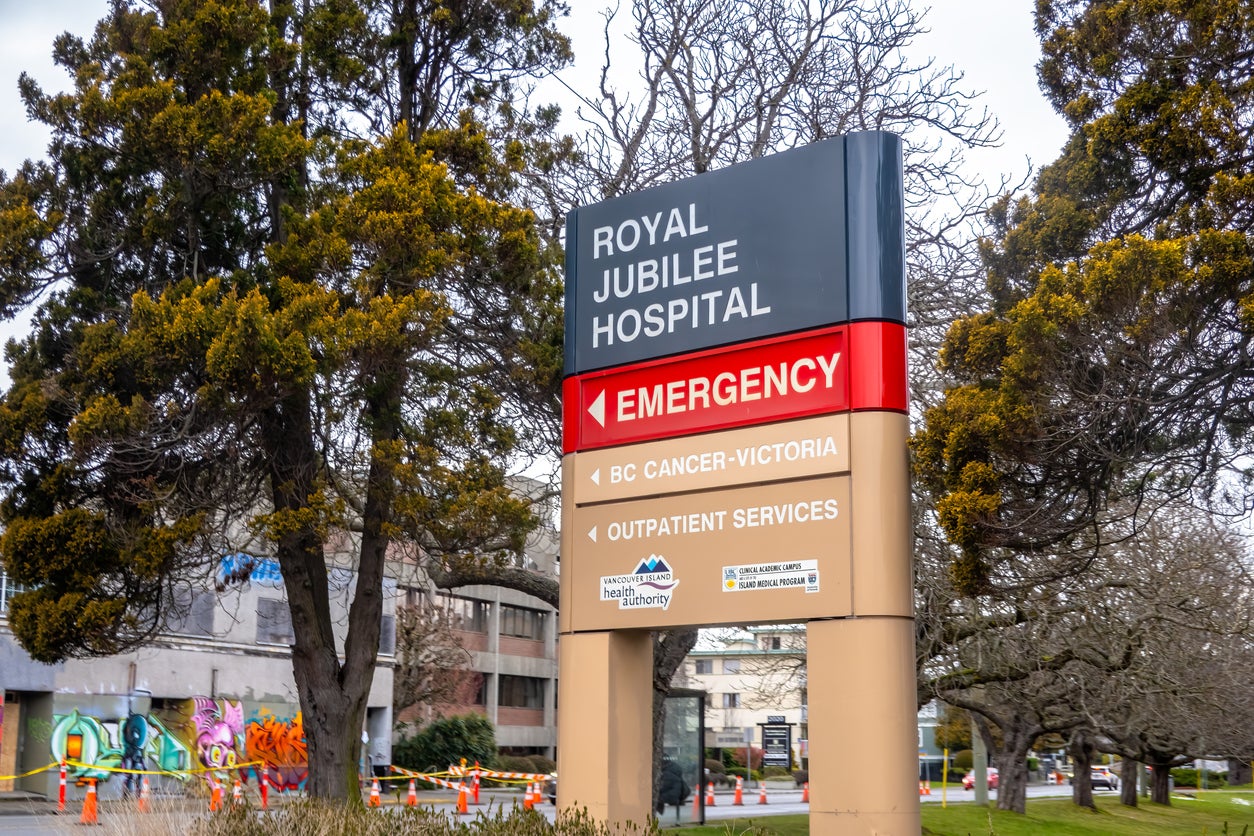
Earlier this month, Kingston Health Sciences Centre revealed it had admitted 630 patients in one week, far beyond its capacity of 445 beds, and warned people that “the care you receive may look a little different in the coming weeks.”
“Regardless of where you receive care, please know that you will still receive high-quality clinical support. We know this can be frustrating for patients and families and we appreciate your patience and understanding, which already has been amazing,” the hospital wrote online.
It also advised patients with less serious conditions to consider alternatives.
“The stories that you’re seeing coast-to-coast reflect that breaking point of the system that I think we’re unfortunately seeing manifest right now,” Dr. Michael Herman, vice chair of the Canadian Association of Emergency Physicians public affairs committee, told CBC News.
“I’ve been doing this job coming up on 12 years now, and I think morale amongst the physicians is about as low as I’ve seen it. It’s a tough time right now, to be very frank.”