Replacing the world’s jet fuel with clean alternatives would require a third of all electricity generated on Earth today – and even that would not be enough to keep flying at current growth rates, experts warned.
Sustainable aviation fuels, known as SAFs, are the most promising technology available to replace fossil kerosene. But, in a new report, engineers and aviation specialists warned that they could not be produced quickly enough or in large enough volumes to keep pace with projected traffic growth.
“SAFs, and more specifically e-SAFs, are indispensable for aviation decarbonisation,” the report said, “but they will not be deployed quickly enough to reduce CO2 emissions in the short and medium term.”
Even under the most optimistic assumptions about aircraft efficiency and SAF deployment, aviation emissions would not fall significantly by 2050, it added.
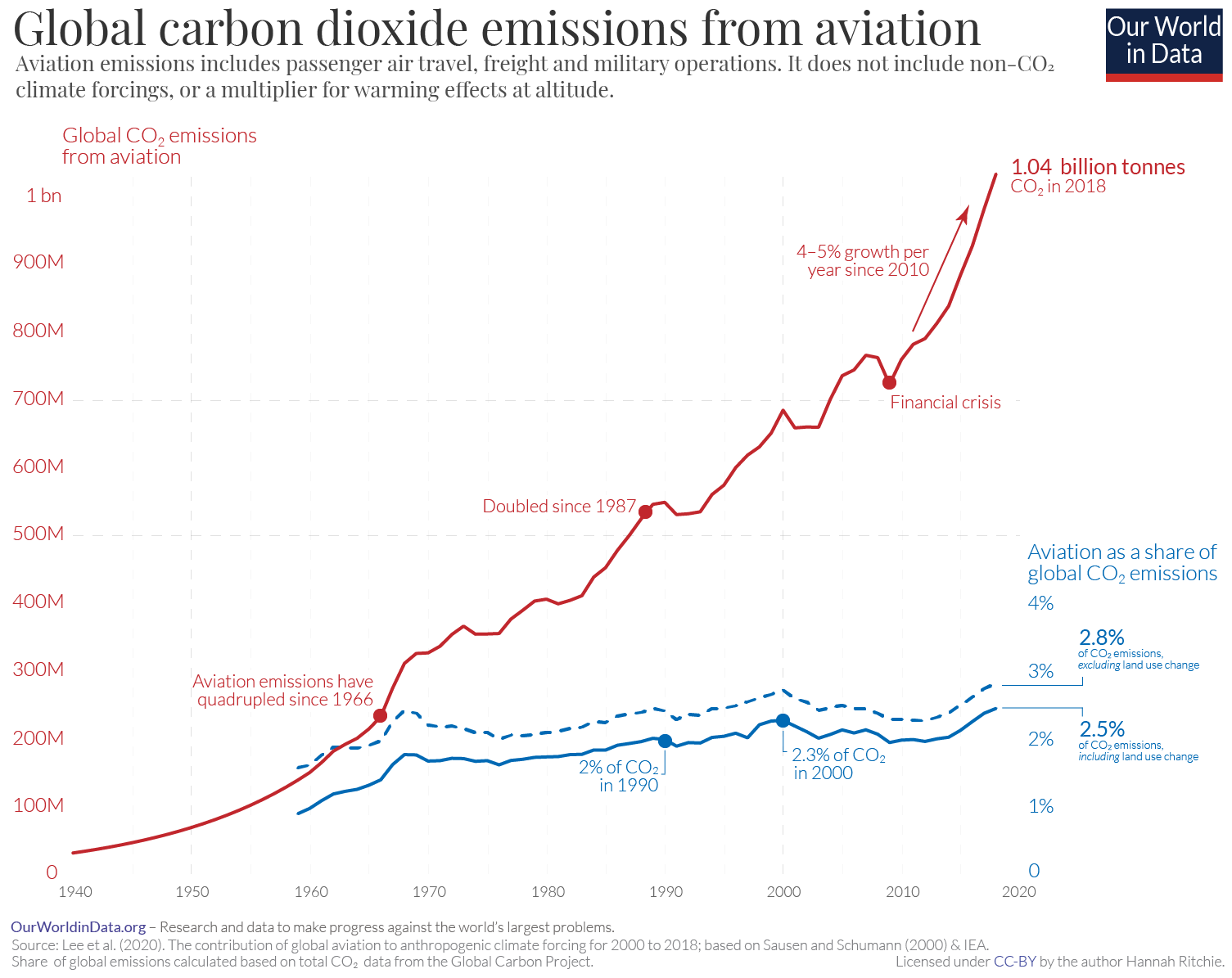
Aviation currently accounts for between 2 and 3 per cent of global CO2 emissions, a share that has continued to rise with growing traffic. Aviation is one of the industries that’s the hardest to decarbonise.
SAFs are fuels made from non-fossil sources, either from biological material such as agricultural waste and used cooking oil, known as bioSAF, or from hydrogen and captured carbon dioxide using electricity, known as e-SAF. In recent years, airlines and manufacturers have placed them at the centre of their decarbonisation plans, with more than half of projected emissions cuts by 2050 relying on their widespread adoption.

The study, published by Aéro Décarbo, an association of aeronautics professionals, and non-profit think tank The Shift Project, says the challenge is not whether sustainable fuels work, but whether enough of them can ever be made.
BioSAF is constrained by the finite availability of sustainable biomass: land, water, and competition from food production all limit how much biological material can be diverted to aviation fuel.
“Expanding biofuel production also risks creating additional pressure on biodiversity and water resources,” the report said.
E-SAF faces a different but equally stark problem. “The limit isn’t on a biological factor but rather the amount of electricity,” Loïc Bonifacio, vice-president of Aéro Décarbo and co-author of the report, told The Independent.
Replacing all of today’s global kerosene consumption with synthetic fuel would require around 10,000 terawatt-hours of electricity per year – roughly one third of current global electricity production. For example, a single one-way transatlantic flight would require 720kg of dry biomass per passenger just to produce the bioSAF equivalent.
Under projections published by the Air Transport Action Group, the industry’s own global body, the report found that even ambitious SAF deployment would leave aviation consuming about the same amount of fossil kerosene in 2050 as it does today.
“Even in this scenario, there are not enough SAF to fulfil aviation’s demand, because the growth of the traffic is too high for the technological to progress,” Mr Bonifacio said.
Emissions would peak around 2030 before falling back to just 9 per cent below current levels by mid-century – far short of what the Paris Agreement requires.
Alternative paths come with their own costs, the authors say. Weakening sustainability standards to unlock more biomass would damage biodiversity and food systems. Diverting clean electricity from other sectors to power e-SAF production would simply shift emissions elsewhere – electric vehicles and industry can use the same power far more efficiently.
The only workable path, the report concludes, is flying less while SAF capacity builds.
“To reduce emissions we need to reduce fossil fuels consumption. However as long as SAF aren’t here in quantities large enough, to reduce fossil fuels consumption, air traffic must degrow,” Mr Bonifacio said.
“In a second time, when SAF will be at the turning point, it will be possible to have a relative air traffic growth, while continuing to exit from fossil fuels and therefore achieve both decarbonisation and oil independence, but first we need to reduce air traffic.”
A pathway compatible with limiting warming to 1.7 degrees warming would require global air traffic to fall by at least 15 per cent within the next five years – roughly back to levels seen in the 2010s. A 1.5-degree trajectory would require a 60 per cent cut by 2035.
“In practice, it means we need to discuss how much we globally use aviation and what regulations we want to put in place,” Mr Bonifacio said.
“A sustainable use of aviation, in our optimistic scenario, would be around 1,000 km per year and per person, around the globe .”
In 2018, only 11 per cent of the global population flew at all, with 1 per cent responsible for half of commercial aviation’s emissions.
Moderating growth, the authors suggest, need not mean the end of affordable air travel, but it does mean that airport expansions, particularly in wealthier countries where flying is already widespread, should be put on hold until SAF capacity can support them.
“We don’t prescribe which measures should be taken, but we can legitimately question airports extensions projects, or publicity for air travels, in such a context of both climate change and geopolitical matters surrounding fossil fuels supply,” Mr Bonifacio said.