

Britain’s economic growth this decade is set to be the weakest in a century – apart from the depths of the Covid pandemic and the Second World War – despite Sir Keir Starmer and Rachel Reeves putting it at the centre of their mission for government, a leading think tank has warned.
The warning from the Resolution Foundation, the think tank credited with shaping Labour’s economic policy, comes as the Institute for Fiscal Studies (IFS) has questioned Rachel Reeves’ plan to bring down high levels of borrowing and warned that tax hikes or spending cuts will be needed to boost defence spending.
The criticism comes after the Office for Budget Responsibility (OBR) indicated gross domestic product (GDP) will increase by just 1.1 per cent in 2026, down from the 1.4 per cent it forecast in November after the chancellor delivered her spring statement on Tuesday.
The watchdog upgraded its forecasts for 2027 and 2028 by just 0.1 per cent from 1.5 per cent to 1.6 per cent.
The Resolution Foundation’s assessment of the chancellor’s address warned that Britain’s “broader economic picture remains bleak”, despite the prime minister having repeatedly insisted that his “number one mission is economic growth”.

“The OBR is forecasting the weakest decade of real growth to 2028 in a century – ie since the great depression – outside of the exceptional shocks associated with the depths of the global pandemic and the Second World War”, the think tank said.
Meanwhile, the IFS has warned that meeting the Nato commitment to spend 3.5 per cent of national income on defence would cost £35bn a year in today’s terms – equivalent to current spending on the Ministry of Justice and Home Office combined.
As an example of the government’s options, the IFS said funding the increase in defence spending would mean 3 to 3.5 percentage points on the main rate of VAT.
IFS director Helen Miller said: “The takeaway is that we should not expect the government to be able to meaningfully increase what we spend on defence – if that’s what it decides it wants to do – without significantly cutting other government programmes or raising taxes.”
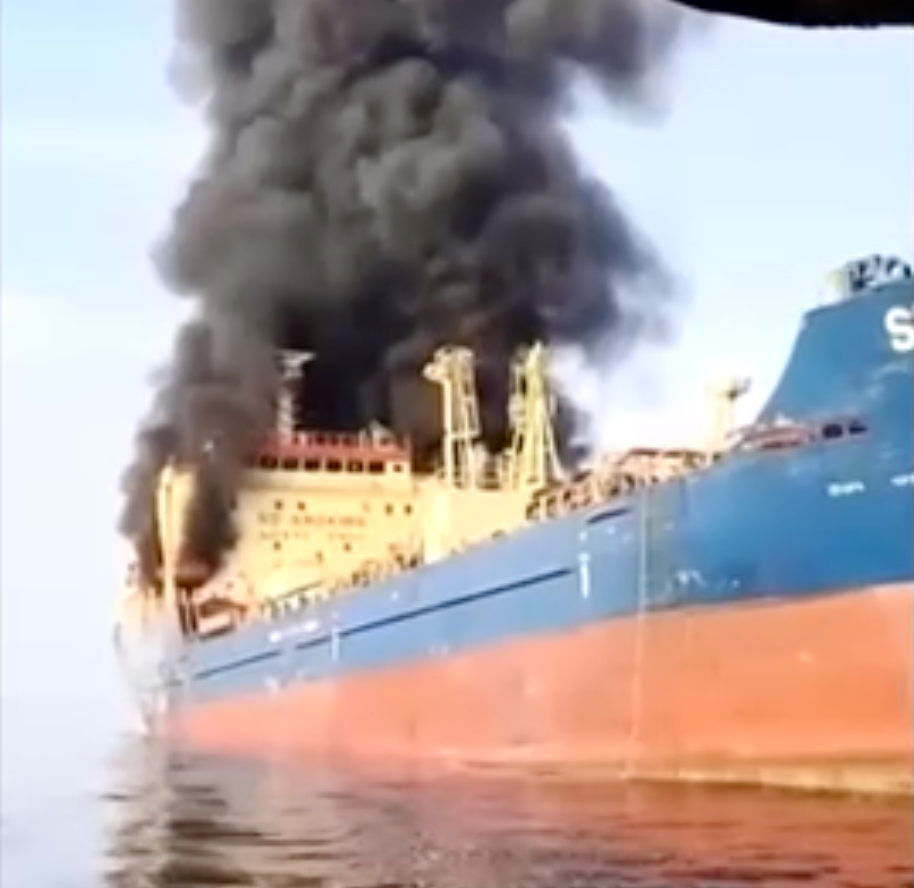
She said the events in the Middle East and the market reactions represented the “big economic news” on Wednesday, rather than the spring statement delivered by Rachel Reeves.
Ms Miller added: “Gas prices rose by more than 20 per cent yesterday and are up almost 80 per cent compared to Friday. The stock market fell almost 3 per cent. The cost of borrowing rose sharply. Maybe these changes will be short-lived. There are many days with large market moves that we quickly forget.
“But if war in the Middle East drags on that will be unambiguously bad news for all of us, including for the chancellor.
“On the economic front, higher oil and gas prices and more economic uncertainty would drag on economic growth. Disposable incomes would fall as inflation rises. Higher inflation would likely mean higher interest rates.
It came as a senior member of the budget watchdog warned that the UK’s historically high tax burden could be stifling growth.
Speaking at the Resolution Foundation’s press conference in the wake of the spring statement, David Miles, a member of the OBR’s budget responsibility committee, said there was uncertainty because the tax burden was moving into “uncharted territory”.
The tax burden, or tax take, is a measure of how much the government collects in taxation, expressed as a proportion of GDP, a measure of the size of the economy.
The burden is forecast to be 36.3 per cent in 2025/26, unchanged from the previous forecast, then rise in every successive year to reach 38.5 per cent in 2030/31, above the previous forecast of 38.3 per cent.
This is the highest level since current records began in 1948.
Prof Miles said: “The scale of this rise will be large. Taxes relative to GDP are on a trajectory at the moment that looks like they may rise, relative to a couple of years ago, by about 5 percentage points in GDP. So that’s a big increase in taxes.
“It would take the tax take of GDP in the UK probably higher than it’s been since the end of the Second World War.
“So this is, in recent economic history of the UK, going into uncharted territory.”
The Resolution Foundation also pointed out unemployment is expected to be even higher than the pandemic, pointing out that the OBR’s forecasts predict that unemployment will peak at 5.33 per cent in the third quarter of 2026, a fraction higher than the 5.3 per cent peak recorded during the pandemic.
However, the chancellor has said she has “confidence” the government can outperform the economic forecasts as she cautioned against any “change of course” and delivered a spring statement that was devoid of any tax or spending policies as part of an attempt to stick to just one major fiscal event each year and boost stability.
On Tuesday, Rachel Reeves said her fiscal plan was “more necessary than ever before in a world of uncertainty” with the Iran conflict threatening economic stability.
But the Resolution Foundation think tank said the nation’s immediate economic future is “highly uncertain”.
The think tank said that while the UK is set for a strong year of living standards growth, especially for lower-income families, the lengthier economic outlook is “bleak”.
Ruth Curtice, the organisation’s chief executive, said: “The immediate economic outlook for Britain is highly uncertain, with yesterday’s forecasts already looking out of date, while the living standards picture for the rest of the parliament is very lopsided.
“This coming year is set to be a decent one for living standards, and a bumper one for poorer families, as wages and benefit support rise above the level of inflation. But a fresh energy price shock risks puncturing this good news.
“With wage growth set to tail off, the living standards picture for the rest of the parliament is bleak.”
It comes despite the chancellor on Tuesday trying to offer reassurances to MPs about the potential impact of Donald Trump’s war with Iran on oil and gas prices and how that may affect Britain, as well as arguing the government was in a “better place” to deal with gas and oil price shocks than it was after the last general election amid growing tensions in the Middle East.