Online travel agents have their uses. I mostly use them to get cheaper long-haul air fares than the airlines sell themselves for an identical journey. This is an odd facet of the aviation industry: passengers save by cutting in the middleman.
Carriers willingly participate – and pass on a modest commission to the “OTA” – because it allows them to compete for the hyper-price-sensitive end of the market, while keeping fares higher for those who choose to book direct.
Another circumstance when I use online travel agents: to put together a connecting itinerary that airlines won’t sell. For example, I needed the last Virgin Atlantic flight out of London Heathrow to New York and the first Delta departure the next morning from JFK airport to Kansas City – where I was meeting Lonely Planet co-founder Tony Wheeler for a journey through Missouri.
Virgin Atlantic would not offer this option direct at a reasonable fare, but Trip.com came up with a good combo.
A third reason to be cheerful that online travel agents exist: they can help when an airline’s systems decline to sell a particular flight. Weirdly, Jetstar of Australia could not sell me a Singapore-Melbourne ticket while I was in the UK, but MyTrip.com could. (The flight was inconveniently cancelled at the departure gate, which proved expensive, but at least the refund came through after a couple of weeks).
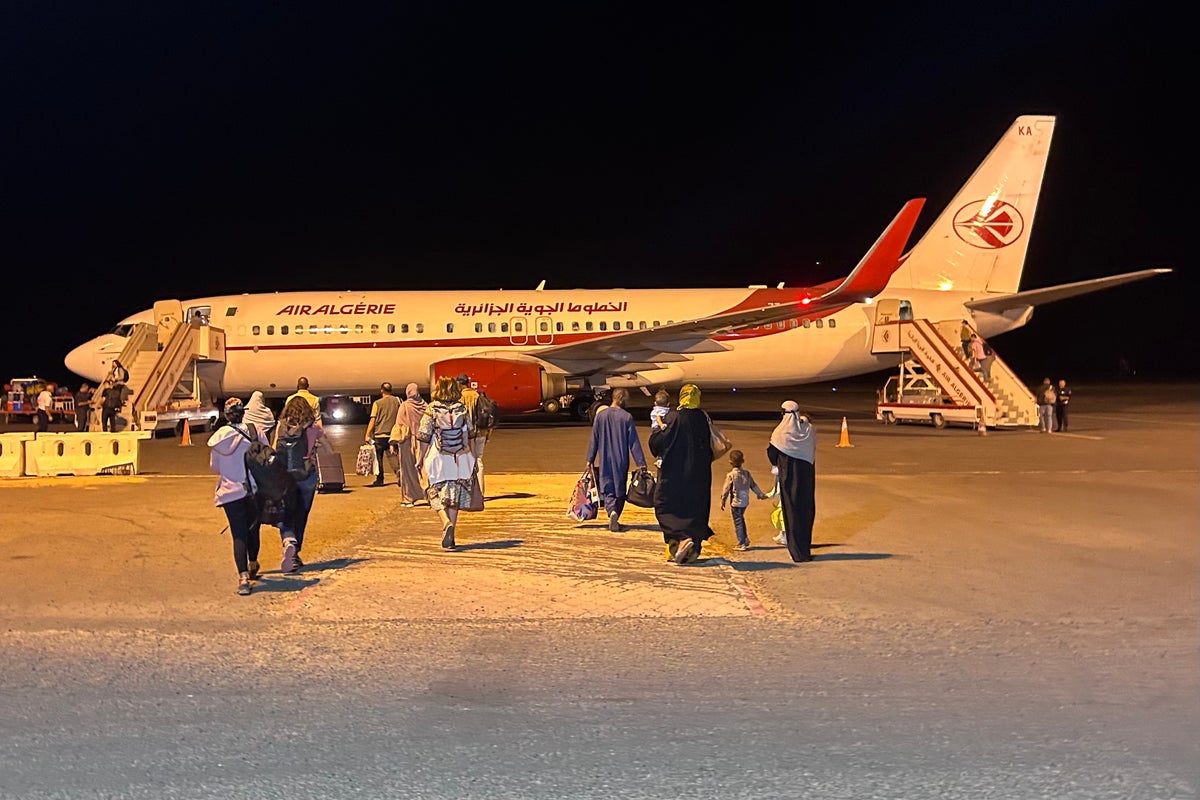
As it happens, Tony Wheeler had a similar experience when attempting to buy an Air Algerie ticket from Algiers to London Stansted late last year. He was transferring from a domestic flight with a tight connection at the Algerian capital’s airport.
To maximise the chance of making the transfer, Tony chose to book in business class – which cost a whacking £420 more than economy. Try as he might, the guidebook guru could not persuade Air Algerie to sell him a ticket. But Booking.com was prepared to do so.
In the event, the transfer was smooth and he comfortably made the flight. But the journey itself wasn’t as comfortable as it might have been – because the Algerian national carrier had substituted an all-economy plane. Tony was actually glad about the change, because it meant he would be refunded the extra cost of business class.
He approached Air Algerie. After six emails, he finally extracted a response from the carrier’s “digital support” operation: “Our service only handles refund requests for tickets purchased on our website.
“The tickets you have sent us were not issued via our platform. Therefore, we invite you to address your claim directly to the agency that issued your tickets.”
In other words: nothing to do with us, try the other lot.
Booking.com, which had taken his money in the first place, acknowledged “your seats were downgraded from business to economy”. But then it mirrored the airline’s response, claiming: “We are unable to take any action on the booking as the control over the booking is with the airline. Therefore, we kindly ask that you contact the airline directly for assistance.”
The online travel agent added: “Please note that this email case has now been closed and that you cannot reply to this email.”
Conducting a blame game at the passenger’s expense strikes me (and probably you) as out of order. So where had the money ended up? I contacted Booking.com, which is the richest travel company in the world, and asked whether it or Air Algerie had Tony’s cash?
He was swiftly reimbursed for the downgrade.
Booking.com told me: “We’re sorry to hear about this customer’s experience. According to standard procedure, because the airline moved the customer from business class to economy, any refund or compensation for the downgrade would normally need to come directly from them.
“However, so this customer doesn’t have to wait any longer for the airline to respond, we will refund them the downgrade amount as travel credit as an exceptional gesture of goodwill.”
It appears Air Algerie is squarely responsible for refunding. I have made multiple attempts to contact the carrier without success. The national airline of Africa’s largest country has some excellent news to announce: from this summer, it will fly from Manchester as well as the existing UK airports of Heathrow and Stansted. But the Air Algerie media operation appears to be all transmit – no receive.
Let me take you back to my opening point about the oddness of dual-pricing of exactly the same commodity: a seat is often cheaper through online travel agents, who take a cut, than direct from the airline.
If you wonder why passengers would elect not to save, I can offer a couple of possible explanations:
- Habit and/or ignorance of the savings to be made.
- Wanting to avail of the “cancel for a full refund within 24 hours” promise made by both British Airways and Virgin Atlantic to people booking direct online.
But there’s another feasible reason: previous bad experience when using online travel agents.
Read more: Should I book a flight through an online travel agent?