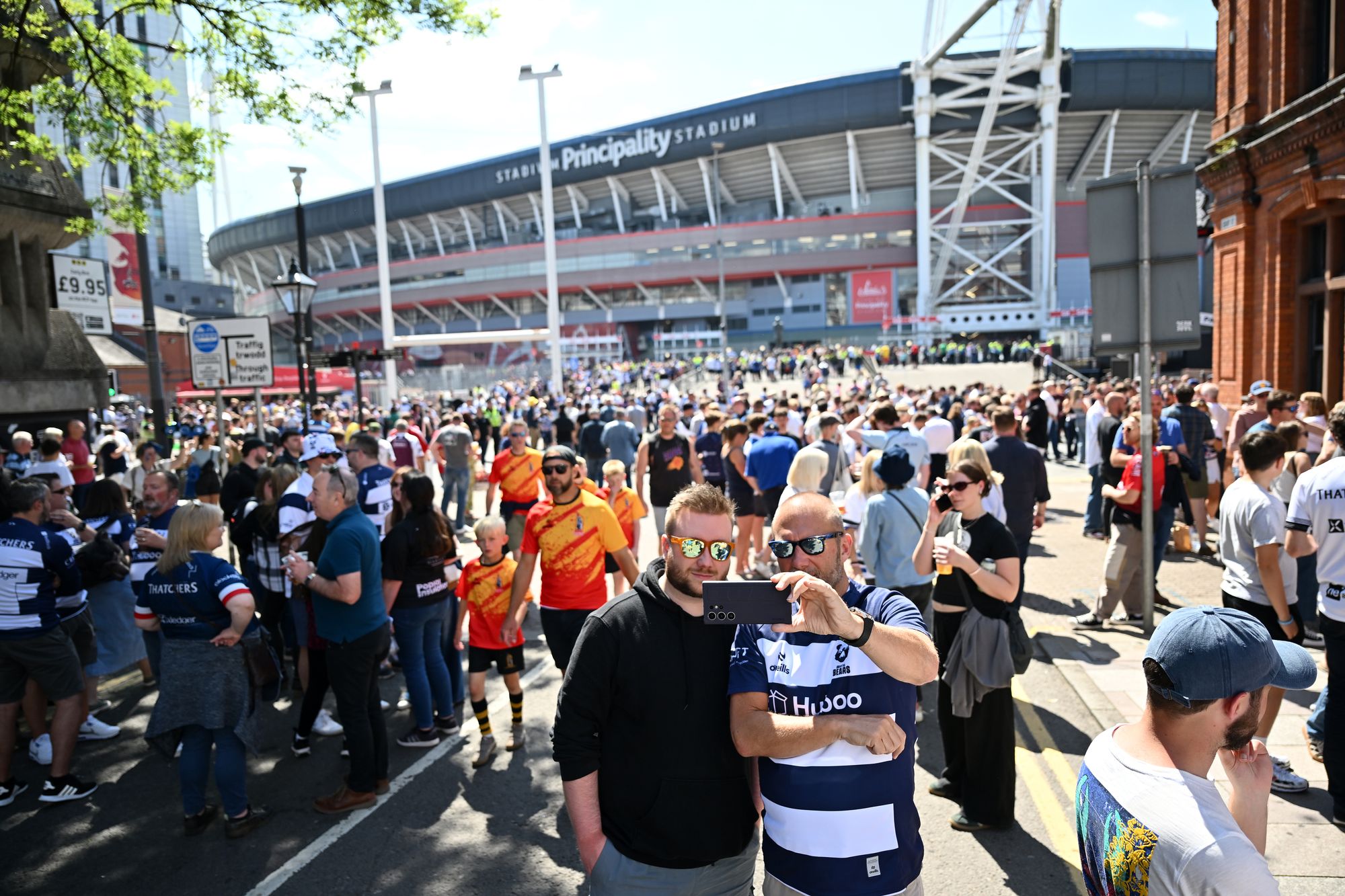
They are calling it the “Big Match Bonanza” – or, if one since-deleted graphic publicised across the Gallagher Prem’s social media channels is to be believed, a “bonanaza”. The big selling or poor spelling might be enough to turn away a few, but one should not underestimate the significance of this weekend for the top flight of English rugby as the Prem takes over three large sporting venues in the name of growing its footprint at a time of radical change.
Fixtures at Cardiff’s Principality Stadium, Birmingham’s Villa Park and London’s Tottenham Hotspur Stadium have long been in the diary, but the timing is made all the more apposite given recent developments. This week, Prem Rugby executives delivered the detail to sit underneath the headline news of the removal of promotion and relegation and adoption of an expansion, franchise-style model – effectively separating the top flight from the rest of the English rugby pyramid.
Simon Massie-Taylor, the Prem’s chief executive, described this weekend as a “statement of intent for the league” as it moves towards what it hopes is a brighter future. Much of the early part of the CEO’s tenure was a sort of gloom-ridden firefighting as he dealt with the loss of three clubs; now, with two sides set to be added by 2030 to follow fresh investment in Newcastle and Bath, he was speaking in declarative, decorative tones.
“Big games are really important, as they make games bigger, and appeal to a wider fanbase,” Massie-Taylor explained, with hopes that they can push past 100,000 attendees across the three fixtures. “Our ambition is to have 10 big games by 2030, and that includes the final and the potential for neutral playoffs.
“We see that adding to the narrative and the general scale of the league. Big games are hard to do, so we as a league need to provide more support on that and to help market it to a wider audience.”
The Prem’s growth plans are built around four key pillars: full stadia; star players; premium assets; strategic expansion. Average television audiences are already up 21 per cent year on year, while the introduction of a “salary floor” – in effect, a minimum spend – reflects greater confidence in club finances, boosted by James Dyson’s arrival at Bath and the energy at the Newcastle Red Bulls. Active conversations are ongoing with several other investors; more news has been promised “soon”. Alongside the possibility of taking semi-finals to a neutral venue in 2029, league sponsor Gallagher is also understood to be exploring a fixture at Chicago’s Wrigley Field, perhaps as soon as next year, to mark the insurance company’s centenary.
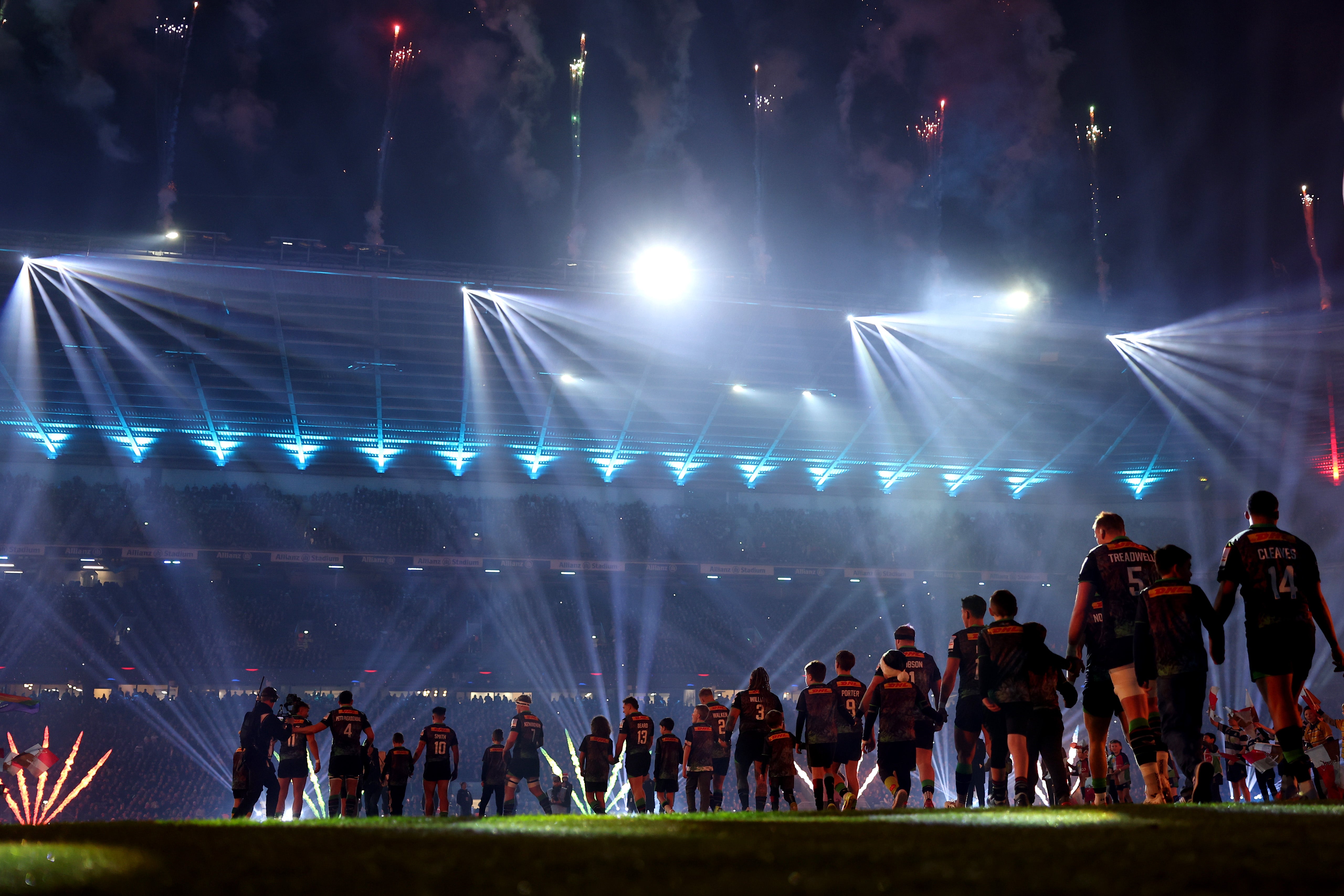
It might be easy to mistake the Prem’s bold words over the last 12 months, particularly, for bragging or bluster, but there is a sense among senior executives that this is a crucial moment for the sport. An ever-more-crowded attention economy also brings with it a more competitive market for investment; it is no longer just football with which rugby is comparing itself, but the upstarts and offshoots of a broader sporting landscape. The threat posed by R360, or another rebel league, has not entirely gone away, either.
“Our vision is to be the best league in the world,” Massie-Taylor explained. “We are on a journey to define exactly what that means, but it doesn’t mean we are going to spend beyond everyone else and create wage inflation around the world, paying so all the galacticos turn up. There are other aspects in terms of how we can define ourselves as the best league in the world for fans and players.”
There are, of course, a few problems with that statement. The underlining of the Prem’s commercial potential comes during what is, by most metrics, the least competitive season in recent memory, with four sides already out of the play-off race and Saracens likely to join them if they cannot upset the table-topping Northampton Saints at Tottenham on Saturday evening. Harlequins, particularly, appear a little lost – a “global search” for a new head coach concluded with the internal appointment of Jason Gilmore this week – while Sale and Gloucester have significantly underperformed.
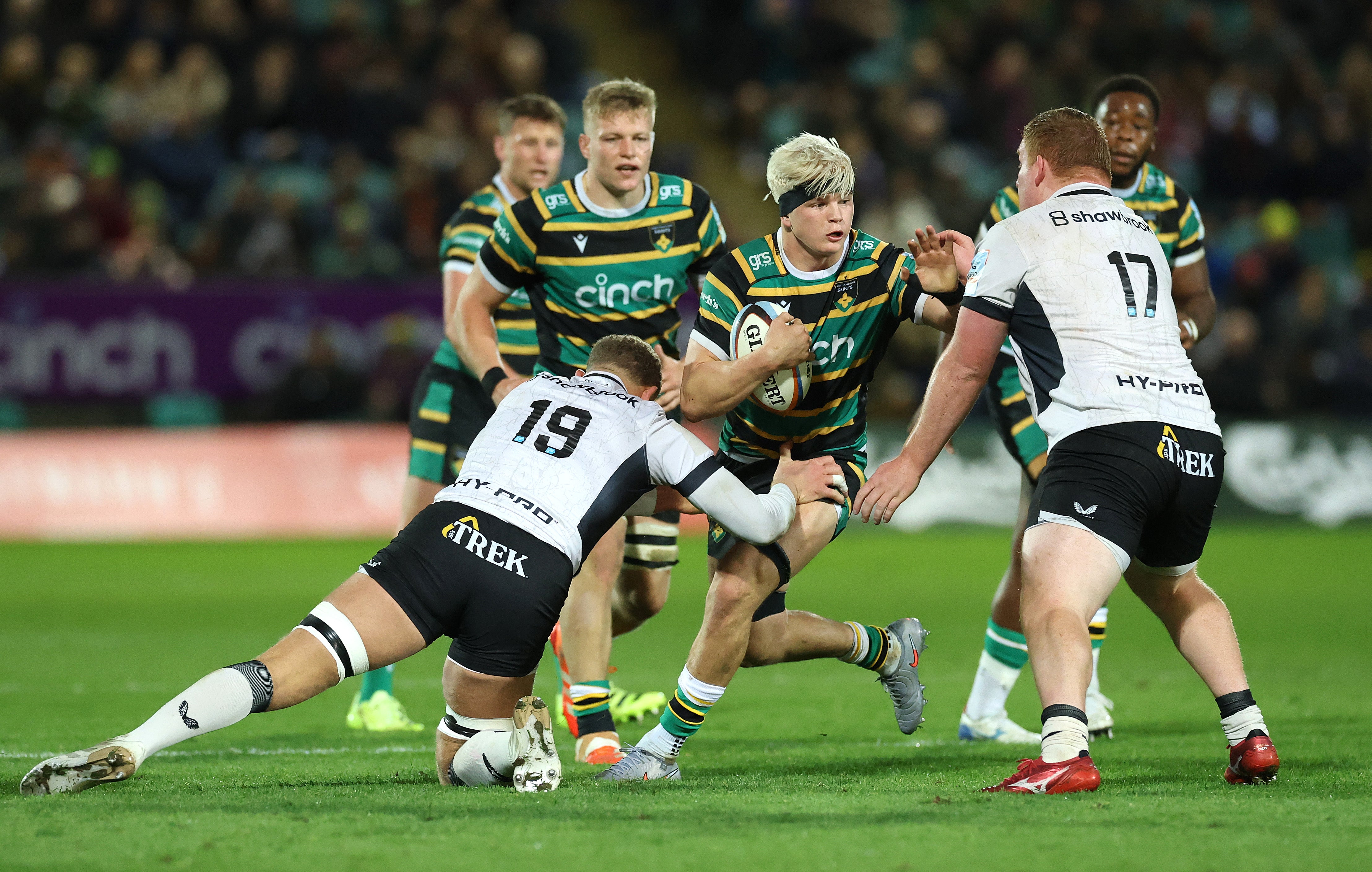
An ever-more-crowded calendar, exacerbated by last year’s British and Irish Lions tour and the travel demands of the new Nations Championship, is causing issues, too. While England internationals like Maro Itoje, Henry Pollock and Ellis Genge will all make their returns to action this weekend, looking to prove a point after a painful Six Nations, there are still too many high-profile club games in which a full constellation of stars do not feature. Bath, for example, have rotated heavily for their trip to Sale, and a rested Marcus Smith is not part of the Harlequins side to take on Bristol.
With player welfare rightly taking priority, that may be an unsolvable issue, particularly if and when expansion comes. But selling a league is harder if you can’t necessarily bank on your biggest names. While the ambition of Bristol taking a game to Cardiff and Gloucester facing Leicester in Birmingham is admirable, neither ground is likely to be close to full – the closure of one stand of Villa Park for redevelopment work may help, optically. Saracens, too, may be short of the 54,414 figure record for last year’s “Showdown” against Harlequins for their men’s and women’s double header at Spurs.
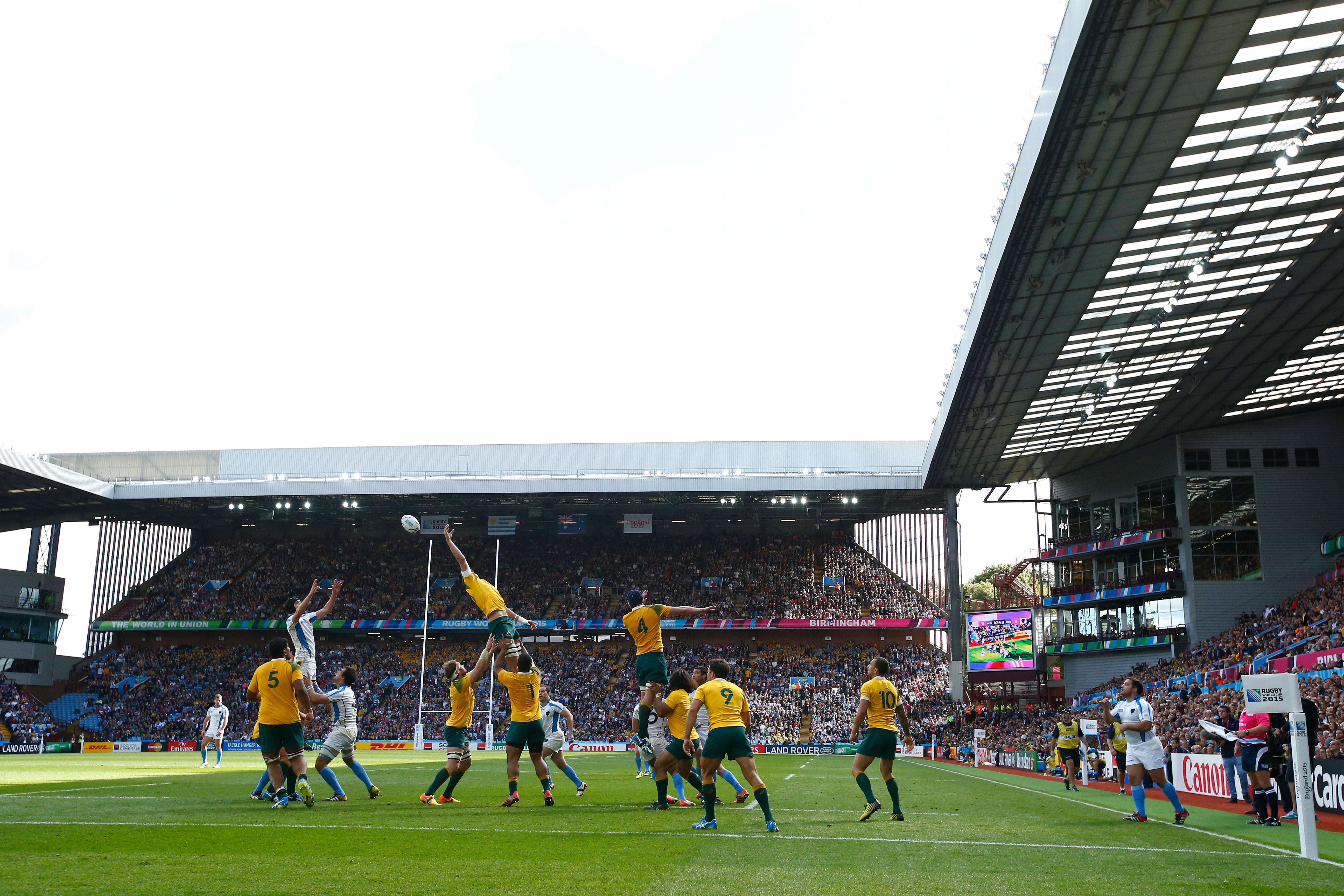
As Massie-Taylor mentions, a better spread of the games across the season may be helpful, although the availability of larger stadiums is obviously impacted by football’s predominance. A collective approach to ticketing is another part of the plans to be looked at by an “expansion review group”, as expressions of interest are welcomed and a tender process opens next season. These are mightily intriguing times.
.jpeg?trim=0,0,0,0&width=1200&height=800&crop=1200:800 "Iran war in numbers: Growing toll of US-Israel war on Tehran after one month – UK Times")