


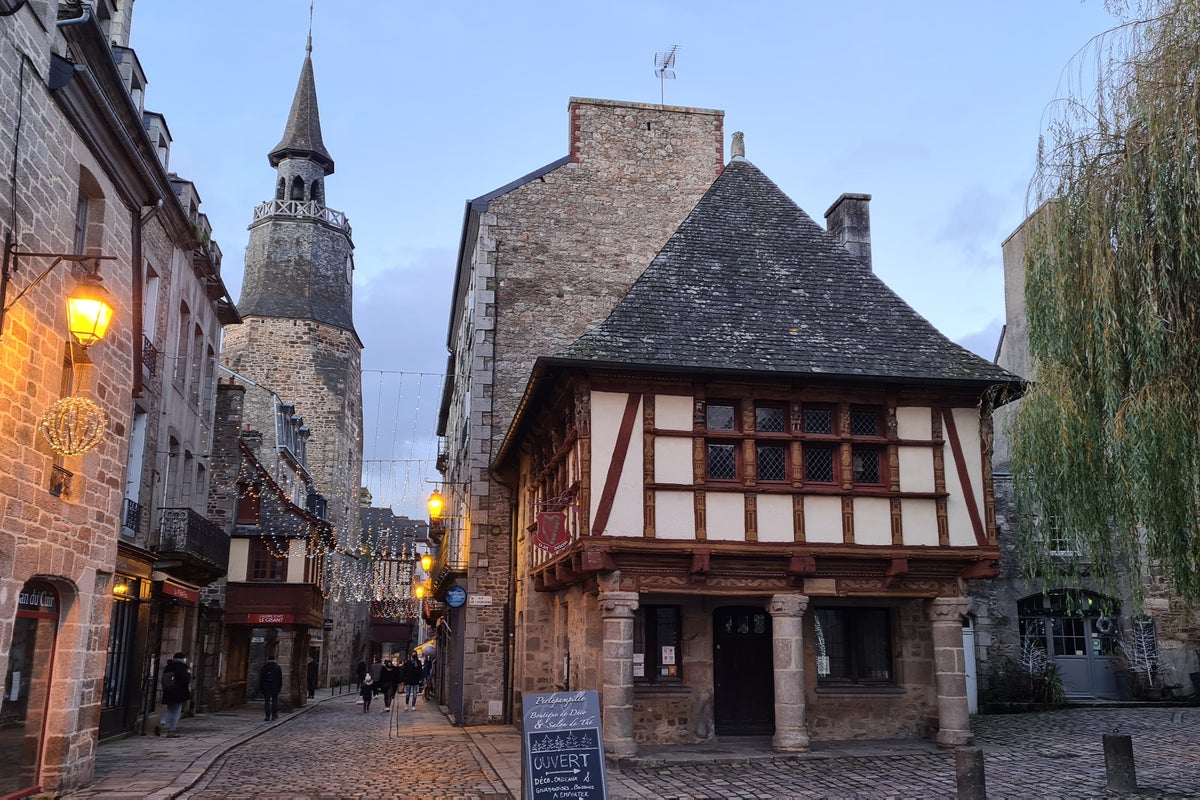
When I was little, we spent two weeks on a family camping trip in Carnac, Brittany. It rained for a fortnight. Many of our neighbours were flooded out – something I found pretty amusing as a nine-year-old, looking down from the lofty heights of our trailer tent. It was June.
I’ve just come back from a trip to Brittany, and the weather was infinitely better than that summer, when I’d watched bedraggled neighbours wrestling with wet canvas as though they were at Glastonbury.
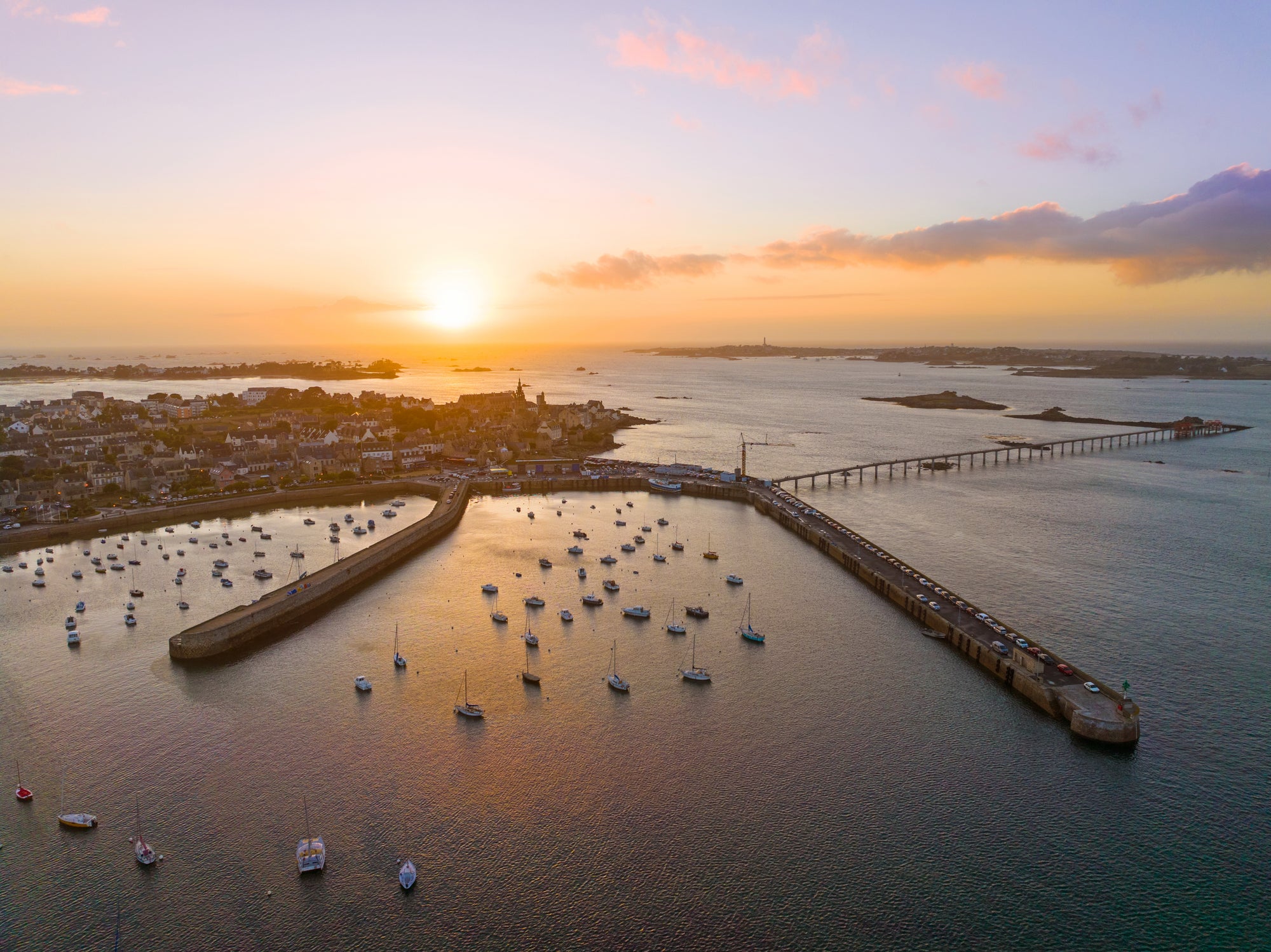
This year, Brittany Ferries has heaped on new December crossings between the UK and France, with brand new winter sailings from Plymouth to Roscoff and St Malo, in addition to the Portsmouth and Poole to St Malo service already in place.
Read more: Why you should swap Cornwall (and the Caribbean) for this Channel Island
For this displaced Brit, it means I can visit family in the UK at Christmas without two days of driving. For all of you north of the Channel, it means an easy holiday.
Growing up, we went to Brittany every year. Since moving to France as an adult, I’ve done the same. It never gets old for me; perhaps it’s the abundant rainfall that keeps Brittany so fresh.
This time, I was in Morbihan, the temperatures a balmy 17 degrees. I’d last visited in July two years earlier, when storms had turned the ocean into a seething mass of froth that looked like snail’s foam. That’s not to dissuade you from visiting – if anything, inclement weather adds to its beauty.
If you’ve watched Poldark and seen the charm in Ross riding a horse along the rain-flayed cliffs, you’ll understand. It’s to say that the weather can do what it likes in Brittany and it doesn’t matter. But in winter, you’ll get cheaper hotels, the restaurants won’t be fully booked and you won’t be on holiday with half of Paris.
If your first priority is food, Brittany has you covered. There are some 1,600 crêperies in the region, meaning you’re never far away from a sumptuous pancake. In Sarzeau, a pretty little town built from granite on the southern side of the gulf, there are three for a population of only 9,000. I believe there’s a reason we celebrate Pancake Day in February, and that’s because galettes taste better when it’s cold. Particularly if they’re flambéed.
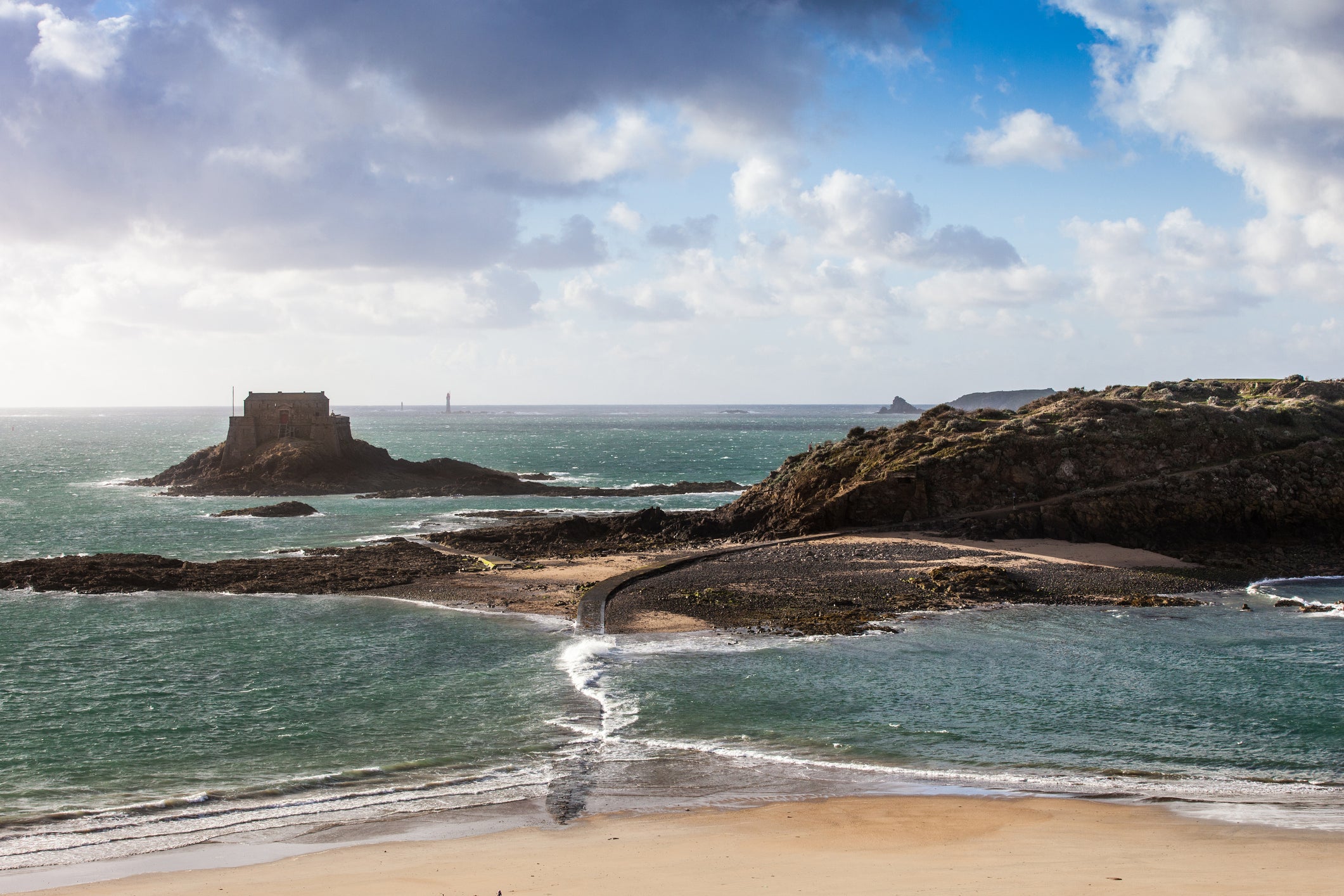
Activities do not need to be confined to the indoors, however. Sport in Brittany is all about harnessing the power of the wind. On the Quiberon Peninsula, waves are much more reliable in autumn and winter, but for us mere mortals that don’t want to be pummeled by the Atlantic, there’s always char à voile, or land sailing.
The activity consists of driving a three-wheeled buggy over long, flat beaches in a kind of karting-cum-sailing combination. At their fastest, the karts reach 40 miles an hour. From my own experience of char à voile, fewer obstacles on the beach is a very good thing. Land sailing schools like Char à Voile du Bout du Monde in Finistère stay open all year.
Read more: My child has additional learning needs — this is how we travelled on our first holiday abroad
Cycling in winter has its benefits too, and I speak from experience, having spent the majority of my last Breton trip in the saddle. Brittany is not a flat region, and weighed down by saddlebags, I was pretty happy to have cooler temperatures and even a little mizzle when tackling the hills.
The hire company Abicyclette was a welcome discovery, because you can hire touring bikes in one place and drop them off in another (Rennes to Vannes is a particularly charming route.) They supply saddlebags and trailers, and also offer e-bikes.
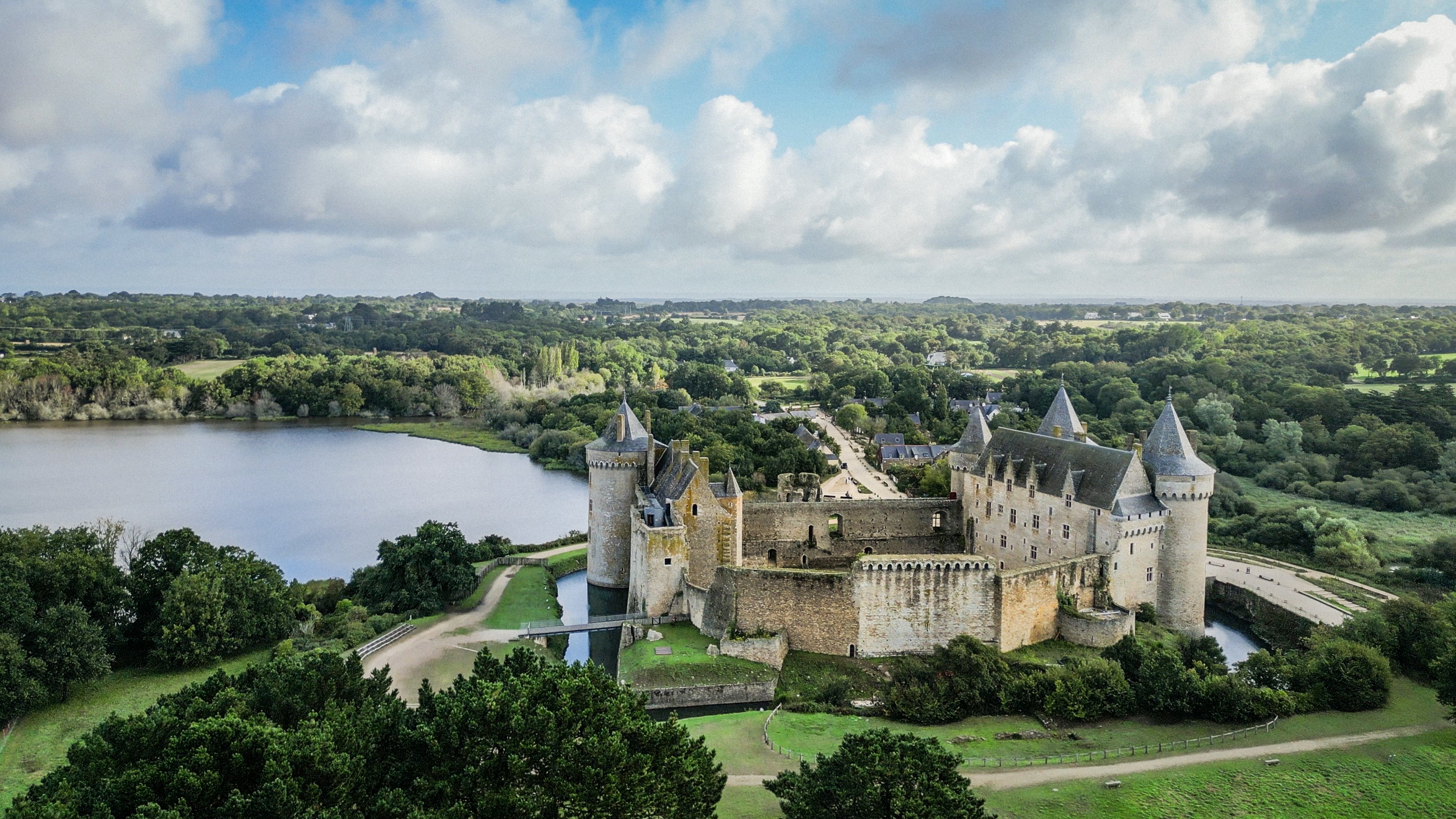
For something more cultural, there are Brittany’s chateaux, which tend to get overlooked – something to do with that famous neighbour, the Loire, to the south. Some really incredible castles that stay open throughout December, festooned with decorations. The 15th-century Château de Suscinio, for example, is close to a real-life sandcastle, only separated from the beach by shallow lagoons filled with wading birds.
The thing I like most about Brittany in winter, though, are the colours. The Breton countryside is a more vivid green than anywhere else. It’s greener, even, than I remember seeing in the Amazon rainforest.
When bruise-like clouds scud across the sky, sections of the countryside are often spotlit by break-out rays, which give even the humble cabbage fields an oversaturated look. Along the beaches, tides wash up hundreds of sail jellyfish, inky in colour and as intricate as thumbprints. The sunset over the sea is a deep peach, framed with heavy clouds. It makes you wonder why anyone visits in the summer at all.
How to do it
Brittany Ferries has new Plymouth-Roscoff sailings on nine different dates this December, and Plymouth-St Malo on two dates. They also run services from Poole-St Malo throughout the winter, with prices starting from £60pp.
Where to stay
Hôtel Lesage, in Sarzeau, offerse cosy double rooms from £73 with breakfast.

