
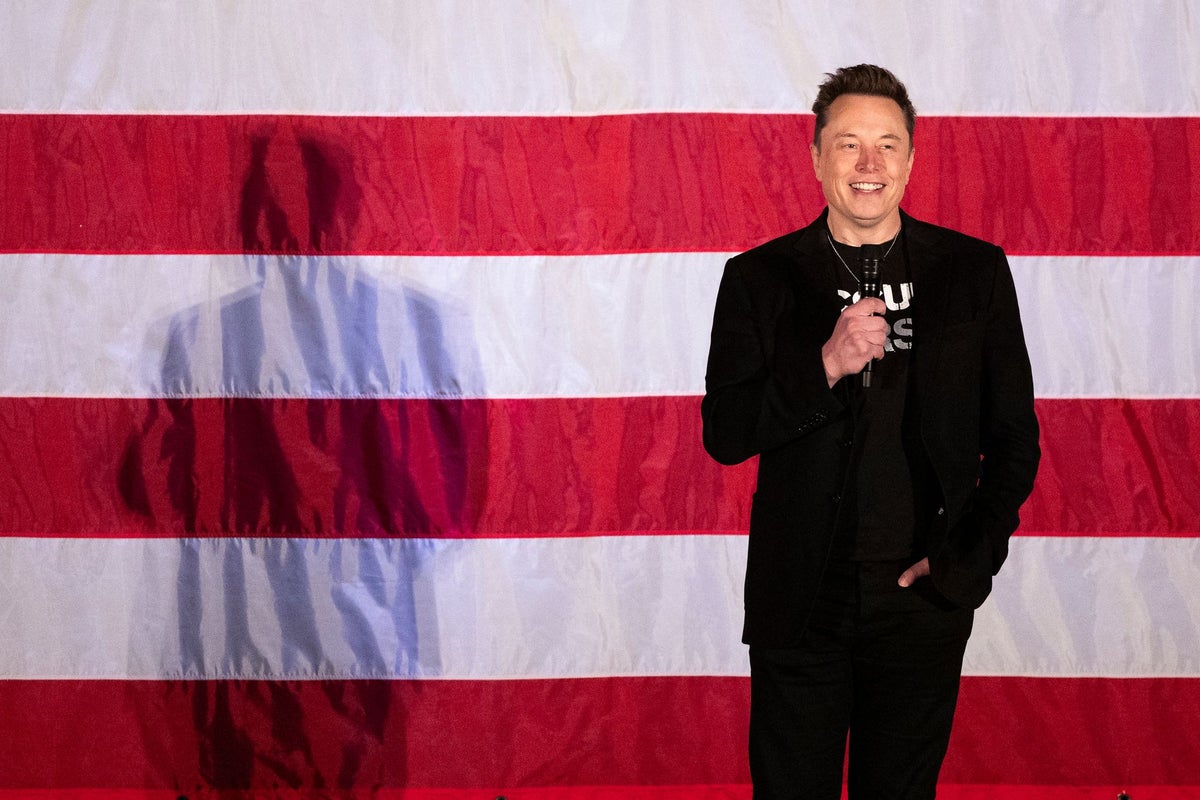
A start-up founder is organizing a Saturday “March for Billionaires” in San Francisco in protest of a proposed one-time wealth tax on the state’s ultra-wealthy.
The march, set to kick off this afternoon at the San Francisco Civic Center, has attracted a small crowd already, though it has run into one problem: its organizer has to keep insisting the event is not a joke.
“Yes, it’s real,” organizer Derik Kauffman told KRON on Friday.
When news of the planned march first began to circulate, some on social media speculated the event might be satirical or funded in the background by a California billionaire.
Kauffman, whom the San Francisco Examiner identified as the march’s organizer, told the paper he is not in contact with billionaires or getting funding from them. The entrepreneur, who founded an AI company that took part in the Y Combinator start-up accelerator, added that he’s not a billionaire himself, but sees the wealth-tax proposal as a threat to the state’s tech economy and larger prosperity because it could force founders to sell shares in their companies.
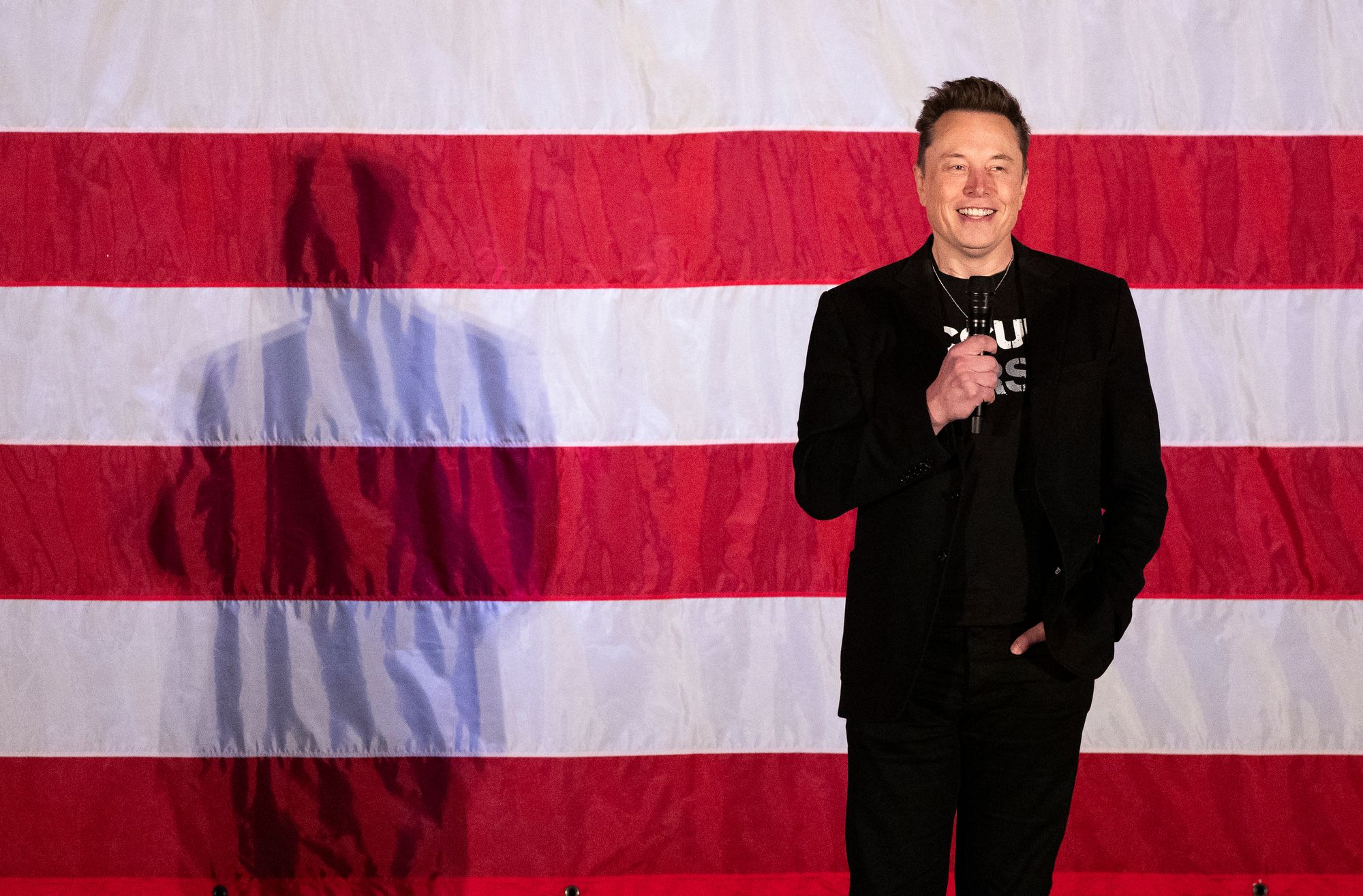
The march is meant to “change the sentiment on this to recognize that billionaires have done a lot for us and communicate that we’re glad they’re here,” he told the Examiner.
The march, whose main program began on Saturday lunchtime, attracted a small crowd, though a social media user who said he was nearby suggested they were outnumbered by media members and counter-protesters.
The tax proposal, a state ballot initiative backed by the state’s influential SEIU–United Healthcare Workers West, would levy a one-time tax on billionaires who were living in California as of January 1, equal to five percent of their net worth.
Revenues for the tax would be spent to bolster public healthcare, as the state reels from Trump administration cuts to Medicaid and the Affordable Care Act.
The state legislative analyst’s office has calculated that the tax could raise tens of billions of dollars, though it warned of uncertainty about the proposal’s impact, given fluctuations in the stock market and the possibility that billionaires could leave the state and take their tax dollars with them.
“This would mean less money for the state’s general budget that supports education, health care, prisons, and other services,” the office wrote. “While there would be money from the wealth tax to pay for some of these things, like health care, that money would be temporary.”
California Gov. Gavin Newsom opposes the proposal, as does a large swathe of the state’s tech community.
“This will be defeated — there’s no question in my mind,” Newsom told The New York Times.
“I’ll do what I have to do to protect the state.”
The tax still needs to make it to the ballot and get voter approval, but billionaires, including Google founders Larry Page and Sergey Bri,n have already begun cutting financial ties with the state.
Research suggests the ultra-wealthy aren’t actually prone to move en masse in the face of new taxes.
“These people are just very embedded in the places where they’ve built their careers, and have a lot of ties to where they live and work. It’s costly to give those up,” Cornell University sociologist Cristobal Young, the author of The Myth of Millionaire Tax Flight: How Place Still Matters for the Rich, told CalMatters. “So it’s one thing to say, ‘I’m moving to Texas.’ But a lot of people, when it comes down to making that move, they don’t want to do it.”