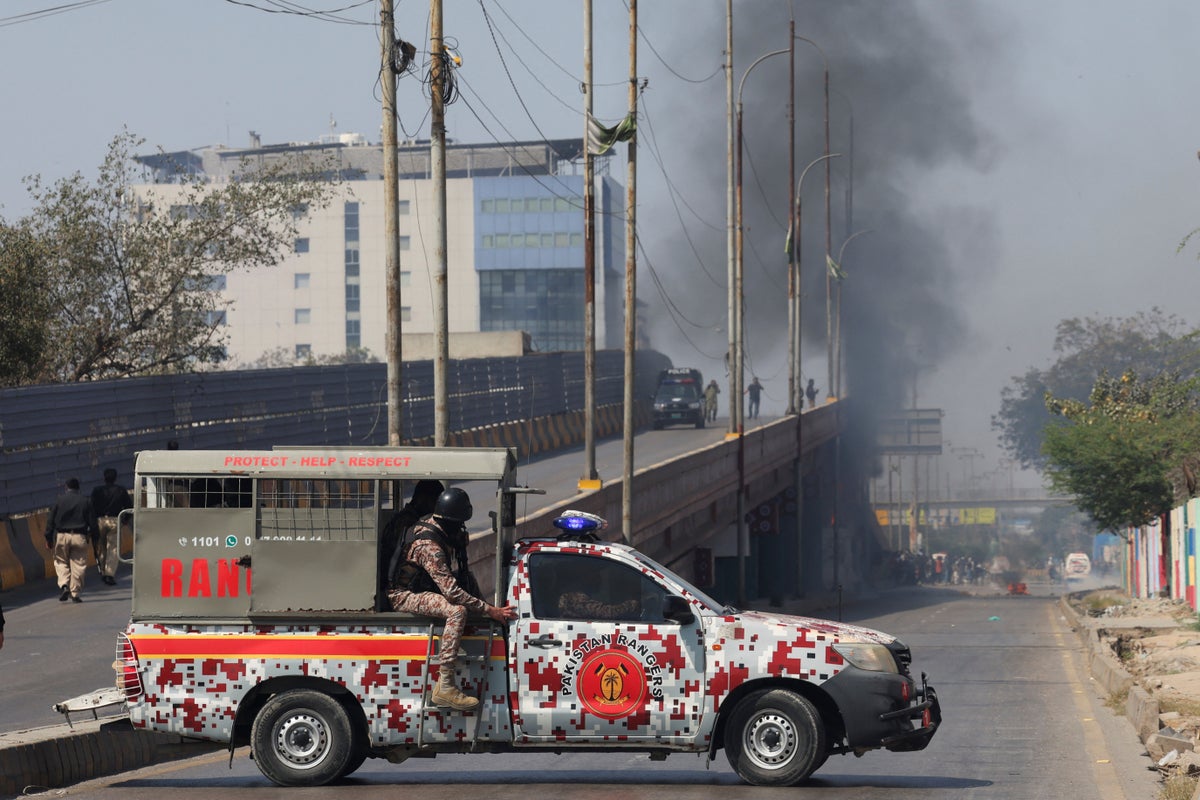
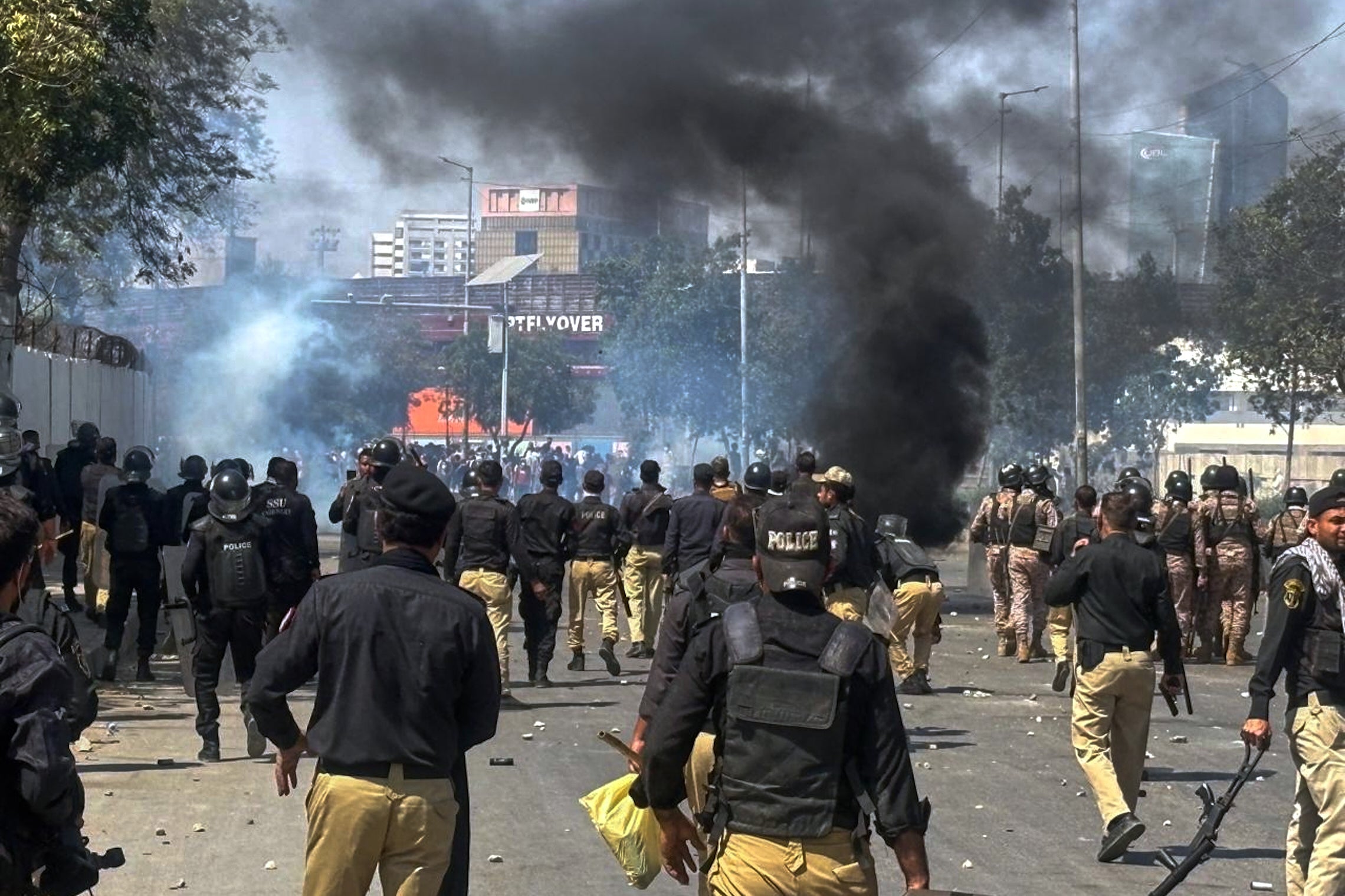
At least 10 people were killed as hundreds of protesters attempted to storm the American consulate in Karachi, Pakistan, following the assassination of Iran’s supreme leader Ali Khamenei.
Nearly 120 people sustained injuries in the southern city while demonstrators attacked UN facilities and government offices in the north of the country.
Another 12 people were also killed and about 80 wounded in clashes with police in the northern region of Gilgit-Baltistan where thousands took to the street to protest the US-Israeli strikes on Iran.
The 86-year-old supreme leader’s death in the US-Israeli strikes on Saturday drew condemnation from across the world and triggered protests in several countries, especially by Shia Muslims who revered him as a religious authority.
Iranian president Masoud Pezeshkian condemned the assassination as “a great crime”.
“God willing, we’ll never bow before America and Israel,” Mamoona Sherazi, who attended the rally in Karachi, said.
Pakistani president Asif Ali Zardari expressed “profound sorrow over the martyrdom” of Khamenei and conveyed his condolences to Tehran. “Pakistan stands with the Iranian nation in this moment of grief and shares in their loss,” his office quoted Mr Zardari as saying.
The US embassy in Pakistan said on X it was monitoring reports of ongoing demonstrations at the consulates in Karachi and Lahore, as well as calls for protests at the embassy in Islamabad and the consulate in Peshawar.
The clashes prompted interior minister Mohsin Naqvi to appeal for calm. “Following the martyrdom of Ayatollah Khamenei, every citizen of Pakistan shares in the grief of the people of Iran,” he said in a statement urging the public not to take the law into their hands and to demonstrate peacefully.
The provincial government of Sindh, of which Karachi is the capital, warned the people against engaging in violence.
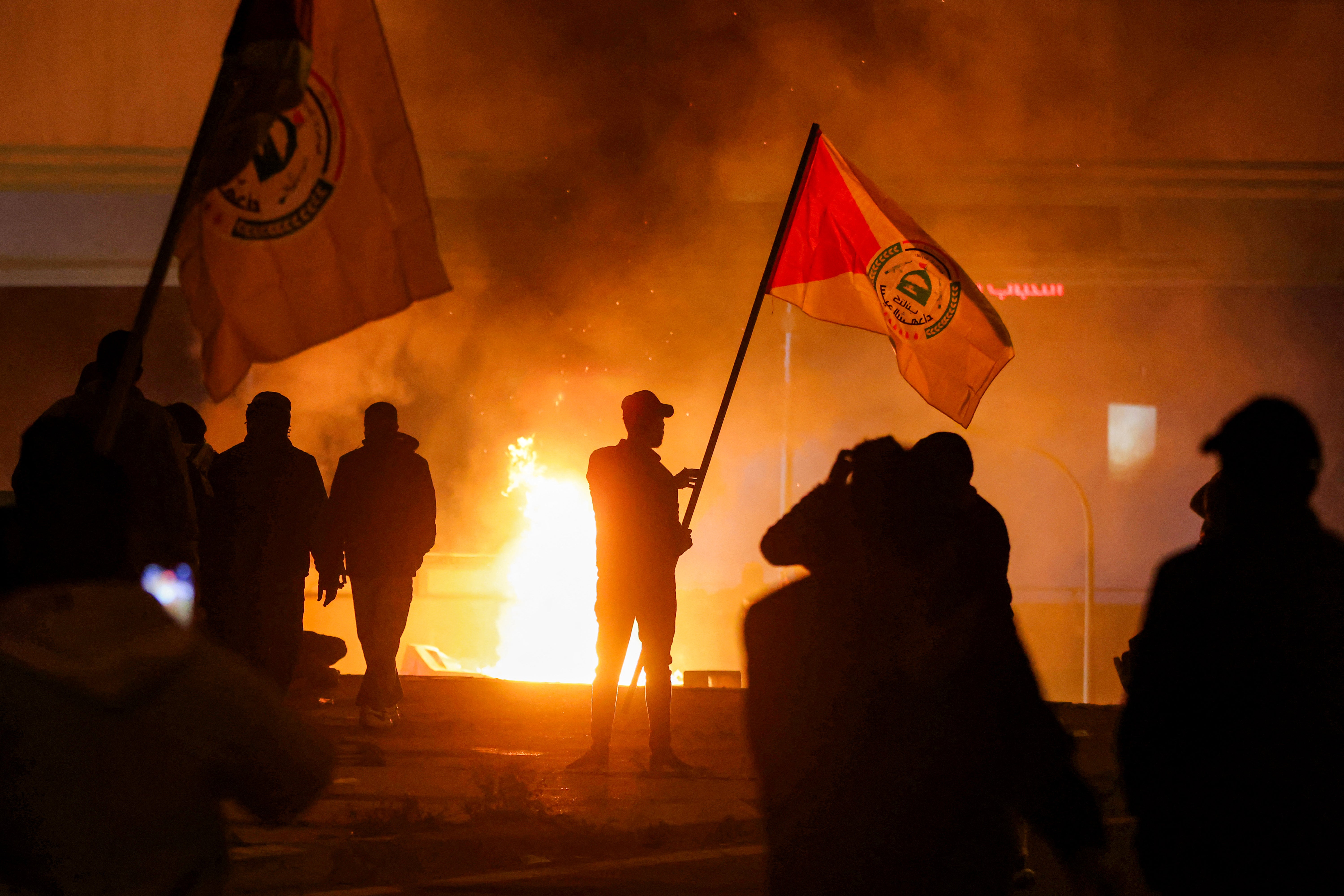
In Iraq, security forces fired teargas at protesters who attempted to enter the fortified Green Zone, the home of the American embassy in Baghdad.
Protesters waving flags of pro-Iranian armed groups reportedly hurled stones at security forces as tensions flared in Baghdad. The protests weren’t confined to the capital, local media reported, with demonstrations also breaking out across southern Iraq.
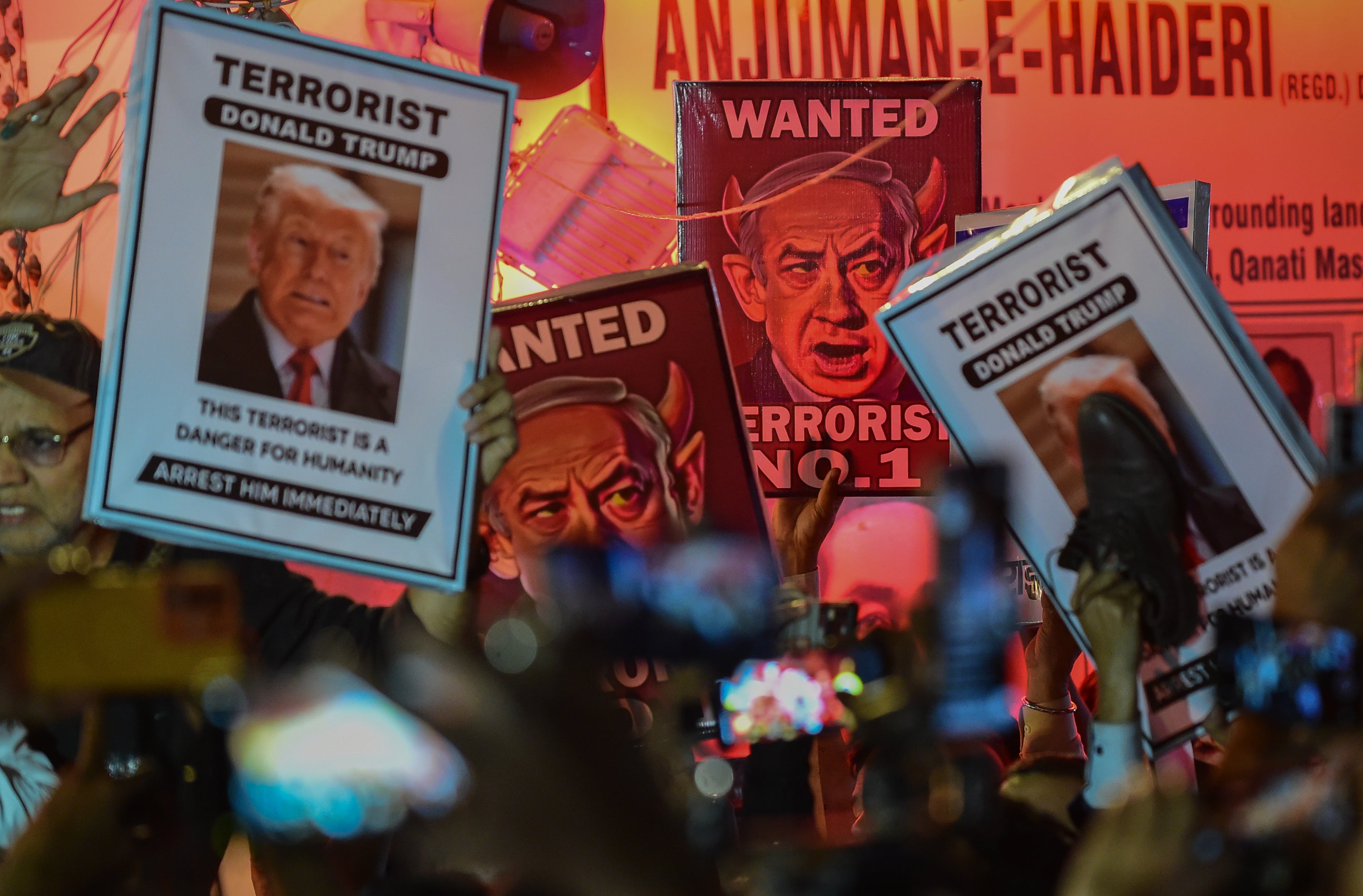
In South Asia, Shia mourners took to the streets to express grief and anger over the assassination of Khamenei. In India’s restive Himalayan territory of Kashmir, home to an estimated 1.5 million Shias, tens of thousands of protesters were seen beating their chests in mourning as they chanted, “Death to America” and “Death to Israel”.
In the Indian capital Delhi, Shia mourners shouted slogans against the Donald Trump administration as they mourned Khamenei’s death.
Khamenei’s death marked the launch of the second US-Israeli attack on Iran in eight months.
Alongside the supreme leader, who state television said died early on Saturday, the US-Israeli attack killed several political and military leaders as well as over 100 schoolgirls, Iranian officials said.
Khamenei, who took power in 1989 after Ayatollah Ruhollah Khomeini’s death, had final authority over Iran’s political and military apparatus.
Iran vowed to launch its “most intense offensive operation” against Israeli and American targets to avenge the supreme leader’s death.
“You’ve crossed our red line and must pay the price,” parliament’s speaker, Mohammad Bagher Qalibaf, said. “We will deliver such devastating blows that you yourselves will be driven to beg.”
Mr Trump had warned that Iran would be hit “with a force that has never been seen before” if it retaliated against the attack. However Iranian forces promptly launched missiles and drones at Israel and at American military facilities across Bahrain, Iraq, Jordan, Kuwait, Qatar, Saudi Arabia, and the UAE.
Israel said it intercepted many of the dozens of missiles fired at it. The medical emergency service Magen David Adom said a woman died after being wounded in a strike near Tel Aviv.
Meanwhile, Thailand said it was readying to evacuate some 110,000 of its citizens from the Middle East by military or charter flights as the situation continued to escalate.
“We have to check the closure of airspace, whether we need to evacuate them to the third country first,” prime minister Anutin Charnvirakul said.
“The Thai government will do everything to bring Thai citizens back safely. If they want to return, we will take them back.”
The war disrupted flights across the Gulf due to airspace closure, leaving thousands of passengers stranded across the region.