

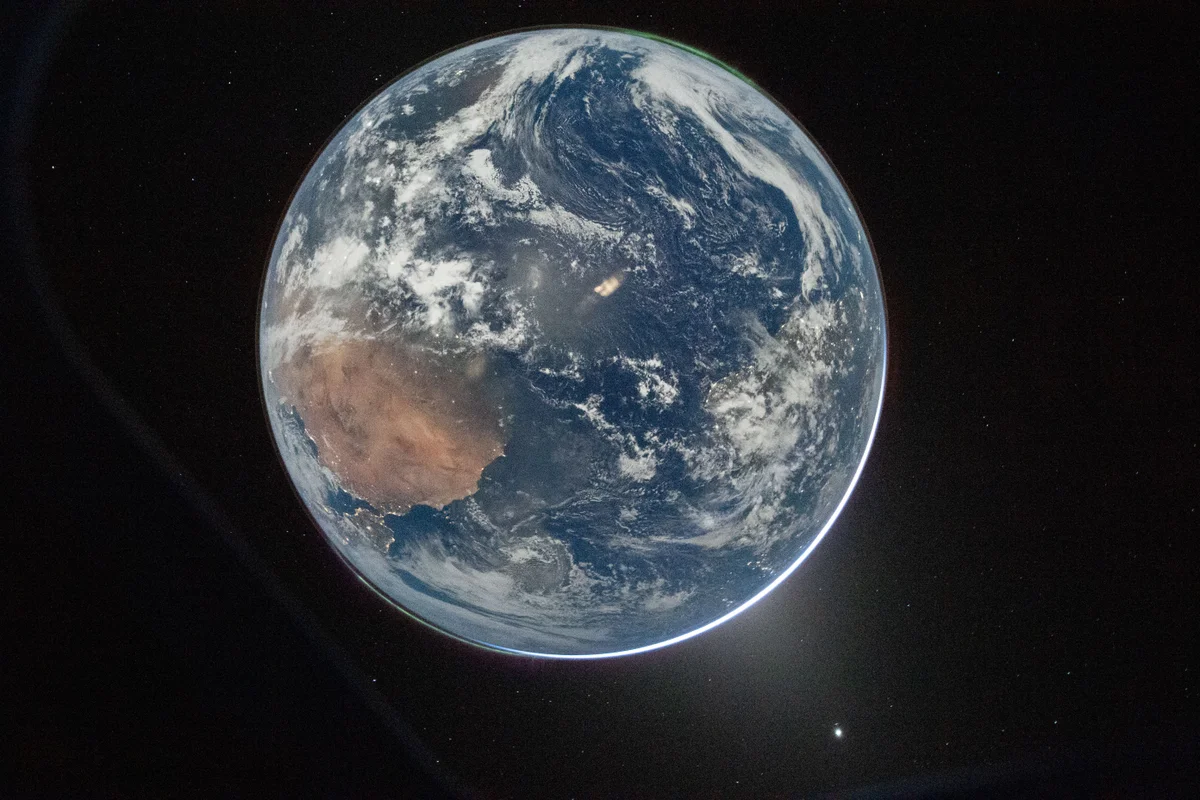
The four crew of Nasa’s Artemis II mission have shared a “spectacular moment” as their craft left Earth’s orbit and started its final push towards the far side of the Moon.
During the first public video conference with the crew, Commander Reid Wiseman said they saw a “spectacular view” as the spacecraft moved away from Earth.
“You can see the entire globe from pole to pole… It was the most spectacular moment and it paused all four of us in our tracks,” he said.
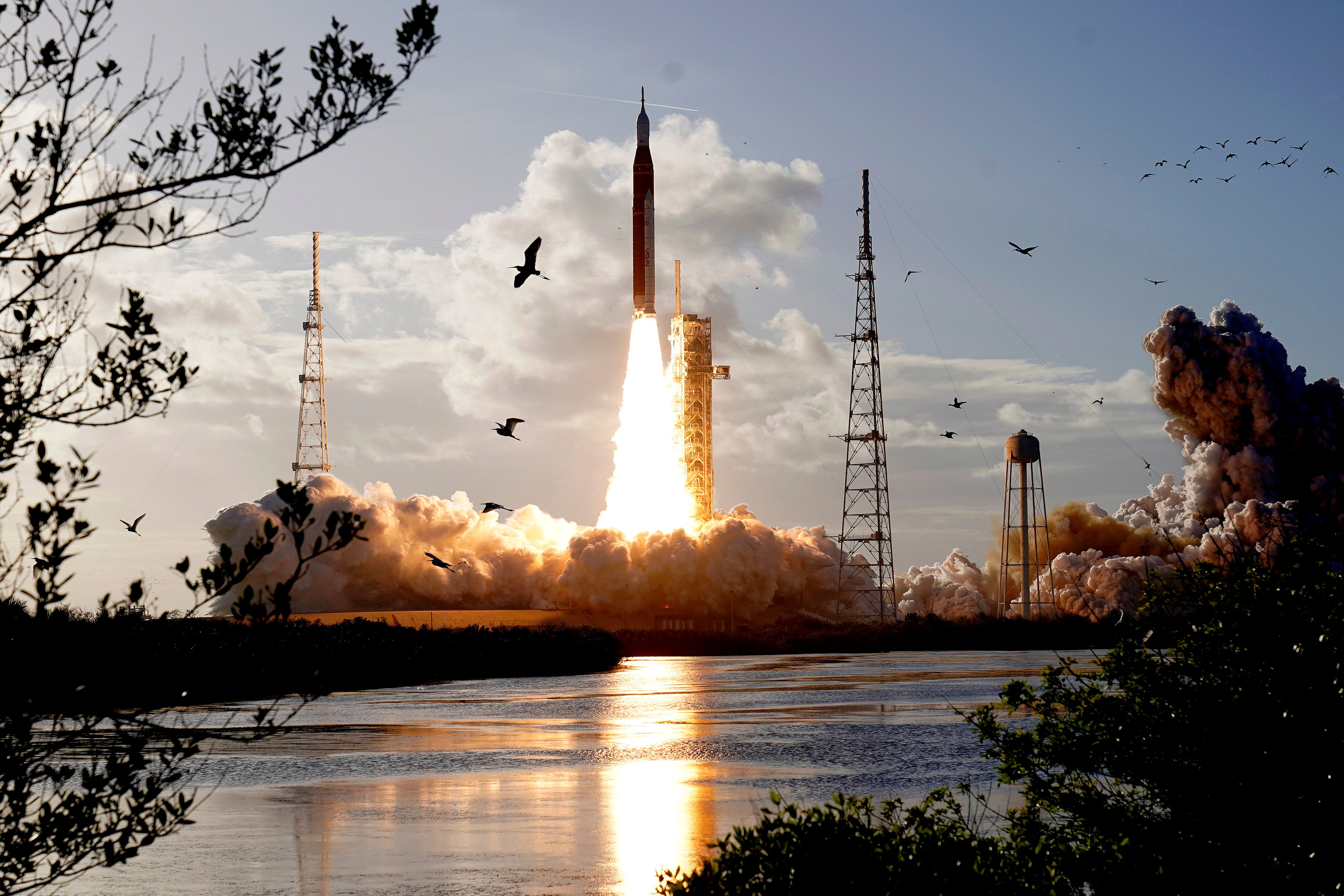
In what is the first crewed mission to the Moon since Apollo 17 in 1972, the four astronauts on the Artemis II mission spent the first 25 hours of the flight circling the Earth after the launch from Cape Canaveral in Florida on Wednesday evening.
The spacecraft is now heading around the far side of the moon and back again.
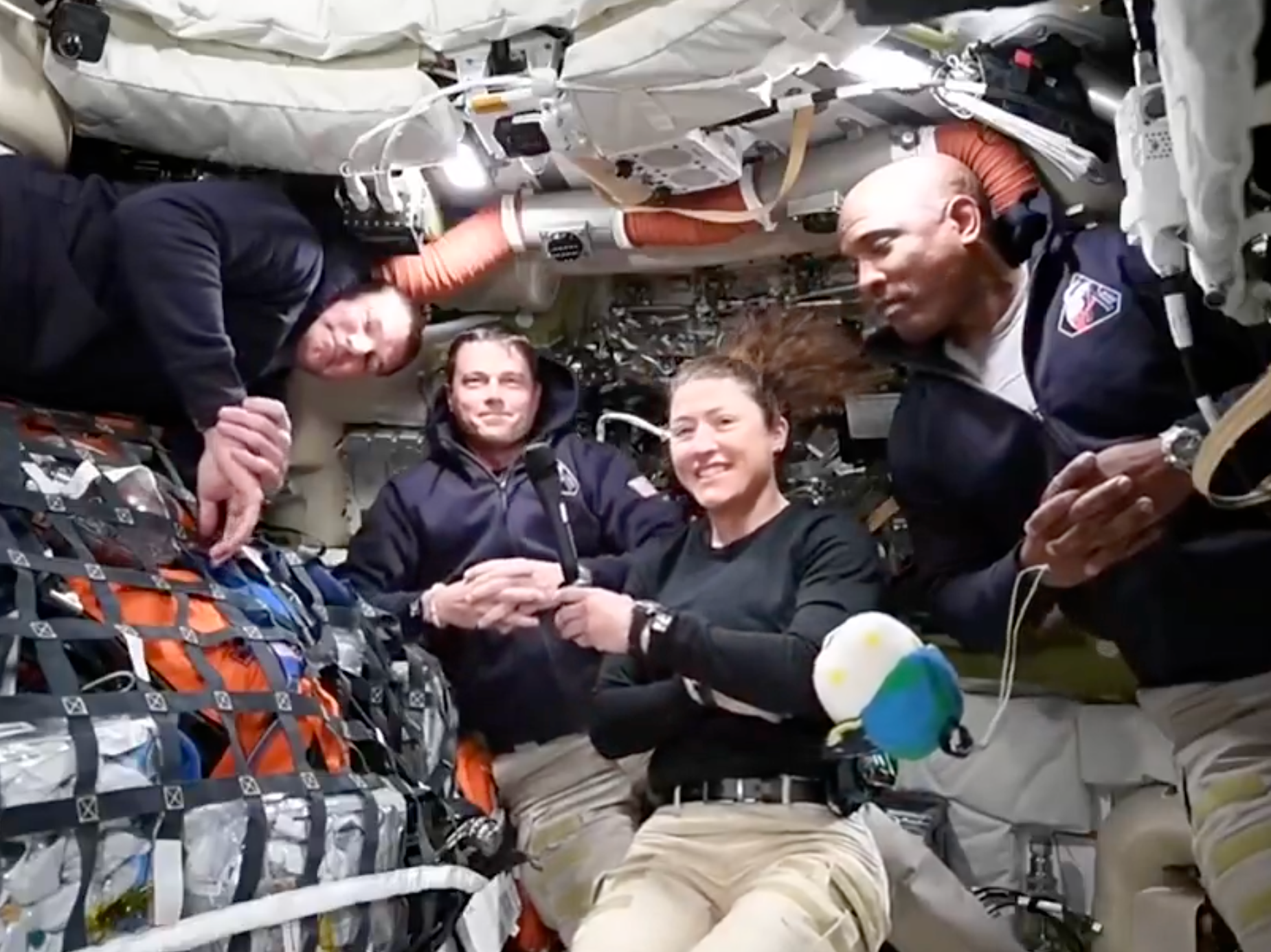
Canadian astronaut Jeremy Hansen said the crew were glued to the windows to see the “phenomenal” view.
He said: “Humanity has once again shown what we are capable of, and it’s your hopes for the future that carry us now on this journey around the moon.”
Hansen told Nasa’s mission control that the crew “firmly felt the power” of those who had worked hard on the Artemis II mission
“Humanity has once again shown what we are capable of,” he said. “It’s your hopes for the future that carry us now on this journey around the Moon.”
After spending about a day in Earth’s orbit, Orion’s engines, navigation and life-support systems were checked and given the final approval. The engine burn began pushing the spacecraft thousands of kilometres per hour.
The five minute and 55 second engine burn went “flawlessly”, Nasa’s Dr Lori Glaze said afterwards.
Orion is now set to head around 4,000 miles beyond the moon with a lunar flyby on Monday the next major milestone which will send the crew some 252,000 miles (406,000 kilometres) into space before returning to Earth.
The current record for the furthest spaceflight is about 248,000 miles, held by members of the Apollo 13 lunar mission in 1970, which was hit by technical problems.
However, if something does go seriously wrong the astronauts can still turn back using a U-turn which will get them home within 36 hours.
The astronauts will get to see a total solar eclipse on the sixth day of the mission as the spacecraft cruises beyond the Moon.
While the astronauts will not touch down on the Moon, the Artemis II mission paves the way for a future lunar landing and also lays the foundation to send a crew to Mars.
The mission previously had to be postponed by two months because of hydrogen fuel leaks and clogged helium lines.
Nasa is seeking to return a crew to the lunar surface by 2028, before China does in about 2030.