


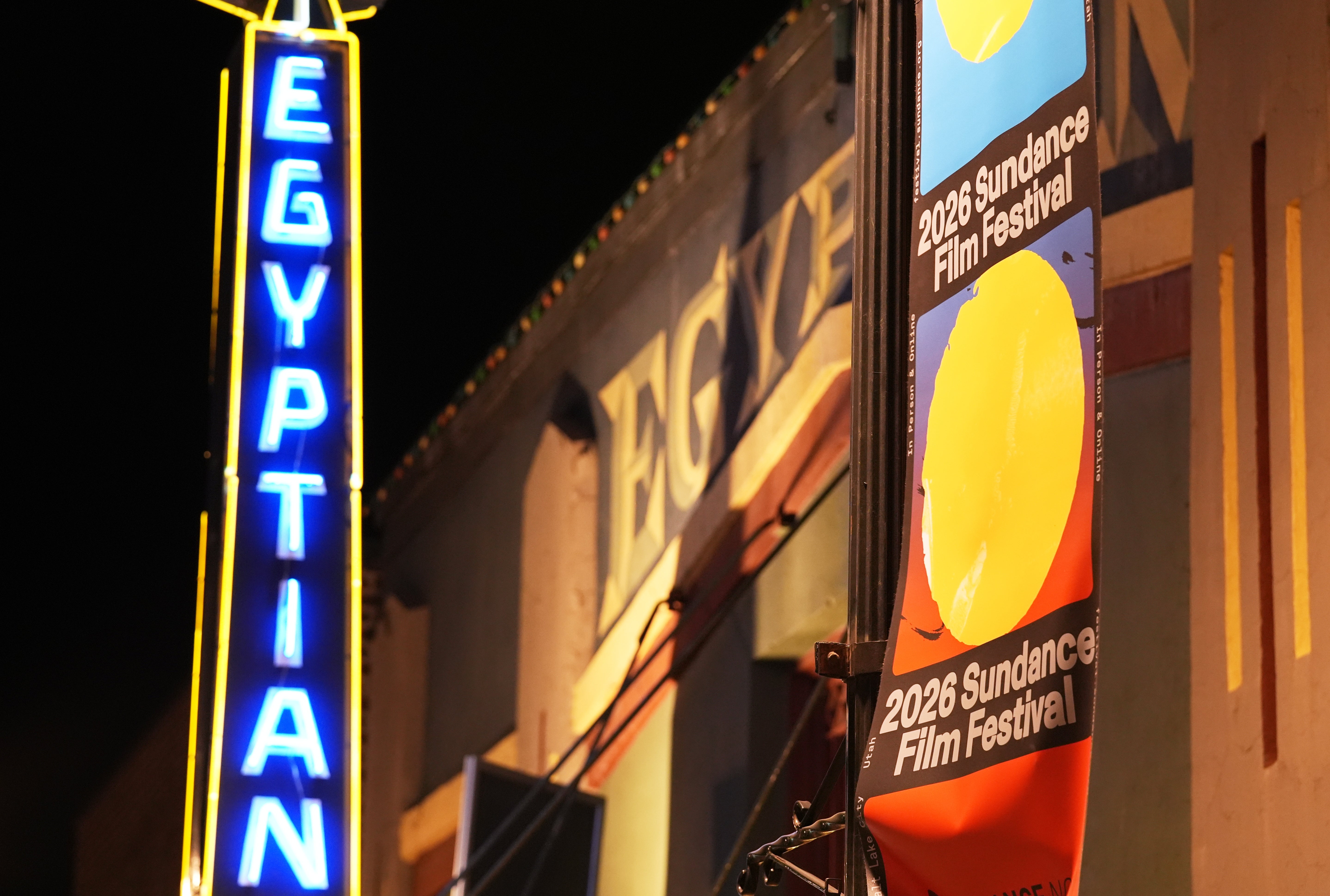
The Sundance Film Festival, a cornerstone of independent cinema, is poised for a significant relocation, sparking a wave of nostalgia and apprehension among its devoted attendees. As this year’s event concluded, a pervasive question echoed through Park City, Utah: “Will you go to the festival when it moves to Boulder?”
For many long-time festivalgoers, the answer is a resounding no. Butch Ward, a Sundance regular since the early 1990s, embodies this sentiment, declaring that he will not follow the festival to its new Colorado home next year.
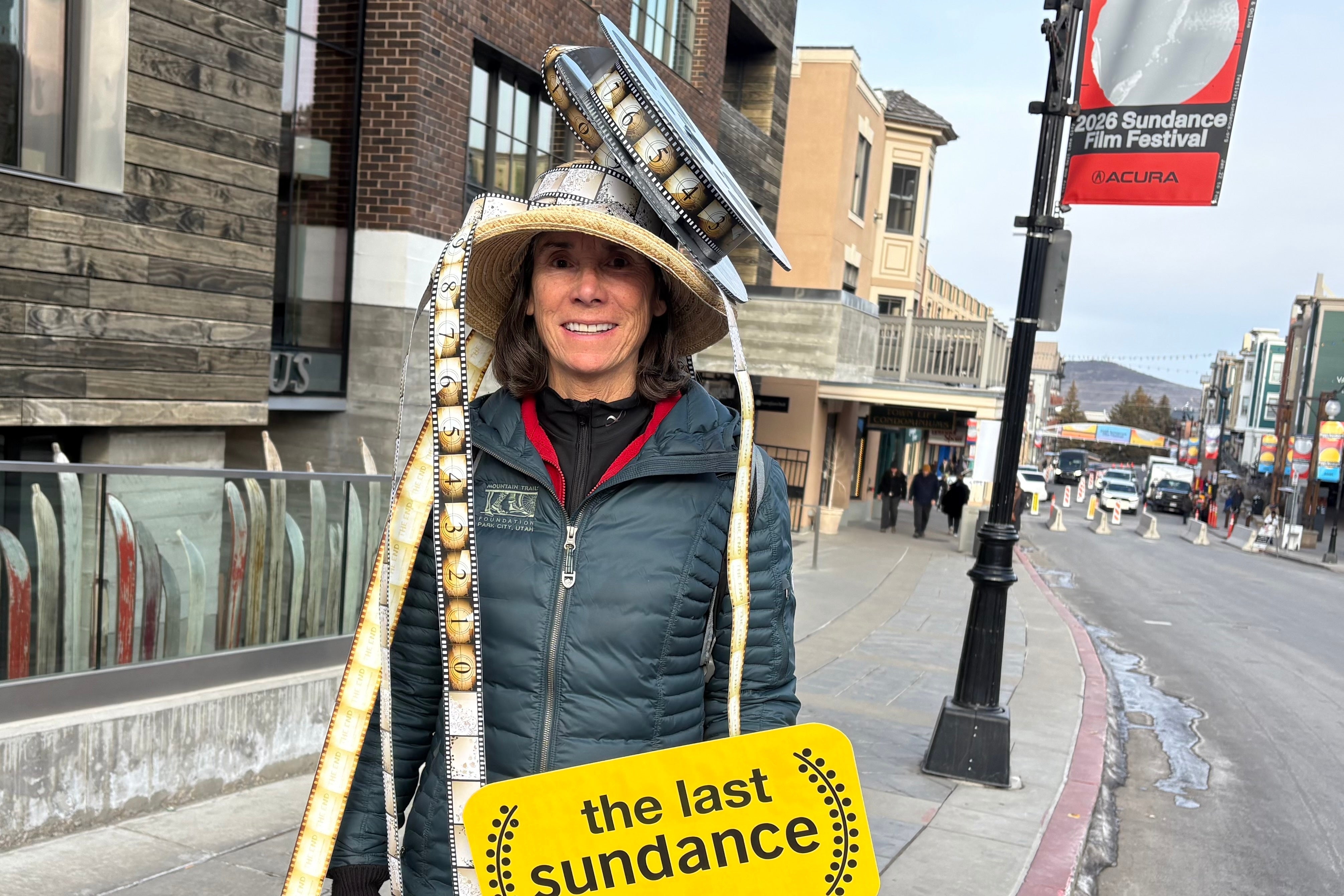
The media professional from Fort Lauderdale, Florida, views this as the final iteration of Sundance in its authentic form, asserting that “a Sundance outside Utah just isn’t Sundance.” This feeling resonated widely, with some attendees even sporting yellow scarves proclaiming “Our last Sundance 2026” or holding signs dubbing it “the last Sundance.”
Actor Suzie Taylor, a sporadic attendee since 1997, explained, “It’s not just a resistance to change. Robert Redford’s vision was rooted here. And isn’t it poetic that he passed right before the last one?”
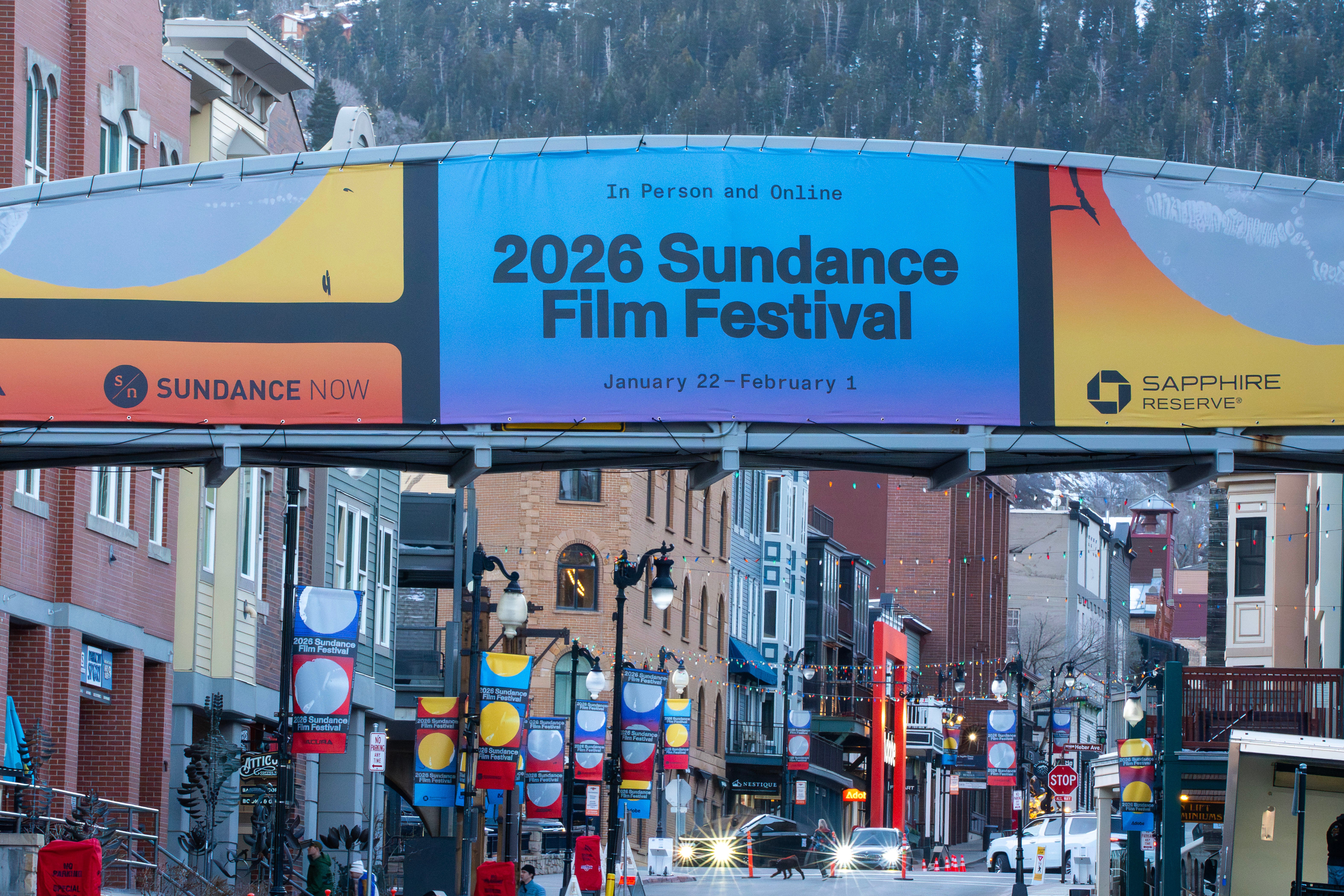
Julie Nunis, an actor from Los Angeles who has attended almost annually since 2001, cherishes the tradition Redford established over four decades ago, stating she doesn’t wish to experience it any other way.
Robert Redford, who passed away in September at 89, founded the festival and its development programmes in the Utah mountains, creating a sanctuary for independent storytelling away from Hollywood’s commercial pressures. Notably, Redford, an alumnus of the University of Colorado Boulder, gave his blessing for the festival’s relocation before his death.
Boulder emerged as the chosen new home after a year-long search involving numerous US cities. Sundance organisers explained their decision stemmed from the festival outgrowing Park City, the ski town it helped popularise, and a desire to shed an “air of exclusivity” that had begun to overshadow the films themselves.
While some film professionals and volunteers are open to giving Boulder a chance, concerns persist about Sundance potentially losing its unique identity away from its long-standing base. Lauren Garcia, a volunteer from Seattle for the past six years, admitted curiosity might draw her to Boulder but spoke of a palpable sadness at the final Utah festival.
She pondered whether Redford’s passing signals a natural end to this chapter. “How is the festival going to express itself in a new place and continue his legacy? It’s a huge question mark,” said Garcia, an anthropologist. “The truth is, it’s never going to be the same now that he’s gone.”

Watch Apple TV+ free for 7 day
New subscribers only. £9.99/mo. after free trial. Plan auto-renews until cancelled.
Try for free
ADVERTISEMENT. If you sign up to this service we will earn commission. This revenue helps to fund journalism across The Independent.
Watch Apple TV+ free for 7 day
New subscribers only. £9.99/mo. after free trial. Plan auto-renews until cancelled.
Try for free
ADVERTISEMENT. If you sign up to this service we will earn commission. This revenue helps to fund journalism across The Independent.
Amy Redford, Robert Redford’s daughter and a trustee on the Sundance Institute’s board, expressed excitement for the transition, acknowledging the steep learning curve ahead. Actor and filmmaker Nik Dodani, known for his LGBT+ storytelling, welcomed the move to a state embracing diversity but voiced apprehension that the departure could create a “vacuum” for such narratives in Utah. Amy Redford, however, offered reassurance.
She confirmed that the most cherished part of her father’s legacy – the institute’s lab programmes for emerging screenwriters and directors – will remain in Utah, at the resort he founded, south of Park City.
These programmes will continue to foster “the civil discourse that we really need to be having in the state,” she affirmed. “Boulder, Colorado, will be a new adventure. It will feel like our beginnings when we were trying to figure things out, and that will have an important impact on what we do,” she told The Associated Press. “But the way that we meet artists where they need to be, well, that evolves out of a heartbeat that is here” in Utah.