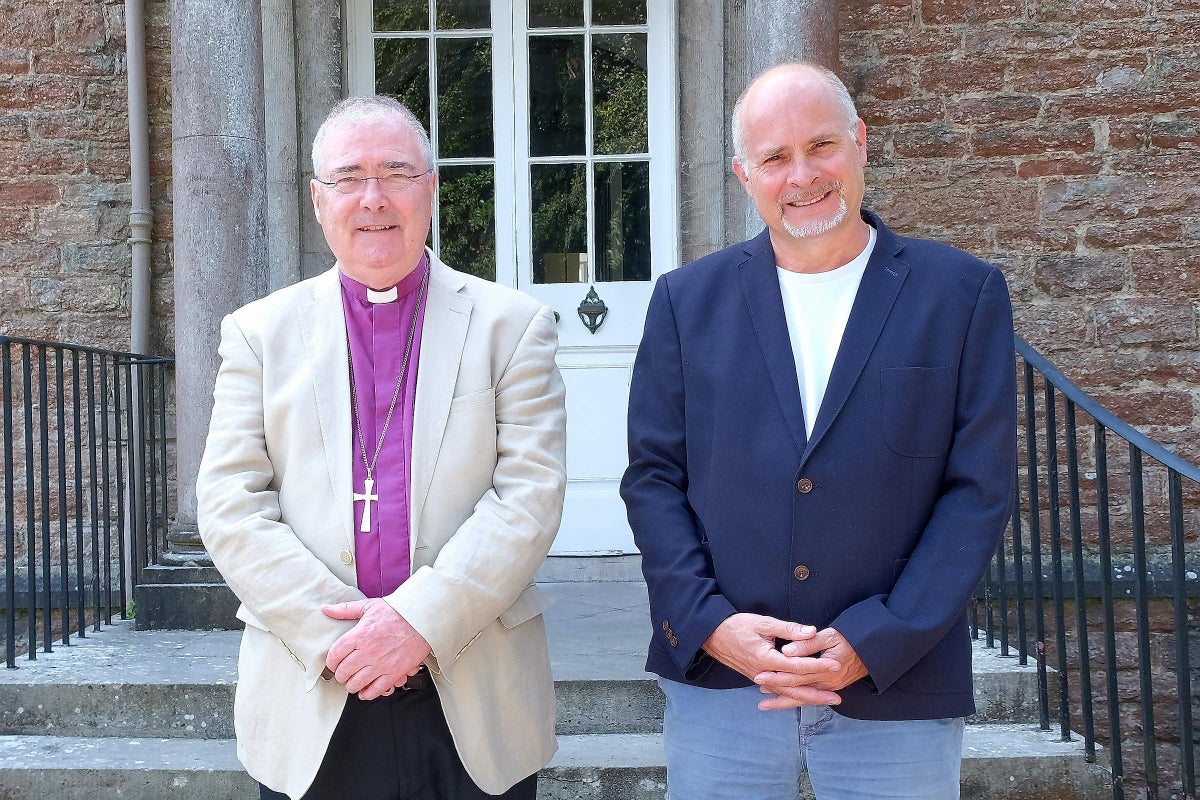
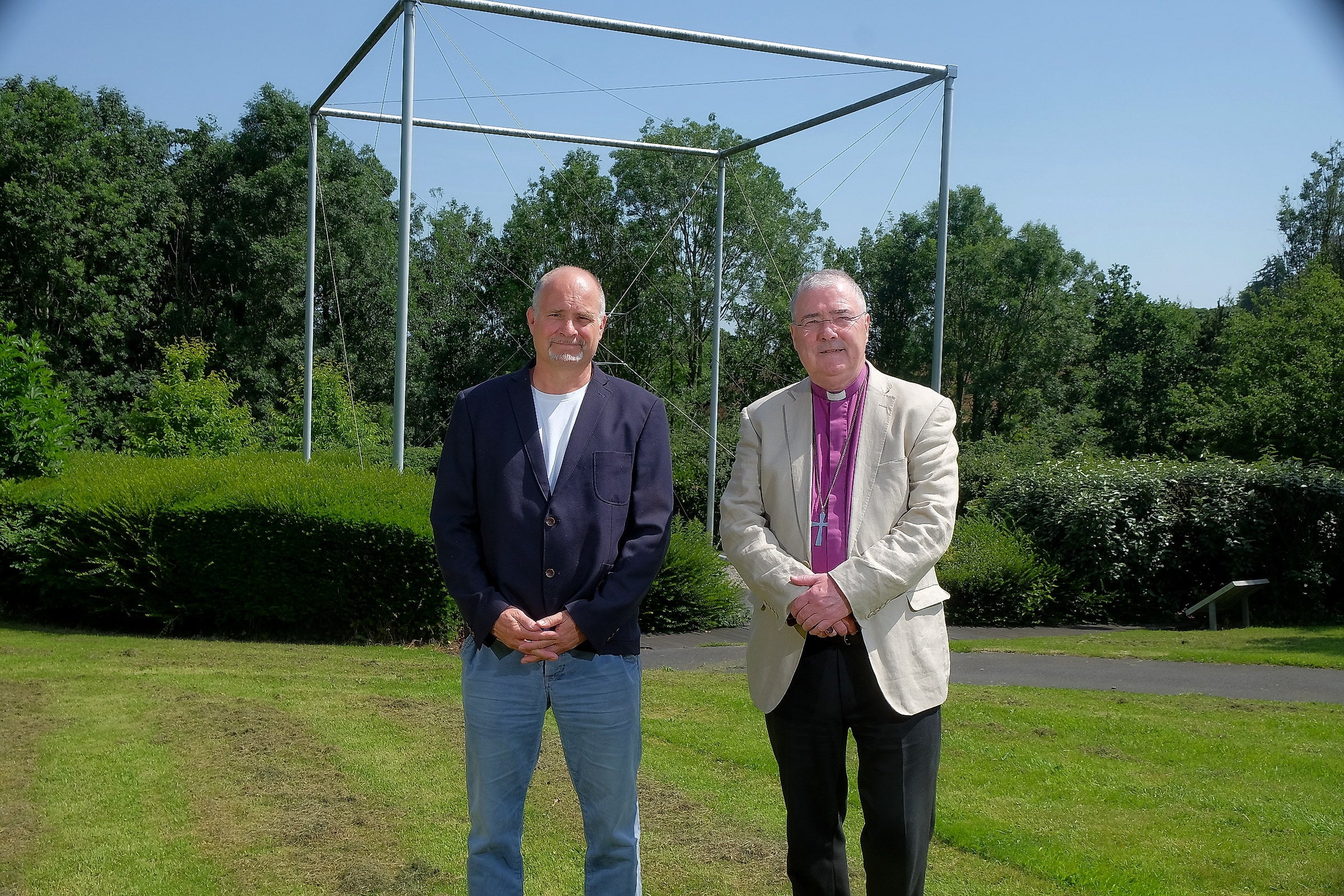
An astronomer based at Armagh Observatory and Planetarium (AOP) has been awarded funding of two million euro to investigate how the first stars in the universe “switched on the lights” following the Big Bang.
Professor Jorick Vink said the European Research Council (ERC) Advanced Grant has the potential to be “transformational” both for the observatory and for research worldwide.
The funding will create up to eight new research positions at AOP over the course of the project.
The Advanced Grants give senior researchers the opportunity to pursue ambitious projects that could lead to major scientific breakthroughs as part of the EU’s Horizon Europe programme.
Professor Vink, who has recently been appointed vice president of the Royal Astronomical Society, said receiving the funding was the “pinnacle of my career”.
He added: “I’ve been successful in getting grants before but none like this one – this is very prestigious.”
His research centres on one of the central questions in astrophysics – what ended the universe’s so-called dark ages and effectively “switched on the lights” in the first stars.
After the Big Bang, the universe expanded and entered a period known as the Cosmic Dark Ages, before the first stars ignited.
The earliest stars are believed to have been much bigger than most stars we observe today, including the sun.
Their brightness is thought to have been responsible for flooding the universe with light, which billions of years later can be observed with instruments such as the Hubble Space Telescope and the James Webb Telescope.
Astronomers believe that uncovering the nature of these first stars will help to understand the origin of the universe.
This project builds on years of research into how stellar winds shape the evolution of massive stars, helping to explain why stars and black holes were likely more massive in the early universe.
The research will also examine the origin of the chemical elements from which all life is made.
Professor Vink said: “The oxygen we breathe, the iron in our blood, the nitrogen that we need, the carbon in our bones – that’s all made in the stars.”
The news of the award comes following the recent announcement of a major investment at AOP which will reshape the visitor attraction and research centre.
The development will create a new science and discovery centre, featuring a next-generation LED Planetarium, expanded research and education capability, and an immersive and engaging visitor experience.
Professor Vink said: “There’s going to be a massive investment here over the next couple of years and there’s going to be some really exciting things happening.
“This place will be transformed.”
He said the benefits of the ERC grant would also stretch beyond the observatory walls.
“Every time society invests in fundamental research, it lifts the entire education system.
“And you can see throughout history – every time people have invested in science the whole of society has benefited.”
The grant was secured following a process where applicants submitted a detailed research proposal alongside a synopsis.
Professor Vink, who is originally from the Netherlands and has been based at AOP for 17 years, hopes the project will not only advance scientific knowledge but inspire the next generation.
He said: “Humans want to understand their own origins. I think that’s a very human wish, a desire to know where we come from.
“Therefore, research grants such as ERC have cultural aspects as well as benefits for science and the economy.”