
Americans’ awareness of the link between drinking alcohol and an elevated risk of developing cancer remains largely unchanged from last year, a new survey from the University of Pennsylvania’s Annenberg Public Policy Center shows.
More than half of the 1,650 adults included in the survey said that regularly consuming alcohol increases the chances of later developing cancer, a month after the Trump administration released dietary guidance that removed that link.
Last year, 56 percent of people in the poll knew there was a link. That came under different guidance from the Biden administration.
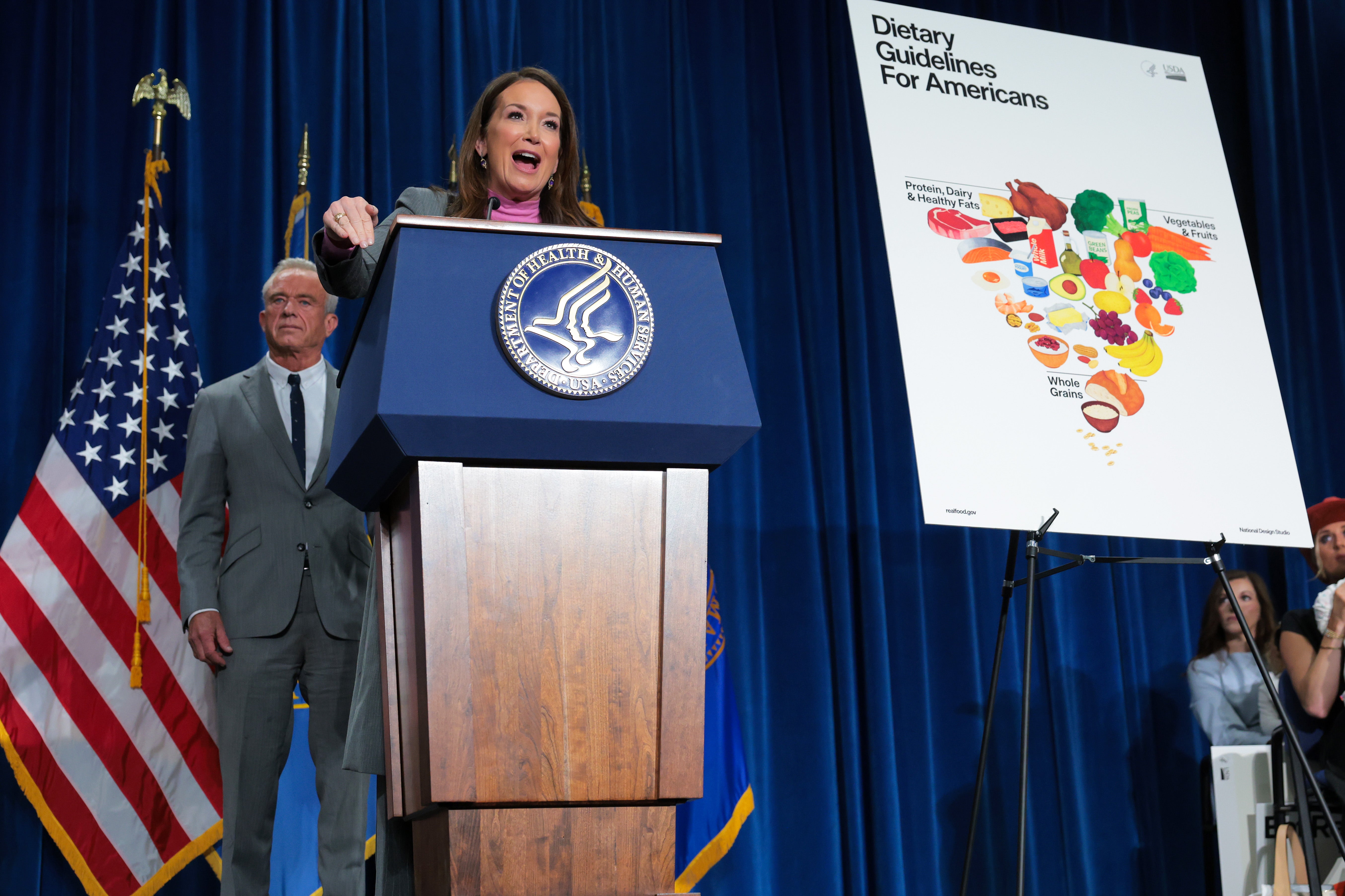
The new Trump guidelines overturned decades of precedent, instructing people to limit the amount of alcohol they drink — but not including clear limits.
Instead, the guidelines simply tell people to ”consume less alcohol for better overall health.”
While experts have applauded the simplicity of the guidance, the administration has also faced criticism about how vague the update is. Some experts say removing numeric limits could leave Americans confused about what is safe.

“’Drink less’ is directionally correct, but without numbers it’s harder for people to translate guidance into behavior,” Johannes Thrul, an associate professor at the Johns Hopkins Bloomberg School of Public Health, told AARP.
Not including a cancer warning flies in the face of established research, Dr. Kathleen Hall Jamieson, director of the Annenberg Public Policy Center, said in a statement.
“When it removed the warning linking alcohol consumption to cancer from the guidelines, the Department of Agriculture turned its back on a substantial body of research,” she said.
“[Former U.S. Surgeon General Dr. Vivek Murthy’s] finding that alcohol consumption raises cancer risk gained attention. A clear, strong statement in the dietary guidelines could have amplified that impact — and helped to save lives,” Jamieson noted.
Earlier guidance released under former President Joe Biden warned that alcohol has been found to increase risk for cancer, and for some types of cancer, the risk increases even at low levels of alcohol consumption (less than one drink in a day).
“Emerging evidence suggests that even drinking within the recommended limits may increase the overall risk of death from various causes, such as from several types of cancer and some forms of cardiovascular disease,” the previous guidance said.
Some doctors say that drinking any amount of alcohol is unsafe.
“We cannot talk about a so-called safe level of alcohol use,” Dr. Carina Ferreira-Borges, the Regional Advisor for Alcohol and Illicit Drugs in the World Health Organization’s Regional Office for Europe, said in a statement. “It doesn’t matter how much you drink – the risk to the drinker’s health starts from the first drop of any alcoholic beverage.”
Murthy had called for updated warning labels for alcoholic beverages that included the increased risk of seven types of cancers, such as colorectal, breast and liver.