


Americans are turning to rationing medicine and delaying retirement to cover healthcare costs, a new poll has found.
Affordability has been a major issue in politics as many Americans share a grim outlook on the economy. A poll released Thursday by the West Health-Gallup Center on Healthcare in America has highlighted the real-life consequences of the high cost of living.
The Consumer Price Index, which measures the change in prices consumers pay for goods and services, for February rose 2.4 percent from the year before, holding steady but still above the Federal Reserve’s 2 percent inflation target.
Nearly 30 percent of Americans with health insurance said in the survey they have made at least one financial trade-off to afford healthcare. Sixty-two percent of Americans without health insurance say they have made one or more trade-offs for healthcare.
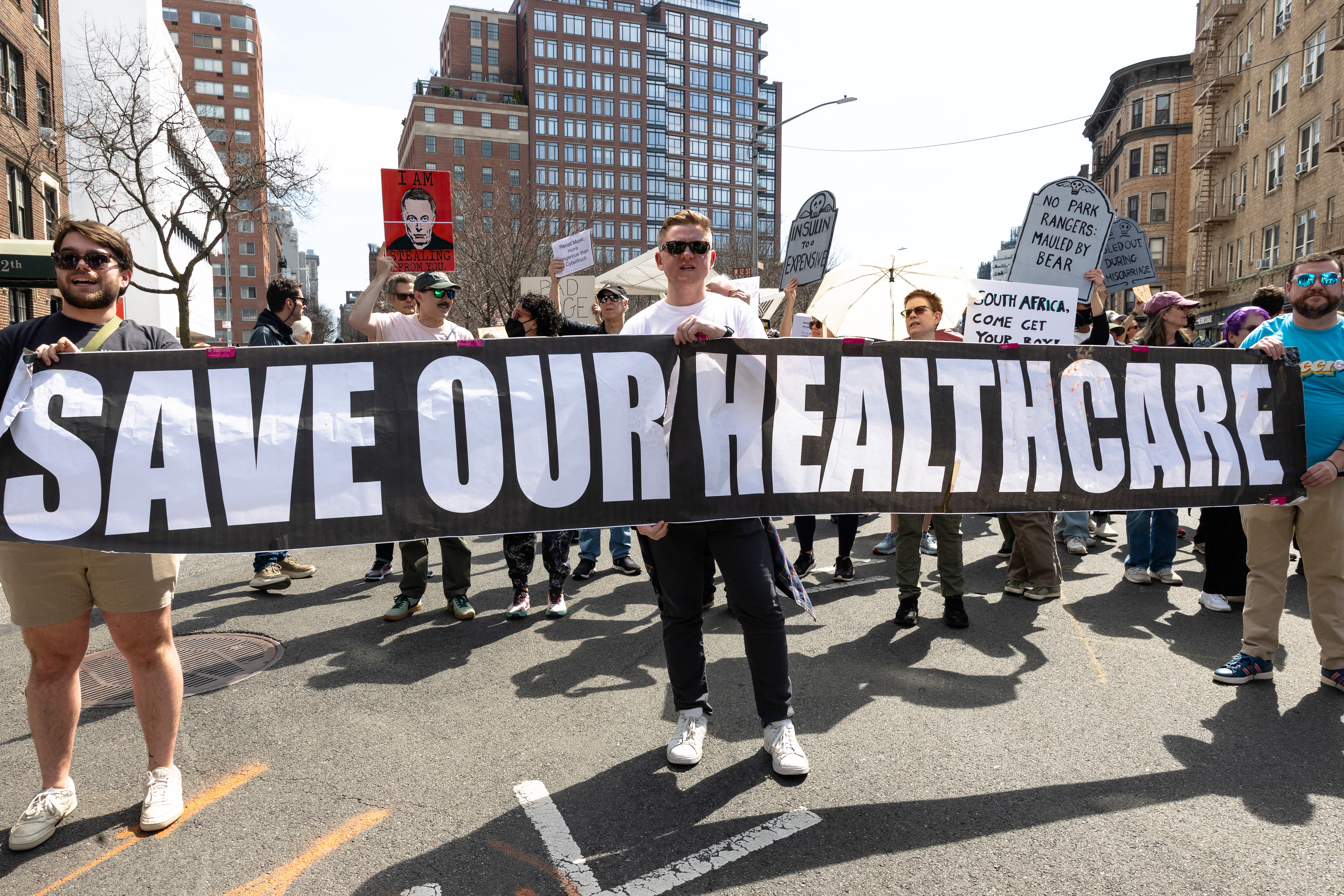
When asking all respondents what they did to pay for healthcare, 15 percent of Americans said they prolonged their current prescription and another 15 percent said they borrowed money. Eleven percent said they skipped a meal, another 11 percent said they drove less and 9 percent said they cut back on utilities.
The survey of nearly 20,000 Americans was conducted from June through August 2025 and respondents were asked to only reference the previous year of their lives.
In another survey by the West Health-Gallup Center on Healthcare of 5,660 Americans conducted from October to December 2025, nearly 1 in 10 adults said they had to postpone retirement in the last four years because of the cost of healthcare.
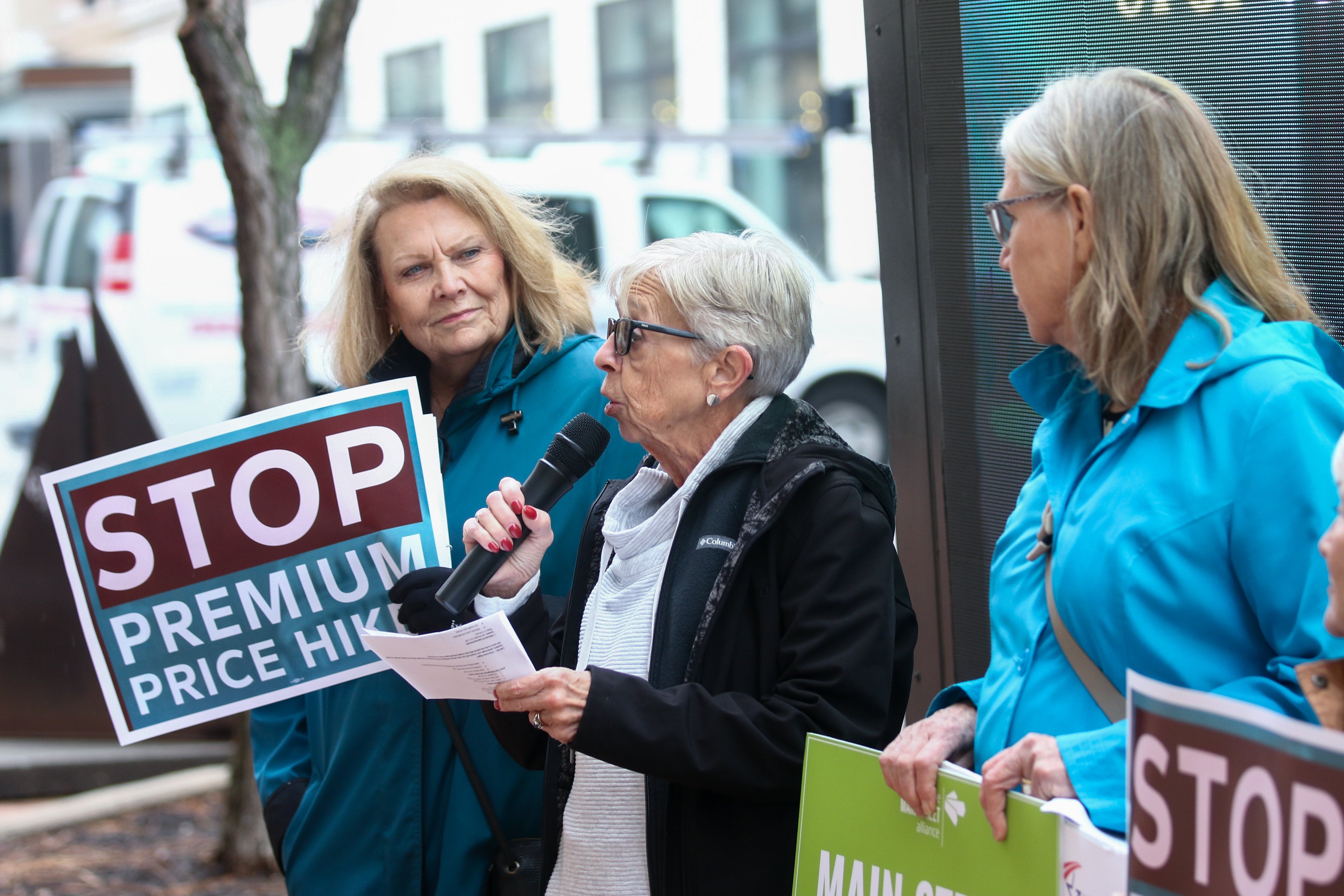
Most Americans sign up for the federal health insurance program Medicare when they’re first eligible, which is usually at the age of 65 years old, according to the federal government. Americans can start receiving Social Security retirement benefits as early as 62 years old.
Americans surveyed said they also have postponed taking a vacation, 29 percent, surgical or medical treatment, 26 percent, changing jobs,18 percent, or buying a new home, 14 percent, in the last four years because of healthcare costs.
Healthcare costs were highlighted during the longest shutdown in U.S. history last fall as Democrats refused to fund the government until enhanced subsidies for the Affordable Care Act were extended. Democrats ended up losing that fight and the subsidies that helped millions of people get affordable health insurance expired at the end of last year.
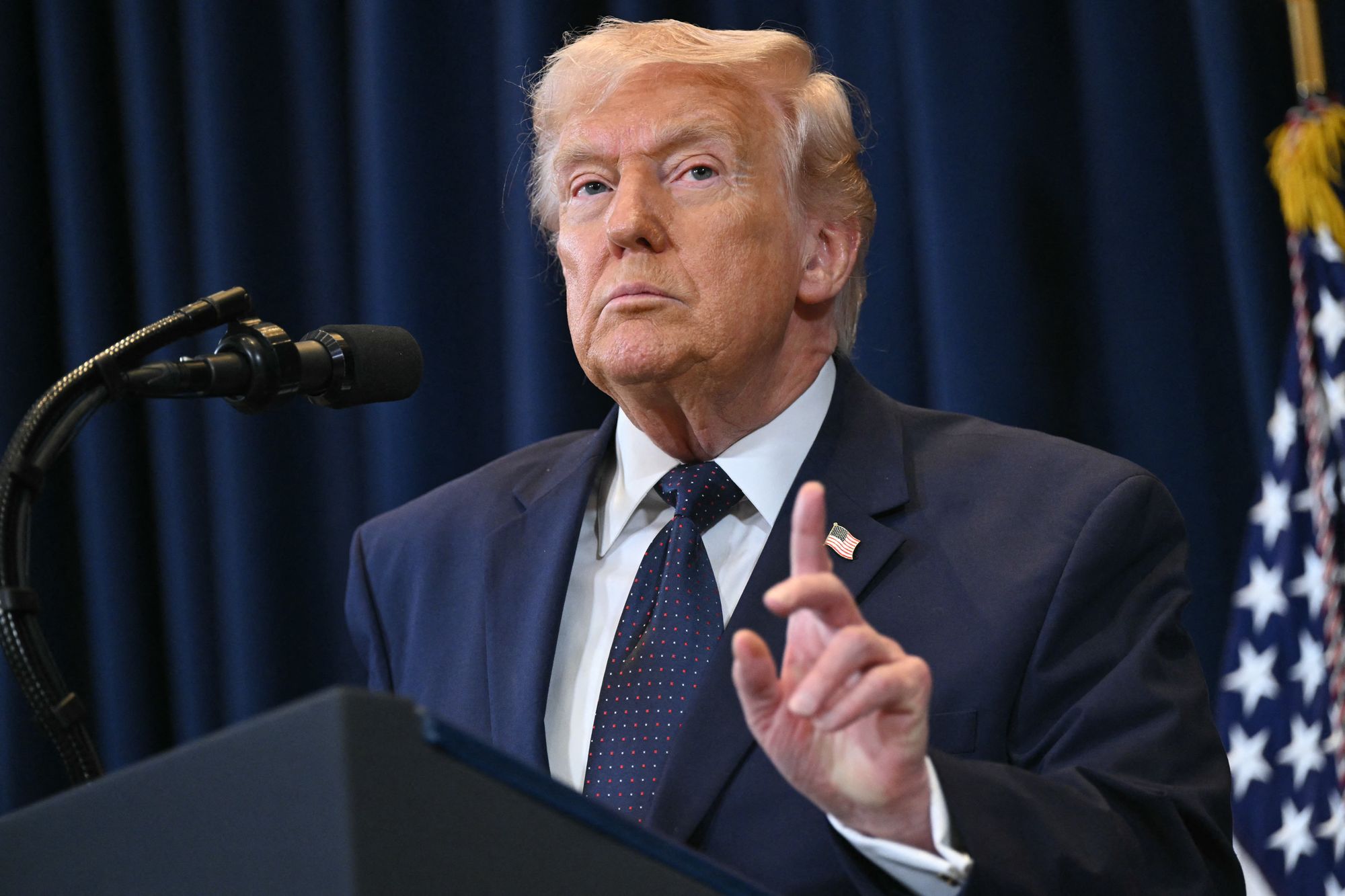
Democrats won several high-profile races in November on the message of affordability and President Donald Trump has tried to convince voters ahead of the midterm elections later this year that his economic agenda is working.
A poll conducted byThe Economist/YouGov from Friday to Monday found 58 percent of Americans disapprove of Trump’s handling of jobs and the economy, while only 37 percent approve.
Just 33 percent of Americans approve of Trump’s handling of health care, and 59 percent disapprove, according anotherThe Economist/YouGov poll conducted from February 27 to March 2.