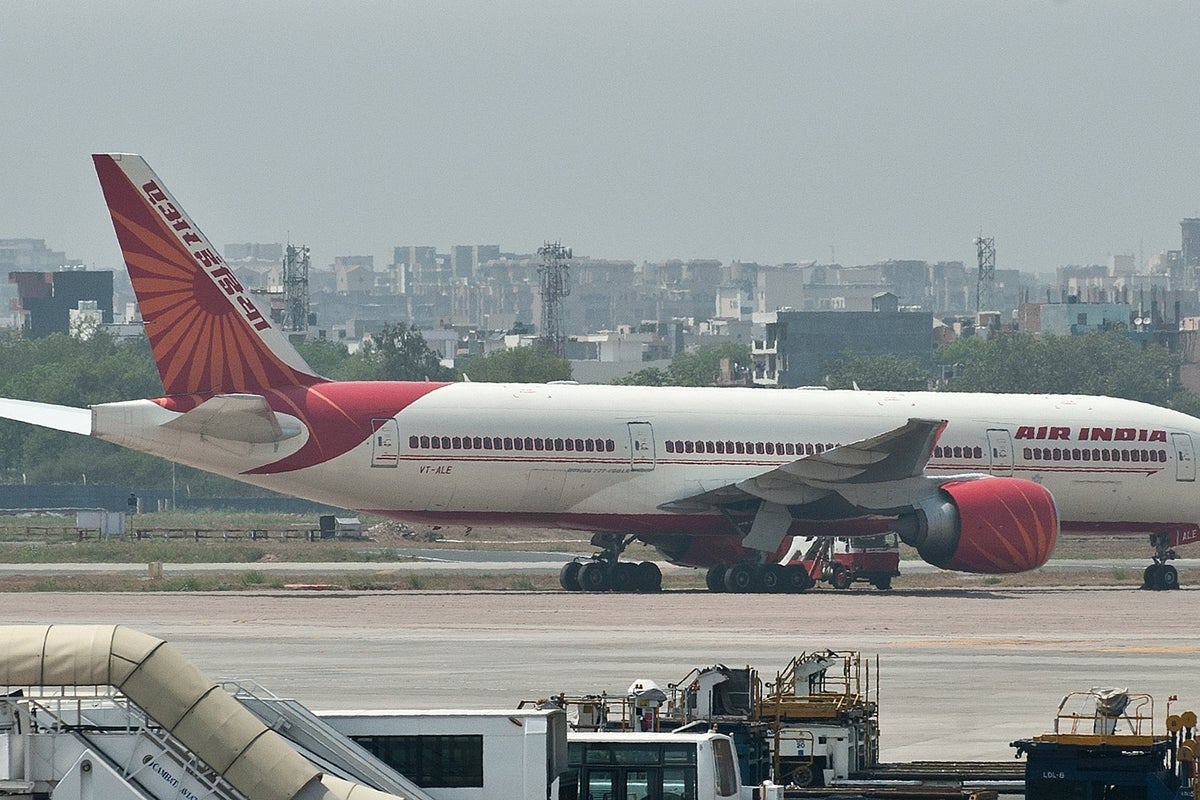
Air India grounded a Boeing Dreamliner after its pilot reported a possible defect in a fuel control switch, a component central to the ongoing investigation into last June’s deadly Ahmedabad crash.
The airline didn’t disclose the nature of the defect or identify the flight involved. However two sources told local media that the issue was flagged after the aircraft landed in Bengaluru following a flight from London.
The Dreamliner comes with two fuel control switches, one for each engine, and they are prominently located on the critical cockpit control panel between the pilot seats, positioned just behind the throttle levers. Pilots flick the switches to “run” or “cutoff” positions to start or shut down the engines on the ground. In the event of an engine failure during flight, they can be used to manually shut down or restart the engines.
The switches on Boeing 787 operate through a two-step mechanism. They must be lifted before being moved between “run” and “cutoff”.
In the latest incident, according to sources quoted by The Times of India, one of the switches moved from “run” to “cutoff” during engine start at London Heathrow even though the required safety action was not followed.
The pilot lightly pushed the left fuel control switch to check if its lock feature was working and found it wasn’t because the switch moved even though it wasn’t lifted first. The switch again failed to lock during a second check. On the third attempt, it remained locked and did not move without being lifted.
“We are aware that one of our pilots has reported a possible defect on the fuel control switch of a Boeing 787-8 aircraft,” Air India said in a statement. “After receiving this initial information, we have grounded the said aircraft and are involving the Original Equipment Manufacturers to get the pilot’s concerns checked on a priority basis.” It added that the matter had been communicated to India’s aviation regulator, DGCA.
The airline also launched an inspection of fuel control switches across its Boeing 787 fleet after the incident was reported, according to the news agency PTI.
Air India currently operates 33 Boeing 787 aircraft.
Air India senior vice president for flight operations, Manish Uppal, informed Boeing 787 pilots that a fleet-wide re-inspection of fuel control switches had been initiated, the agency quoted a source as saying.
“While we await Boeing’s response, our engineers – out of an abundance of caution – have initiated precautionary fleet-wide re-inspection of the fuel control switch latch to verify normal operations,” he said in an email on Tuesday.
In the wake of the Ahmedabad crash, a preliminary investigation by the Aircraft Accident Investigation Bureau reported confusion in the cockpit about the fuel switches shortly before the Dreamliner came down. The report quoted one pilot asking the other why he had moved the fuel switches to “cutoff”. The other replied he had not.
The bureau said at the time it had found no technical or design fault, a conclusion that implied pilot error. The London incident casts doubt on that assumption.
The crash in western India killed 260 people, including all but one person onboard the London-bound flight.
Soon after, Air India said it had checked the switches on all its Boeing 787 aircraft and had “found no issues”.
After the incident on 1 February, Boeing said they were in contact with Air India and “supporting their review of this matter.”
The Independent has reached out to Air India and Boeing for comment.
The plane involved in the latest incident was a Dreamliner operating Air India flight AI 132 from London to Bengaluru, with departure set for 9.05pm local time, according to NDTV. It eventually departed at 9.40pm.
In the wake of the incident, the Federation of Indian Pilots renewed its call for Boeing 787 aircraft to be grounded and their electrical systems thoroughly inspected.
Air safety expert Amit Singh told The Times of India that the incident was particularly concerning because the US aviation regulator had cautioned in 2018 that “fuel control switches on Boeing 787s could malfunction and lead to inadvertent engine shutdown”.
“Occurring after Air India said its fleet’s fuel control switches have been checked and amid the ongoing June 12 B787 crash investigation, it raises serious questions about inspection adequacy and demands the highest level of regulatory scrutiny,” he said.