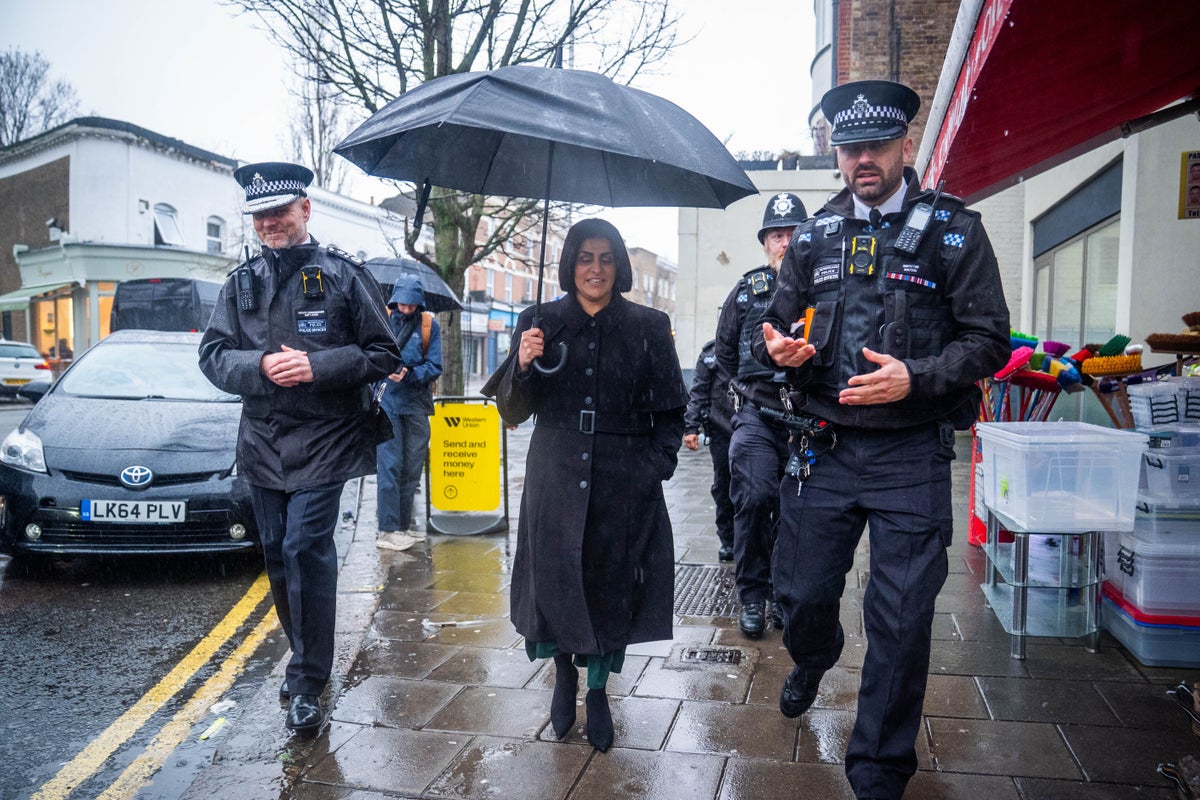
The home secretary has announced plans to ramp up the use of AI and live facial recognition as she unveils sweeping reforms to fix Britain’s “broken” policing system.
Shabana Mahmood is investing £140m to roll out technology which she hopes will free up 6 million police hours each year, the equivalent of 3,000 officers, as part of the biggest overhaul of an “outdated” policing model designed for another century.
AI technology will be deployed to rapidly analyse CCTV, doorbell and mobile phone footage, detect deepfakes, carry out digital forensics and speed up administration such as form filling, redaction and transcription.
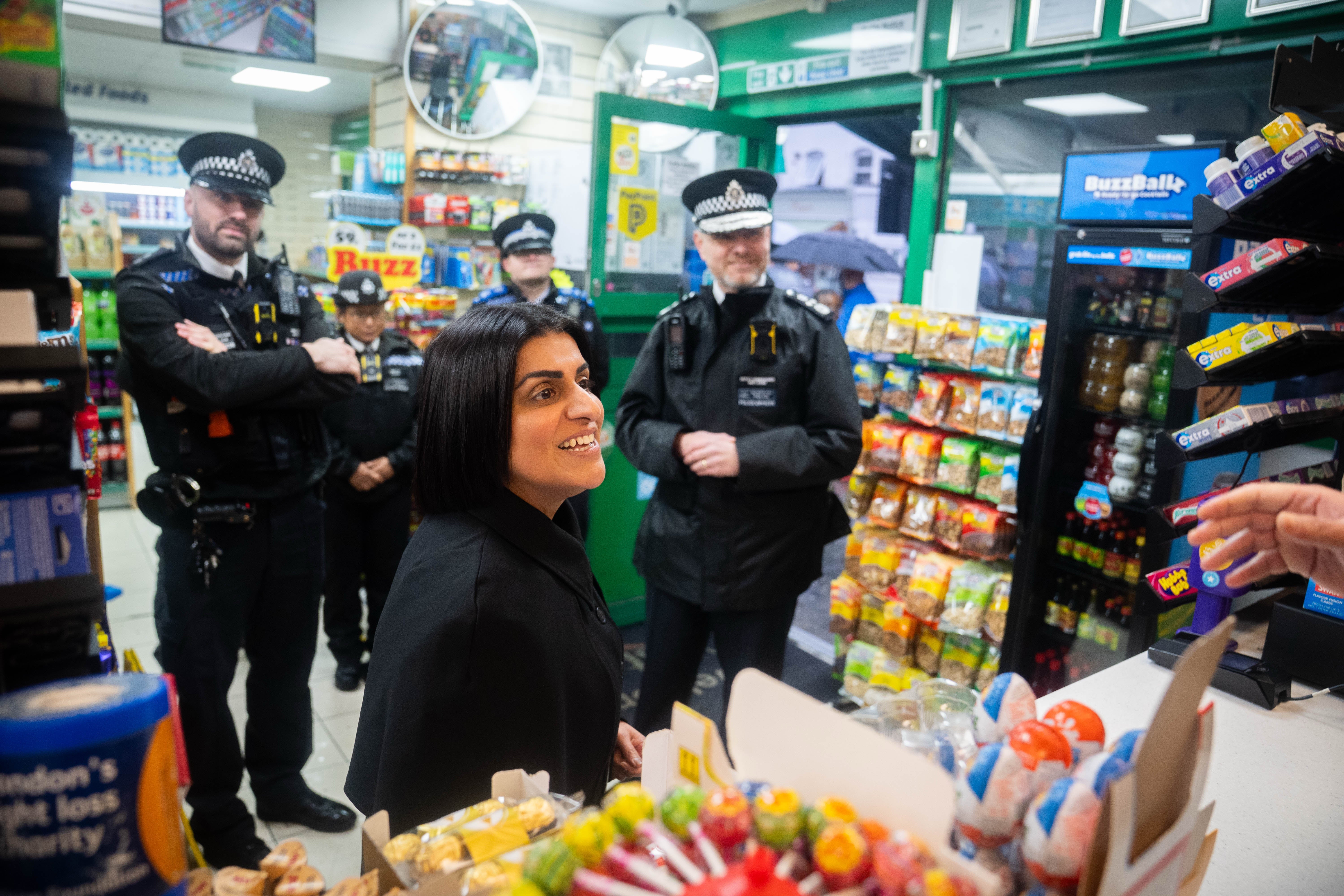
Ms Mahmood said: “Criminals are operating in increasingly sophisticated ways. However, some police forces are still fighting crime with analogue methods.
“We will roll out state of the art tech to get more officers on the streets and put rapists and murderers behind bars.”
The government is also increasing the number of live facial recognition vans five-fold, from 10 to 50, which will be used by forces across the country to help catch wanted criminals.
The measures, announced on Monday, are part of the biggest overhaul to policing in England and Wales in 200 years. Other changes include:
- Formation of an FBI-style National Police Service (NPS) to tackle terrorism, fraud and serious organised crime
- A “significant reduction” in the number of police forces in England and Wales which could see the the 43 forces merged to as few as 12 mega-forces
- Neighbourhood policing teams in every council ward to tackle the “epidemic” of everyday crime
- Officers required to hold and renew a mandatory “licence to practice” in order to serve
- Home secretary given powers to sack chief constables and drive up standards in struggling forces
The government’s white paper unveiled the plans to embrace AI, with the formation of a national centre dedicated to using the new technology, called Police.AI, despite an AI “hallucination” influencing the controversial decision for West Midlands Police to ban Maccabi Tel Aviv fans from a match in Birmingham last year.
The AI policing centre will also help to roll out successful projects nationally, such as AI chatbots being trialled by some forces to triage non-urgent online queries.
The white paper also includes plans to review whether the policing of non-crime hate incidents (NCHI) is “proportionate”.
The new NPS – designed to tackle serious crime – has been described as “Britain’s FBI” and will merge the existing National Crime Agency (NCA), Counter Terror Policing, the National Police Air Service and National Roads Policing all under a single organisation.
It will be led by a new national police commissioner, who will serve as the country’s most senior police chief.
Although the exact number of regional forces under the new model has not been announced, the first force mergers are expected this Parliament, following a review which will report back to the Home Office this summer.
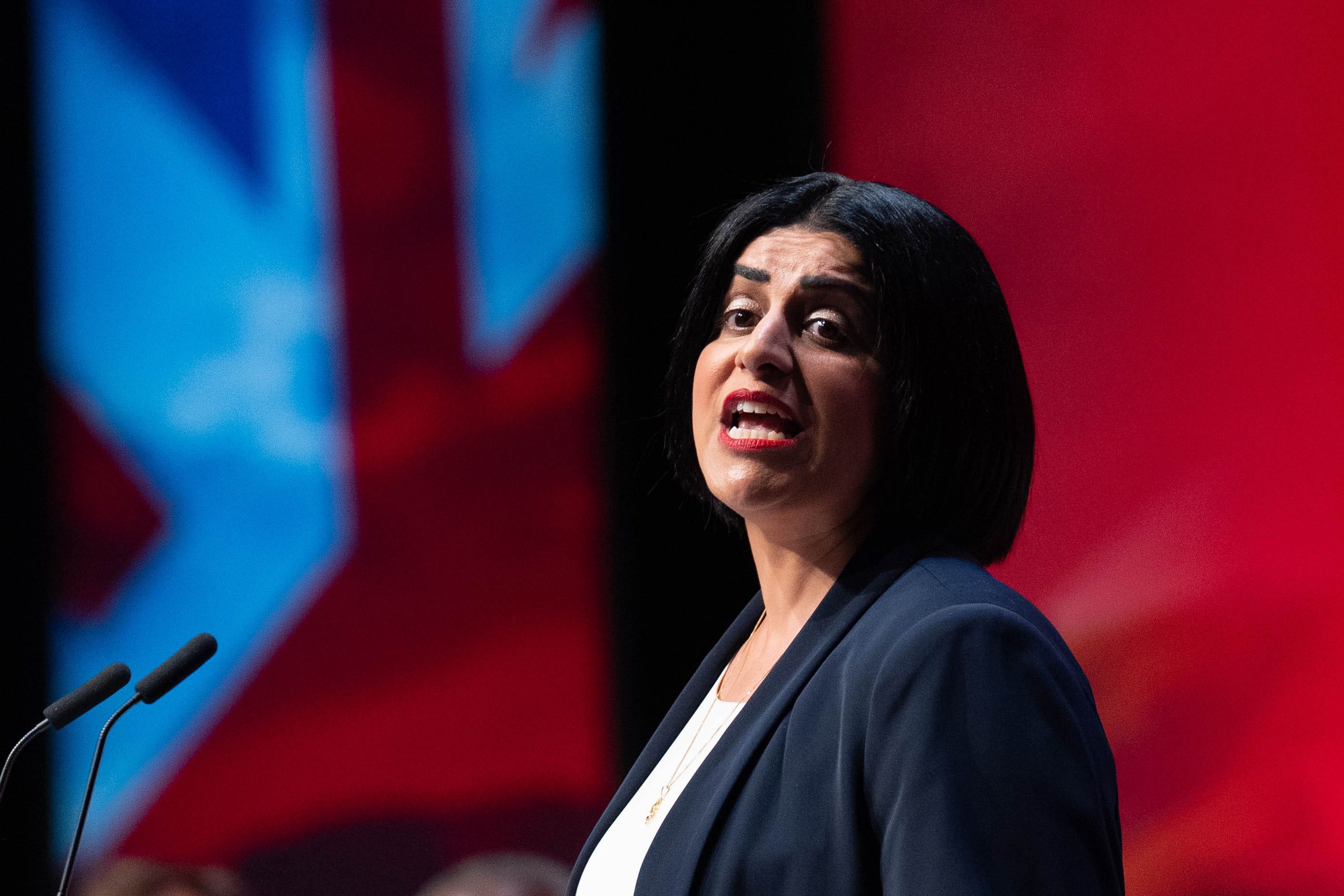
Laying out her plans in the Commons, Ms Mahmood said: “Taken together, these are, without question, major reforms.
“A transformation in the structures of our forces, the standards within them and the means by which they are held to account by the public, these are the most significant changes to how policing works in this country in around 200 years.
“The world has changed immeasurably since then, but policing has not.
“We have excellent and brave police officers across the country, we have effective and inspiring leaders across many of our forces, but they are operating within a structure that is outdated, making the job of policing our streets and protecting our country harder than it should be.”

Police chiefs welcomed the overhaul as “long overdue” on Monday, with chair of the National Police Chiefs Council (NPCC) Gavin Stephens telling journalists there are currently “too many chiefs”.
“You’ve got rapidly changing new technologies which show huge promise, then you can’t get them rolled out because there are too many decision makers in the system,” he said.
“If we want to put in the hands of every neighbourhood cop, every local team, the best available technology, we’ve got to do that once for everybody and then get it rolled out.”
The major changes are expected to be rolled out in phases until 2034. Asked if they have come too late, Mr Stephens added: “Twenty years ago would have been good. Today is good as well. So we ought not to lose any time.
“It’s really important for us in these changes that we keep momentum and see them through.”
However the Association of Police and Crime Commissioners (APCC) has criticised the proposals, warning they concentrate too much power in the hands of the home secretary and the new national police commissioner.
“This concentration of policing power in England and Wales is constitutionally alien and brings enormous risks,” said Emily Spurrell, the chair of the APCC. The government has previously announced plans to scrap police and crime commissioners, replacing them with mayors and local policing boards.
However, Graeme Biggar, director general of the NCA which will form part of the new NPS, insisted “operational independence is, and I’m sure will remain, a fundamental part of what we do”.
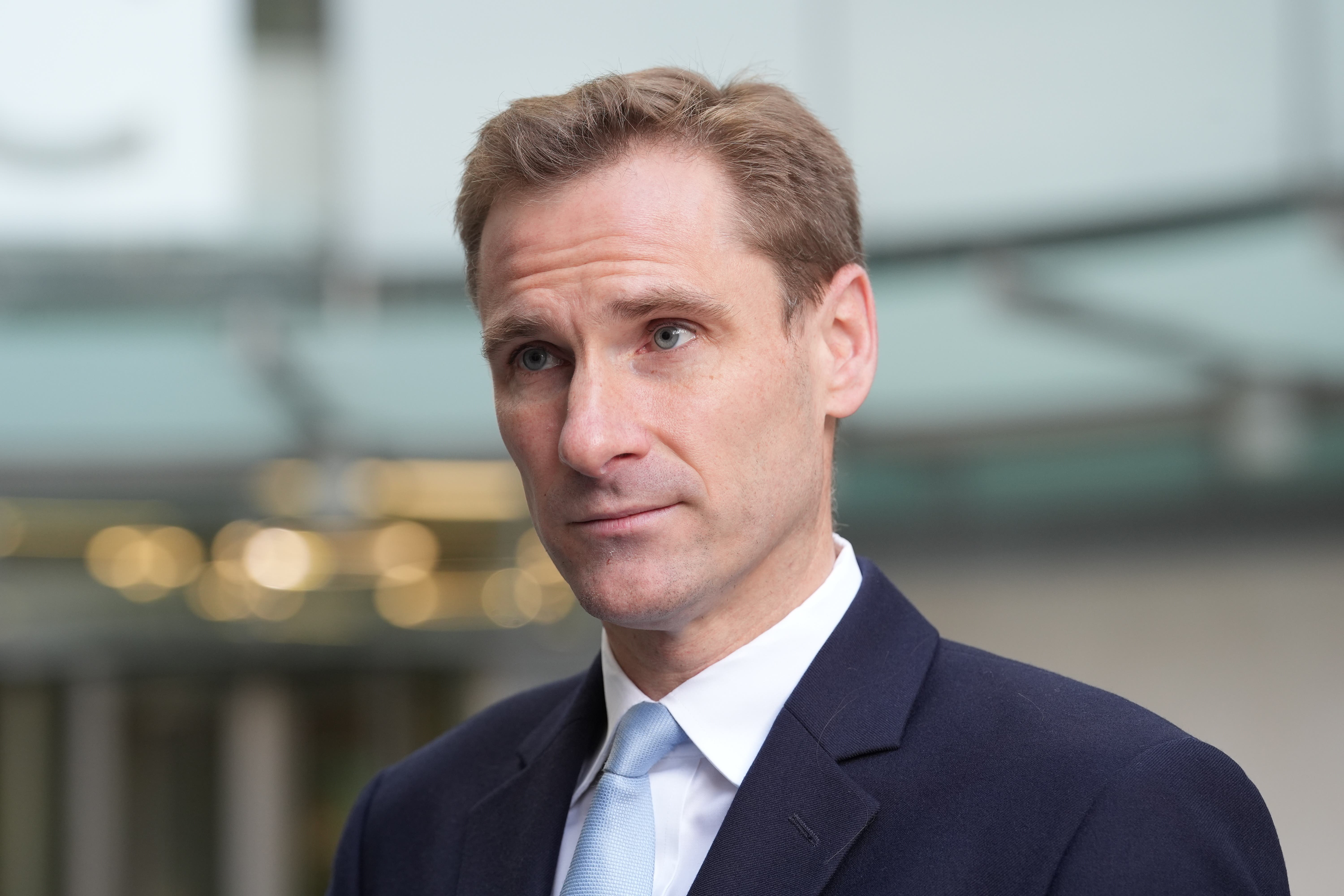
Conservative shadow home secretary Chris Philp slammed Ms Mahmood for failing to mention overall officer numbers, claiming they have fallen “by over 1,000” in the year to March 2025.
Mr Philp added: “The government is engaged in a con trick – they are transferring officers away from crime investigation, away from 999 response and away from other teams into neighbourhood teams so they can say neighbourhood numbers are going modestly up, but total police officer numbers are falling.”
He added: “Her plan includes mandating the merger of police forces, and briefings over the weekend suggest a reduction from 43 down to 10 or 12, so a single police force might cover an area from Dover to Milton Keynes, or from Penzance to Swindon.
“Such huge forces will be remote from the communities they serve. Resources will be drawn away from villages and towns towards large cities.”