




A teenage footballer who died after collapsing during a match was not given CPR because a 999 call handler and those present did not recognise the signs of a cardiac arrest, a coroner has found.
Adam Ankers, 17, was playing for the Wycombe Wanderers’ Foundation Under-19 team on 31 January 2024 when, towards the end of the second half, he shouted “my chest is tight” before falling unconscious.
Paramedics were called to the Cressex Sports Pitch Centre, and the teenager was rushed to Harefield Hospital.
He died on 4 February 2024, after suffering unsurvivable brain damage.
An inquest found on Monday that Adam’s death was “more than minimally” contributed to by a failure to identify that he was experiencing cardiac arrest.
That meant that no one was advised to perform CPR or use a defibrillator in the crucial minutes before the paramedics arrived.
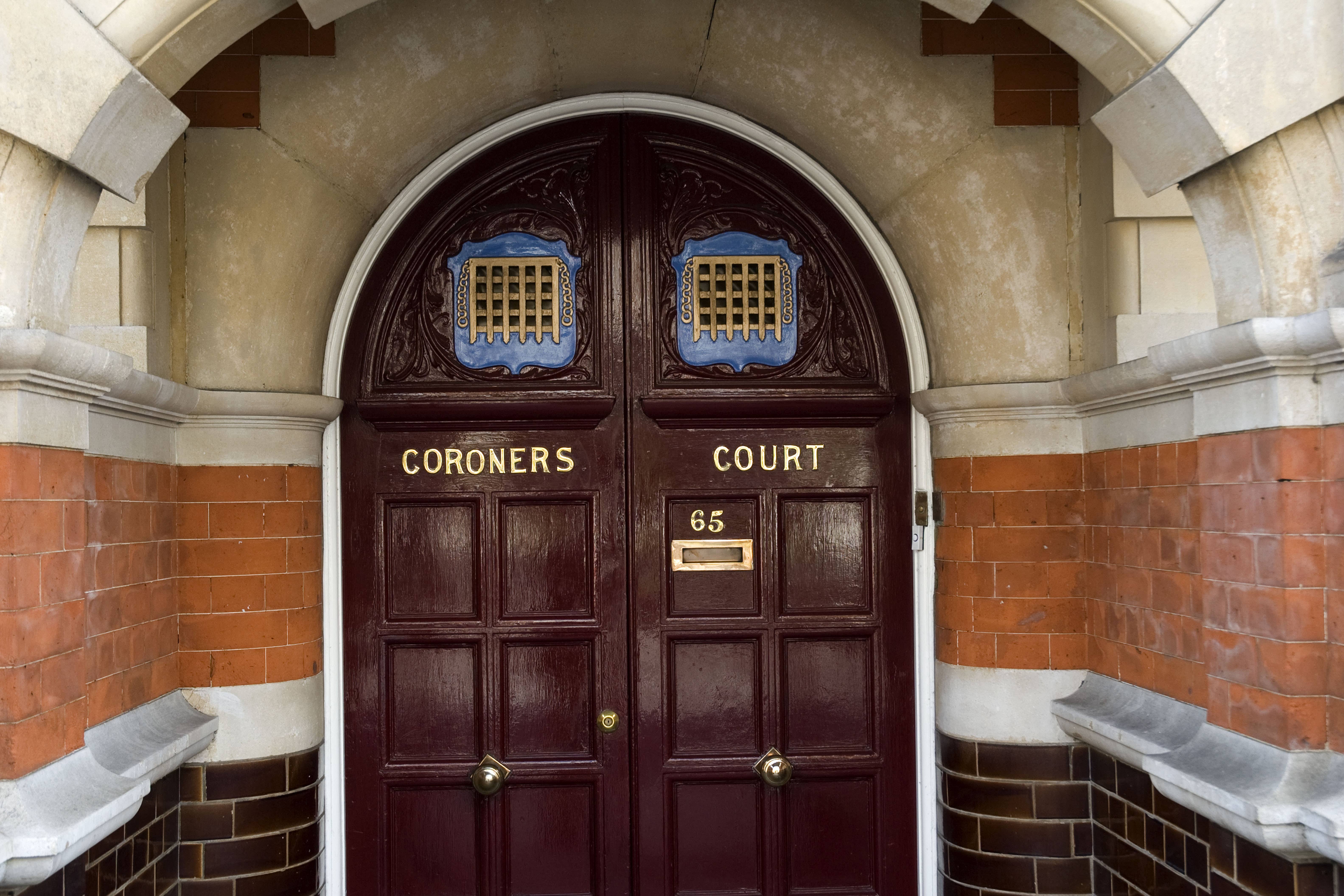
In her findings of fact, Valerie Charbit, assistant coroner to the West London Coroner’s court, said: “There was a missed opportunity to deliver basic life support for Adam.
“Agonal breathing and cardiac arrest were not identified by the 999 call handler or those on the pitch, and first basic life support was performed by paramedics when they arrived.
“He died due to an inherited heart condition, ARVC (arrhythmogenic right ventricular cardiomyopathy), that had not been identified at the time of his death.”
Agonal breathing refers to sudden, irregular gasps of breath, which require immediate CPR as it is not sufficient to sustain life.
It was initially believed that Adam, who was part of Henley College Elite Football Development Programme, was having “a fit or seizure”, the inquest was previously told.
But Ms Charbit said in her conclusion that Adam could also be heard on the 999 call breathing faintly and making “gurgling” noises – yet his breathing was recorded in the triage system by the call handler as “normal”.
She added: “Agonal breathing was poorly recognised by the call handler and it should be recognised as a feature consistent with cardiac arrest.
“The answers given to the call handler did indicate that Adam was not breathing regularly.
“She (the call handler) should have recognised either agonal breathing, cardiac arrest or abnormal breathing and should have been giving basic life support instructions.”
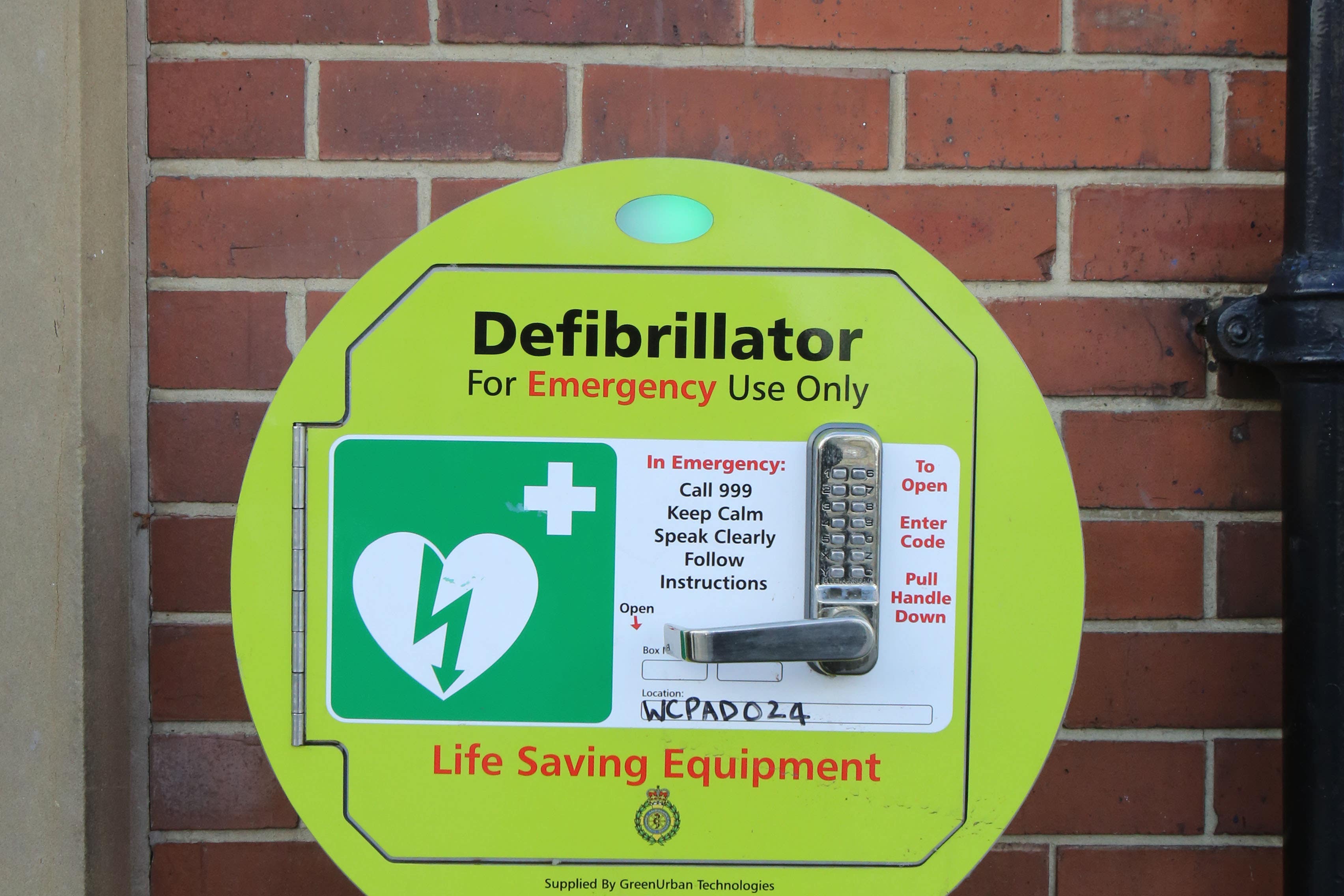
The inquest also heard that a defibrillator was brought to the pitch within a couple of minutes of Adam’s collapse.
However, it was not used due to confusion as to whether it was safe to apply on the teenager at the time.
“The AED (automated external defibrillator) was not used and it could have been, even if there was uncertainty as to whether Adam was breathing, because the device will say whether the patient should be shocked or not,” Ms Charbit said.
“This fact appears not to be well-known. I consider that a concerning aspect of the evidence,” she added.
“In a country where football is so well-loved, it is, in my view, important that there is a better understanding of where and how and when an AED can be used.”
Ms Charbit said she is considering issuing a prevention of future deaths report addressed to various organisations, including the Football Association (FA), NHS England and the Department of Health and Social Care.
Among the concerns raised by Ms Charbit were the “difficulty in understanding the signs of agonal breathing or cardiac arrest”, as well as a “need for better understanding of the use of defibrillators, particularly by a layperson and trained first-aid person”.
The coroner also called for the FA to make sudden cardiac arrest training mandatory for “at least one person” on the football pitch, particularly coaches and referees.
“I do consider that it is a matter of concern for grassroots football clubs affiliated with the FA that there isn’t a mandatory cardiac arrest training for at least one person in the match,” she said.
Since Adam’s death, NHS England has also made changes to its Pathways telephone triage system, whereby a sudden collapse during sport or exercise would automatically be treated as requiring immediate CPR, the assistant coroner said.
“It must evidently be very difficult for the family to know that if Adam would have collapsed after May 2025, then his collapse would have automatically been treated as a sudden cardiac arrest,” Ms Charbit said.
She added that she will be considering applications regarding her proposed prevention of future deaths report on April 14.
Adam’s parents, Alastair Ankers and Naomi Wakefield, said in a statement following the inquest hearing: “We lost Adam more than two years ago and it’s been a long and difficult process to get to this stage.
“Our family have been supported by some amazing people, for which we are truly grateful.
“Adam’s death has had a devastating impact on his family and friends.
“We hope that all the organisations and people touched by this inquest will learn and improve.
“We also thank the coroner for five proposed prevention of future death orders, and hope that no other family will have to lose a child this way.”
The coroner’s ruling comes just a day after a 15-year-old Oxford player, Amelia Aplin, died after collapsing during a girls’ academy game.
The Championship club said on Saturday that a serious medical incident had occurred during the match between Oxford and Fulham at United’s training centre.
They announced the news that Amelia had died on Sunday.
