



Strikes from Iran have been an “abrupt reality check” for British people living in Dubai, according to estate agents who are seeing a rising demand for London property from those wanting to return from the Gulf.
The United Arab Emirates (UAE) has faced attacks from Iran, which is striking its neighbours as part of its conflict with the United States and Israel. The UAE Ministry of Defence says it has engaged with 1,514 UAV drones and 268 ballistic missiles since the aggression began, with drones impacting the airport and damaging a hotel.
In response to the conflict, luxury property agents have told The Independent that they have seen a rise in demand for homes in London from people looking to leave Gulf states, many of whom had previously cited safety and security as reasons for moving to the Middle East from the UK’s capital.
“If anything, the current Gulf crisis has given the London property market a boost,” said Mark Pollack, co-founding director of Aston Chase, an estate agency which deals with luxury homes in north London.
He added: “The conflict has not surprisingly been a very abrupt reality check for many who have been lured to Dubai predominantly due to the tax-free regime, climate and perceived lifestyle.”
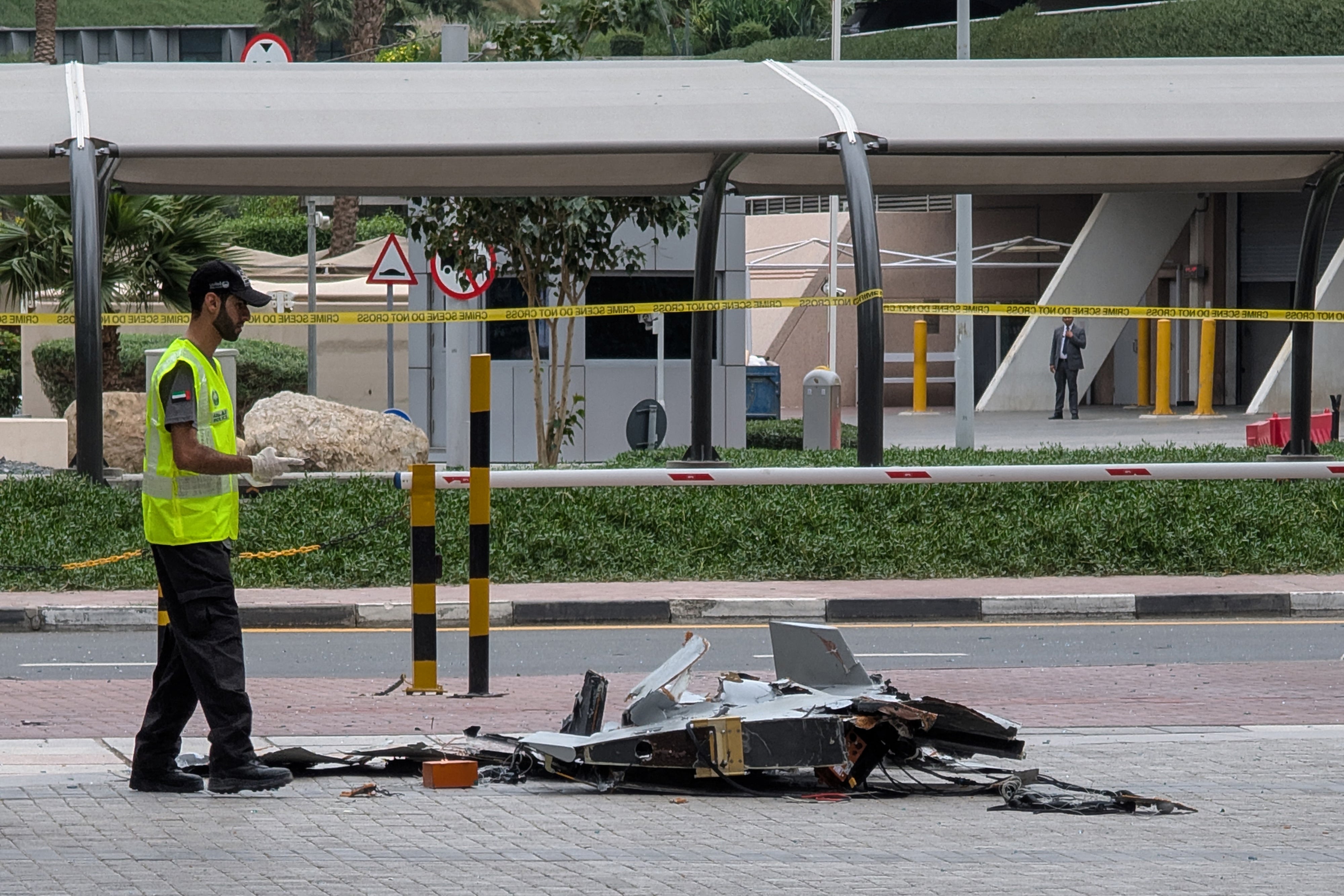
It is estimated that some 240,000 British nationals live in the UAE, mostly in Dubai and Abu Dhabi. At least 45,000 UK nationals are understood to have left the Gulf since 1 March, though some of these people could be tourists.
Beauchamp Estates, another luxury London property firm, said it has seen a 10 per cent rise in enquiries since the conflict began from Gulf-based UK nationals who had relocated in the last five years.
Rosy Khalastchy, director of Beauchamp and head of its St John’s Wood office, told The Independent she believes many people who moved to Dubai would not have expected to have had their lives impacted by war.
“I don’t think they ever felt that Dubai would be somewhere where they would have to go into shelter,” she said. “Even if it’s for five or 10 minutes, it’s not something they would have necessarily thought about or signed up for.”
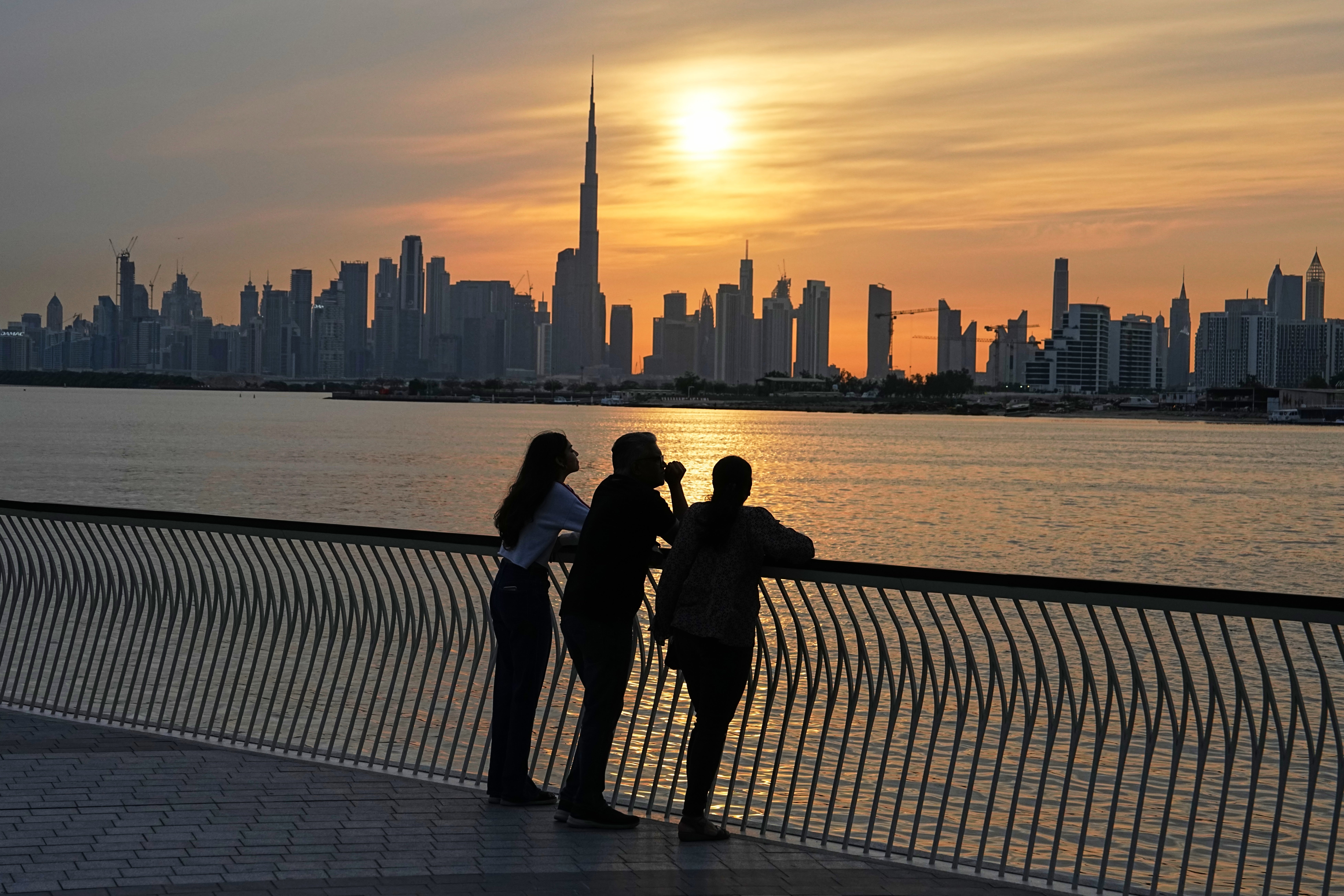
According to Camilla Dell, managing partner at London buying agent Black Brick, this is in part due to a lack of geographical and geopolitical knowledge among some expats.
The UAE is separated from Iran by the Persian Gulf, with around 125km between the two nations at the shortest point, while Dubai is around 150km across the Gulf from Iran.
“I don’t think people realise how close Dubai is to Iran,” Ms Dell told The Independent. “I think there are plenty of people out there who, when they think of the UAE and of Dubai, think safety, great lifestyle, low tax, they just look at it as a bubble.”
Additionally, Ms Dell believes the lack of civil liberties in the UAE, highlighted by the nation’s response to conflict, is a factor for those who have chosen to leave.

It has very strict cybercrime rules and has clamped down on posting content related to the impact of strikes on the country – online posting which could affect “public order” or the UAE’s reputation could lead to fines or jail time.
“The majority of people may not have necessarily considered geopolitics and volatility when looking at moving to the UAE, but they certainly will now,” Ms Dell added.
As for whether the conflict would have longer-term impacts on Dubai’s ability to retain its UK expat population and attract more people, Ms Dell said: “I think the likelihood is they won’t all come back, but I certainly think that some of them might now be having second thoughts.
“I think it’s one thing to be a young person taking a bit of a risk and being there for lifestyle, quality of life and a lower tax environment, but it’s another when you’re there with children and suddenly the reality hits that you’re not safe.”
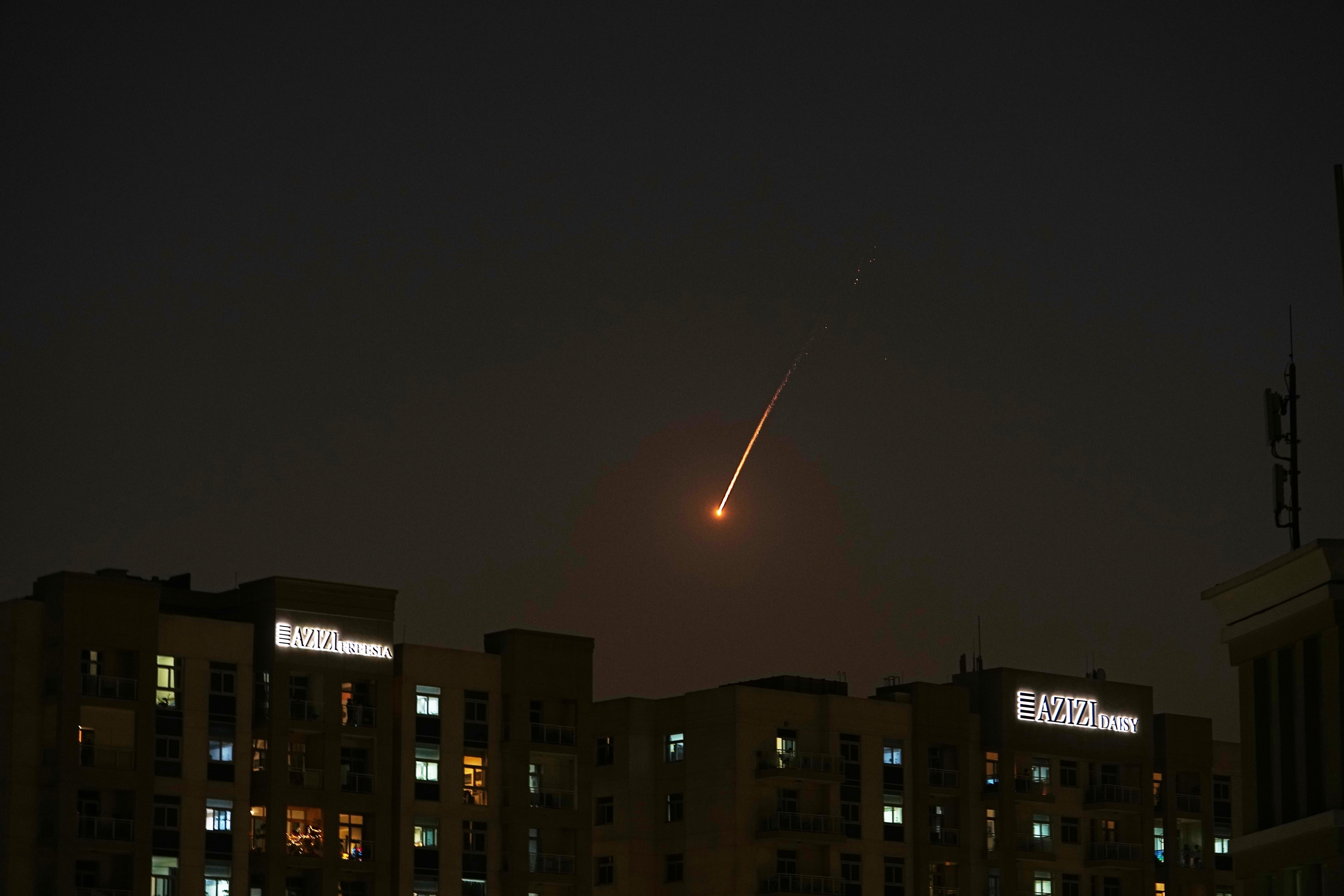
Safety and a supposed lack of crime have been at the forefront of many people’s reasoning for moving from the UK to the Gulf city.
In an interview with the BBC last year about why he moved to Dubai, former England footballer Jonjo Shelvey explained he wouldn’t wear a watch or get his phone out in London. He added that he didn’t want his children to grow up in England.
War in the Middle East could mean that the view of Dubai as a “safe haven” may not last for much longer, according to Ms Khalastchy.
She said: “I think that they tried very hard in the UAE to make their country safe for people to come into. They’ve made the people very welcome, but there are certain things that you can’t avoid. I think that’s something nobody ever thought about.
“That narrative in comparison (of Dubai being safer than London) now is probably moot.”
Mr Pollack added: “Living in London, arguably one of the safest, most tolerant and cultural cities in the world, isn’t such a bad option after all.”
