



Sleep disorders like insomnia can lead to distinct structural changes in brain areas that support attention, decisions and emotional control, a new study warns.
Previous research has shown that a poor night’s sleep can affect far more than energy the next day, including cognitive impairments and an inability to regulate emotions.
So far, two types of sleep disorders are known – one in which sleep cycles are altered, called parasomnia, and another type called dyssomnias in which people have difficulties falling or staying asleep.
Now, scientists have conducted one of the broadest analyses yet of how different sleep disorders are associated with the brain.
The findings could eventually support earlier diagnosis and treatments tailored to specific conditions, according to the study published in the journal Scientific Reports.
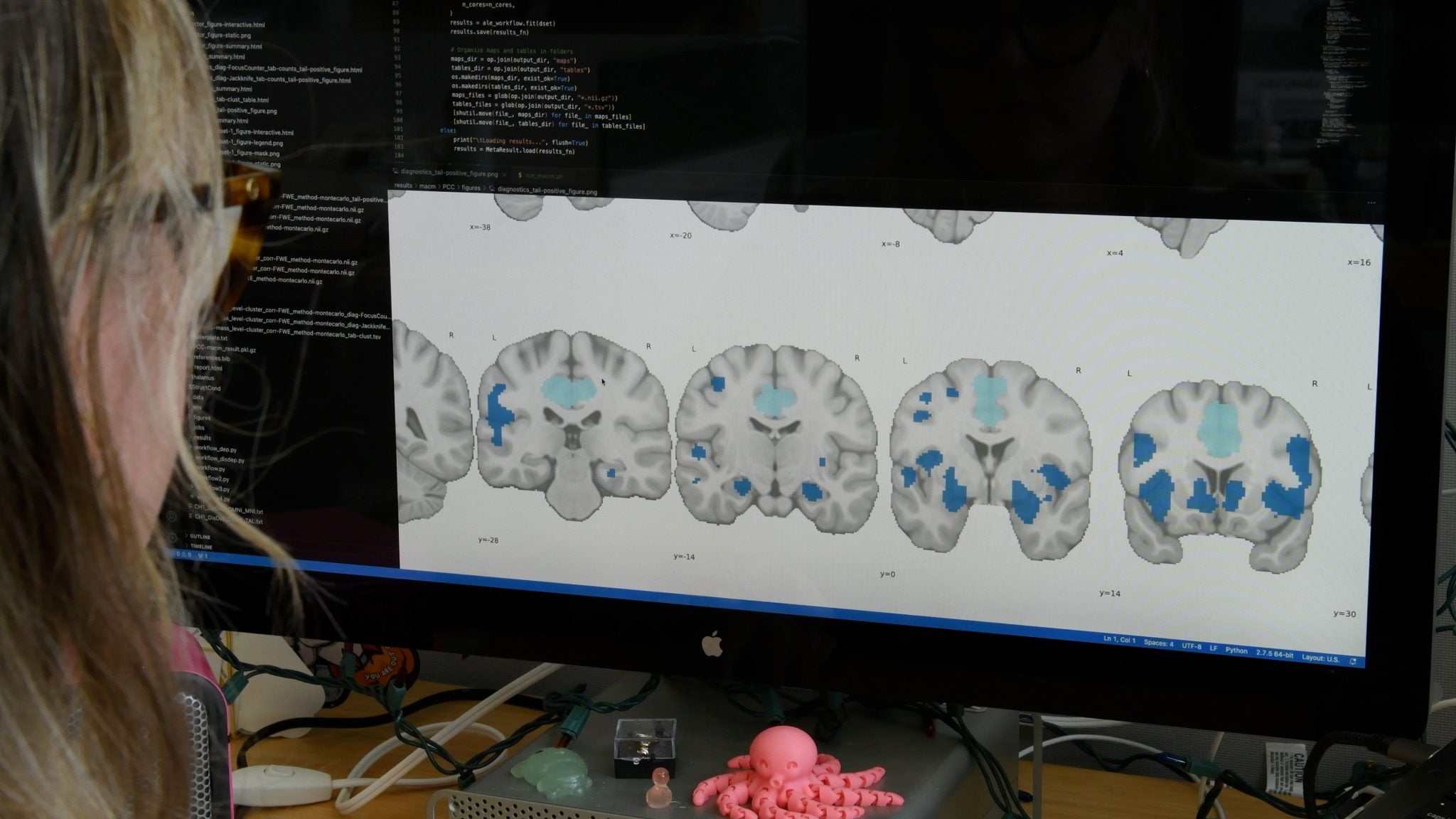
In the research review, scientists assessed results from 57 brain imaging studies comparing dyssomnias and parasomnias.
“There’s growing urgency to understand what’s happening in the brain. By bringing together results from many studies, this research gives us a clearer picture of how sleep disorders affect brain structure and function and where we need to focus next,” said Matthew Sutherland, a cognitive neuroscientist from Florida International University.
“With so many people struggling with sleep, understanding what is happening in the brain is key to finding better interventions, diagnostic tools and personalised treatments,” Dr Sutherland said.
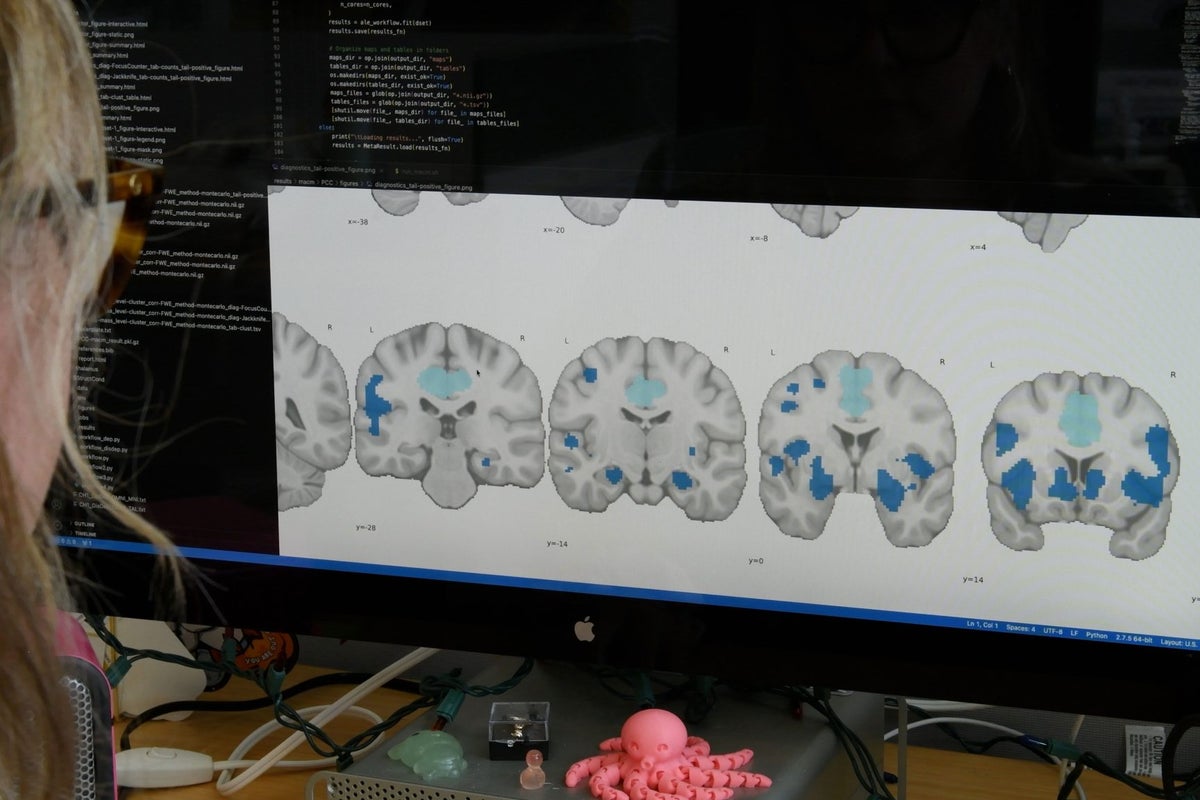
Parasomnia events such as sleepwalking, nightmare disorder and sleep terrors were linked to changes in the brain’s posterior cingulate cortex, which contributes to motivation, decision-making and emotional regulation.
These changes may help account for the shifts in mood, behaviour and emotional control sometimes experienced by people with these disorders, scientists say.
They also mirror observations of reduced task efficiency seen among individuals with insomnia, researchers say.

In the study, both parasomnia and dysomnia were found to be linked to decreased activity of the brain’s thalamus, a region that filters incoming information, supports concentration, and contributes to higher-level thinking.
Such changes could be linked to attentional lapses and risk of injury commonly observed among older individuals with disrupted sleep, scientists say.
In future studies, they hope to further analyse parasomnias like sleepwalking and dreaming.
“These outcomes suggest that structural alterations associated with sleep-related disorders may disrupt distributed brain networks, potentially contributing to altered cognitive, emotional, and motivational functioning,” scientists concluded.
Overall, the latest findings could guide interventions to improve sleep, while also protecting brain systems involved in attention, decision-making and emotional regulation, researchers say.