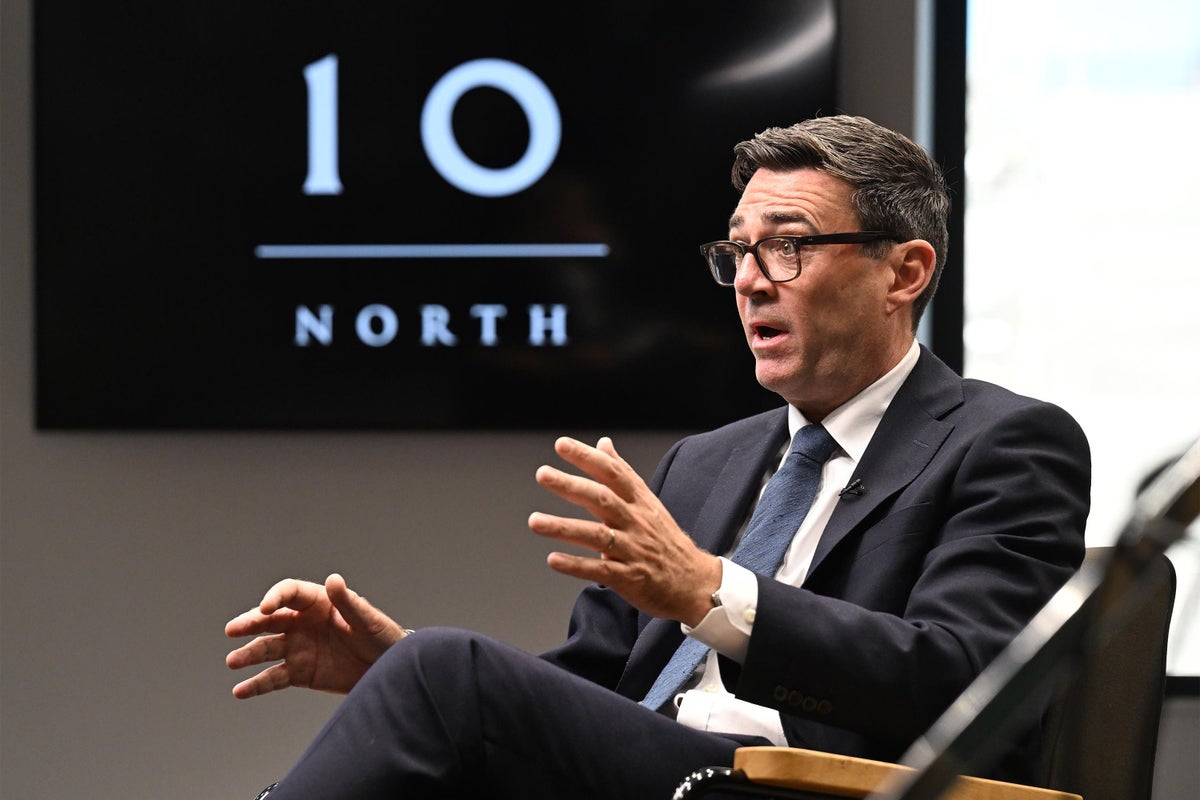
Andy Burnham will look to crack down on the welfare bill in a move that could provoke the ire of the very Labour MPs instrumental in bringing him in to replace Sir Keir Starmer.
In his first major interview since becoming prime minister, Andy Burnham admitted to the BBC’s Laura Kuenssberg that the nation’s welfare bill has to be reduced.
And he made it clear that going forward certain benefits, including mental health support, will become “conditional” on people taking work and not staying at home.
The interview for BBC’s Panorama show also saw him warn that unless there is “substantial change” to the social care system the NHS will collapse, as he looks to fix a crisis which has dogged British politics for decades.
With major changes set to come, Mr Burnham has already made clear in clips from the interview released on Sunday that he will not seek a fresh mandate with an early election. He has also insisted he will call out Donald Trump when “it is in the British national interest” and is seeking ways to find the up to £13bn of cash needed to hit the UK’s target of 3 per cent of GDP on defence.
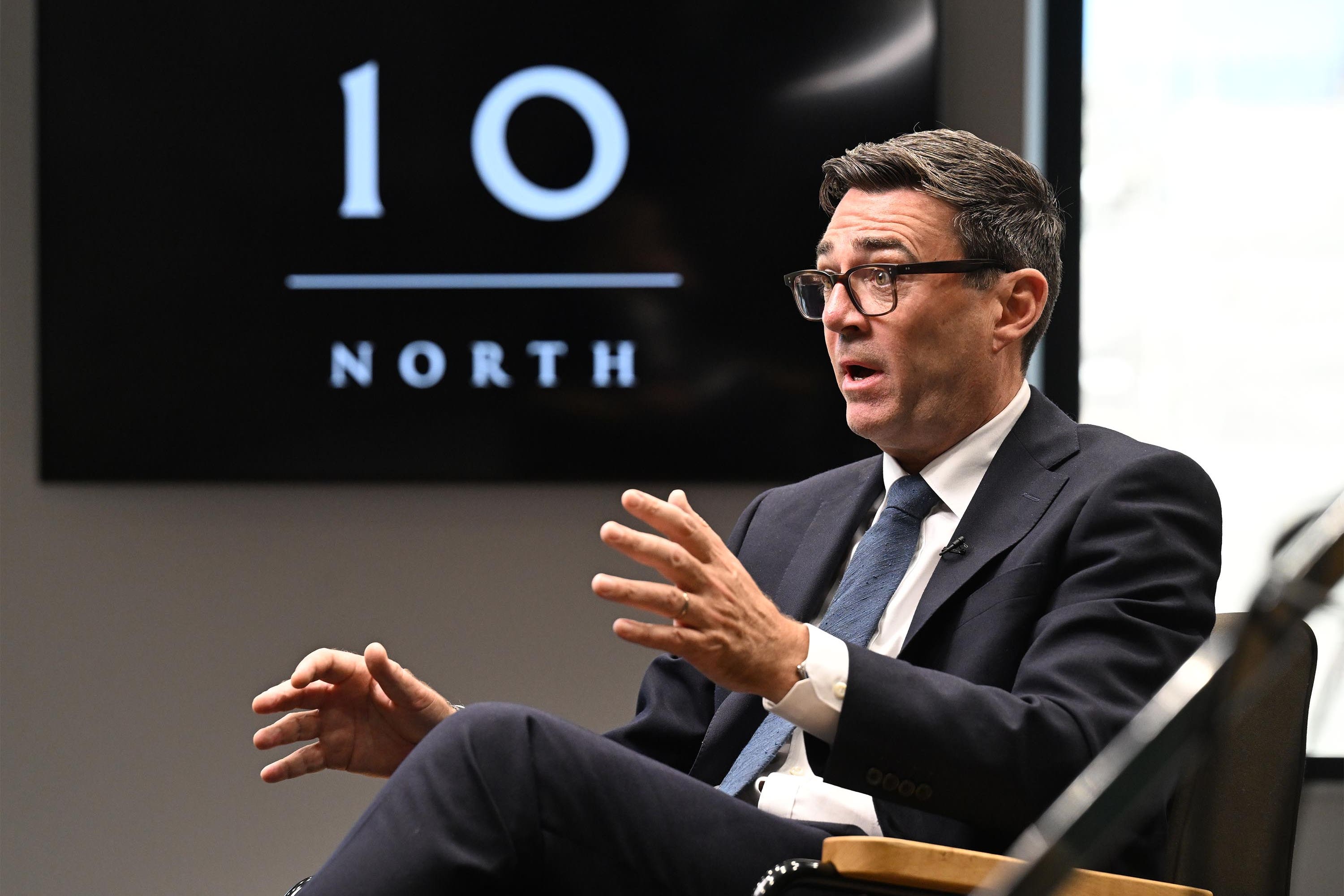
But with money tight, Mr Burnham has made clear that like his predecessor Sir Keir, he intends to make savings on welfare spending.
The issue led to Sir Keir losing his authority as prime minister after he was forced to retreat from plans to cut welfare by £5bn a year following a massive backbench rebellion.
Asked about welfare reform, Mr Burnham did not hide from the need to bring the bill down.
He said: What you’re driving at, which is the welfare bill. I think we’ve got to get really serious as a country at getting the welfare bill down.”
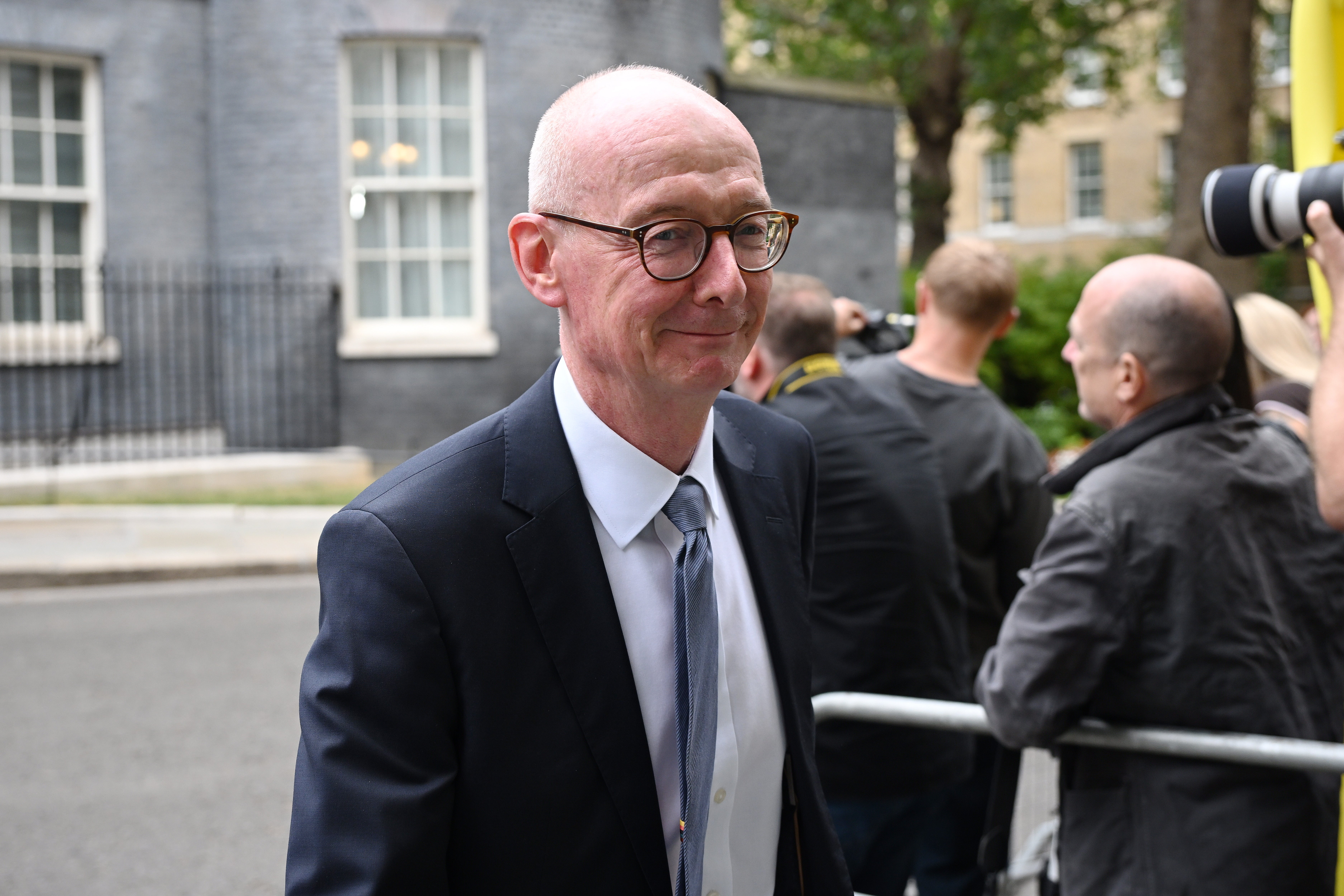
Mr Burnham kept work and pensions secretary Pat McFadden in place despite texts between him and disgraced former Labour peer Peter Mandelson revealing that Mr McFadden had complained about Labour MPs.
Mr McFadden told Mandelson: “Every meeting I have is ‘who can we tax in order to pay benefits to others’. They’re asking the wrong questions.”
His staying in place while 11 other cabinet ministers were sacked was a sign of intent by Mr Burnham.
Outlining his approach, Mr Burnham explained: “It’s about changing the nature of the support and making some of the support conditional upon people taking opportunities that are presented in front of them. So you might increase the conditions required to receive benefits.
“I think it’s a good thing that the government has given guarantees of opportunities for young people.
“And I think we need to continue down that approach and where mental health support is needed, for instance, it’s provided in work to support people in an opportunity.”
However, Mr Burnham did try to strike a change of tone from Sir Keir by emphasising that he did not want to punish those on benefits.
“I wouldn’t necessarily go straight to blaming those people. What I would say is that there are people in the benefits system, young people in their 20s, who have been, I would, say, quite seriously let down because the support wasn’t there for them when it should have been there,” he said.
“So I don’t blame them. I don’t think the support has been there for them in the way that it should have been.”
Welfare rebels on the backbenches like Richard Burgon, Rachael Maskell, Clive Lewis and Kim Johnson among others were cheerleaders of Mr Burnham taking over as prime minister and he will have to bring the left of the party with him on any reforms.
But in the interview he also wanted to focus on one of his big priorities of fixing social care.
Mr Burnham said: “If we don’t do it the NHS will collapse under the weight of trying to care for people who’ve really not needed to end up in the NHS system.”
But pressed on whether he would create a new system before the next election he said he “couldn’t put a timeline on it right here, right now”, though he would put “whatever political capital I have” into fixing it.
Mr Burnham first proposed a universal system of social care in England in 2009 when he was health secretary under Gordon Brown but hopes of getting cross party consensus fell apart when the Tories accused him of wanting a ‘death tax’.
The full interview, BBC Panorama ‘Andy Burnham: the Laura Kuenssberg Interview’ on iPlayer from 6am and BBC One at 8pm on Monday 27 July.