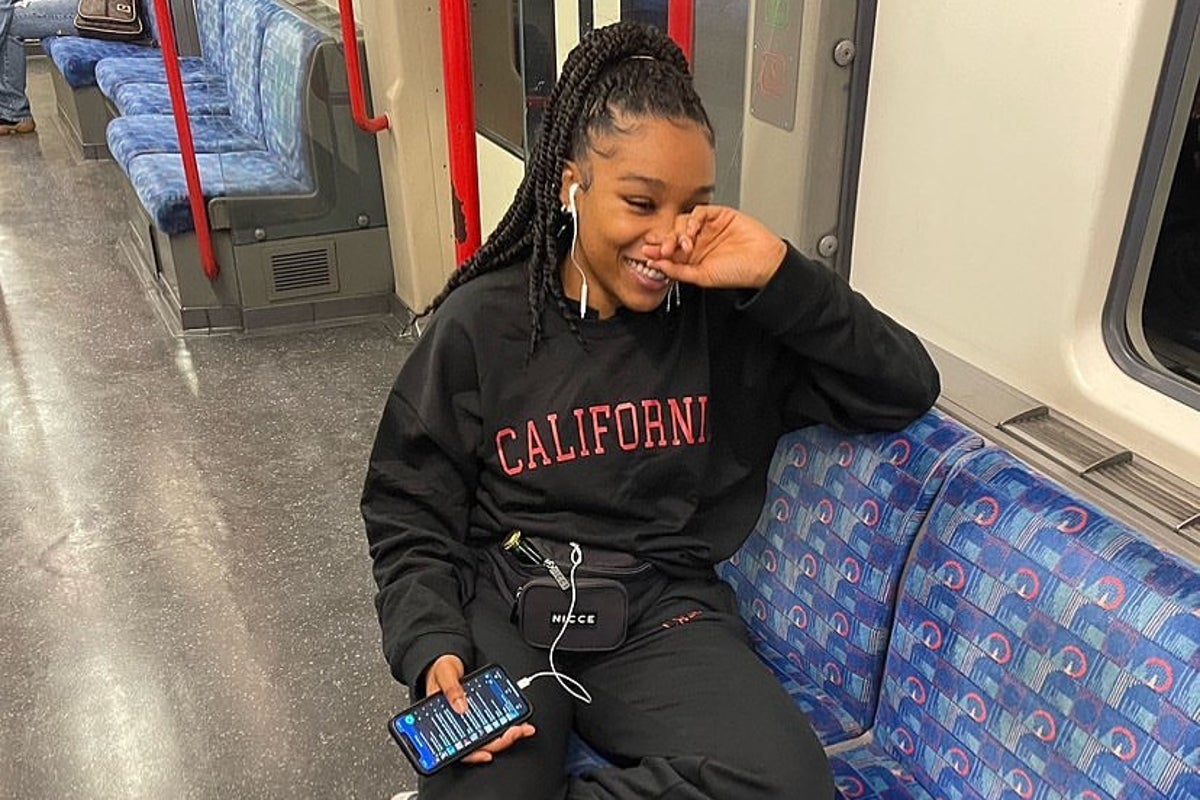
A British woman who said she was raped in Hong Kong has been sentenced to six years in prison for blackmail and preventing the course of public justice.
Isabel Rose, 26, from Hackney in east London, alleged that she was raped by a British banker when she travelled to Hong Kong in 2024 to visit the man she had met a month earlier in Thailand.
The man was arrested after she reported the alleged rape to police. He was released without charge after being questioned.
Rose was arrested the following day and, following a trial, convicted in March this year.
The Hong Kong District Court rejected Rose’s evidence and accepted the man’s account. Rose denied the charges against her.
On Wednesday, judge Adriana Tse sentenced Rose to five years in prison for blackmail and three years for perverting the course of justice. She will serve one year consecutively.
The judge said Rose had “not shown an iota of remorse” and said the allegations against the man were “completely fabricated”.
The case centred around allegations that Rose demanded money from the British banker, who was not named for legal reasons.
She was charged with extorting HK$1.05 million (£100,000) from him.
Rose arrived in Hong Kong on 31 January 2024, about a month after meeting the man in Thailand. She alleged that she was raped in his apartment about 12 hours after landing in Hong Kong and reported it to police.
“Are you annoyed I didn’t want to have sex,” Rose told the man in a WhatsApp message that was shown to the court.
“What no of course not. Was impressed by your restraint,” the man replied.
“You violated me last night, I didn’t wanna have sex,” Rose wrote in another message later that day.
“I am really deeply sorry, I was slightly drunk and I misread your signals, it’s no excuse and I know it doesn’t make it any better,” the man replied.
In later exchanges, Rose insisted: “You basically raped me.”
The man denied the allegation: “That’s not what I’m into at all and I feel sick.”
The conversation then shifted to money, with the man agreeing to compensate her for flights and accommodation, according to the judgment convicting the woman in March.
“Send me the right amount you owe me for everything. Think about that. Think carefully,” Rose said in one message.
The man transferred £5,000 that day and tried to send £5,000 more.
“You’ve given 10% of what I’m owed. 100% of my soul gone,” she said.
The man said: “But I don’t have 100k, I have no way of paying you that.”
The court was told that Rose had deleted some of the messages she exchanged with the man and also used the disappearing messages feature of WhatsApp.
The judge ruled the man had been “nothing but kind to the defendant” but Rose had “taken advantage of his kindness, naivety, friendship and romantic interest”.
The judge observed that Rose’s conduct was “wicked” and “evil” and rejected her legal team’s request for a lighter sentence.
After she was convicted and released on bail, Rose told the South China Morning Post that blackmail allegations had been treated more seriously than rape allegations.
“I reported the rape. But within 24 hours there was no rape any more,” she said, adding that she could not believe what had happened and “none of it makes sense”.
She said she had arrived in Hong Kong as a tourist but now faced having to “suck it all up”, referring to her imprisonment.
“I came here with four days of clothes, not realising I would be here for two years,” she told the outlet. “Somewhere along the line, quite early on, something went wrong.”
After Rose’s sentencing on Wednesday, her spokesperson Radd Seiger said it was “obviously a difficult day for Isabel and her mother Aysha”.
“We will now take advice from the legal team and consider all available options.”
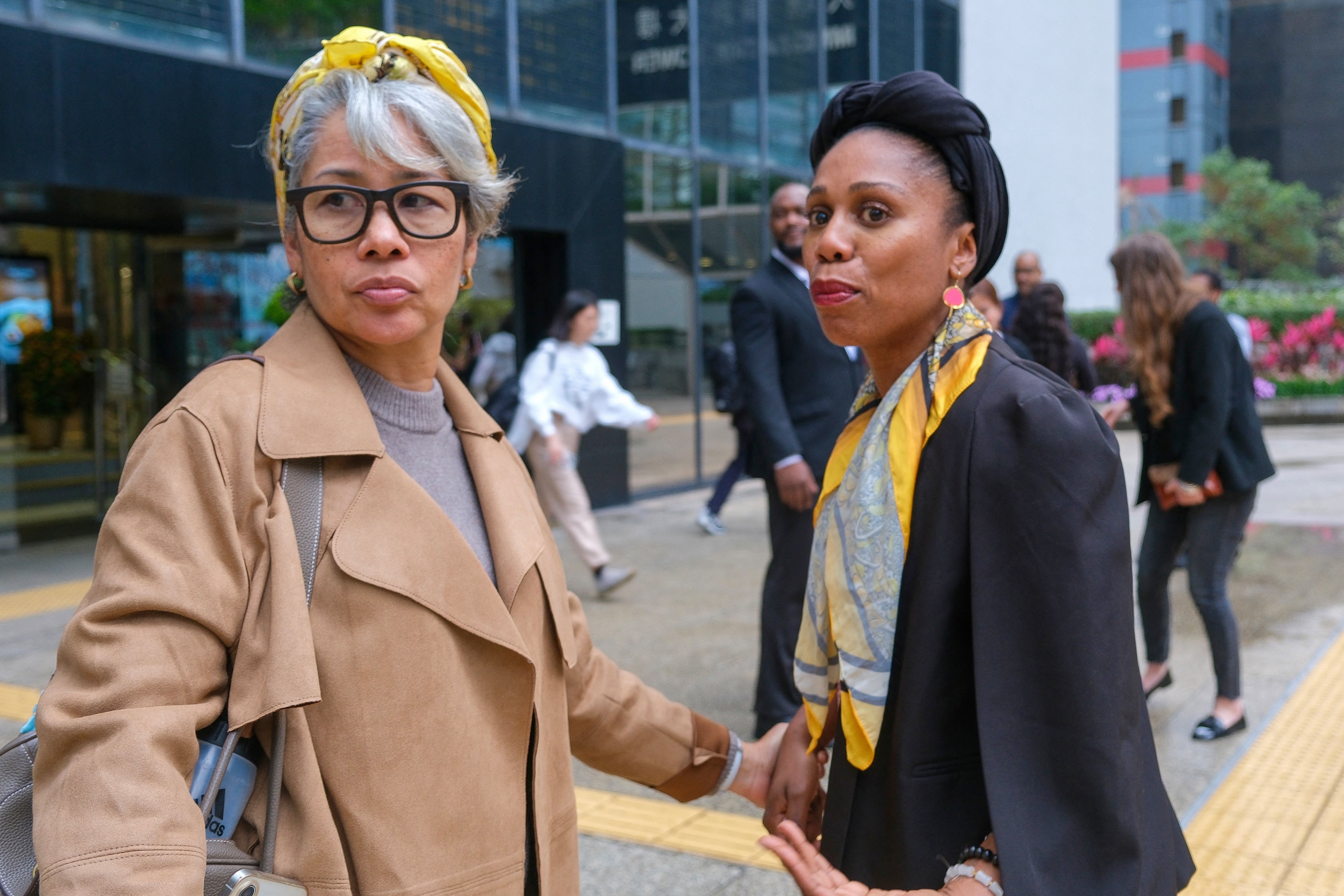
Rose’s mother, Ayesha Bell, who remained in Hong Kong through most of the legal battle to support her daughter, appeared teary eyed on Wednesday. Supporters of Rose also cried as the judge handed down the sentence.
Campaigners for Rose questioned the handling of the case.
“Isabel Rose, a British woman currently imprisoned in Hong Kong, needs continued support and advocacy. Her family are still fighting for her, and your voice can help ensure she is not forgotten,” British charity For Black Women UK said.
“We live in a world where people think there’s a structured way to respond to rape and sexual assault,” Ngozi Fulani, founder of the London charity Sistah Space, said, according to the Guardian. “That is not the case. What has happened here is that a victim has been blamed for being a victim.”