
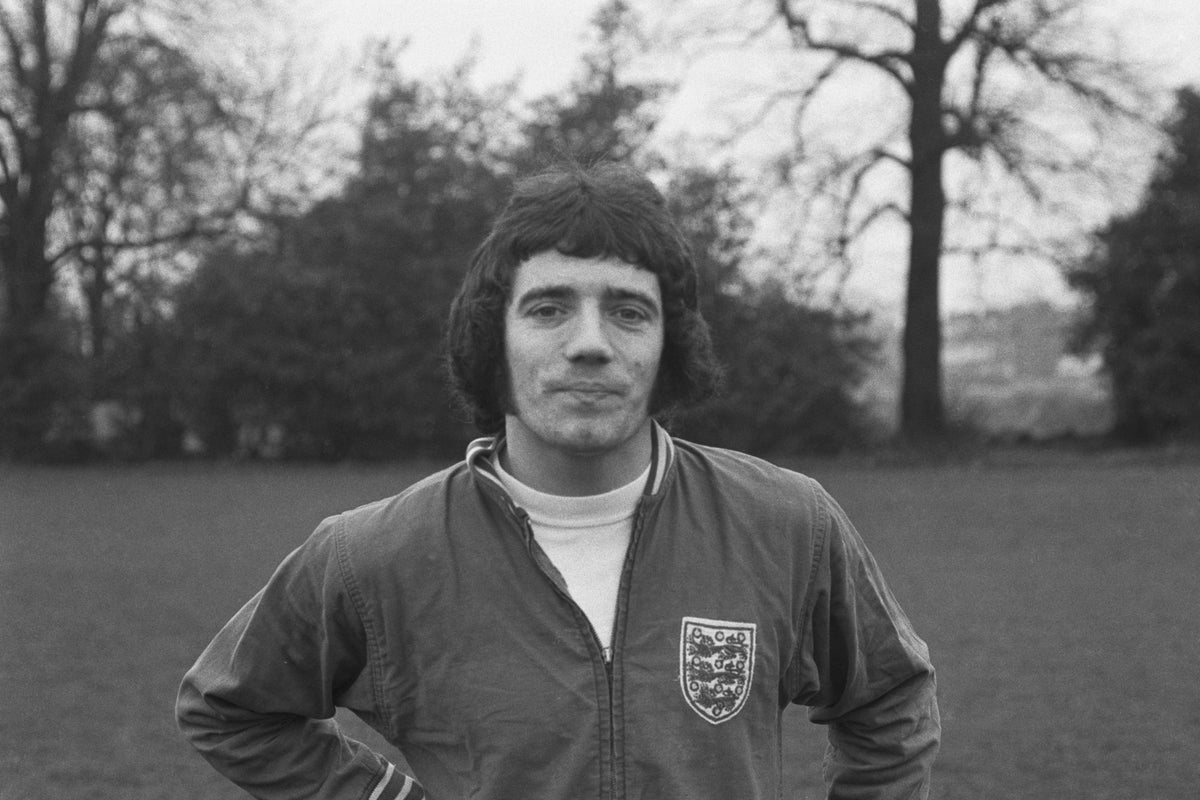
Kevin Keegan, the legendary former England footballer and manager, has died at the age of 75.
It was announced in January that Keegan had been diagnosed with stage four cancer, with his family revealing he was to begin treatment.
A statement was published on behalf of the Keegan family by the Sky Sports journalist Pete Graves, confirming Keegan had passed away while surrounded by his wife and two daughters.
“It is with immense sadness that we announce that Kevin Keegan has passed away at the age of 75,” the statement said.
“The former England player and manager had been battling cancer and was surrounded by his wife and daughters in his final moments.
“Kevin, a double Ballon D’or winner, was a much loved husband, father and grandfather. The family would like to thank Kevin’s incredible medical team for all their support.
“This is a hugely difficult time and they are requesting space and privacy.”
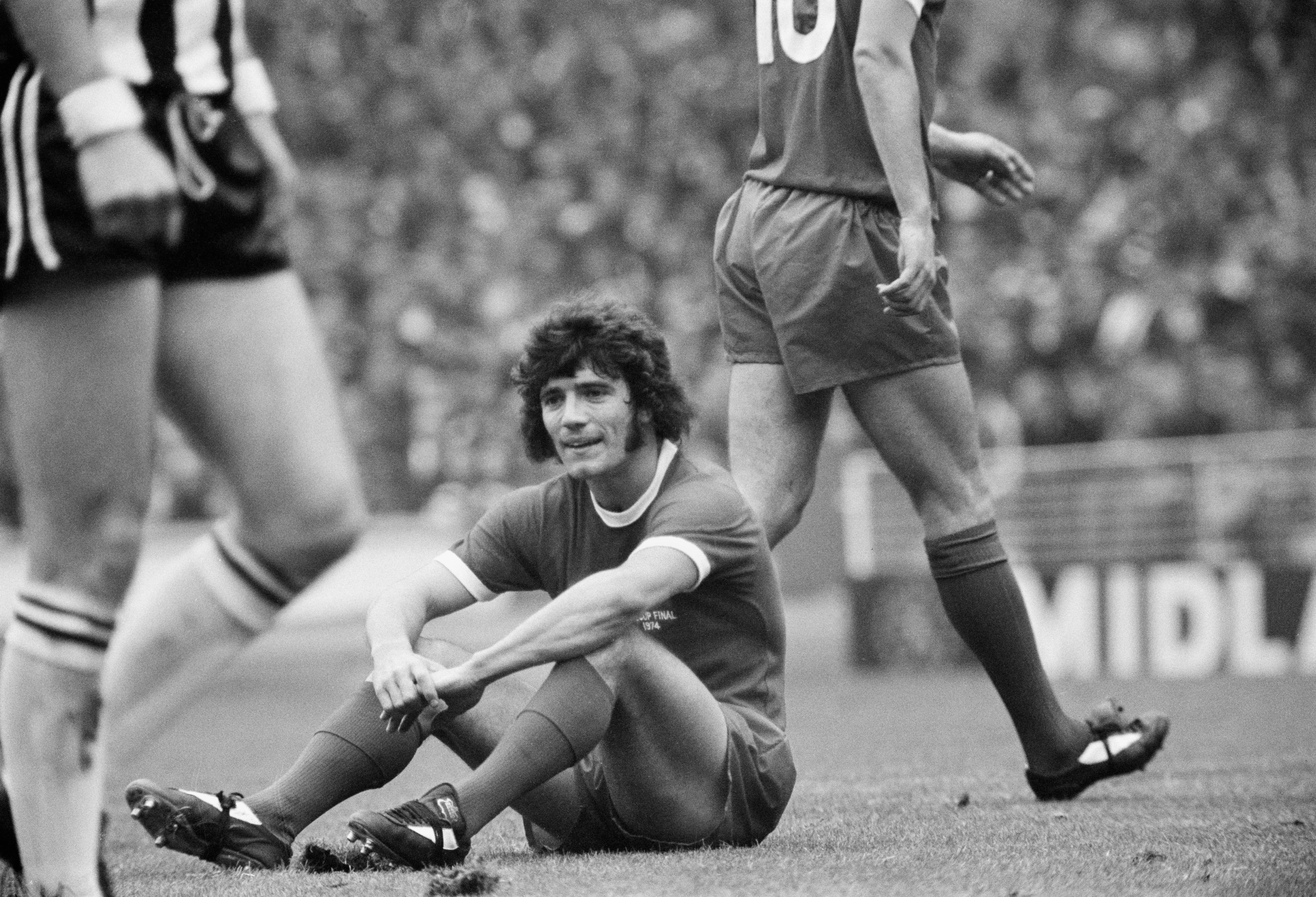
Most revered for his feats as a manager at Newcastle and as a player at Liverpool, Keegan forged a successful career that included three First Division titles, one FA Cup, one European Cup, and two Uefa Cups as well as two Bundesliga titles between the years of 1968 and 1984.
Keegan’s traits as a forward was founded on his pace and ability with the ball, and he formed a formidable strike partnership with John Toshack, and was at the heart of Liverpool’s prosperous side in the 1970s under Bill Shankly and Bob Paisley.
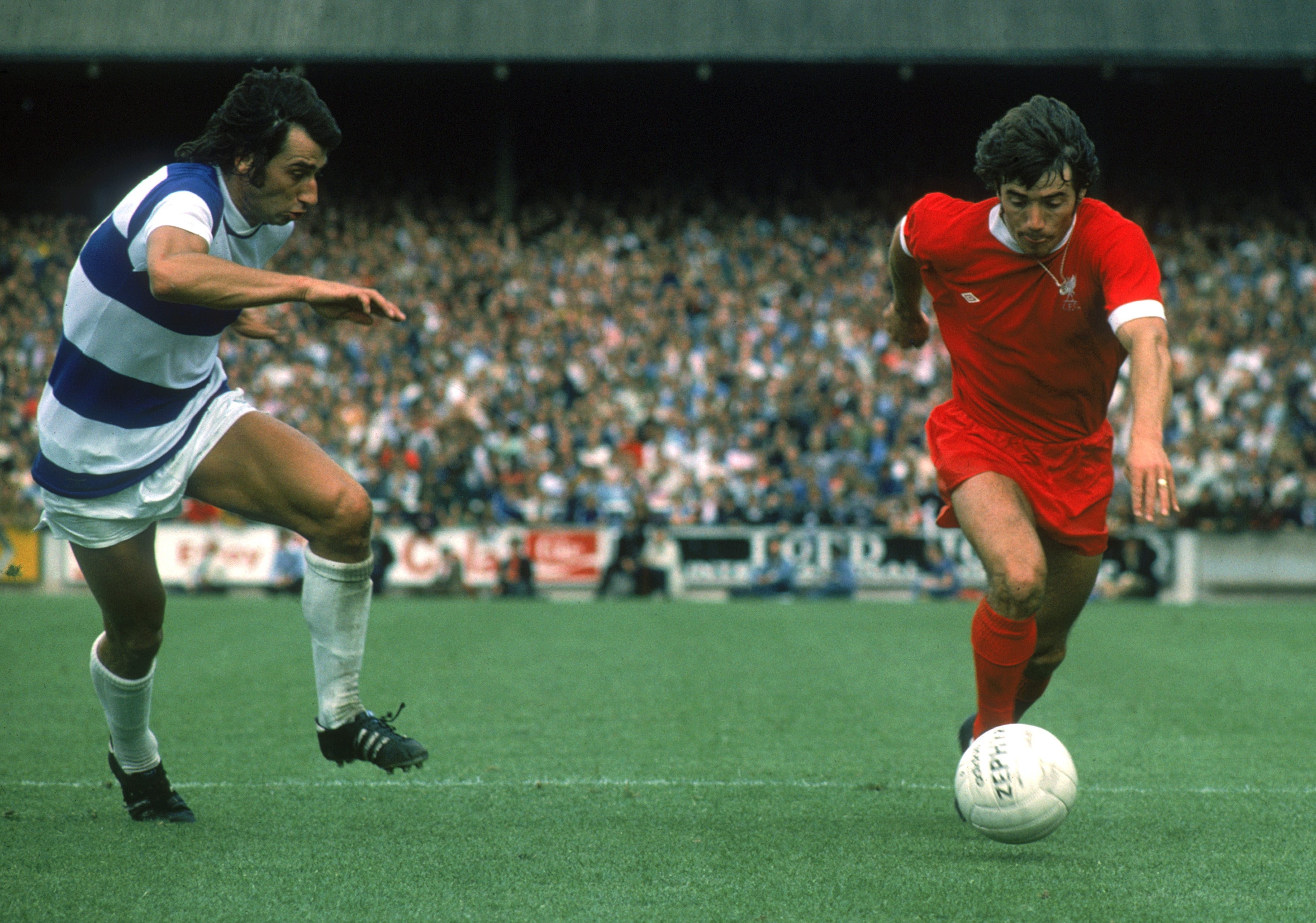
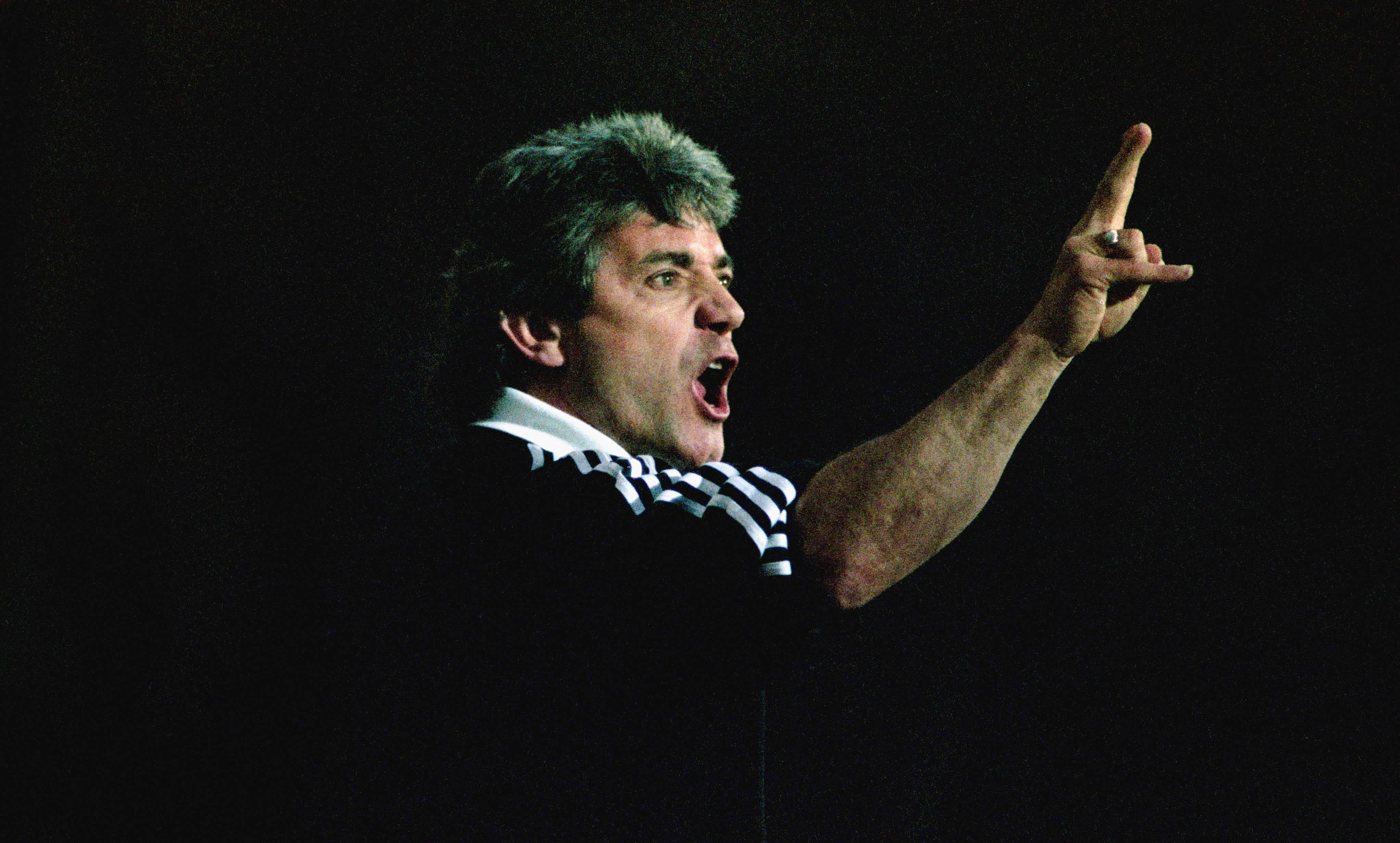
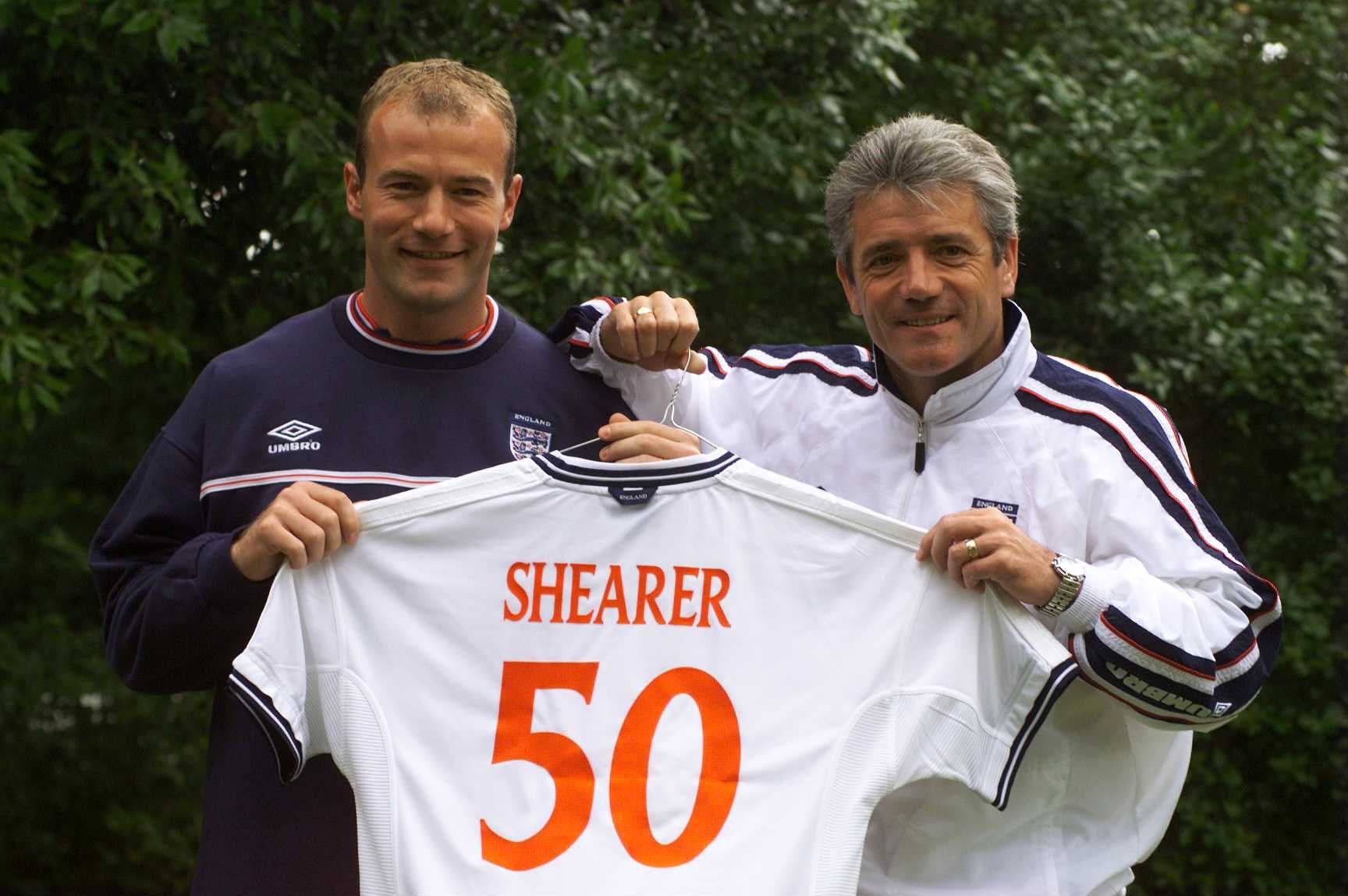
As a manager, Keegan took Newcastle from the second tier into the Premier League and to their best-ever second finish, earning the nickname ‘King Kev’, and signed some of the club’s most iconic players, including Alan Shearer.
Aside from an iconic 1970’s bubble perm, Keegan is arguably best known for his “I will love it” rant from 1996, when he took the bait and publicly criticised Sir Alex Ferguson’s comments, although Manchester United had the last laugh when they went on to win the league title, with the Magpies finishing second.
Born in 1951 in Armthorpe, Doncaster, and the son of a miner, Keegan has told the tale of using his brother’s pram as a goalpost. While his father might have been a Newcastle fan, because they had moved before Keegan’s birth, he would grow up supporting local side Doncaster Rovers.
Compared to most modern footballers, Keegan had an unorthodox journey to the top of the game. Rather than coming through an established club academy, he started his career at Scunthorpe in 1968 as an apprentice, having been spotted the previous year playing in local leagues, he made his debut against Peterborough at the age of 17, and went on to make 29 league starts in his first season.
In his autobiography, Keegan mentions the club’s low wages forcing him into summer jobs, such as plate-laying in the local area. But in 1971, Keegan had caught the eye of Liverpool’s chief scout Geoff Twentyman, and he was signed by Bill Shankly for a reported figure of £35,000, having scored 18 goals in 124 appearances in the midfield for Scunthorpe.
Shankly cultivated Keegan’s talent, reportedly telling him after just three days of training at Melwood ‘you will play for England’, something that in fact happened only the following year when Keegan made his debut against Wales at Cardiff.
Keegan joined Liverpool at a time Shankly was cultivating what would become one of the dominant forces in European football, and when he left in 1978 for Hamburg there were not many pieces of silverware the club had not lifted.
In his 230 appearances for the club and 68 goals, Keegan had three league titles, two Uefa cups, one FA Cup, and one European cup, won in his final season, and under Shankly’s successor, Paisley.
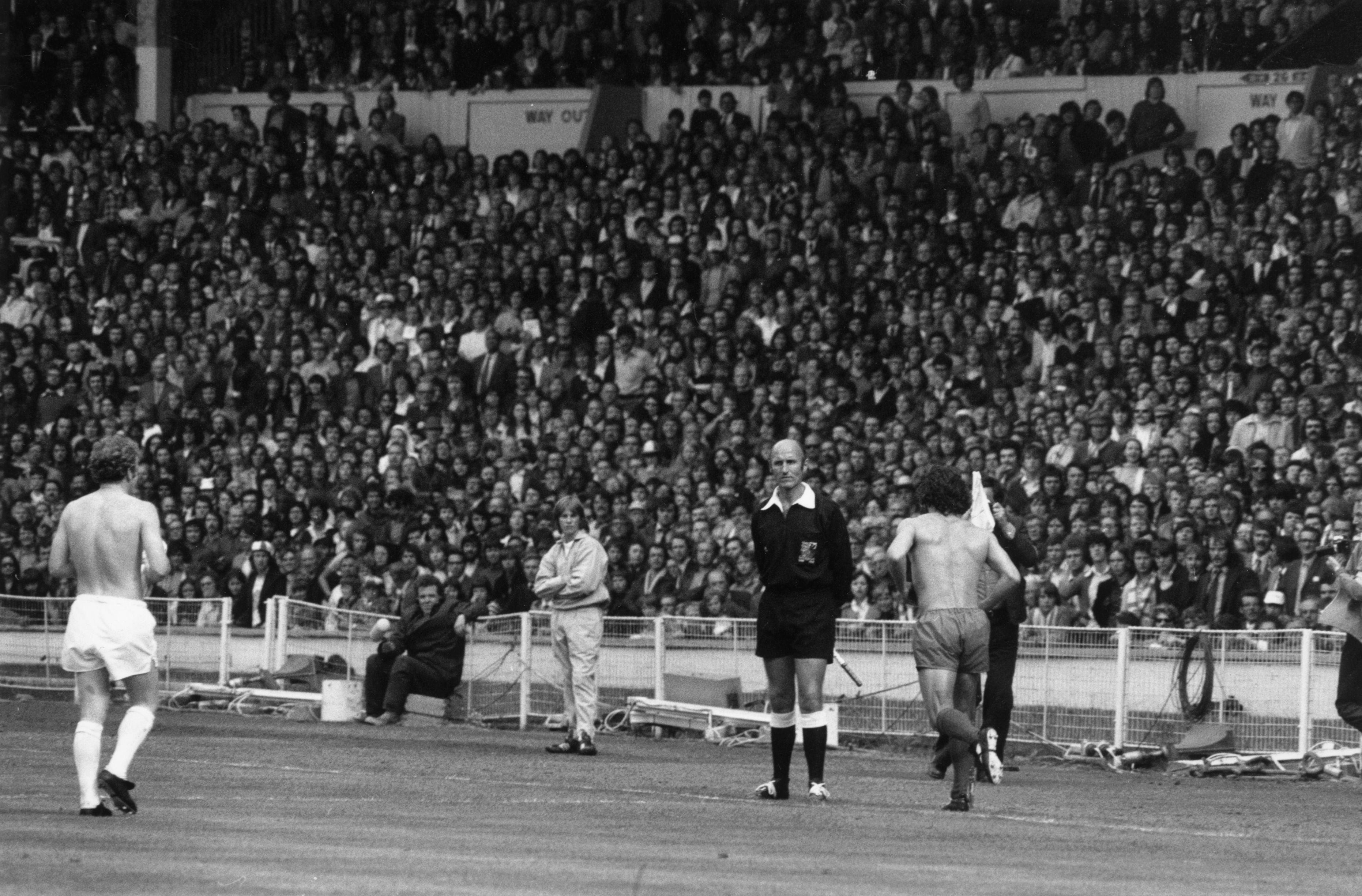
But during his time at Liverpool, aside from the heroics, trophies and memorable goals, one moment also stood out: his sending off in the 1974 Charity Shield match for a fight with Leeds’ Billy Bremner became the first-ever red card in the fixture, and has been noted in the record books.
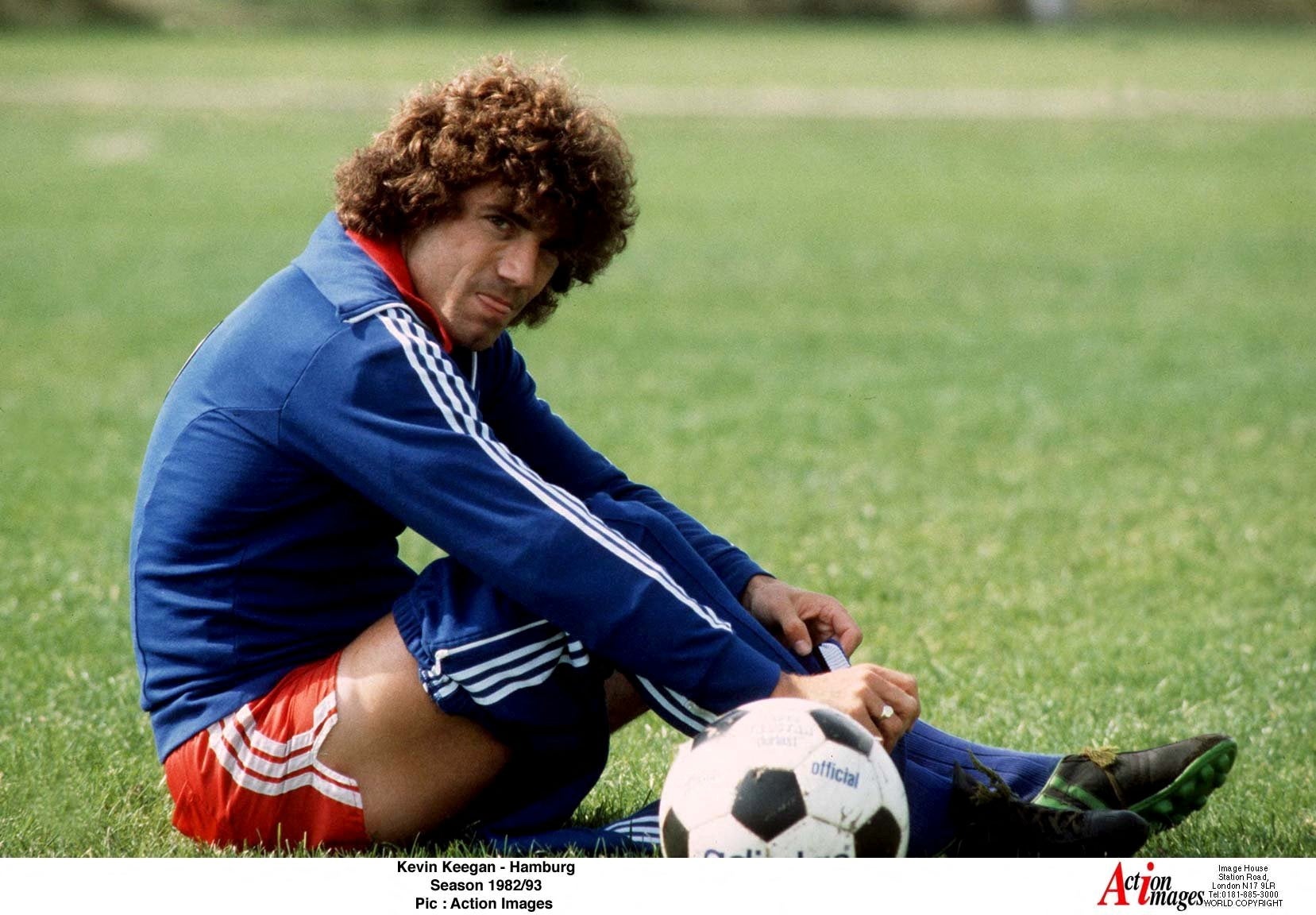
Keegan joined Hamburg in 1977 for a then-German transfer record of £500,000 and went on to win two Bundesliga titles before coming back to England and playing for Southampton, then Newcastle.
In 1979 he had a brief flirtation with pop music, launching Head over Heels in Love with Chris Norman, and during his pre-perm stages he was the face of a campaign for road safety.
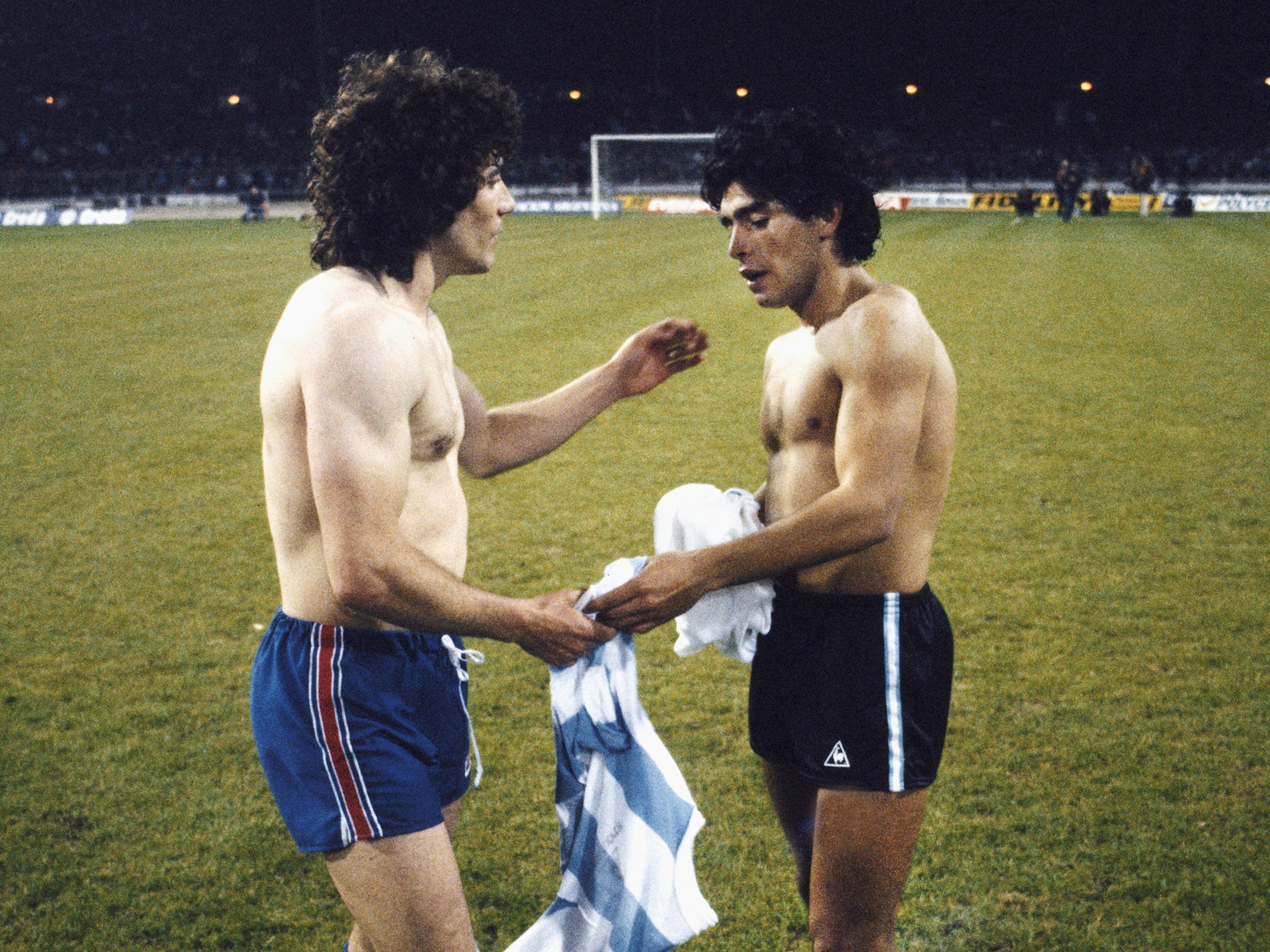
During his playing career, Keegan played against a 19-year-old Diego Maradona, with whom he exchanged shirts at the end of a match, and a 38-year-old Pele. He tangled with the likes of Johan Cruyff, George Best and Michel Platini, and won the Ballon d’Or in 1978 and 1979.
His England career, however, was affected by the side’s inability to qualify for tournaments, and injury. Keegan earned 63 caps for the national side, scoring 21 goals and captained the team on 31 occasions until his international retirement after the 1982 World Cup.
But that career amounted to just one World Cup appearance, for 26 minutes as England were knocked out by Spain in 1982, with the forward dealing with a back injury that prevented him featuring in the group stages.
Keegan might have only played for Newcastle for two seasons, but he was popular with the supporters, and it was there he finished his English professional career at the age of 33. But it was a relationship that prepared for him to take the managerial reigns at the club almost eight years later.
At the time Newcastle were battling relegation in the second tier of English football, and Keegan not only saved the club from slipping further down the football pyramid, but into the Premier League for the 1993-94 campaign the following year.
In 1996, the club finished second, their still-highest ever Premier League finish, and Keegan would make a key signing before his departure the following year, of Alan Shearer from Blackburn.
After a short break, Keegan took charge at Fulham, but he was appointed England manager in February 1999. He memorably resigned after defeat at the hands of Germany in the last match played at the old Wembley, resigning five minutes after the match after just 20 months in charge.
Keegan’s tenure as England manager was in the latter stages of his career, he went on to manage Manchester City, before declaring his retirement from the sport in 2005.
However, one club tempted him back into the fold and he returned to St James’ Park in January 2008, but he publicly split from the board and he left in September of the same year, and Keegan’s public spat with Mike Ashley proved an irreparable difference.
Keegan took a back seat from the limelight and aside from a few dinner events, spent time with his wife and two daughters.
More follows