

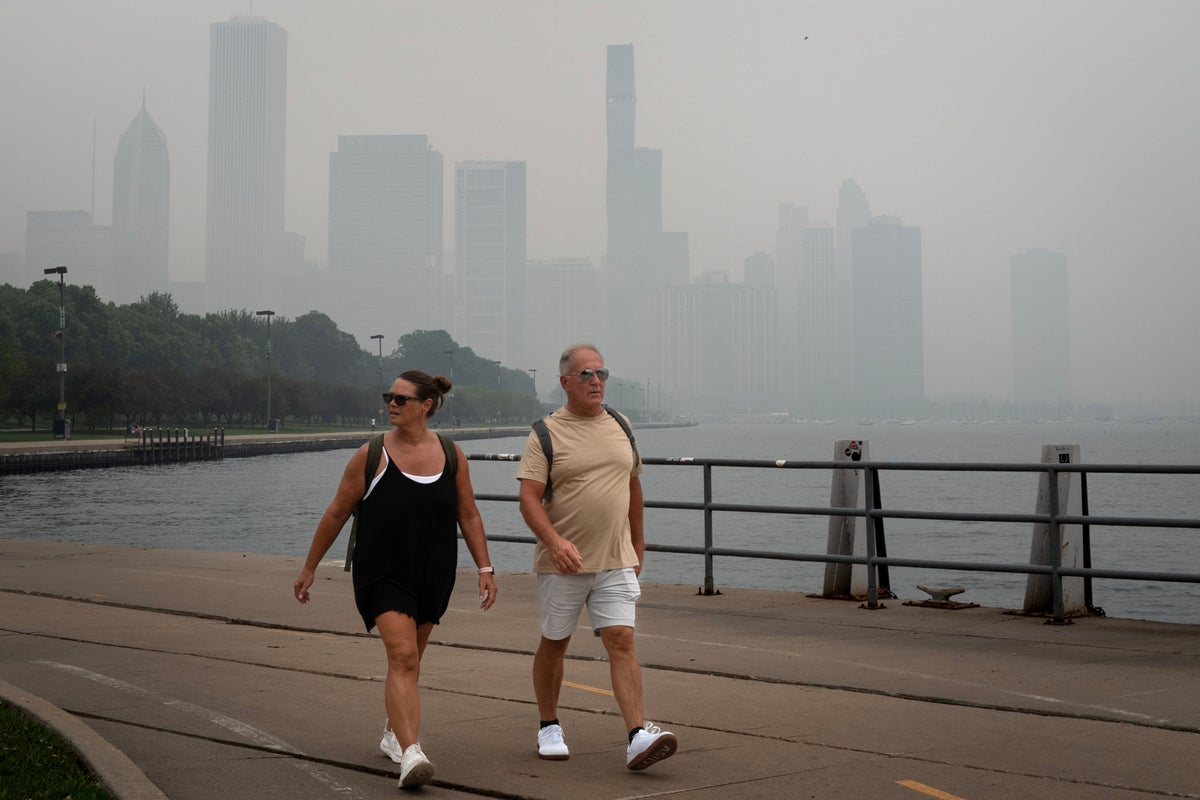
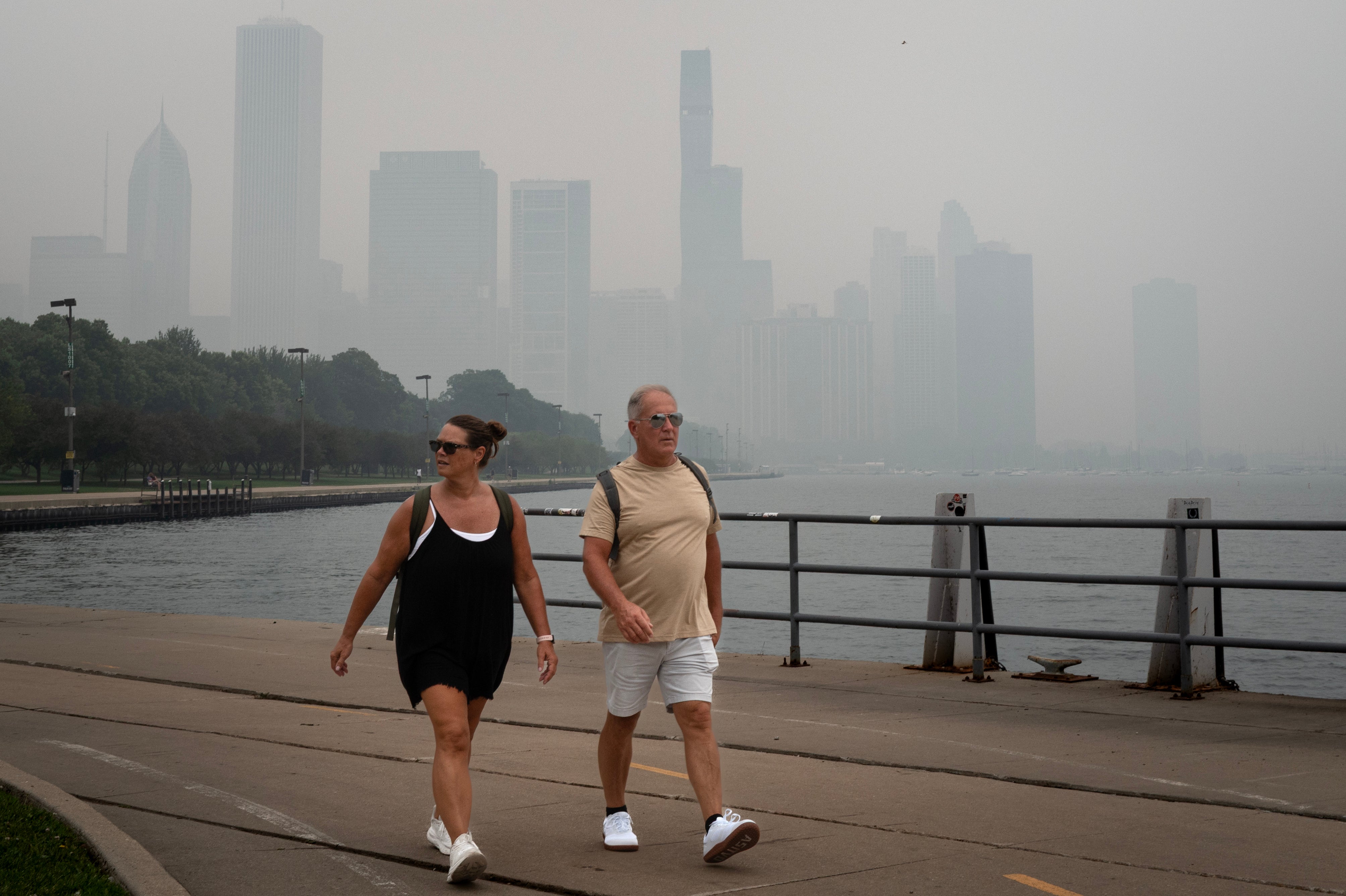
While much of the Canadian wildfire smoke over the U.S. has dissipated, the threat is far from over, forecasters warned, and more smoke is on the way today.
More than 900 fires are still blazing in Ontario and across Canada, the National Weather Service warned Monday.
This past weekend’s stormy conditions in Detroit and New York cleared the hazy skies. But the Great Lakes region, and states bordering Canada including Michigan, will see more smoke move in today and continue through Tuesday.
“There is no let up in air quality issues over the next few days downwind of the ongoing Canadian wildfires across western portions of Ontario,” the agency wrote.
Detroit, Michigan, had the worst air quality in the world last week, according to tracker iQAir. The city has since dropped down to 15th place in the rankings but Chicago remains in the second spot Monday after Kinshasa in the Democratic Republic of Congo.
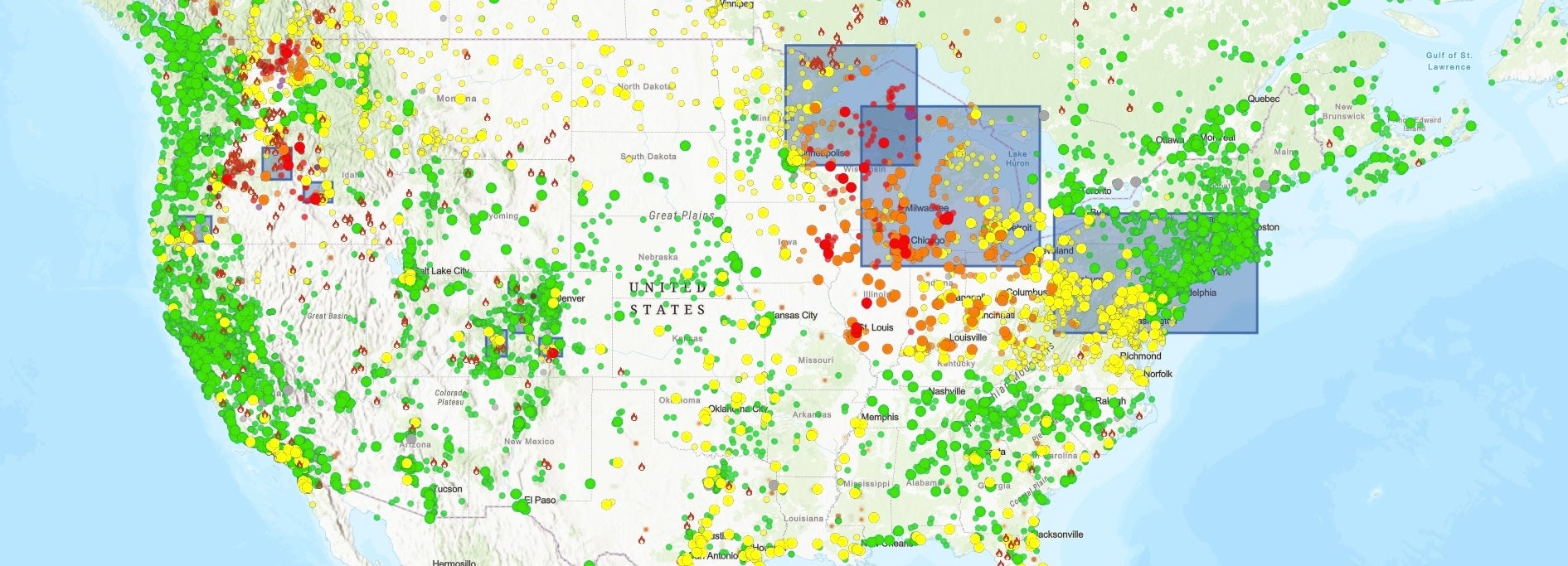
There were also air quality alerts Monday in Oregon and Idaho due to blazes in the Northwest and Rockies.
Last week, Chicago had record poor air quality, reaching levels more than double of the most hazardous air quality ranked by the Environmental Protection Agency.
The smoke shut down local beaches, led The Black Keys to cancel a tour date and shuttered Six Flags Great America and Hurricane Harbor Chicago, according to People.
Air quality alerts remain in effect throughout the Midwest Monday.
Wildfire smoke can travel hundreds to thousands of miles, bringing chemicals, trace metals and particle pollution that’s been tied to multiple forms of cancer.
And breathing in the smoke can affect the lungs almost immediately, resulting in as much damage as smoking cigarettes over the course of just a few days, according to researchers at Stanford University.
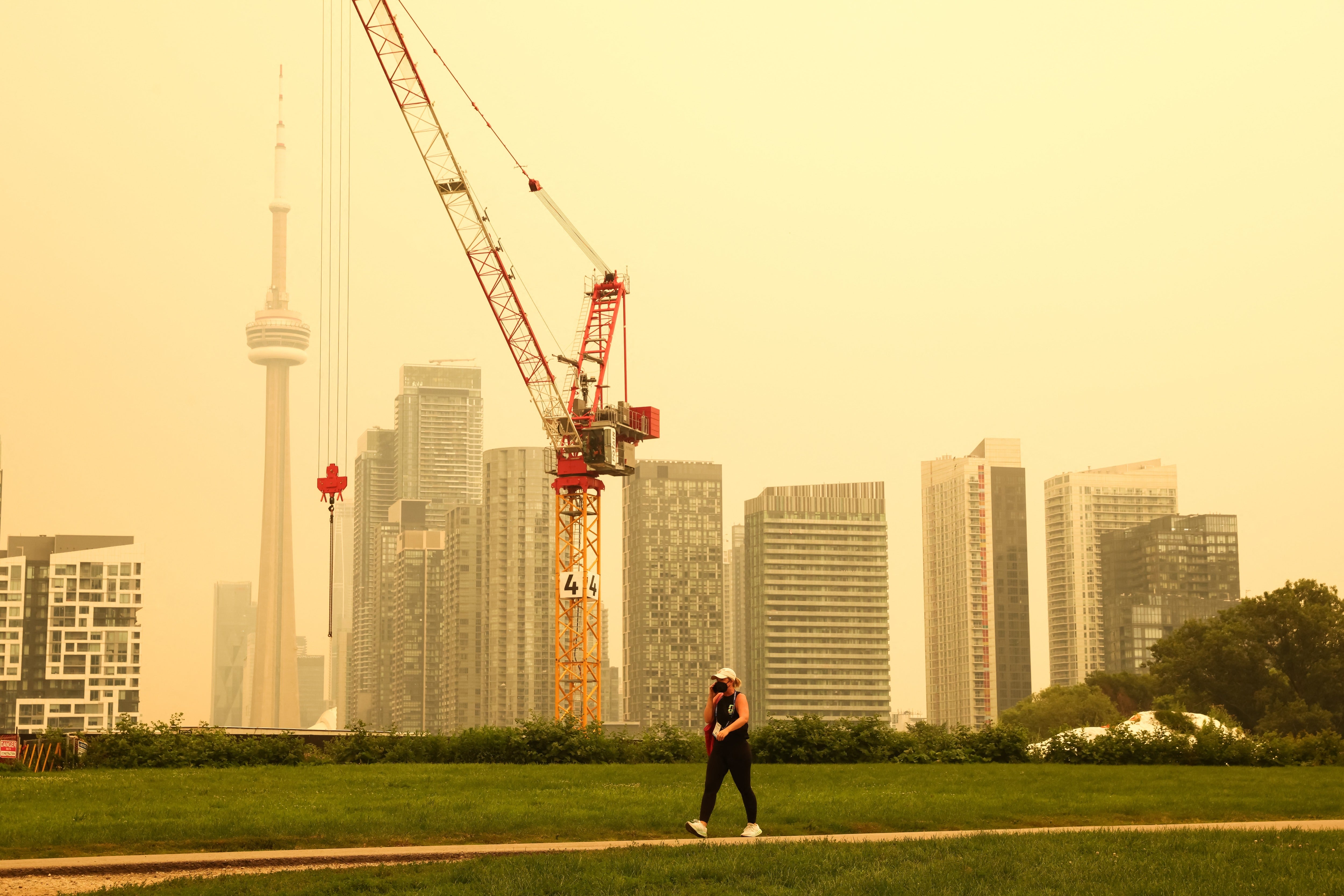
Health officials advise people to take precautions to protect themselves, including exercising indoors, making sure windows and doors are tightly sealed and wearing a protective KN95 face mask.
The peak of fire season is not until next month in Canada and the U.S. Larger, more intense, and more erratic fires are becoming more common due to hot and dry conditions linked to climate change.
Some 1,128,886 acres have burned this year in the U.S., according to the National Interagency Fire Center. More than seven million have burned across Canada, the Canadian Interagency Forest Fire Centre says.