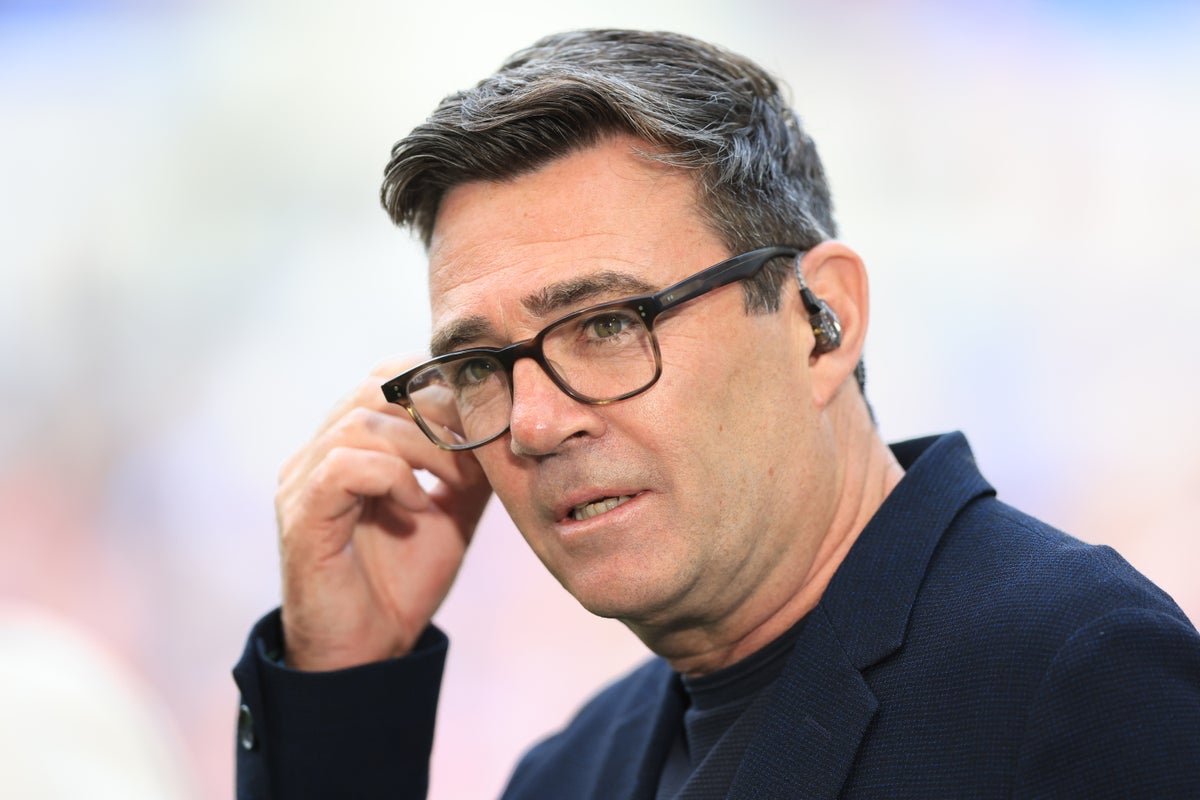
Andy Burnham will pledge to give people “more breathing room” in his first speech as prime minister on Monday, as he begins setting out his vision for his time in office.
The former Greater Manchester mayor ran uncontested for the position after securing the backing of 349 Labour MPs, making it impossible for anyone to stand against him.
He became Labour leader on Friday, and has now been invited by the King to form a government after Sir Keir Starmer’s official resignation.
Follow the latest political updates on Andy Burnham becoming prime minister on The Independent’s live blog
In his inaugural speech, it is expected Mr Burnham will lay out a bold vision to undo economic policies brought in by the Thatcher administration in the 1980s and “give back control” to communities across the UK.
His tenure in No 10 has been highly anticipated for many months, with his path to Downing Street having been virtually without obstacle since his by-election win last month.
During his campaign trail and since returning to parliament, the prime minister-in-waiting has delivered a number of speeches laying out his policy intentions.
Here are the policies Mr Burnham has announced or hinted at on the road to Number 10:
Cost of living
Mr Burnham has indicated that tackling the cost of living will be one of his top priorities. He is expected to promise households more “breathing room” against the rising cost of living and promise a “reset of priorities”.
In the days before becoming prime minister, Mr Burnham also revealed he was scrapping the government’s Digital ID scheme, with a spokesperson saying that the funding “will go instead to where it’s most needed, such as helping with the cost of living”.
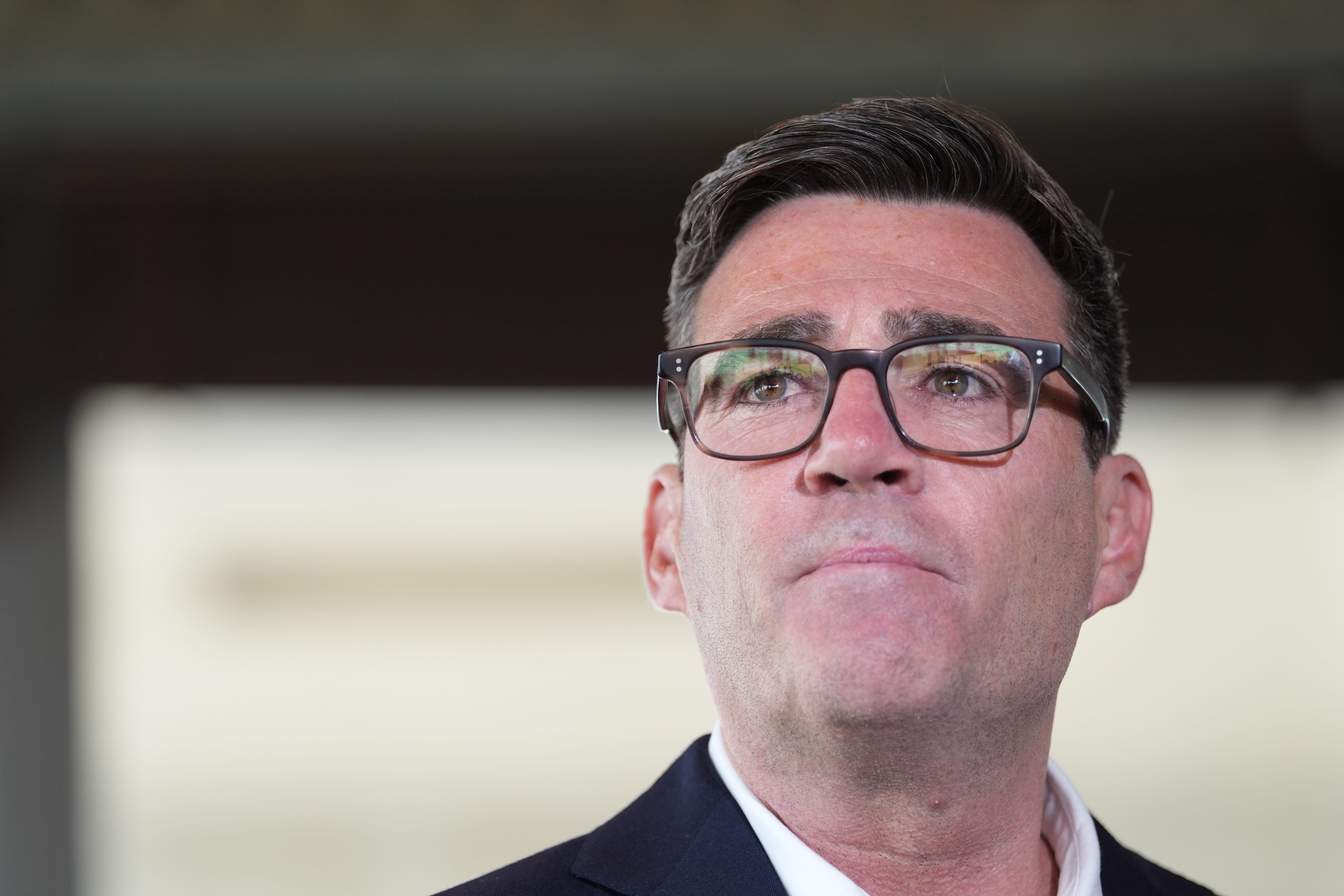
It is widely expected he will announce a cost of living package to help households in the short-term upon taking office. However, details on the exact policies have been relatively scarce.
One of the most widely-rumoured plans would see energy bills reduced through the removal of some policy levies from bills. This would cost taxpayers around £3.2bn a year but save every household around £130 a year, according to think tank Nesta.
Devolution
Andy Burnham has long been a champion of devolution, having called for it to go further repeatedly during his time as mayor of Greater Manchester.
In his first major speech after returning to parliament, he said he would lead a decade-long plan to transform Britain by transferring power out of Whitehall and giving regions the ability to control essential utilities, transport and housing.
His flagship proposal was the creation of an outpost of Downing Street based in Manchester, dubbed “No 10 in the North”, which he said would serve as the “nerve centre” through which to deliver priorities including reindustrialisation and regeneration.
He said proposals would bring about the “biggest rebalancing of power our country has seen”, as he promised to overcome Whitehall’s resistance to change.
Taxes
Speaking on the weekend before his coronation, Mr Burnham indicated he would take action on the income tax personal allowance freeze at £12,570 that has been in effect for five years, and was extended by Rachel Reeves at Labour’s last Budget.
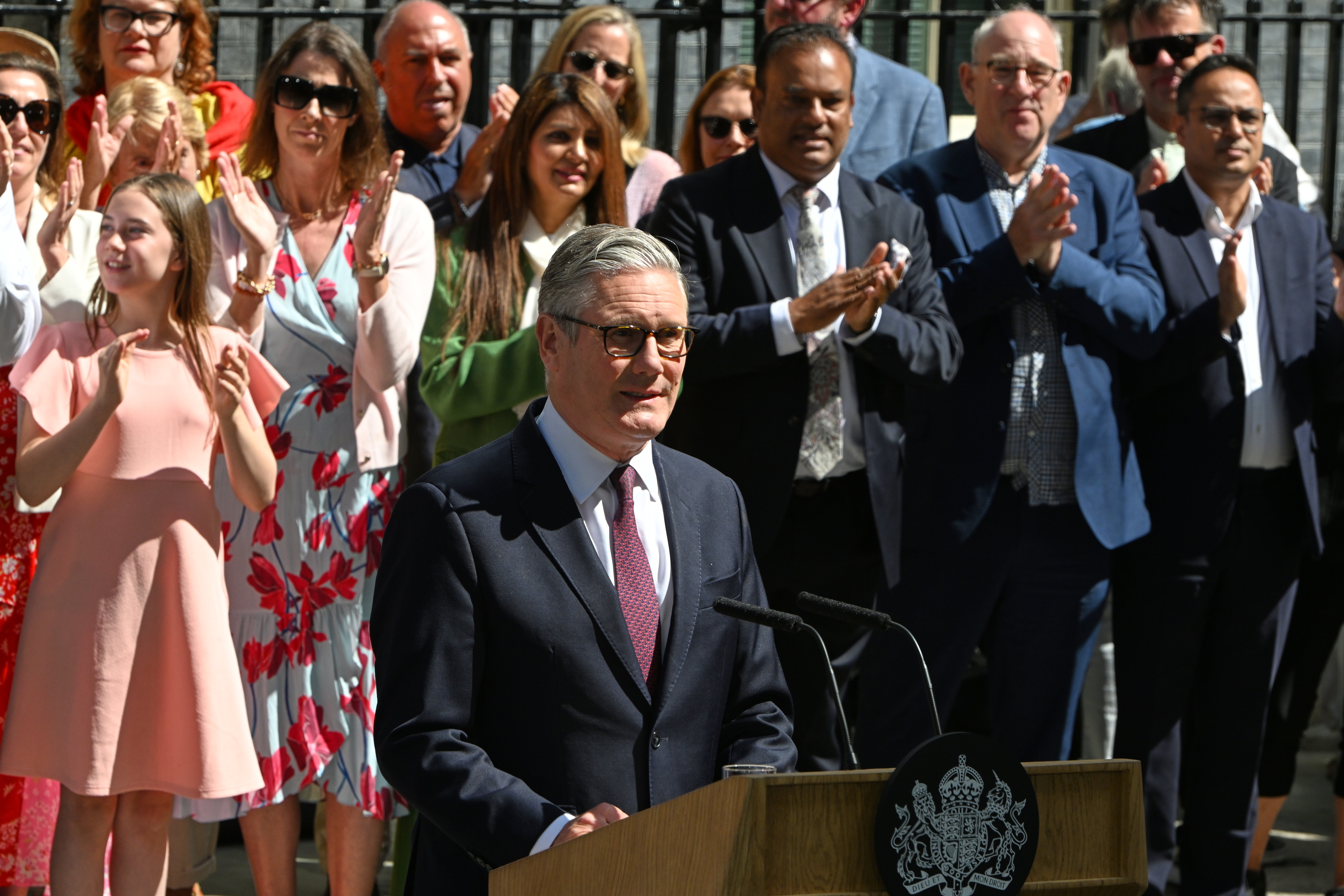
Mr Burnham said on Sunday that this issue was “the thing I heard most on the doorsteps” in Makerfield. Speaking to The Times, he added that the issue is “lodged in my mind”.
In an interview earlier this month, Mr Burnham also suggested there is “some room” in the Labour manifesto for “movement on tax”. He has also declined to rule out introducing a wealth tax and suggested the government “might be having to ask for a little more” at some point to balance Britain’s books.
He also signalled he may look at hiking business rates on the large warehouses – like the ones operated by retail giants such as Amazon – while lifting high street shops and pubs out of having to pay the business rates.
But he also said that he plans to stick to Labour’s 2024 election manifesto promises of not raising income tax, VAT or national insurance personal contributions.
Mr Burnham has also declined to rule out a wealth tax, telling former footballer and presenter Gary Lineker earlier this month that his government may “ask for a little more”.
He has also previously suggested that council tax and stamp duty could be replaced, and has instead advocated for a land value tax. This could see property taxed on its market rental value.
EU
Mr Burnham previously said he would like the UK to rejoin the EU within his lifetime.
But since standing to become an MP, he said he will not try to return the UK to the EU, arguing that the country would be stuck in a “permanent rut if we’re just constantly arguing”.
However, he said that he wants to work more closely with Europe on defence, writing in The Times: “I want to consolidate the progress made on the existing UK-EU negotiations and make further progress quickly, including by strengthening our co-operation on illegal migration, economic security and the broader resilience of our societies to external threats – from terrorism to AI-driven disinformation.”
Housing
In a speech in Manchester last month, Mr Burnham said “the country is in a housing trap” and called for a huge “council house building programme” to be brought in.
He vowed that a Burnham government would oversee the “biggest council house building programme since the post-war period”, using vacant public land to reduce costs.
He also said he would focus on higher-density development in existing towns, to both reinvigorate high streets and protect green spaces from development.
Public ownership
Mr Burnham said his No 10 North would also have three “clear tasks” of reforming essential utilities, reindustrialisation and regeneration of places.
While stopping short of calling for full nationalisation, Mr Burnham said his future government would “ensure that all parts of the UK are able to take greater public control of essential services”.
These included water, housing, energy and transport, and would come with a decade-long plan to bring down the costs of these essentials.
Social care
Mr Burnham has said that fixing adult social care is one of his priorities, telling reporters last week that he would “grasp the nettle” on reform.
He said: “I’ve got personal experience of the system at the moment. My dad has Alzheimer’s, and you see what the staff have to put up with.
“It’s not their fault, the system’s broken. You can’t leave social care like this.”
The former mayor added that he believed in a publicly-funded “national care service”, a policy which he announced as health secretary in 2009 but was dropped by the following Conservative government.
Defence
Mr Burnham has set out several priorities on defence, the first being to ensure stability by retaining the UK’s commitment to Nato and to the country’s nuclear deterrent.
He also pledged that his government would rebuild Britain’s hard power by upgrading current military equipment through the defence investment plan. This could have the bonus effect of creating economic growth and jobs in communities “that have seen opportunities drain away.”
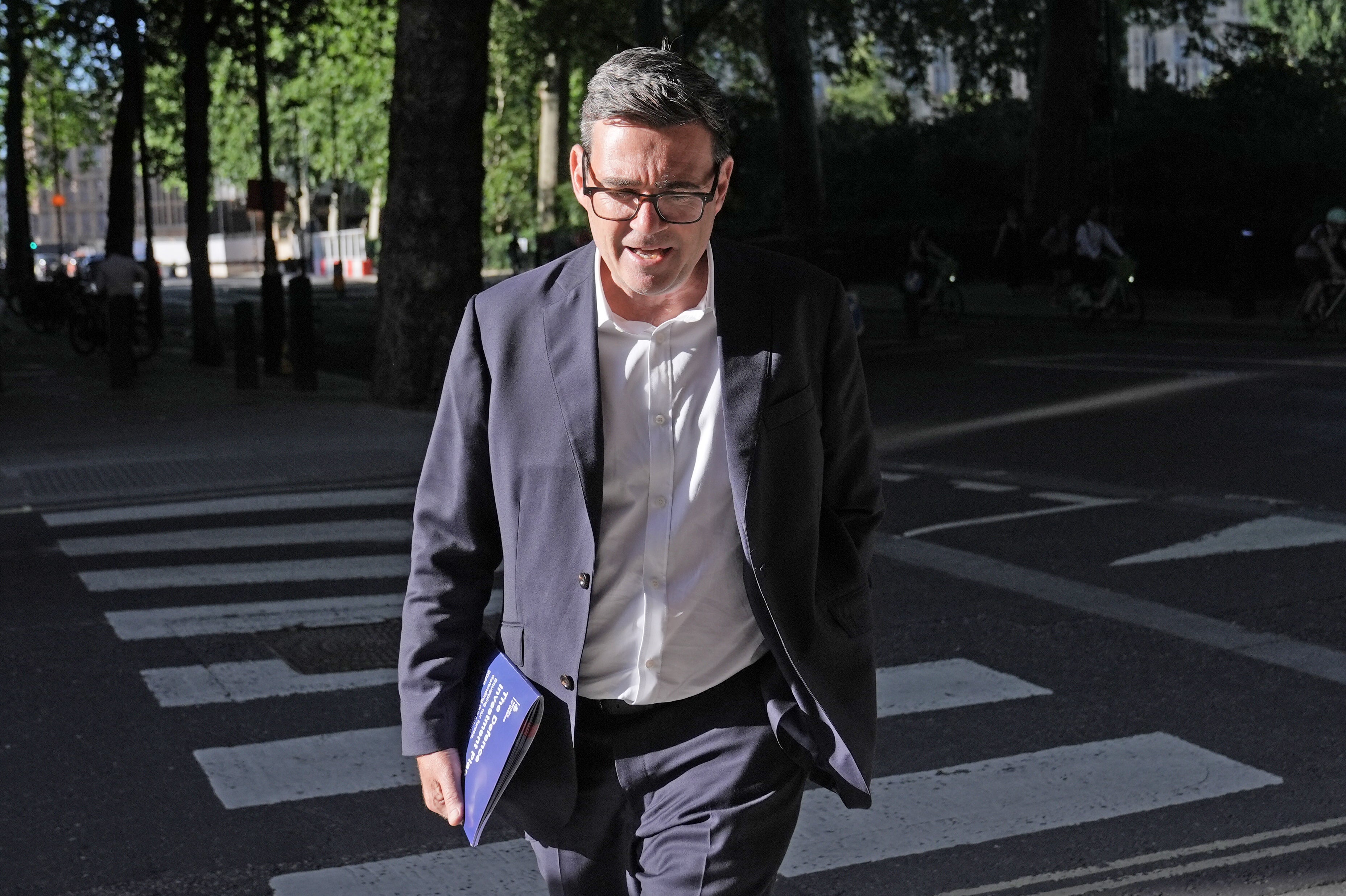
However, he faces a £4.7bn black hole to fill as the outgoing prime minister’s £15bn plan only identifies £10.3bn of funding, while the remaining £4.7bn will be “confirmed at Budget 2026, in a fair and balanced way”.
Immigration
Mr Burnham’s allies have long hinted that the Makerfield MP would continue to support Shabana Mahmood’s controversial immigration reforms if he became prime minister.
The former mayor’s focus in the lead up to his coronation has largely been on issues like the cost of living and devolution, while his views on issues like immigration and foreign policy have been less regularly explained.
However, on Monday Mr Burnham supported the government’s asylum changes, voting in favour of legislation to reshape the appeals process and remove barriers to deportation.
It is also strongly rumoured that he will appoint Ms Mahmood as his chancellor on Monday, in what would be the surest sign yet that he backs the approach she has taken in the Home Office.