


For Sir Keir Starmer, the honeymoon was over as soon as he set foot in Downing Street back in July 2024.
Most prime ministers enjoy a few weeks’ grace period after taking office. But within weeks of securing a landslide victory, Sir Keir was on the back foot.
His chancellor, Rachel Reeves, admitted to the public that the government had been left a £22bn black hole by the Tories and she would be taking tough measures, including scrapping winter fuel payments for pensioners not on benefits.
The backlash was fierce – for many it was a point from which the government never recovered.
Days later, Sir Keir was forced to cancel his holiday as violent riots broke out across the country in response to the brutal murders of three girls in Southport.
Scandal over gifts from donor Lord Alli then sank the new prime minister’s opinion ratings into the doldrums – with just 36 per cent of Britons believing he was doing a good job at the end of August. His government was going nowhere fast.
As the new administration flailed, Labour’s most popular politician was not among its 411 MPs elected in 2024.
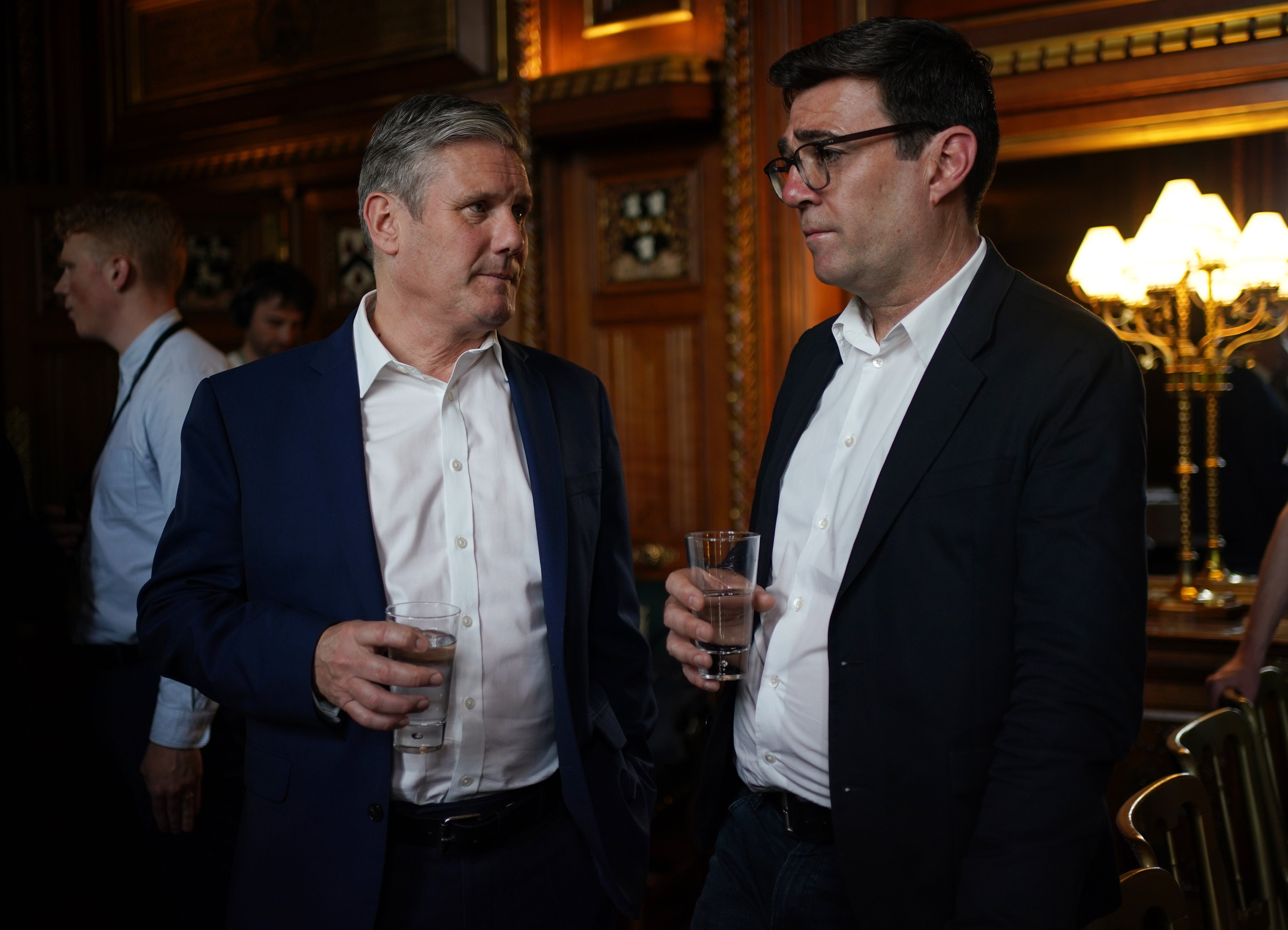
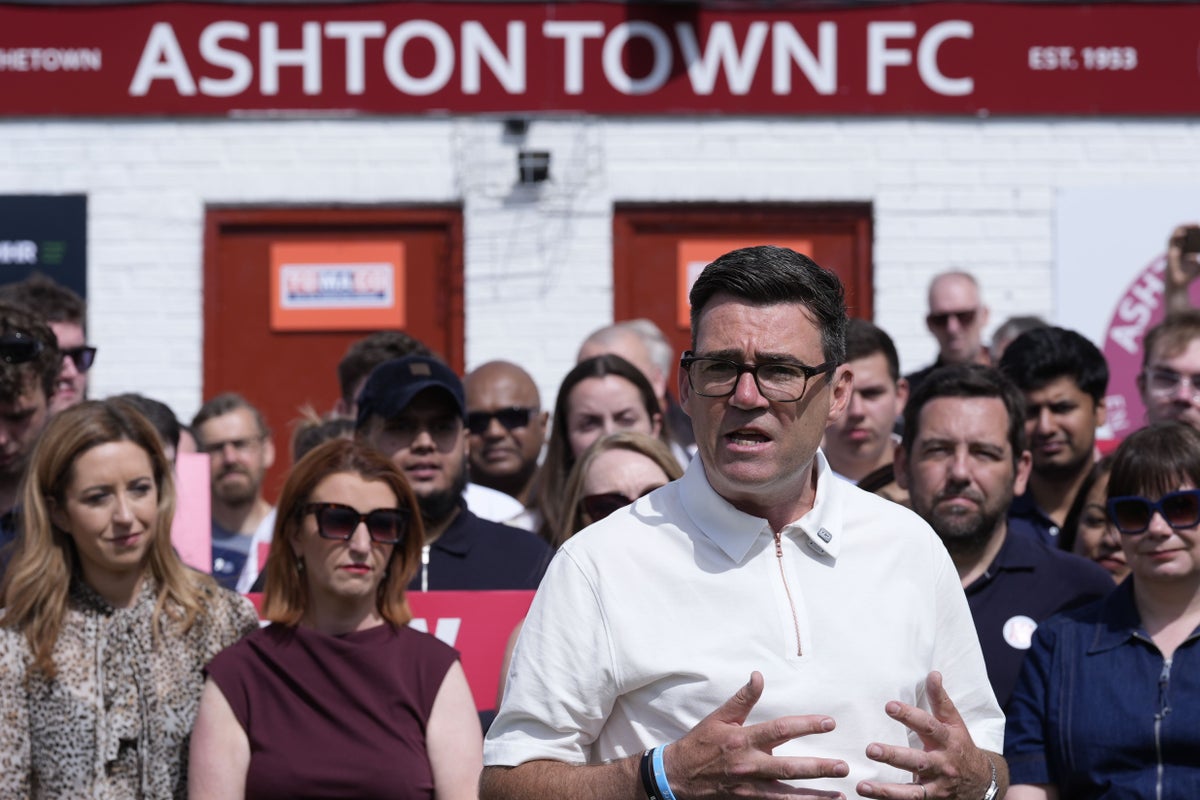
Andy Burnham had been running Greater Manchester since 2017 and had developed his “King of the North” image during the pandemic as an outspoken critic of an economic model firmly rooted in London and the South East.
May 2024 had seen Mr Burnham re-elected for a third term with 63 per cent of the vote, winning in every borough of the city region. But little more than a year later, he appeared to have set his sights on a different job.
‘An idea whose time has come’
After a rocky first year characterised by U-turns, ministers arrived in Liverpool for Labour’s September 2025 conference in what felt like crisis. Nigel Farage’s Reform UK was leading in the polls and deputy prime minister Angela Rayner had just resigned over her tax affairs.
Only 18 per cent of Britons believed Sir Keir was doing a good job, and Mr Burnham came to the conference in the city of his birth as the centre of attention.
He had offered advice to the struggling administration in several interviews in the days leading up to it and speculation about a challenge to the leadership duly swirled across the city’s waterfront.
“There’s nothing more unstoppable than an idea whose time has come”, the Greater Manchester mayor quipped as he began a speech at a fringe event on its opening day.
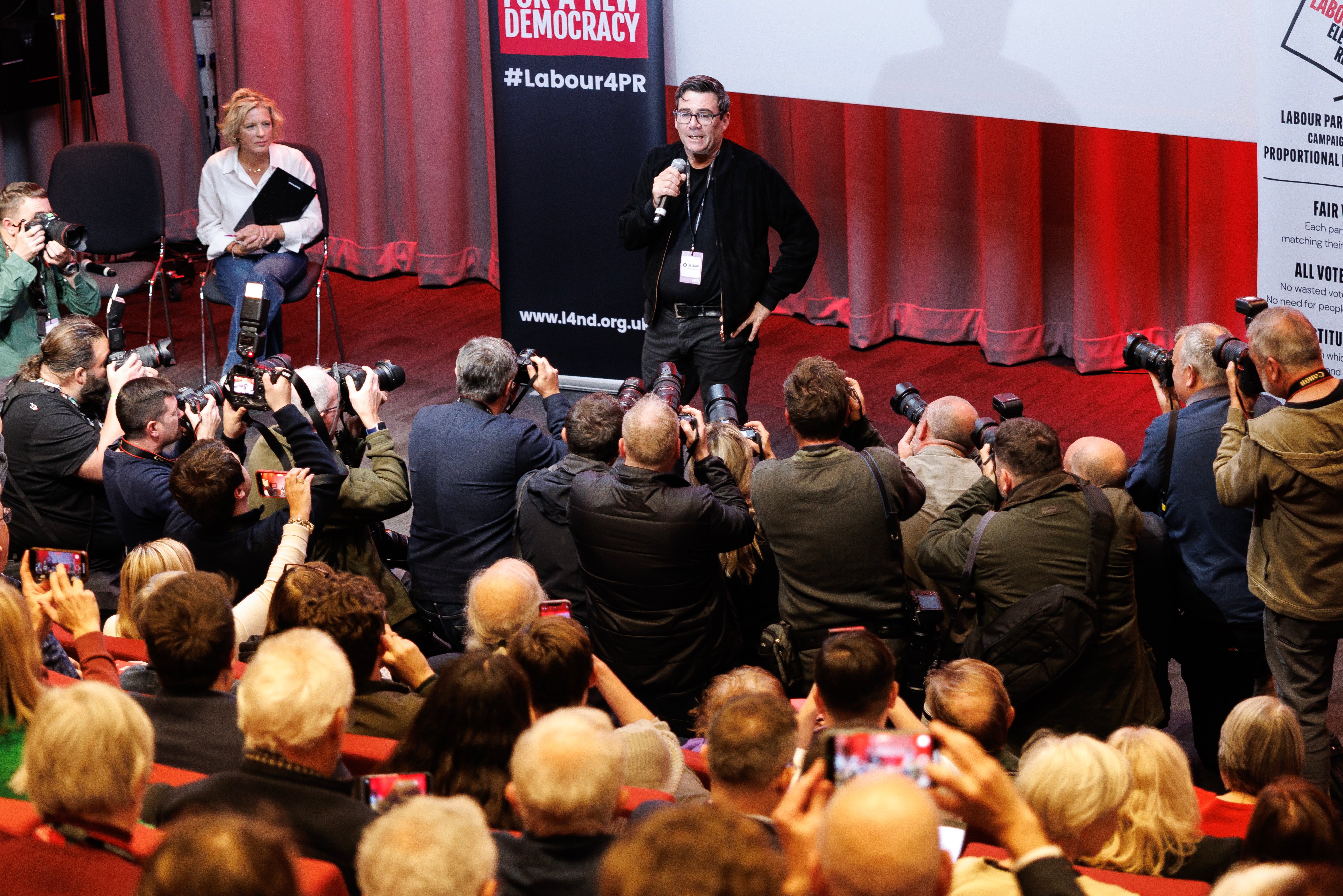
He was ostensibly talking about proportional representation, but the speech sounded as if he was making a pitch to his party with the policy agenda he now calls “Manchesterism”.
But Mr Burnham said he was doing nothing more than starting a conversation about the party’s direction.
“He always wants the party to do well, and we weren’t doing well”, Liverpool City Region mayor and Mr Burnham’s close friend Steve Rotheram told The Independent this week.
For Mr Rotheram, Labour needed to address its perception, communicate its successes and offer hope to a country in the grips of negativity. In his eyes, Mr Burnham was the obvious choice within the party to do that.
But as time passed and matters did not improve for Sir Keir, a plan for Mr Burnham to return to parliament began to crystallise, he said.
“I think it was a realisation that we had to rescue the situation, and that’s not even being trite”, adding that Labour faced “an existential threat” to its future.
“Some of the conversations were not just about what’s going wrong, but how could we turn it around?” Mr Rotheram added. “How could we put it right?
“That’s where it got serious. If we were to put it right, if he was to go back down there, first of all, how would he even get back down there?”
The prospect of a return to Westminster for the mayor became an open secret as the government struggled, another Burnham ally told The Independent this week.
“I would have welcomed him back then (at the conference)”, the MP said. “We all wanted to give Keir a chance, we all wanted to give the government a chance.
“But I’m not blind to what people told me on the doorstep and what I heard in my community.”
Any suggestion of a coup last September fizzled out. If Mr Burnham was playing his hand in Liverpool, he had played it wrong.
He was dogged by comments made about the bond markets in one of his pre-conference interviews and, to mount a serious challenge to Sir Keir, he had to find a parliamentary seat.
Another false start
A way of clearing that hurdle presented itself less than six months later.
The resignation of Andrew Gwynne freed up the safe Greater Manchester seat of Gorton and Denton. Mr Burnham threw his hat in the ring, only to be blocked by Labour’s top brass.
That decision went down dreadfully, and it put a dent in Mr Burnham’s relationship with Sir Keir’s administration, according to Mr Rotheram.
When The Independent spoke to voters in the constituency before the February 2026 by-election, disdain for Sir Keir in what are Labour’s heartlands and Mr Burnham’s domain was evident.
As such, lifelong supporters said they would switch allegiance for the first-time ever – to both the Greens and Reform, as they argued that Labour no longer felt like their party.
A number said, however, that their popular mayor’s name on the ballot would have kept their vote red. The consensus among them was that he connects with and represents them in a way that Sir Keir does not.
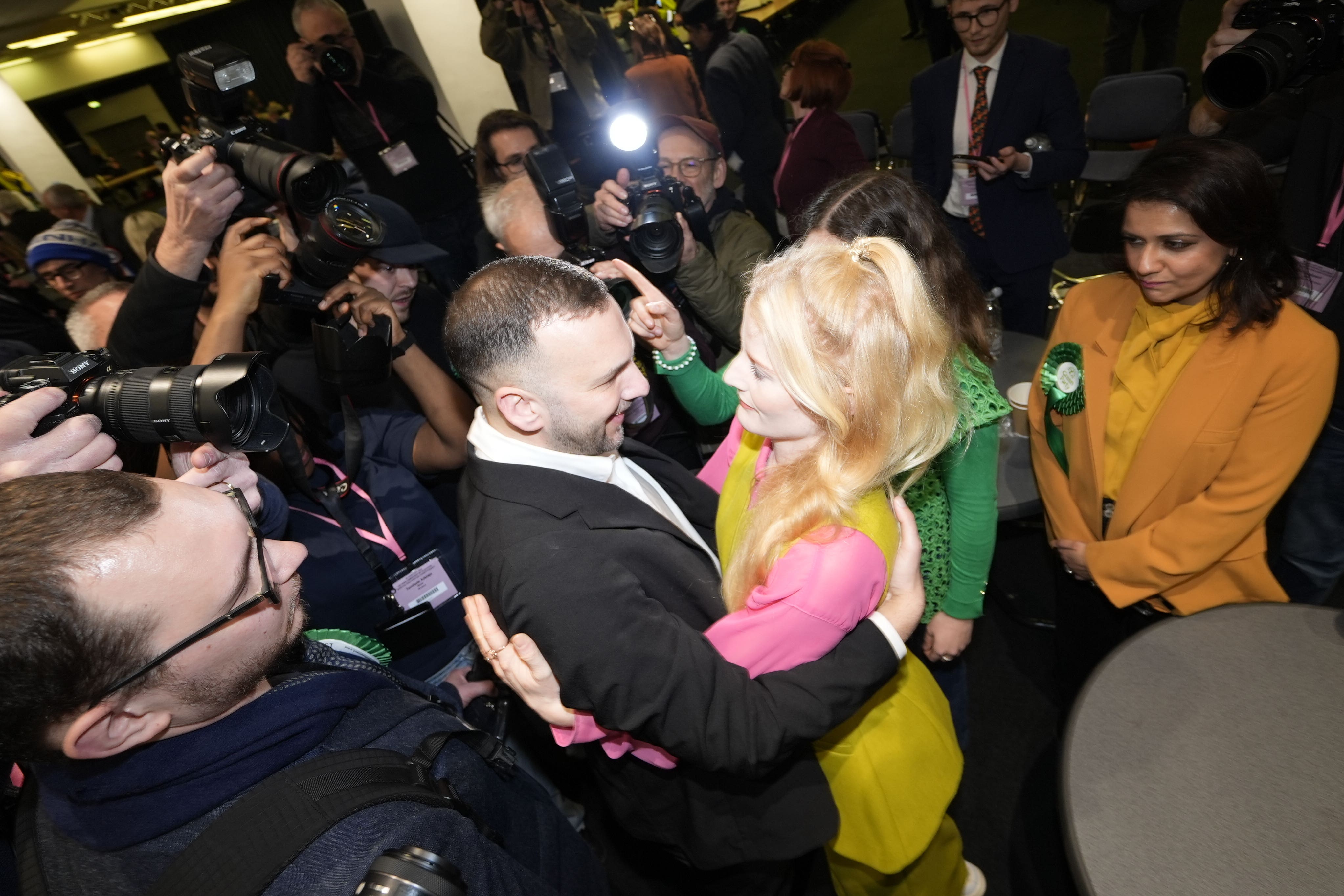
That became apparent when Labour finished a humiliating third behind the Greens and Reform.
Following the defeat, Mr Burnham had more advice for his party. The result “revealed the full depth of the chasm between people and Westminster politics”, he said.
As for his prospects of returning to parliament, the mayor referred to the title of the 2024 book he wrote with Mr Rotheram as he said: “It’s called Head North. All I can say today is that the sequel ‘Head South’ is currently on hold.”
Labour’s local election drubbing
The Independent’s front page on 25 April 2026 carried a warning from three of Labour’s mayors – Mr Rotheram, Sadiq Khan and Richard Parker – that the prime minister and his government’s performance was making campaigning on a local level difficult.
The Burnham ally MP would agree, saying: “When I was out on the doors in May in the local elections in my patch, even people who were voting Labour were saying, ‘Well, I’ll vote Labour this time, but you’ve got to get rid of him’, and they all meant Keir. You can’t ignore that.”
Seven out of 10 voters believed Sir Keir was doing badly as Britain went to the polls. Labour’s results were nightmarish – losing nearly 1,500 council seats and relinquishing control of 30 local authorities across England.
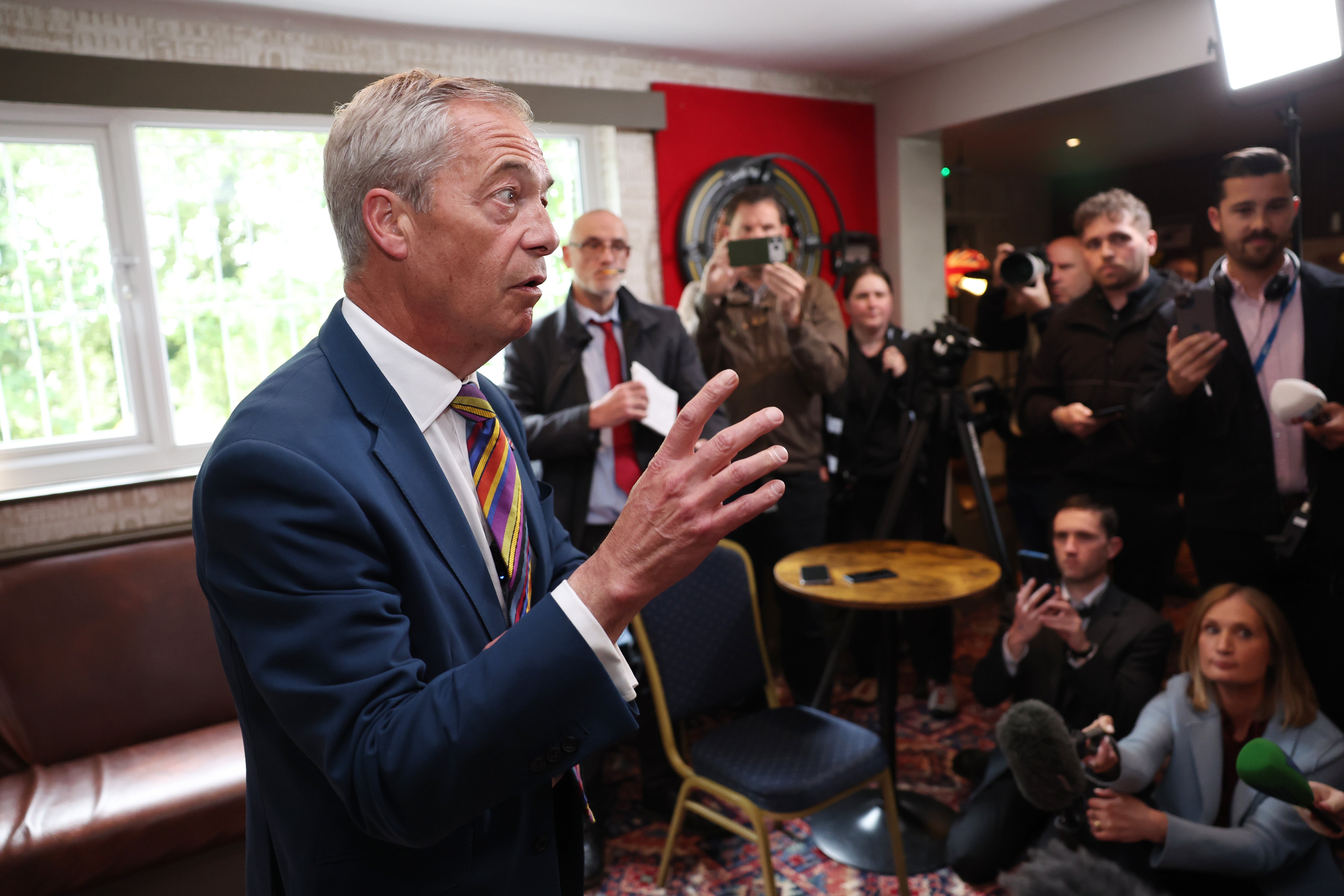
It took a hammering from Reform across its northern heartlands and to the Greens in London, while it also lost control of the Welsh Sennedd for the first time ever.
On the back of those results, those close to Mr Burnham believed it was now or never.
“Even if you don’t believe what you hear on the doorstep, election results don’t lie”, the Burnham ally said. “And as things stood with Keir, the government and the country was only going one way, and that was to Nigel Farage being in power in two or three years’ time.
“And we can’t allow that to happen. For the sake of the country. This isn’t about the Labour Party or saving the Labour Party for me, this is about saving the country.”
‘His time has come’
The local election wipe-out led to more than 80 Labour MPs to call for Sir Keir’s head. When Wes Streeting resigned as health secretary, a de-facto leadership race began – one that Mr Burnham could only join if he was back in the House of Commons.
It was Makerfield MP Josh Simons who stepped aside to facilitate Mr Burnham’s return. Announcing his decision, Mr Simons said: “I am standing aside so that Andy Burnham can return to his home, fight to re-enter Parliament, and if elected, drive the change our country is crying out for.”
The mayor was not blocked this time, for what was expected to be a close-run race with Reform, who had just taken 24 of 25 available seats in Makerfield’s borough of Wigan at the local elections.
The view among Mr Burnham’s allies was that if he couldn’t beat Reform in a seat like Makerfield, nobody in the Labour Party could. And if he did win, he had proven he was the man to stop Mr Farage.
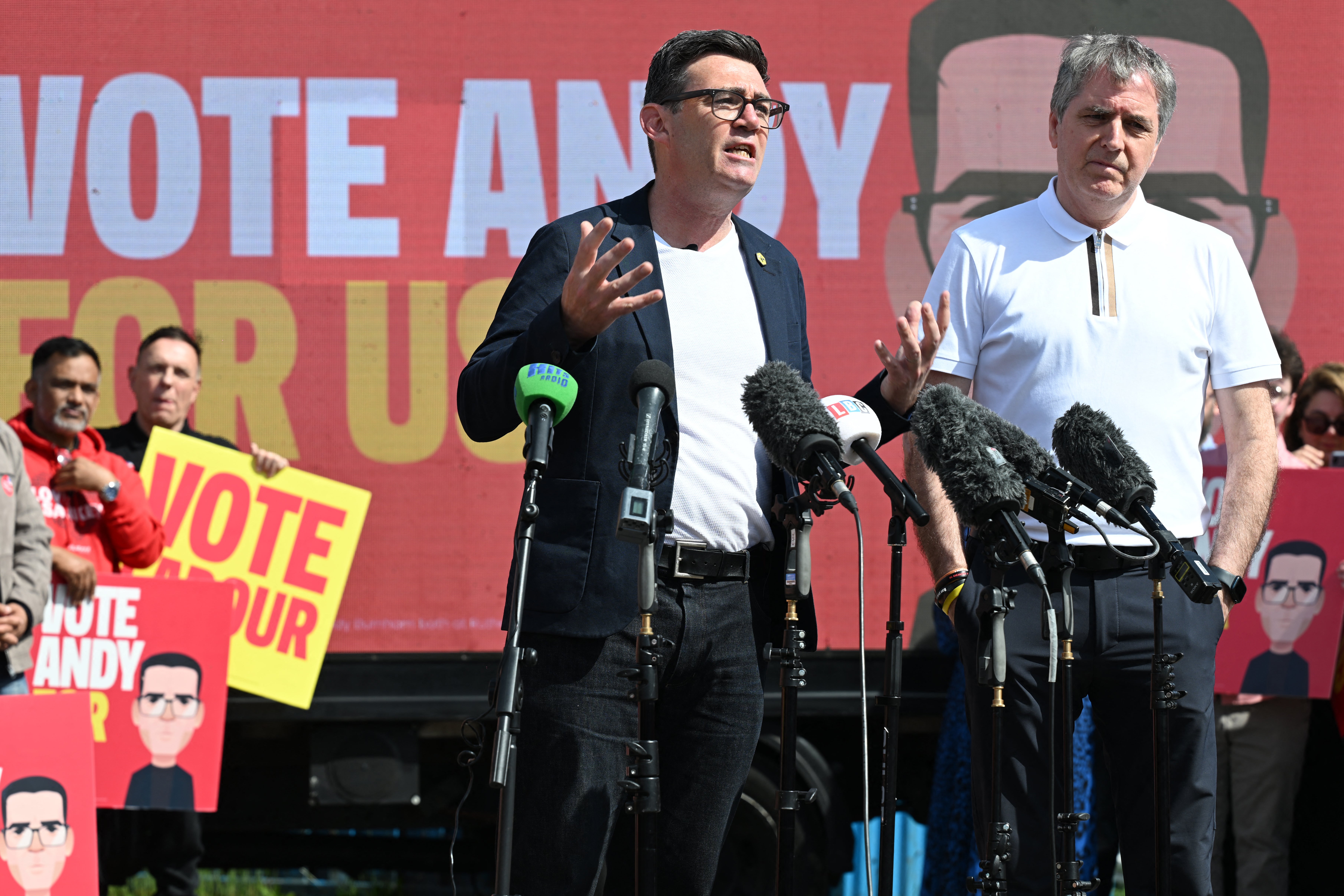
Mr Burnham set out his campaign for the June by-election with the slogan “Vote Andy, for us”.
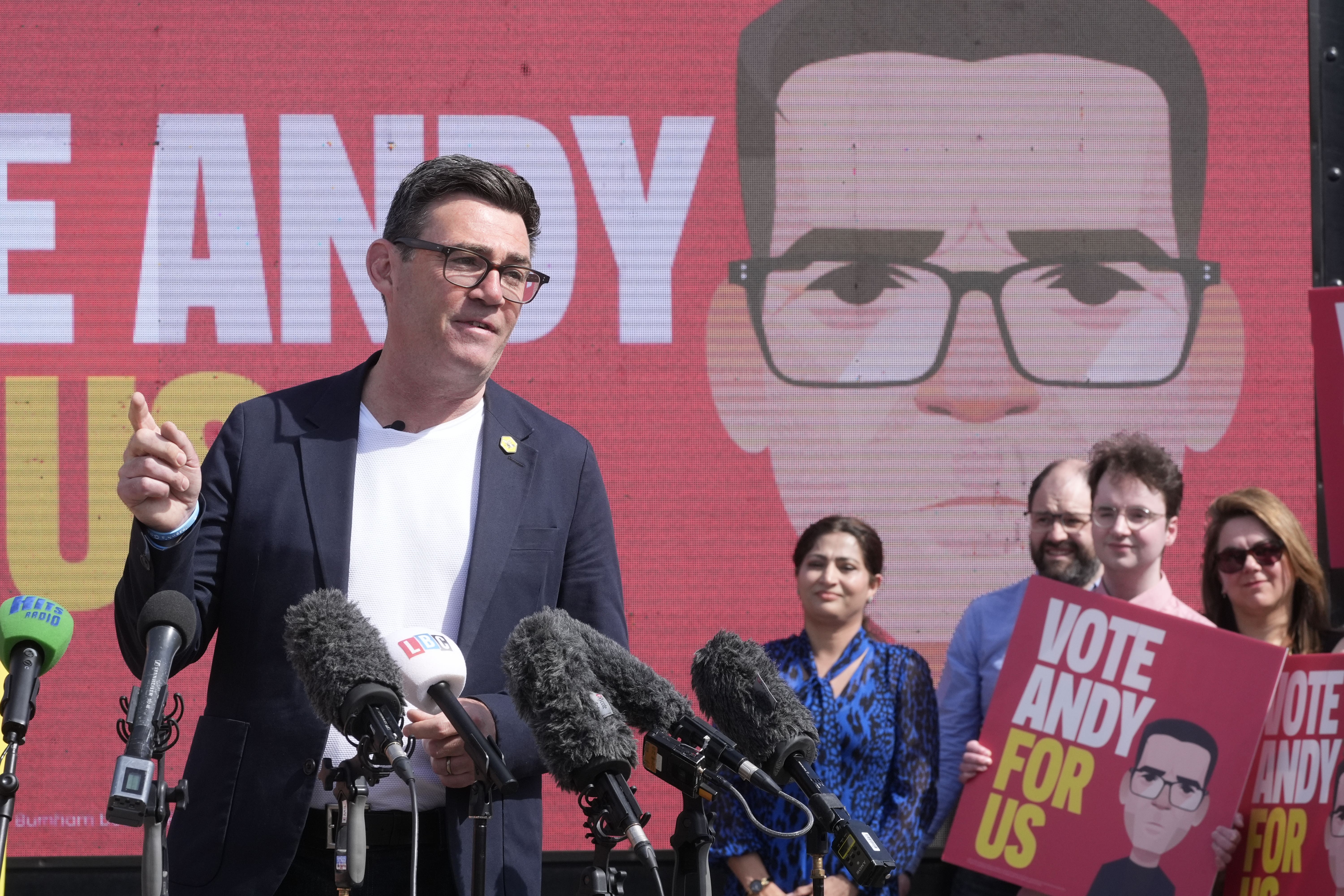
“He and the campaign team made the decision to not put Labour branding on everything”, the ally, who was part of the campaign, said.
“I mean, it did say Labour on some stuff, but it was very focused on Andy. This was a vote for Andy, not a vote for Labour.
“That did resonate with people because Andy recognised, and rightly, that the Labour brand was not popular.”
Those in the constituency who spoke to The Independent when their mayor announced his candidacy were excited by the prospect of Mr Burnham as their MP – and leader of the Labour Party.
Like in Gorton and Denton, he was seen by voters as the antidote to Sir Keir – he understood communities like theirs, embodied their ambitions and made them feel like the Labour Party still cares about them.
Mr Burnham saw off Reform’s Robert Kenyon with relative ease, winning 55 per cent of the vote. His new constituents sent him down to London to challenge Sir Keir with their best wishes.
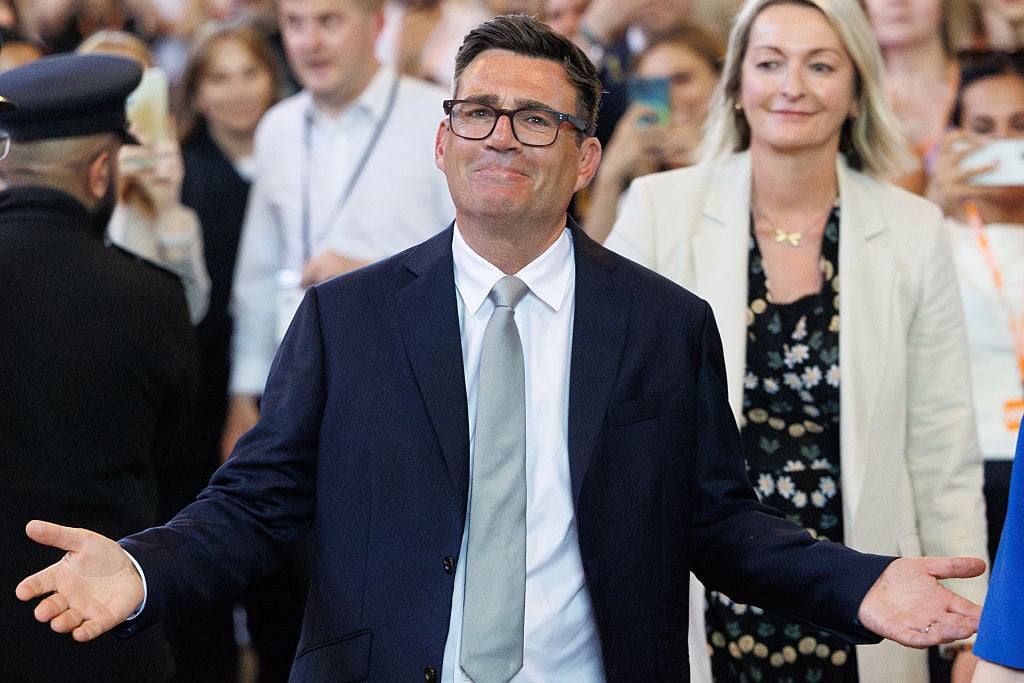
Nine months after Mr Burnham had declared nothing was “more unstoppable than an idea whose time has come”, Makerfield voter Terry Miller made a similar statement.
“His time has come”, Mr Miller told The Independent. This time it was true.
Unable to hold onto power any longer, Sir Keir resigned upon Mr Burnham’s return to Westminster.
The former mayor’s roundabout ascendancy to the highest office in the land then became a formality.
.jpg?trim=0,0,0,0&width=1200&height=800&crop=1200:800 "World Cup champion pleads for Trump’s help in getting into US for Spain v Argentina – UK Times")